
Braided Ponytail: A Sleek Lifted Style With Braids, Length, and Movement
A braided ponytail is a hairstyle where the hair is gathered into a ponytail and finished with one or more braids. The ponytail can sit high on the crown, low at the nape, centered in the back, or placed to the side. The braid creates length, texture, and structure, while the ponytail base gives the style lift, control, and a clean silhouette.
This style is popular because it combines the polish of a ponytail with the detail of braiding. It can look sleek and professional, bold and dramatic, playful and sporty, or soft and romantic depending on how it is built. A simple three-strand braided ponytail can work for everyday wear, while a long feed-in ponytail with extensions can create a strong beauty statement.
Braided ponytails are used in many areas of modern hairstyling: salon looks, protective styles, kids’ hairstyles, dance and athletic styling, red carpet hair, festival beauty, bridal-inspired looks, and social media tutorials. The style is recognizable, highly customizable, and practical for clients who want hair lifted away from the face while still showing length.
What Is a Braided Ponytail?
A braided ponytail is a ponytail that includes a braid as the main length or a decorative element. The hair may be pulled into a ponytail first and then braided, or the hair may be braided toward the ponytail base using cornrows, feed-in braids, stitch braids, or other scalp-braiding techniques.
The braid can be created with natural hair only or with added braiding hair. Extensions are often used when the client wants a longer, fuller, or more dramatic ponytail. Synthetic braiding hair can add length, density, color, and shape without permanently changing the natural hair.
The style may include one large braid, several small braids, a braided wrap around the base, or a ponytail made from existing box braids, knotless braids, twists, or loc-inspired styles. The defining feature is the combination of a gathered ponytail shape and braided texture.
Common Types of Braided Ponytails
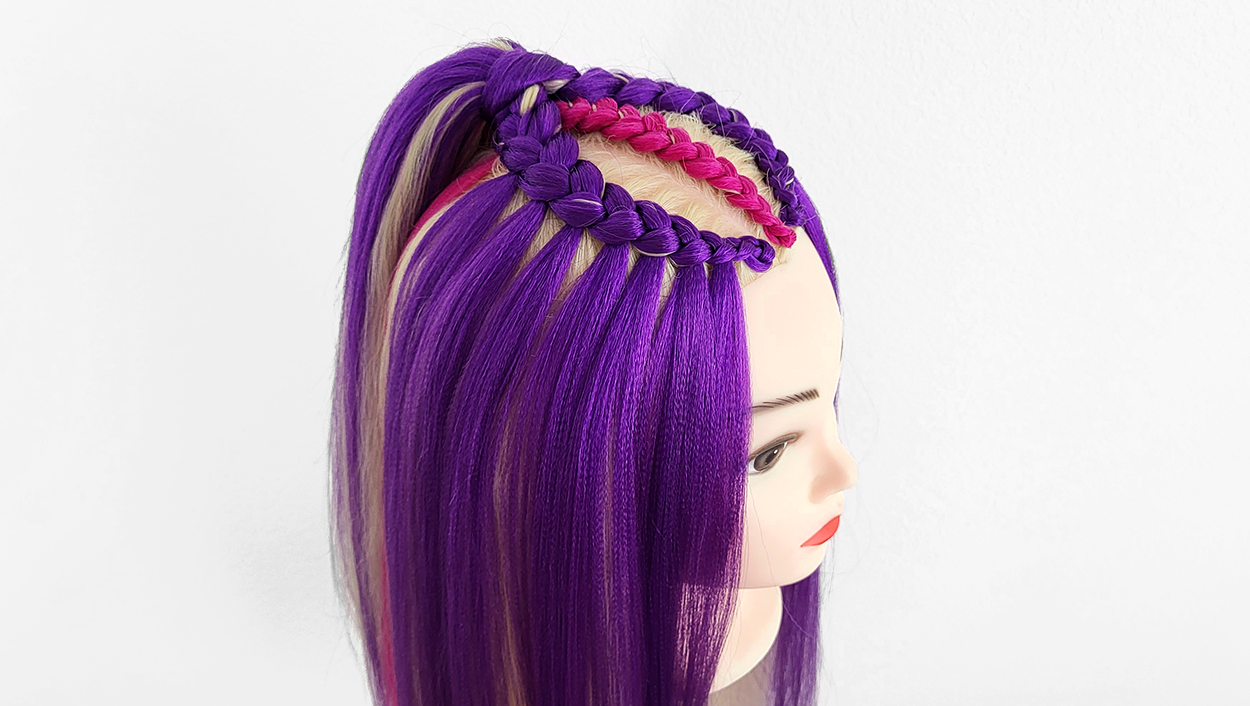
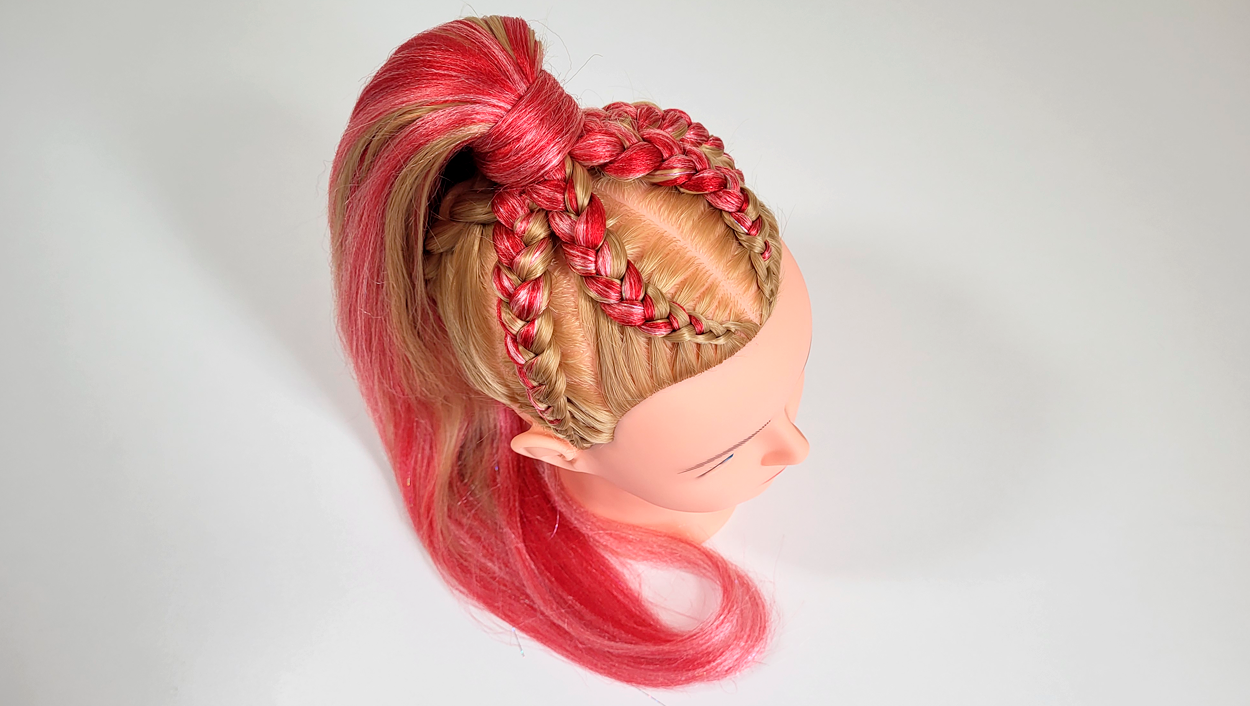
A high braided ponytail sits near the crown or top of the head. It creates height, lift, and a bold silhouette. This version is common in glam styling, dance looks, editorial beauty, and long extension ponytails.
A low braided ponytail sits at the nape of the neck. It usually feels more elegant, minimal, and controlled. This version works well for professional looks, formal events, sleek styling, and softer beauty finishes.
A side braided ponytail is placed over one shoulder or to one side of the head. It creates asymmetry and can look romantic, playful, or fashion-forward depending on the braid size and texture.
A feed-in braided ponytail uses added hair gradually braided into the natural hair. This creates a smooth transition, extra length, and a polished finish.
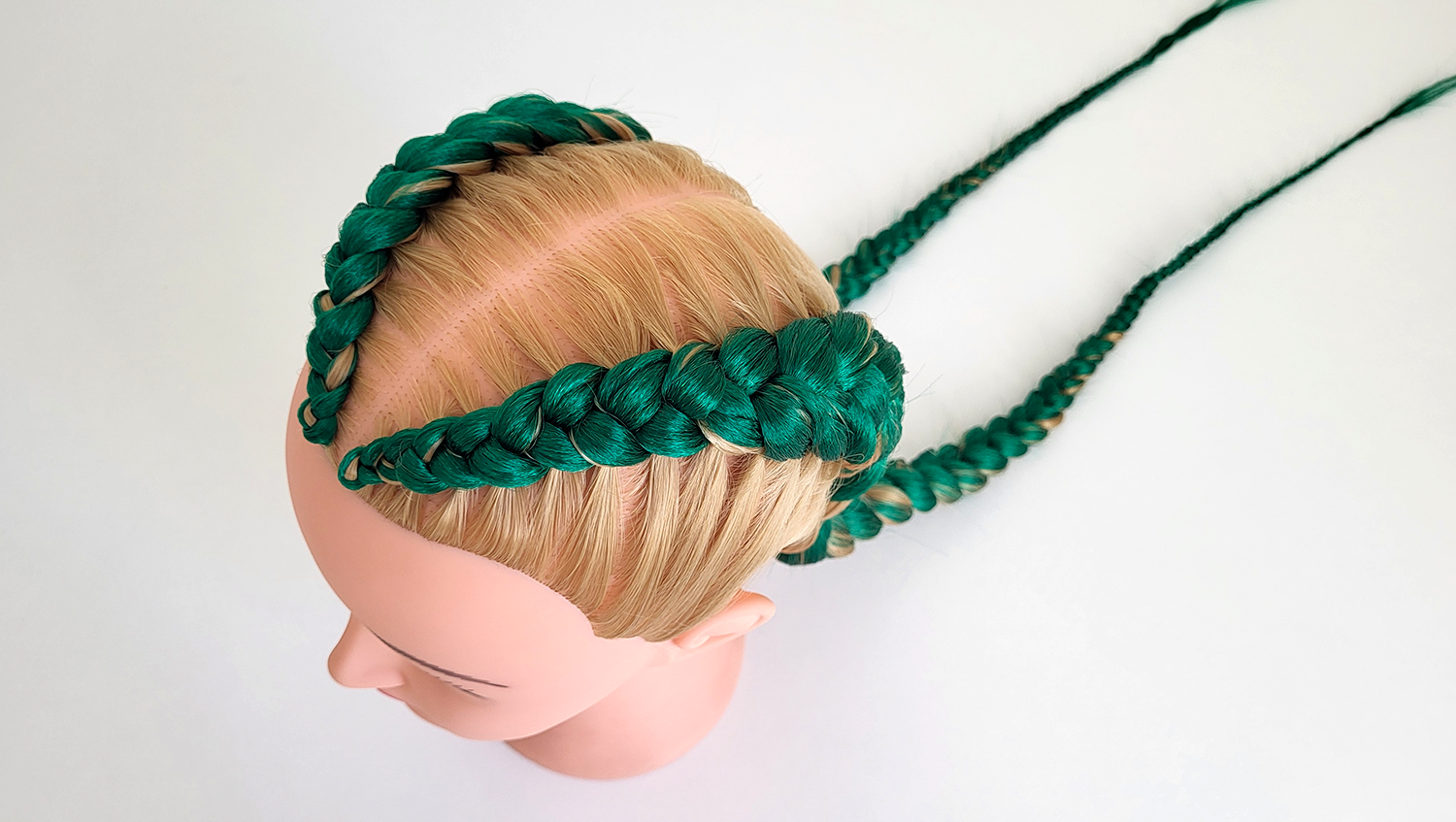
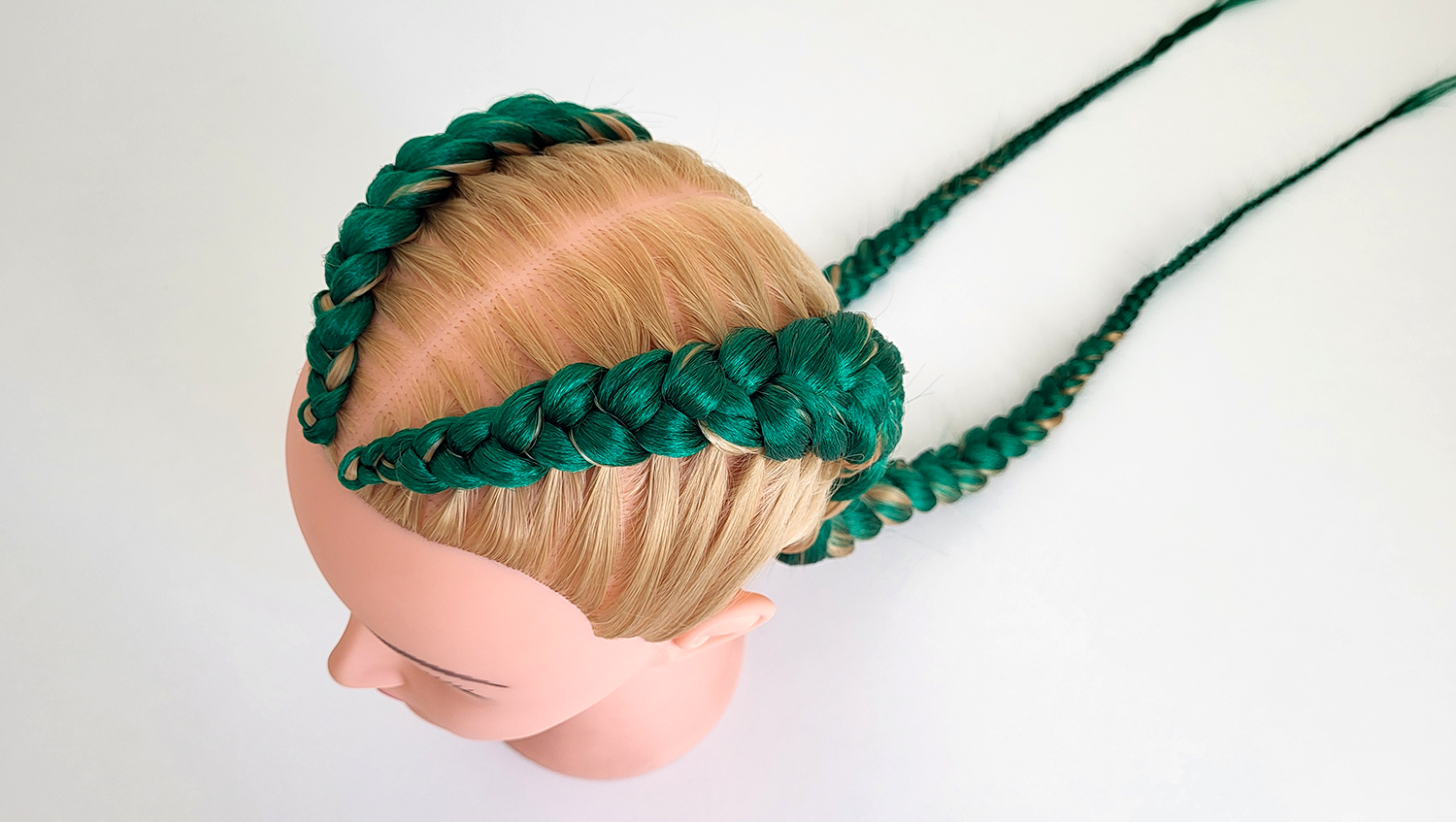
A cornrow ponytail begins with scalp braids directed toward the ponytail base. The braids may be straight, curved, stitch-style, or arranged in creative patterns before the length is gathered or braided.
A box braid ponytail uses existing individual braids gathered into a ponytail. This version is common when a client wants to restyle box braids, knotless braids, twists, or loc styles into an updo.
Why Braided Ponytails Work
Braided ponytails work because they balance structure and movement. The ponytail controls the hair at the base, while the braid gives the length a clear shape. This makes the hairstyle look intentional and polished.
The style is also practical. It keeps hair off the face and neck, which makes it useful for warm weather, active days, events, sports, dance, and busy routines. When created correctly, a braided ponytail can stay neat for hours or even several days depending on the technique.
Visually, braided ponytails create a strong line. A high ponytail lifts the face and adds drama. A low ponytail creates elegance. A long braid adds movement down the back. A thick braid creates power and volume. A thin braid creates a cleaner, more minimal finish.
This is why the braided ponytail can move easily between everyday styling and high-impact beauty looks.
Braided Ponytail With Natural Hair
A braided ponytail can be created with natural hair only. The hair is gathered into a ponytail, secured, and braided down the length. This version is simple, wearable, and useful for everyday styling.
Natural hair braided ponytails can work on straight, wavy, curly, coily, relaxed, or textured hair. The hair may be smoothed for a sleek finish or left more textured for a natural look. Curly or coily hair may be stretched first if the client wants a cleaner braid, or it may be braided with its natural volume for a fuller result.
This version is practical for school, work, workouts, dance, and quick protective styling. It reduces loose hair movement and can help control the hair without using heat tools.
The main limitation is length. If the natural hair is short or layered, the ponytail braid may be shorter or less uniform. In that case, extensions can be used to create a longer or fuller braid.
Braided Ponytail With Extensions
Extensions are often used to create a longer, fuller, or more dramatic braided ponytail. Synthetic braiding hair can be added to the ponytail base or fed into the braid for a smoother transition.
A long braided ponytail with extensions is a popular glam style because it creates instant length and strong visual impact. The braid can fall down the back, over the shoulder, or even reach waist length or longer.
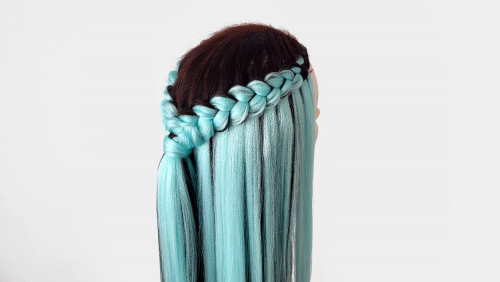
Extensions can also add color. Blonde, copper, burgundy, brown, ombré, pink, blue, purple, or mixed tones can be used without coloring the natural hair. A color accent can make the braid more editorial, playful, or fashion-forward.
Weight control is important. A very long or thick braided ponytail can pull on the scalp if too much hair is added. The ponytail base must be secure but comfortable, and the braid should not create headaches or tension at the hairline.
Sleek Braided Ponytail
A sleek braided ponytail is one of the most polished versions of the style. The hair is smoothed toward the ponytail base with gel, mousse, edge control, or styling cream, then finished with a clean braid.
This version is popular for events, professional styling, beauty shoots, and formal looks because it gives a clean, high-shine finish. The base can be center-parted, side-parted, or brushed straight back.
A wrap around the ponytail base is often used to hide the elastic and create a more finished look. The braid may be long and smooth, medium length, or styled with curled ends depending on the desired effect.
The key to a sleek braided ponytail is control without discomfort. The style should look smooth, but it should not be pulled so tightly that it stresses the hairline or scalp.
Cornrow Braided Ponytail
A cornrow braided ponytail begins with braids created close to the scalp and directed toward the ponytail base. This technique gives the style structure from the root and can create many different visual patterns.
The cornrows may be straight-back, curved, diagonal, stitch-style, or designed with geometric parts. The ends can be gathered into one ponytail, braided into a single long braid, or left as multiple braids.
This version is popular in protective styling because it keeps the hair controlled and can last longer than a loose ponytail. It is also common in kids’ hairstyles, dance styles, athletic looks, and salon braid designs.
The most important technical detail is tension. Cornrows that lead into a ponytail should not pull too tightly around the hairline, temples, or nape. The ponytail base should not create pressure or soreness.
Braided Ponytail With Box Braids or Knotless Braids
Box braids and knotless braids can be styled into braided ponytails in several ways. The existing braids can be gathered into a ponytail and secured, or a section of braids can be wrapped around the base for a cleaner finish.
A high ponytail with box braids creates a bold, lifted look. A low ponytail feels more relaxed and elegant. A half-up braided ponytail allows some braids to remain loose while the top section is lifted.
Knotless braids often feel more flexible at the root, which can make ponytail styling easier and more comfortable. Traditional box braids may feel firmer at the base, especially soon after installation.
Even with individual braids, weight matters. Long or dense braids can become heavy when pulled into a high ponytail. Alternating between loose styles and softer ponytails can help reduce stress on the roots.
Braided Ponytails for Kids
Braided ponytails are popular for kids because they are secure, practical, and easy to customize. The style keeps hair away from the face during school, play, sports, and daily routines.
Kids’ braided ponytails may include cornrows into a ponytail, two braided ponytails, a high braided ponytail, or a ponytail finished with beads, bows, ribbons, or colorful elastics.
Comfort is the main priority for children. The ponytail should not be too tight, and the braids should not pull around the hairline or nape. Heavy extensions and heavy bead stacks should be used carefully.
A good kids’ braided ponytail should be neat, age-appropriate, secure, and gentle on the scalp.
Who Is a Braided Ponytail Best For?
A braided ponytail is best for clients who want a lifted, controlled hairstyle with braided length. It works well for people who want hair off the face and neck while still keeping a strong beauty shape.
The style can be adapted for many hair types and textures. It can work on natural hair, relaxed hair, straight hair, wavy hair, curly hair, coily hair, and extension-enhanced hair. The technique should always be adjusted to the client’s density, hairline condition, scalp sensitivity, and desired finish.
Braided ponytails are strong options for events, work, school, workouts, performances, protective styling, vacations, beauty content, and formal styling.
Clients with fragile edges, thinning areas, scalp irritation, or recent breakage should avoid tight ponytails and heavy extensions. A professional stylist should adjust height, tension, and weight to protect the hair.
Professional Technique Details
A clean braided ponytail starts with proper preparation. The hair should be detangled and prepared according to the desired finish. Sleek ponytails may require smoothing products, while textured ponytails may need moisture and gentle control.
The ponytail base must be secure but not painful. Too much tension can cause discomfort and stress the hairline. A professional stylist should check the client’s comfort before braiding the ponytail length.
If extensions are used, the added hair should be blended smoothly and distributed evenly. A bulky connection at the ponytail base can make the style look unfinished and feel heavy.
The braid itself should be consistent. A clean braided ponytail has even tension, smooth sections, and a polished finish through the length. The end may be sealed, curled, tied, wrapped, or decorated depending on the style.
Finishing details matter. The base wrap, edge styling, parting, shine, braid length, and end finish all affect how professional the final look appears.
Maintenance and Wear
The maintenance of a braided ponytail depends on the technique. A simple natural-hair braided ponytail may last one day or a few days. A cornrow or feed-in braided ponytail can last longer with proper care. A ponytail made from box braids or knotless braids can be restyled throughout the wear period.
At night, the style should be protected with a satin or silk scarf, bonnet, or pillowcase. A sleek base may need wrapping to preserve smoothness. A long braid can be loosely secured to prevent tangling.
The scalp should remain comfortable. If the ponytail causes headaches, pulling, bumps, or soreness, it is too tight or too heavy. The style should be loosened or removed if discomfort continues.
Heavy ponytails should not be worn tightly every day. Alternating with lower or looser styles can help reduce stress on the roots and hairline.
Styling Options
Braided ponytails can be styled in many ways. The braid can be worn straight down the back, over one shoulder, wrapped into a bun, curled at the end, decorated with beads, or finished with cuffs and hair jewelry.
A center part creates a clean, balanced look. A side part adds softness. A brushed-back base creates a sleek, lifted effect. Stitch parts and cornrow patterns can make the style more detailed and technical.
A single thick braid creates drama. Multiple smaller braids create movement. Curled ends create softness. Color creates personality. Accessories can make the style playful, cultural, glam, or editorial.
The best styling choice depends on the client’s comfort, occasion, hair type, and desired level of impact.
Braided Ponytails in Modern Beauty Culture
Braided ponytails remain popular because they are polished, practical, and highly visual. They appear in salon styling, celebrity-inspired looks, dance hairstyles, gym looks, kids’ hair, formal styling, festival beauty, and social media tutorials.
The style works well on camera because it has a clear silhouette. A high braided ponytail creates height and movement. A low braided ponytail creates elegance. A feed-in ponytail shows technique. A long braid creates drama.
In the beauty industry, braided ponytails show the importance of clean finishing. The style may look simple from a distance, but the details matter: the base, the parting, the tension, the braid consistency, the extension blend, and the end finish.
For stylists, braided ponytails are an essential skill because they combine smoothing, braiding, extension control, updo structure, and client comfort.
Why Braided Ponytails Matter
Braided ponytails matter because they combine function with style. They lift the hair, control the shape, and create a polished braid finish that can work for many occasions.
For clients, the style offers convenience, beauty, and movement. For stylists, it requires technical control and a strong eye for proportion. The ponytail must look smooth, feel comfortable, and hold its shape.
When done well, a braided ponytail is sleek, secure, expressive, and modern. It proves that a practical hairstyle can still feel powerful, elegant, and completely styled.