
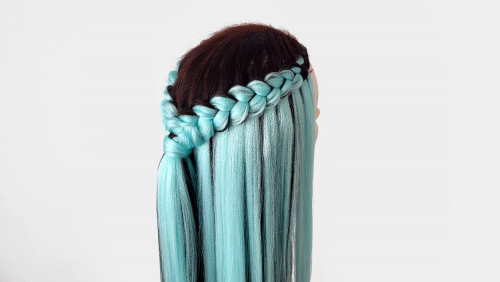
Criss-Cross Braids: Interwoven Braid Patterns With Sharp Movement and Visual Rhythm
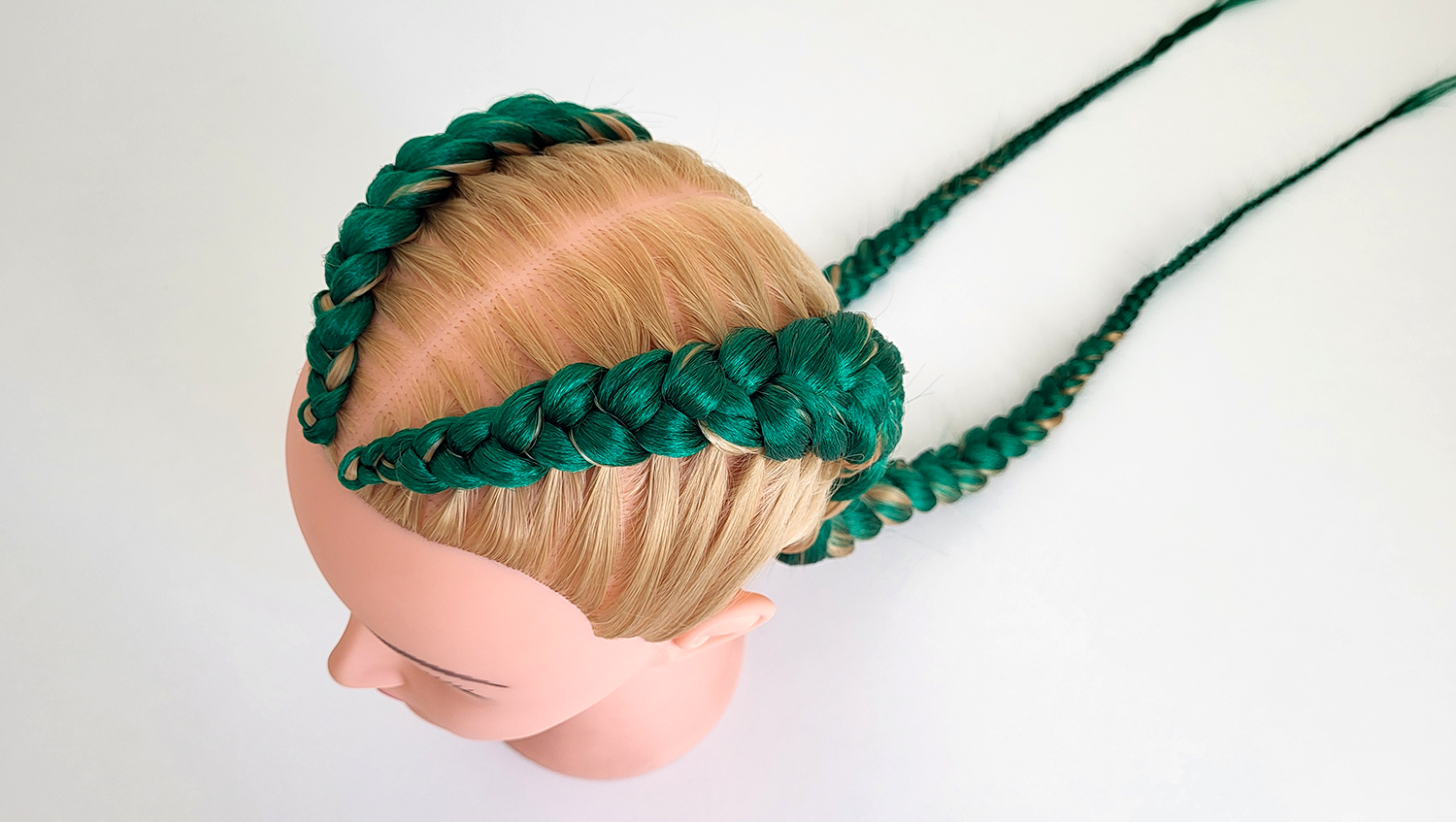
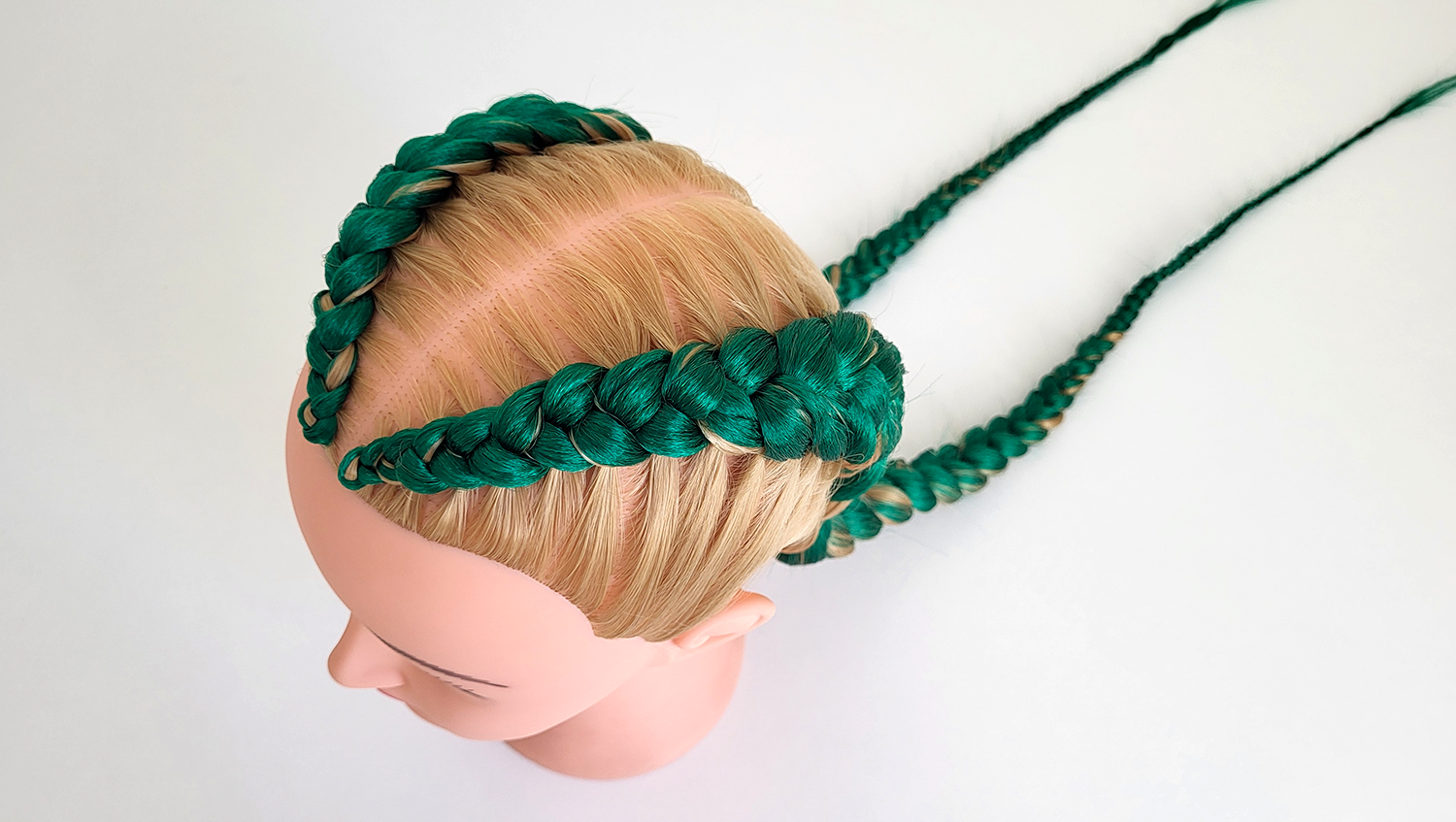
Criss-cross braids are braid styles built around crossing lines, intersecting sections, or woven braid paths that create an X-shaped pattern. Instead of braids moving only straight back or straight down, the design uses diagonal movement. Sections may cross over each other, elastic parts may connect in a grid, or cornrows may be directed in opposite angles to create a more dimensional layout.
This style is popular because it instantly adds visual interest. A simple braid set can become more dynamic when the front sections cross, the parting forms diamonds, or the cornrows move diagonally across the scalp. The criss-cross effect makes the hairstyle look more designed, even when the braid foundation is simple.
Criss-cross braids can be created on natural hair, with synthetic braiding hair, with elastics, with feed-in extensions, or as part of a protective style. They are common in kids’ hairstyles, cornrow designs, braided ponytails, festival looks, men’s braid designs, and creative salon work.
What Are Criss-Cross Braids?
Criss-cross braids are braids or braid-inspired styles where the hair sections cross over one another to create a visible intersecting pattern. The crossing may happen in the parting, in the braid direction, or through elastic-connected sections before the braids begin.
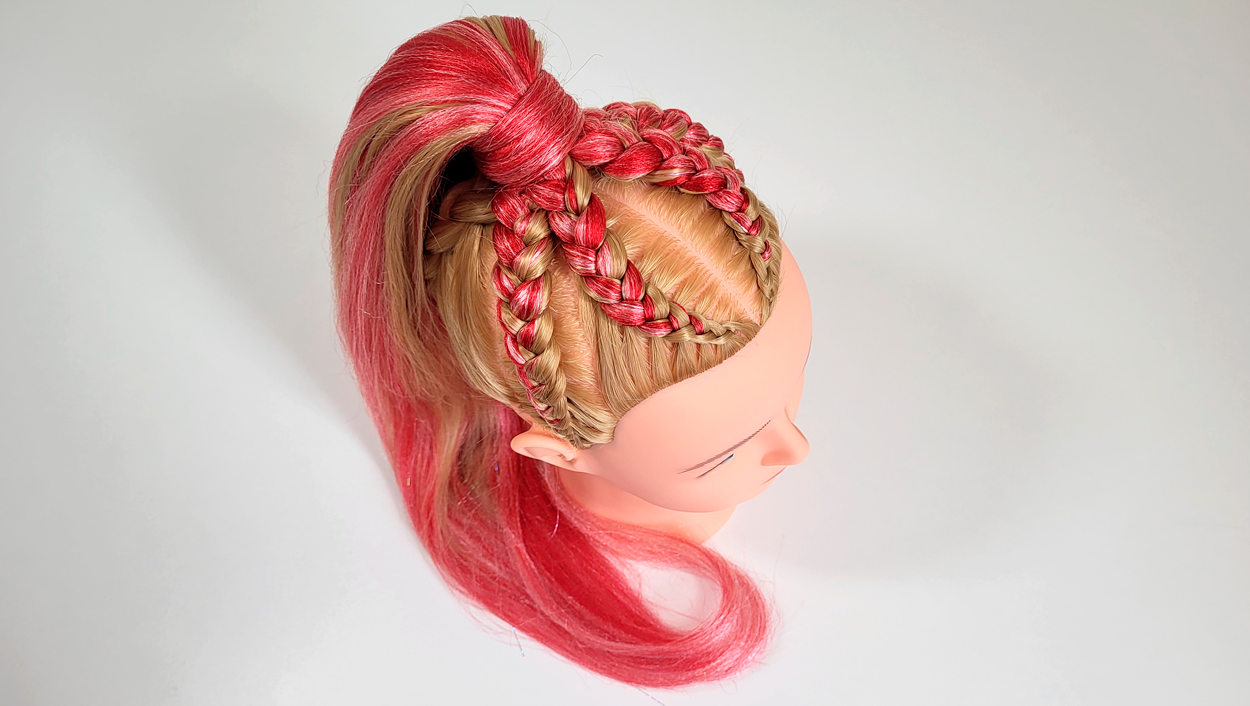
The most recognizable version uses small sections at the front of the head. Each section is tied with an elastic, then crossed diagonally into another section before connecting into braids, ponytails, buns, or loose hair. This creates a clean criss-cross grid.
Another version uses cornrows. The braider creates diagonal parts and braids the hair in crossing directions, forming X-shapes, diamonds, or woven-looking patterns on the scalp. This version requires more technical control because the braid direction and parting must stay clean.
The defining feature is intersection. The hairstyle must show crossing movement, not just parallel braids.
Why Criss-Cross Braids Stand Out
Criss-cross braids stand out because the eye naturally follows crossing lines. Straight-back braids create order and repetition, while criss-cross patterns create movement, contrast, and energy. The design feels more active because the braid lines travel across each other instead of staying in one direction.
The style also creates a strong visual frame around the face. When criss-cross sections are placed at the front, they draw attention to the forehead, hairline, and eyes. When placed on the sides, they create a more editorial or undercut-inspired effect. When placed through the full head, they turn the scalp into a full pattern.
Criss-cross designs can be small and cute or large and bold. That flexibility is one reason the style works for both kids and adults. The same concept can look playful, sporty, protective, or high-fashion depending on how it is built.
Common Types of Criss-Cross Braids
Elastic criss-cross braids are created by sectioning the hair into small squares, rectangles, diamonds, or triangles, securing each section with elastics, and crossing the hair into neighboring sections. This is one of the most popular versions for kids’ styles and quick creative looks.
Criss-cross cornrows use diagonal braid paths that cross visually across the scalp. These can form X-shapes, zigzags, diamond patterns, or freestyle designs.
Criss-cross feed-in braids use added hair to create longer or fuller braids while keeping the crossing pattern clean. This version is popular when the client wants a stronger salon finish.
Criss-cross box braid parts use intersecting parting lines before individual braids are installed. The final braids may hang normally, but the scalp pattern creates the criss-cross effect.
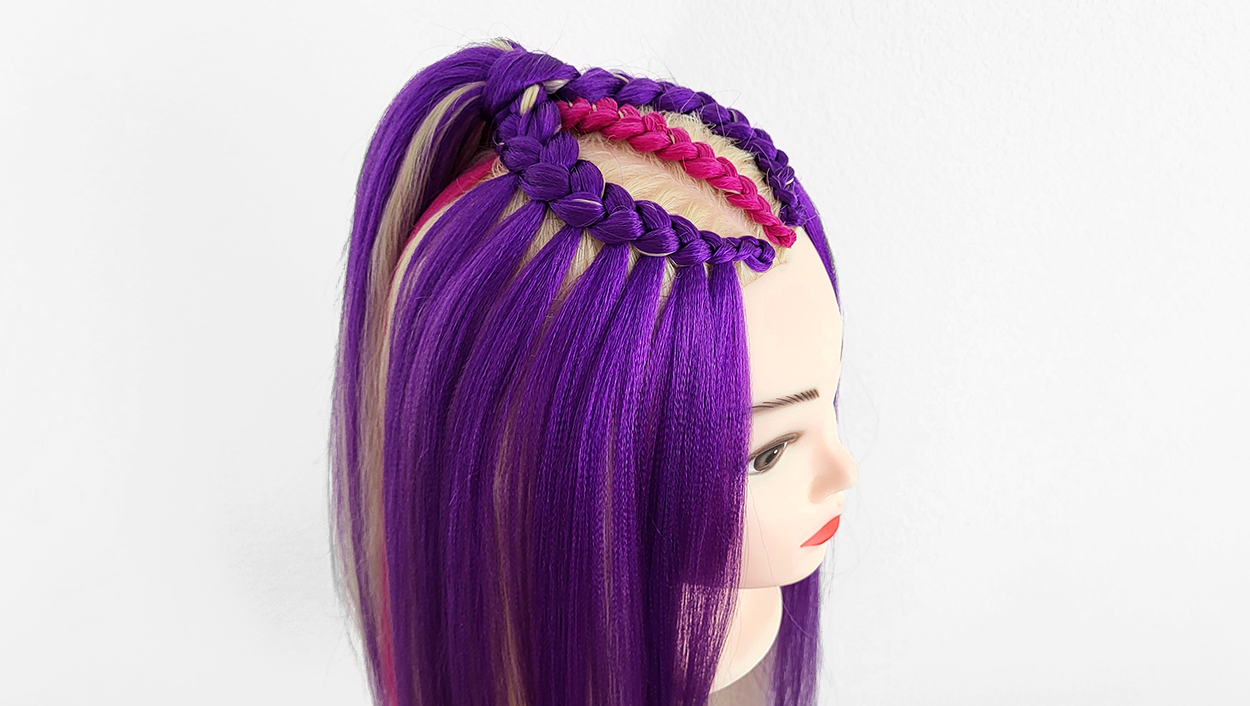
Criss-cross ponytail braids use crossed front or side sections that connect into one or more ponytails. This version is common for kids, dance, sports, and polished protective styling.
Criss-cross braided buns use crossing sections that lead into buns. The design can be placed at the front, sides, or full head before the hair is wrapped into bun shapes.
Elastic Criss-Cross Braids
Elastic criss-cross braids are one of the easiest ways to create the look. The stylist parts the hair into small sections, usually at the front or crown, then secures each section with a small elastic. The hair from one section is crossed diagonally into another section, creating an X-pattern before it connects into braids, ponytails, or loose hair.
This version is popular because it does not always require advanced braid technique. The design comes from parting, elastics, and crossing direction. It works well for kids’ hairstyles, beginner-friendly styling, festival looks, and quick decorative details.
The elastics should be gentle and not too tight. If elastics are wrapped too tightly, they can cause breakage, scalp soreness, or tension around the hairline. Soft, snag-free elastics are usually better than rough rubber bands.
Criss-Cross Cornrows
Criss-cross cornrows are more technical because the braid itself follows a diagonal or intersecting path. The braider must plan the design before starting so the lines cross cleanly without looking crowded.
This style may include two or more cornrows crossing visually, diamond parting, curved diagonals, or a combination of straight and angled braid lines. The goal is to create movement while keeping the design balanced.
Criss-cross cornrows can be created with natural hair or with added braiding hair. Feed-in techniques can make the braids longer, fuller, and more polished. Stitch details can sharpen the pattern and make the crossing lines more defined.
Because the design changes direction, tension control is especially important. The braid should stay secure without pulling too tightly at the hairline, temples, or crown.
Criss-Cross Braids with Extensions
Extensions can add length, thickness, color, and stronger shape to criss-cross braid styles. Synthetic braiding hair is often used for feed-in criss-cross braids, ponytail braids, or longer protective styles.
Added hair can make the crossed sections more visible, especially when the natural hair is short or fine. It can also help the final braids hang longer, look fuller, or connect into a dramatic ponytail or bun.
Color can make the design more creative. Blonde, brown, copper, burgundy, ombré, pink, blue, purple, or mixed colors can be added without dyeing the natural hair. A contrast color can highlight the crossing pattern, while a natural color keeps the look softer.
The amount of extension hair should match the section size. Too much hair in small crossed sections can create weight and tension. A professional stylist should balance the look with comfort.
Criss-Cross Braids for Kids
Criss-cross braids are very popular for kids because they look playful, fun, and creative. They can be combined with ponytails, pigtails, buns, beads, bows, colorful elastics, ribbons, or heart-shaped parts.
Kids’ criss-cross styles often use elastic sections at the front, then connect into braids or ponytails. This creates a cute design without needing the entire head braided close to the scalp.
Comfort is the most important detail. Children’s hairlines and scalps can be sensitive, so the elastics and braids should not be tight. The crossing sections should lie smoothly without pulling the hair in opposite directions too strongly.
A good kids’ criss-cross braid style should be secure enough for school or play, but gentle enough to protect the hair and scalp.
Criss-Cross Braids for Adults
For adults, criss-cross braids can look sleek, sporty, festival-inspired, or editorial. The style can be minimal with a small criss-cross detail near the front, or bold with a full scalp pattern.
Adults often wear criss-cross braids in braided ponytails, half-up styles, feed-in braids, cornrow designs, or creative protective looks. The pattern can make a familiar braid style feel more modern and customized.
A sleek criss-cross ponytail can look polished and strong. Criss-cross cornrows can feel technical and fashion-forward. Criss-cross sections with loose curls can create a softer beauty look. Colored elastics or accessories can make the style playful.
The key is clean execution. On adults, criss-cross patterns look best when the parting is sharp, the tension is controlled, and the design feels intentional rather than crowded.
Criss-Cross Braids for Men
Criss-cross braid designs can also be used in men’s hairstyling. Men’s versions often focus on scalp patterns, diagonal cornrows, geometric parts, and how the braid design connects with a fade, shape-up, or longer textured hair.
The criss-cross effect may appear as intersecting cornrows, diamond parts, side designs, or freestyle braid paths. This creates a sharp, athletic, or editorial look depending on the finish.
Men’s criss-cross braids require enough hair length for grip and clean parting. The braid pattern should work with the haircut and head shape. A fresh edge-up can make the design appear even cleaner.
Tension should still be controlled. Even when the style is sharp, it should not pull painfully at the front hairline or scalp.
Parting and Pattern Design
Parting is the foundation of criss-cross braids. The design depends on clean sections that connect in the correct direction. If the parts are uneven, the crossing pattern may look messy or unbalanced.
Square sections create a clean grid. Diamond sections create a more decorative pattern. Triangle sections create sharper movement. Curved sections create a softer and more custom finish.
The stylist should decide where the crossings will begin and where they will connect. Random crossing can make the style look confusing. Intentional crossing creates rhythm.
Spacing also matters. If the sections are too small, the style can become tight or crowded. If the sections are too large, the criss-cross effect may not look detailed enough. The best spacing depends on hair density, age, head size, and the final hairstyle.
Professional Technique Details
A professional criss-cross braid design requires planning, clean parting, and controlled tension. The stylist should map the design before securing elastics or starting the braid.
For elastic styles, each section should be moisturized or smoothed before tying. The elastic should hold the section, but it should not squeeze the hair too tightly. Crossing should be done gently so the hair is not pulled in a harsh diagonal direction.
For cornrow styles, the braid direction must stay consistent. A diagonal braid can easily lose shape if the braider does not control the section. The braid should follow the parting and maintain even tension through the curve or cross path.
For extension styles, added hair should be lightweight and balanced. The extension should support the style, not overload the crossed sections.
The final result should look clean from multiple angles: front, sides, top, and back.
Maintenance and Wear
Wear time depends on the technique. Elastic criss-cross styles may last a few days to a week depending on hair texture and care. Cornrow or feed-in criss-cross designs may last longer with proper maintenance.
At night, the style should be protected with a satin or silk scarf, bonnet, or pillowcase. This helps reduce frizz and keeps the pattern neat.
Elastics should be checked during wear. If they feel too tight, pull at the scalp, or create small bumps, they should be loosened or removed. If elastics become dry, tangled, or difficult to remove, they should be taken out carefully.
Removal is important. Elastics should not be ripped out. They should be gently unwound or cut carefully away from the hair. Cornrows should be taken down slowly, and shed hair should be detangled before washing.
Styling Options
Criss-cross braids can be styled in many ways. The crossed sections can lead into ponytails, pigtails, buns, box braids, knotless braids, cornrows, loose curls, or half-up styles.
For a playful look, colorful elastics and beads can be added. For a sleek look, clear or black elastics can keep the design clean. For a festival look, thread, glitter parts, cuffs, or colored extensions can be used. For a more polished look, the criss-cross detail can connect into a braided ponytail or bun.
The design can be placed only at the front for a quick detail or across the full scalp for a more technical style. It can be symmetrical or asymmetrical, simple or complex, soft or graphic.
The best version depends on the client’s age, comfort, hair texture, occasion, and desired level of impact.
Criss-Cross Braids in Modern Beauty Culture
Criss-cross braids remain popular because they are highly visual and easy to customize. The crossing pattern shows clearly in photos and videos, making the style strong for tutorials, social media content, kids’ inspiration, and creative braid portfolios.
The style also fits modern beauty trends because it combines structure with playfulness. It can make a basic ponytail or braid set feel more current without requiring a full complex installation.
In salons, criss-cross braids show attention to detail. The braider must control parting, crossing direction, spacing, tension, and finishing. The style may look fun, but a clean criss-cross design requires precision.
Why Criss-Cross Braids Matter
Criss-cross braids matter because they show how braid design can be built through direction and pattern. The crossing lines create energy, movement, and visual rhythm.
For clients, this style offers a creative way to personalize braids without changing the entire technique. For stylists, it is a useful design tool that can be adapted for kids, adults, men’s styles, ponytails, buns, cornrows, and protective looks.
When done well, criss-cross braids look clean, balanced, comfortable, and intentionally designed. They prove that even small changes in sectioning and direction can completely transform a braided hairstyle.