
Dutch Braids: Raised Three-Strand Braiding With Clean Structure, Volume, and Everyday Power
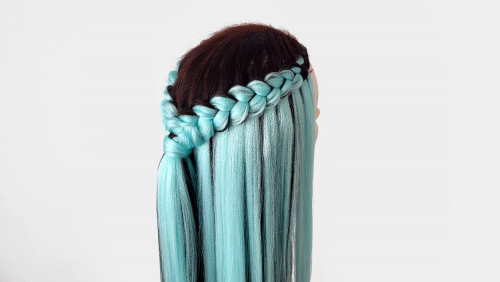
Dutch braids are raised three-strand braids created by crossing the outer strands under the center strand while adding hair into the braid as it moves along the scalp. This underhand motion makes the braid sit on top of the hair instead of blending into it. The result is a clean, sculpted, highly visible braid with strong texture and structure.
This technique is often described as the reverse version of a French braid. A French braid usually sits flatter because the strands cross over the center. A Dutch braid rises outward because the strands cross underneath. That raised effect is what makes Dutch braids so popular in modern hairstyling.
Dutch braids can be worn as one braid, two braids, side braids, crown braids, ponytail braids, festival braids, kids’ styles, athletic styles, or extension-based protective looks. They can be sleek and polished, soft and romantic, bold and sporty, or creative and editorial depending on sectioning, tension, braid size, accessories, and finish.
What Are Dutch Braids?
Dutch braids are scalp braids made with a three-strand underhand technique. The stylist begins with a section of hair, divides it into three strands, and crosses the outside strands under the middle strand while adding new hair from each side as the braid travels across the scalp.
The braid can move straight back, diagonally, around the crown, toward a ponytail, or along the side of the head. Because the braid sits raised, the pattern is easy to see from different angles. This makes Dutch braids one of the most visually recognizable braid styles.
Dutch braids can be created with natural hair only or with added braiding hair for length, thickness, and color. They can be tight and clean for a sporty look or gently loosened for a fuller, softer finish.
The defining feature is the raised braid structure. If the braid is attached to the scalp and sits on top of the hair, it is usually a Dutch braid or a Dutch-based variation.
Dutch Braids vs. French Braids
Dutch braids and French braids use the same basic three-strand foundation, but the strand direction is different. In a French braid, the outside strands cross over the center strand. This creates a braid that appears more blended into the hair.
In a Dutch braid, the outside strands cross under the center strand. This creates a braid that stands out on top of the hair. The braid looks more raised, defined, and textured.
French braids often feel soft, classic, and smooth. Dutch braids feel bolder, more sculpted, and more graphic. Both techniques can be used for everyday styling, protective styling, kids’ hair, athletic looks, and formal designs, but the visual effect is different.
A simple way to understand the difference: French braids are woven into the hair; Dutch braids look lifted above the hair.
Why Dutch Braids Are Popular
Dutch braids are popular because they are secure, visible, and versatile. The raised structure makes the braid stand out clearly, even on dark hair or textured hair. This gives the style a strong visual presence without needing complicated accessories.
The technique is also practical. Dutch braids keep hair controlled and away from the face, which makes them useful for sports, workouts, school, work, travel, and busy daily routines. They can stay neat for hours and sometimes for several days depending on hair texture and styling method.
Dutch braids also work well with creative styling. They can be expanded for volume, paired with curls, connected into buns, used in half-up styles, combined with extensions, or decorated with beads, cuffs, ribbons, thread, or hair jewelry.
The style can be simple enough for beginners and strong enough for professional salon work.
Common Types of Dutch Braids
A single Dutch braid runs from the front or crown of the head toward the back. It creates one strong raised braid line.
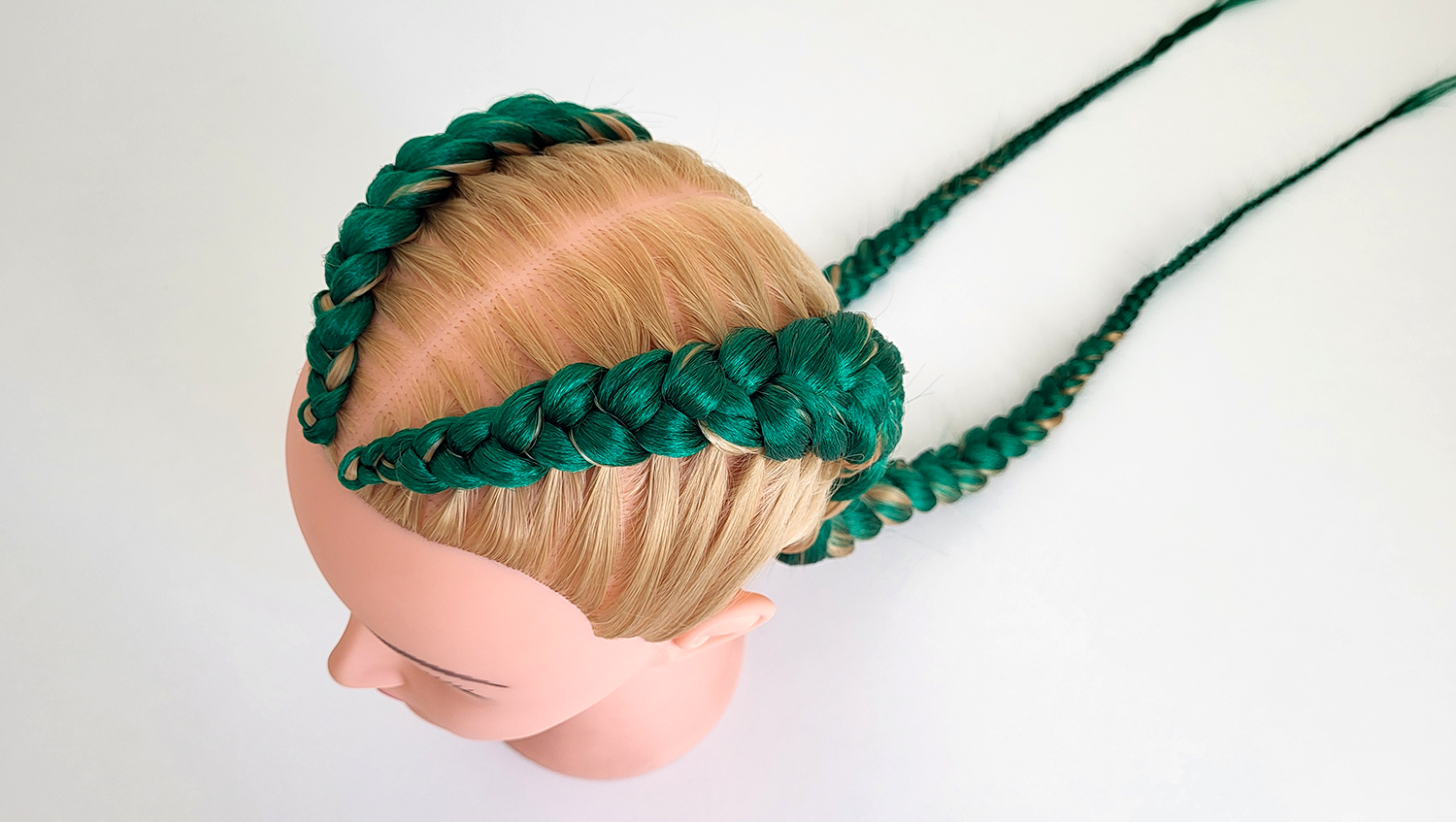
Double Dutch braids use two braids, usually one on each side of the head. This is one of the most popular versions because it is balanced, sporty, and easy to wear.
Side Dutch braids move along one side of the head and can be combined with loose hair, ponytails, or buns.
Dutch braid pigtails create two raised braids that continue down both sides. They are popular for kids, athletic styles, and casual looks.
Dutch braid ponytails use Dutch braids at the scalp that lead into one ponytail. This can look sleek, powerful, and modern.
Dutch braid buns combine raised braids with one or two buns. This creates a controlled updo with visible braid texture.
Dutch crown braids wrap around the head to create a halo or crown effect.
Dutch braids with extensions add length, volume, color, and stronger visual impact.
Double Dutch Braids
Double Dutch braids are one of the most recognizable Dutch braid styles. The hair is usually divided into two sections with a center part, then each side is braided from the front hairline toward the nape or down the length.
This style is popular because it is symmetrical, secure, and practical. It works for workouts, school, festivals, travel, protective styling, and everyday wear. It can look clean and sporty when braided tightly or soft and romantic when the braids are loosened.
Double Dutch braids can be done with natural hair only or with synthetic hair added using a feed-in method. Extensions can create longer braids, thicker sections, or temporary color.
The center part should be clean and balanced. Uneven sectioning can make the braids look mismatched. The tension should also be even on both sides so the style feels comfortable and looks polished.
Dutch Braids with Natural Hair
Dutch braids can be created with natural hair only. This version is lightweight and useful for many hair types. Straight hair shows the braid pattern clearly. Wavy hair creates a softer look. Curly hair adds volume. Coily or kinky hair can create a beautiful textured Dutch braid when properly prepared.
Before braiding, the hair should be detangled. Depending on hair type, the stylist may use water, leave-in conditioner, gel, mousse, cream, or light oil to help control frizz and support clean sectioning.
Natural-hair Dutch braids can be worn as a temporary style, a low-manipulation style, a workout style, or a base for braid-outs. When the braids are taken down, the hair may hold a waved or stretched texture.
A natural Dutch braid should feel secure but not tight. The raised shape should come from technique, not from pulling the hair too hard.
Dutch Braids with Extensions
Extensions can make Dutch braids longer, thicker, and more dramatic. Synthetic braiding hair is often added gradually as the braid moves along the scalp. This is similar to a feed-in technique and helps create a smooth transition from natural hair into extension length.
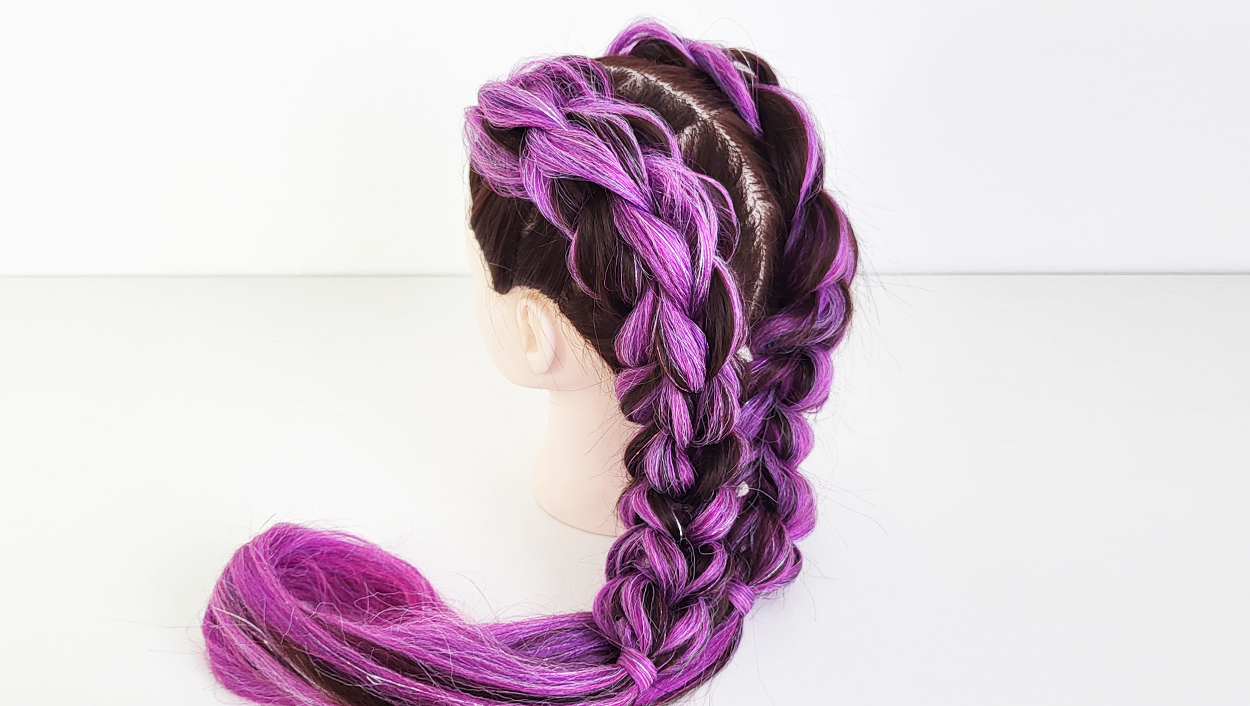
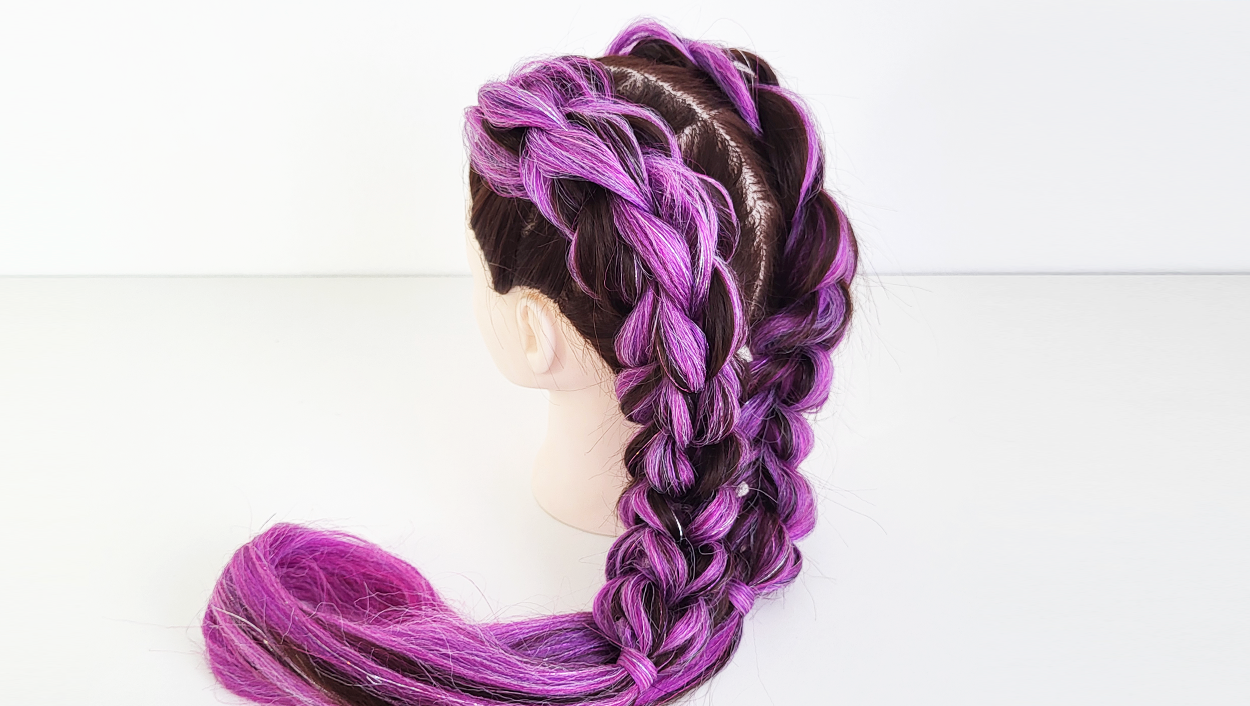
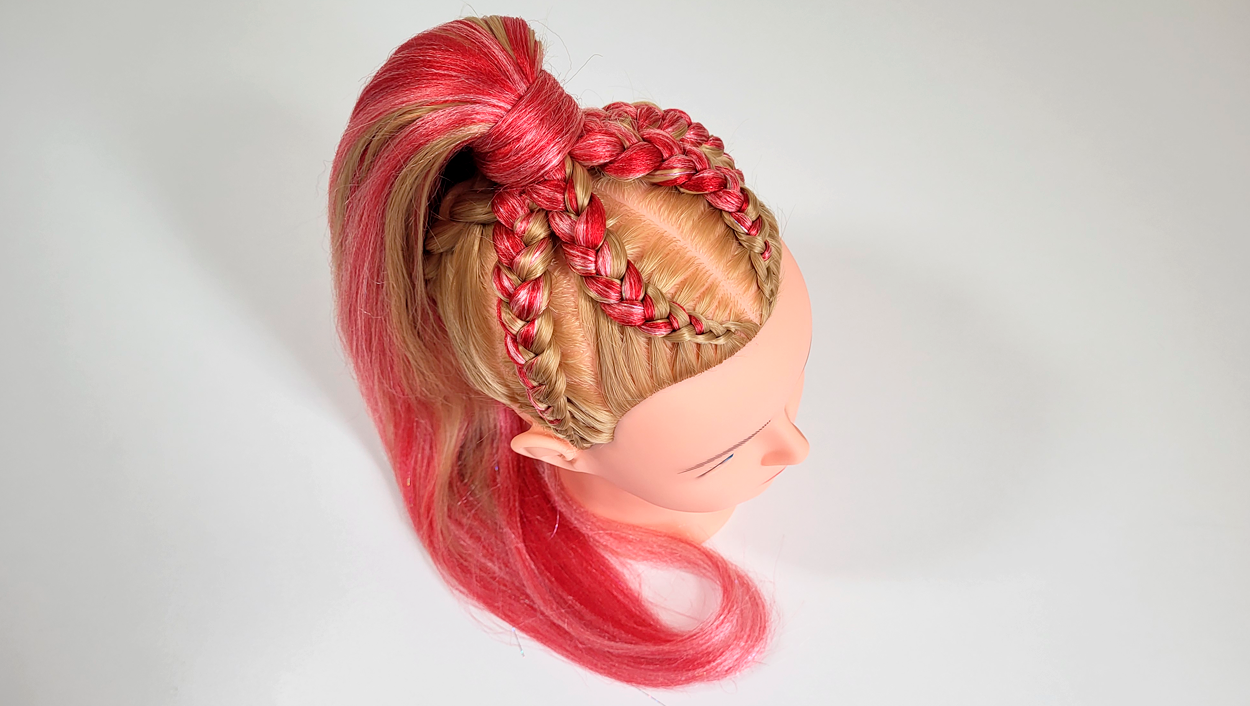
Dutch braids with extensions are popular for clients who want bold length, bright color, or a stronger braid shape. The added hair can be natural black, brown, blonde, copper, burgundy, ombré, pink, purple, blue, green, or mixed custom shades.
Extensions can also help clients with shorter or finer hair achieve a fuller braid look. However, the amount of added hair must be balanced. Too much extension hair can make the braid heavy and create tension at the scalp.
A professional Dutch braid with extensions should look smooth at the start, full through the length, and comfortable at the root.
Dutch Braids vs. Cornrows
Dutch braids and cornrows can look related because both are braided close to the scalp. The difference is usually size, cultural context, braid structure, and styling purpose.
Dutch braids are often larger raised scalp braids created with an underhand three-strand technique. They may be one braid, two braids, or a few large braids.
Cornrows are also scalp braids, but they are traditionally associated with African and African diaspora braiding practices and are often created in smaller, tighter rows with many possible patterns. Cornrows can be straight-back, curved, zigzag, creative, or highly detailed.
A Dutch braid may be used in general hairstyling across many hair types. Cornrows carry specific cultural and technical history. In professional writing and salon work, it is important not to erase that distinction.
Both styles require sectioning, tension control, and clean hand movement. Both should be done comfortably and respectfully.
Dutch Braids for Protective Styling
Dutch braids can function as a protective or low-manipulation style when installed with proper care. The hair is gathered and controlled, which can reduce daily brushing, heat styling, and friction.
However, Dutch braids are usually less long-term than many smaller protective braid styles. A natural-hair Dutch braid may last one day to a few days. Dutch braids with extensions may last longer depending on technique, hair texture, and maintenance.
The style is only protective if the braids are not too tight and do not create tension around the hairline, temples, crown, or nape. Heavy extensions can also reduce the protective value if they pull on the scalp.
A healthy Dutch braid style should feel comfortable, keep the hair organized, and be removed gently.
Dutch Braids for Kids
Dutch braids are very popular for kids because they are cute, secure, and versatile. They can be worn as one braid, two braids, pigtails, ponytail braids, crown braids, or braided buns.
Kids’ Dutch braids can be decorated with bows, ribbons, colorful elastics, beads, barrettes, clips, or glitter parts. The style works for school, dance, sports, birthdays, holidays, performances, and photos.
Comfort is the main priority. Children’s scalps can be sensitive, so the braids should not be too tight. The style should not pull at the hairline or cause headaches.
A good kids’ Dutch braid style should be neat enough to last through movement but gentle enough for daily comfort.
Dutch Braids for Adults
For adults, Dutch braids can look sporty, polished, romantic, edgy, or editorial. A single Dutch braid can feel classic and practical. Double Dutch braids can feel youthful, athletic, or festival-ready. A Dutch braid crown can feel elegant and romantic. A Dutch braid ponytail can look sleek and powerful.
Adults often choose Dutch braids for workouts, travel, casual styling, vacation hair, content creation, and event looks. The style keeps hair controlled while still showing braid detail.
Dutch braids can also be dressed up with extensions, curls, accessories, or clean finishing. A simple Dutch braid can become a formal style when pinned into a bun or expanded into a soft crown shape.
The best version depends on hair length, texture, lifestyle, and desired level of polish.
Dutch Braids for Men
Dutch braids can also be used in men’s hairstyling, especially for medium to long hair. They can be worn as a single braid, double braids, side braids, top-section braids, or braids combined with fades, undercuts, or long loose hair.
Men’s Dutch braids can look clean, athletic, rugged, or fashion-forward depending on placement and finish. They are useful for controlling long hair during work, training, sports, or daily activity.
The style can also be combined with Viking-inspired braids, braided ponytails, or undercut looks. A raised Dutch braid on the top section can create a strong silhouette.
The braid should still be comfortable and should not pull tightly at the scalp or hairline.
Dutch Braids for Sports and Active Styling
Dutch braids are one of the strongest braid choices for active lifestyles because they hold hair close to the head while keeping the braid visible and secure. Double Dutch braids are especially popular for workouts, boxing, dance, running, gymnastics, and sports.
The style keeps hair away from the face and neck. It can reduce tangling during movement and help maintain control without relying on loose ponytails.
For sports, the braid should be secure but not painfully tight. Too much tension can cause scalp discomfort, especially when the head moves or sweats.
A good athletic Dutch braid should stay in place, feel lightweight, and allow movement without pulling.
Dutch Braids for Events and Festivals
Dutch braids are popular for festivals and events because they combine structure with style. The raised braid is visible, photogenic, and easy to decorate.
Festival Dutch braids may include colored extensions, glitter parts, rings, cuffs, thread, beads, ribbons, or metallic accessories. The braids can be worn as double Dutch braids, half-up braids, ponytail braids, or braided space buns.
For event styling, Dutch braids can be softened by loosening the braid edges and adding curls or waves. This creates a romantic, boho, or bridal-inspired effect.
The style should be built for comfort. Long events require braids that hold well without creating scalp pain or heaviness.
Parting and Sectioning
Parting is important in Dutch braids because it controls the overall shape. A center part creates balance for double Dutch braids. A side part creates a softer or more asymmetrical look. Diagonal parting adds movement. Curved parting can create a crown or side-swept effect.
Clean sectioning makes the style look polished. Uneven sections can make the braid drift, twist, or lose symmetry. The stylist should plan the braid path before beginning.
For double Dutch braids, the two sides should have similar density. If one side has much more hair than the other, the braids may look uneven.
Section control also affects comfort. The hair should be gathered smoothly into the braid without pulling small sections too tightly.
Tension and Braid Expansion
Dutch braids require controlled tension. The braid should be secure enough to hold its raised shape, but not so tight that it causes pain or stress. The best Dutch braids feel stable but comfortable.
Braid expansion is often used to make Dutch braids look fuller. After braiding, the stylist gently pulls the outer edges of the braid. This technique is sometimes called pancaking. It creates width, softness, and volume.
Expansion should be done gradually. Pulling too hard can loosen the braid too much or create uneven loops. The goal is fullness without losing structure.
Tension and expansion work together. A braid that is too loose may collapse when expanded. A braid that is too tight may not expand well and may feel uncomfortable.
Dutch Braids with Color
Color can make Dutch braids more visible and expressive. Highlights, balayage, ombré, or fashion shades can all show beautifully because the raised braid exposes different layers of color.
Extensions are often used for temporary color. A client can add pink, purple, blue, green, copper, blonde, silver, or rainbow tones without dyeing the natural hair.
Color placement can be subtle or bold. A few colored strands in the braid can create dimension. Full-color extensions can create a statement look. Two-tone Dutch braids can make the braid pattern stand out even more.
The stylist should place color intentionally so it supports the braid shape rather than making the style look uneven.
Accessories for Dutch Braids
Dutch braids can be customized with accessories. Beads add movement. Cuffs add shine. Ribbon adds softness and color. Thread adds texture. Rings and chains create an edgier finish. Flowers or pearls can make the style romantic.
Accessories should be matched to the braid size and occasion. Small cuffs can highlight braid sections. Ribbons can be woven through the braid. Hair jewelry can be placed near the crown or along the braid line.
Heavy accessories should be used carefully because they can pull on the braid or snag the hair. Smooth, lightweight pieces are best for comfort.
The accessories should enhance the braid, not hide the raised structure.
Professional Technique Details
A professional Dutch braid starts with clean preparation. The hair should be detangled, sectioned, and controlled enough for smooth braiding. Product choice depends on hair texture and desired finish.
The stylist divides the starting section into three equal strands. Each outer strand crosses under the center strand. As the braid moves, new hair is added from each side before crossing under. This pattern continues along the planned braid path.
Consistency is key. The added sections should be similar in size so the braid looks even. The hand position should keep the braid centered. The tension should remain steady from beginning to end.
If extensions are used, they should be added smoothly and gradually. The braid should not suddenly become bulky. The final braid should taper or finish cleanly depending on the style.
A polished Dutch braid should look raised, balanced, secure, and comfortable.
Maintenance and Wear
Wear time depends on hair texture, braid tightness, product use, extension use, and lifestyle. A natural-hair Dutch braid may last one day or a few days. Extension Dutch braids may last longer if installed carefully.
At night, the style can be protected with a satin or silk scarf, bonnet, or pillowcase. This helps reduce frizz and preserve the braid shape.
The wearer should avoid excessive touching or pulling on the braid. If the braid has been expanded for volume, rough handling can loosen the structure.
If the braid becomes painful, too tight, itchy, or uncomfortable, it should be loosened or removed. A braid should not cause scalp soreness or bumps.
Removal should be gentle. The braid should be undone from the ends upward, and any elastics or accessories should be removed carefully.
Dutch Braids and Braid-Outs
Dutch braids can also be used to create braid-out texture. When the braids are worn for a period of time and then taken down, the hair may hold a waved pattern.
The final braid-out depends on hair type, braid size, product use, drying time, and takedown method. Larger Dutch braids create softer waves. Smaller Dutch braids create more defined texture.
The hair should be dry before unraveling if the goal is a clean pattern. A lightweight oil or serum on the fingers can reduce frizz during takedown.
This makes Dutch braids useful not only as a finished style, but also as a styling method for creating texture without heat.
Dutch Braids in Modern Beauty Culture
Dutch braids remain popular because they are practical, photogenic, and easy to adapt. They appear in everyday hairstyling, sports hair, festival beauty, kids’ styles, bridal looks, men’s grooming, content tutorials, and salon education.
The raised braid structure is especially strong for video tutorials because viewers can clearly see the strand movement and final pattern. This makes Dutch braids one of the most taught and searched braid techniques.
In professional styling, Dutch braids show control over sectioning, underhand braiding, tension, and shape. They can be simple, but a clean Dutch braid still requires skill.
The technique continues to evolve through extensions, color, accessories, hybrid styles, and creative parting.
Why Dutch Braids Matter
Dutch braids matter because they are one of the most important raised braid techniques in modern hairstyling. They are simple enough to learn early, but versatile enough to support advanced creative work.
For clients, Dutch braids offer control, beauty, movement, and style flexibility. For stylists, they build essential skills in underhand braiding, sectioning, tension, and braid direction.
When done well, Dutch braids look clean, raised, balanced, and intentional. They prove that a classic braid technique can stay fresh, functional, and powerful across generations of beauty styling.