
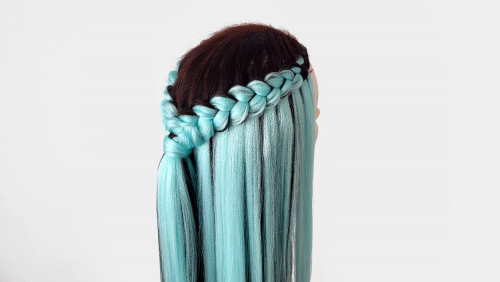
Elven Braids: Ethereal Braid Styling With Fantasy Detail, Soft Structure, and Elegant Movement
Elven braids are fantasy-inspired braided hairstyles designed to look graceful, delicate, and slightly otherworldly. The style is often associated with soft movement, long flowing hair, fine accent braids, half-up shapes, crown-like details, and decorative finishing. Unlike heavy protective braid sets or tight scalp designs, elven braids usually focus on light structure and romantic visual flow.
In modern beauty culture, elven braids are not one fixed historical braid technique. The term describes a styling mood inspired by fantasy literature, film imagery, woodland aesthetics, medieval-inspired beauty, ethereal fashion, and editorial hairstyling. The finished look often feels elegant, magical, soft, and intentional.
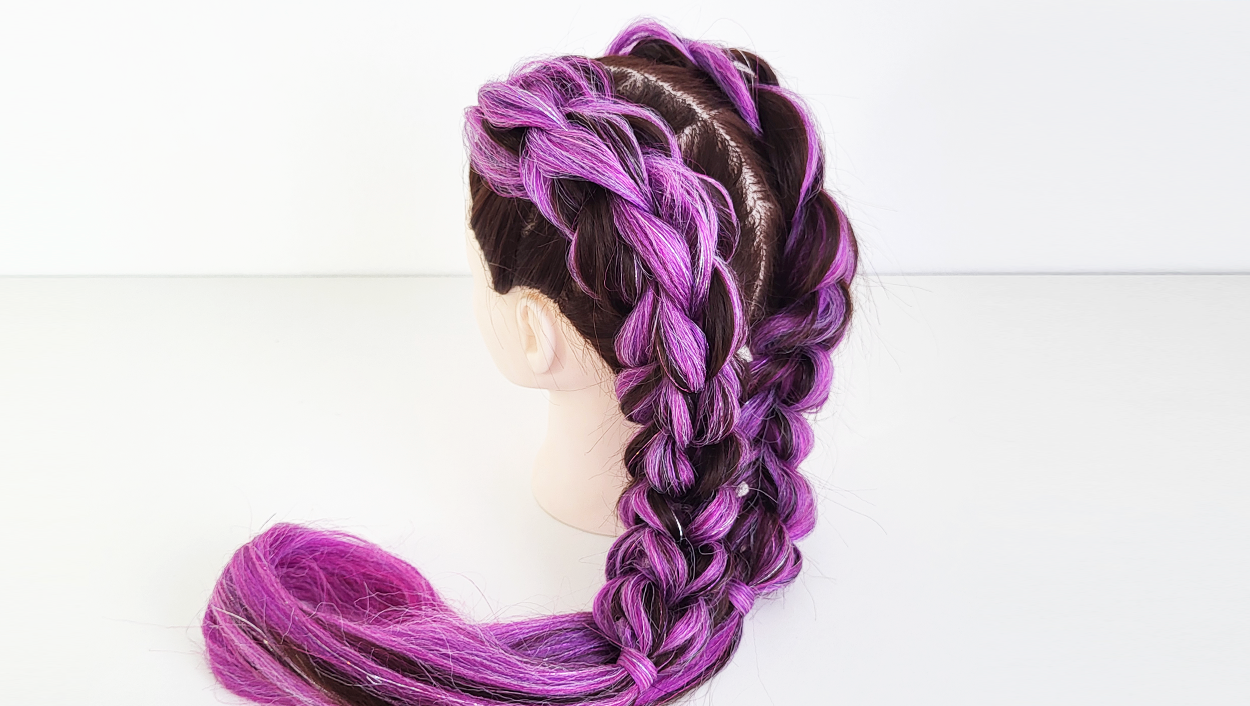
Elven braids can be created with natural hair only or with extensions for length, volume, color, and texture. They may include three-strand braids, lace braids, waterfall braids, Dutch braids, fishtail braids, rope twists, crown braids, small side braids, or braided headband details. The goal is not maximum tightness or heavy volume. The goal is beauty, movement, and refined fantasy detail.
What Are Elven Braids?
Elven braids are braided hairstyles inspired by fantasy characters and ethereal beauty styling. They often combine loose hair with small braids or soft braided sections. The braids may frame the face, wrap around the crown, run through loose waves, or connect into a half-up design.
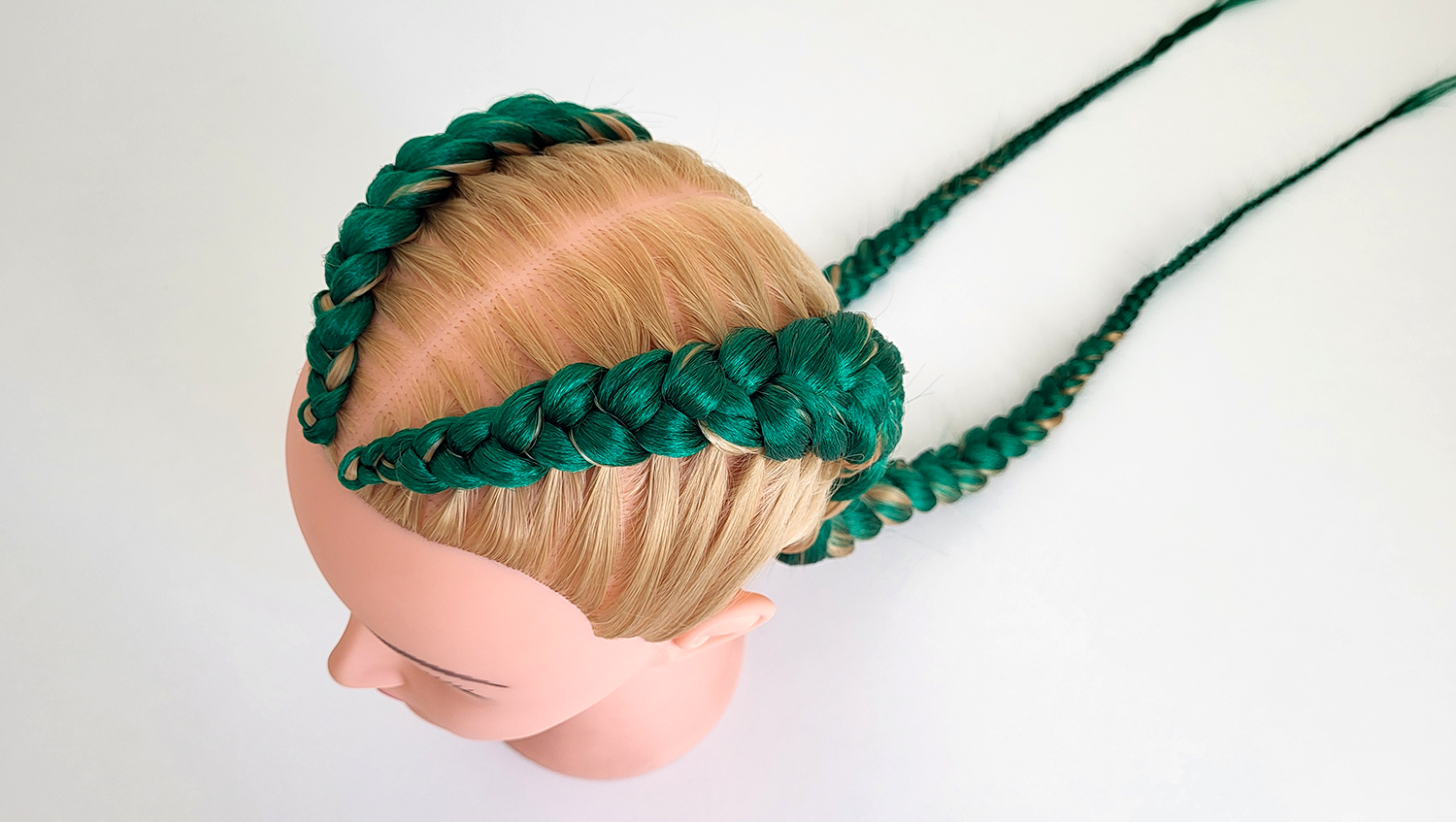
A typical elven braid style may include two small side braids joined at the back, a delicate crown braid over loose waves, a center braid with side accents, or a combination of fishtail braids and soft curls. The style usually feels lighter and more romantic than warrior-inspired braid looks.
The defining feature is the mood. Elven braids should look graceful, balanced, and slightly magical. They are usually more polished than messy boho braids but softer than formal updos. The braids should enhance the hair’s natural flow instead of overpowering it.
Why Elven Braids Stand Out
Elven braids stand out because they create detail without making the hairstyle feel heavy. Small braids can add structure while the rest of the hair remains loose, soft, and flowing. This makes the style ideal for long hair, waves, curls, extensions, and color dimension.
The style is also highly customizable. A few tiny accent braids can create a subtle elven effect. A full crown braid with waves can look more dramatic. Fishtail details can make the style feel intricate. Ribbons, cuffs, pearls, flowers, or metallic thread can shift the look toward bridal, fantasy, festival, or editorial styling.
Elven braids are especially visual because they work with movement. The hair does not need to be fully controlled. Loose lengths, face-framing pieces, and soft texture are part of the beauty.
The style feels designed but not rigid.
Common Types of Elven Braids
A half-up elven braid uses small side braids or twists that meet at the back while the rest of the hair remains loose. This is one of the most wearable versions.
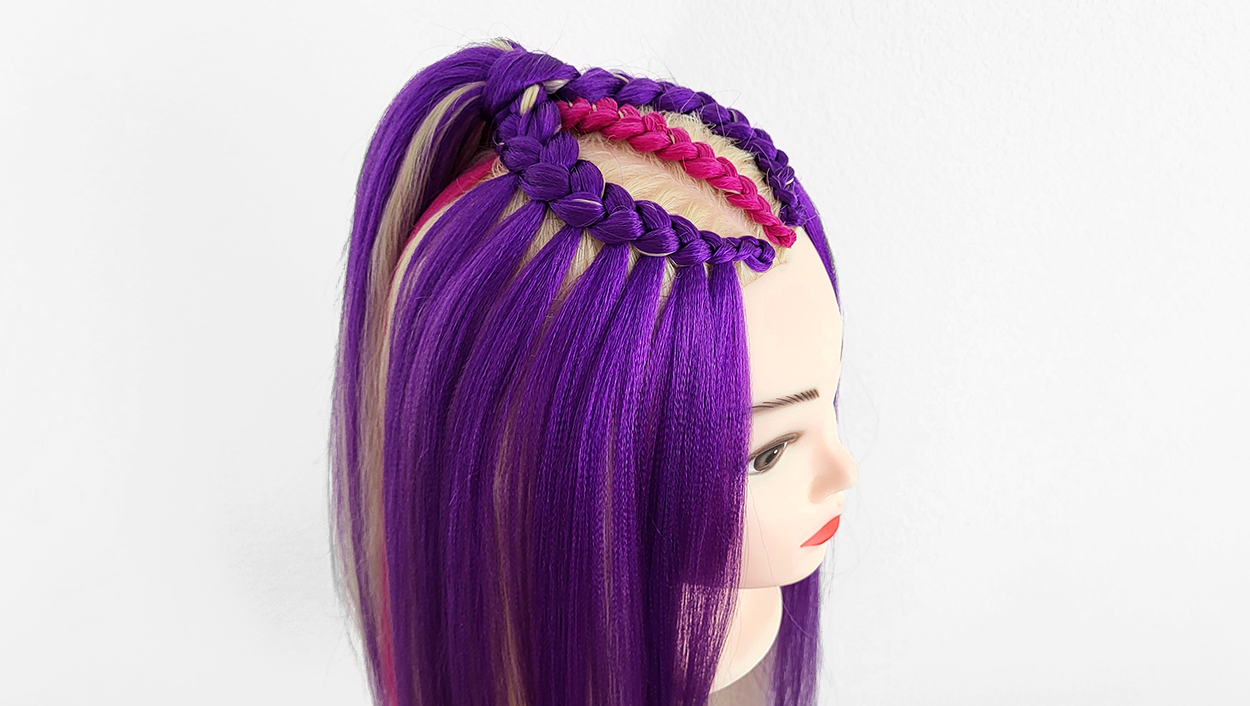
An elven crown braid wraps around the head or upper section to create a soft halo effect. It can be delicate or more dramatic depending on braid size.
Elven side braids use small braids near the temples or behind the ears to frame the face and create fantasy-inspired detail.
Elven waterfall braids release strands through the braid to create a cascading effect, often paired with waves or curls.
Elven fishtail braids use fishtail texture for a more intricate, delicate finish.
Elven braided headbands use braids across the top of the head to create a natural hair accessory.
Elven braids with extensions add length, fullness, color, or fantasy tones such as silver, ash blonde, copper, pastel pink, lavender, or icy blonde.
Elven Braids vs. Viking Braids
Elven braids and Viking braids are both fantasy-inspired braid categories, but the mood is different. Viking braids usually feel stronger, rougher, more textured, and warrior-like. They often use large Dutch braids, side braids, braided mohawks, fishtails, metal cuffs, leather cords, and rugged texture.
Elven braids usually feel softer, lighter, and more graceful. They often use small accent braids, crown shapes, loose waves, delicate twists, soft parting, and refined accessories.
Viking braids often focus on power and structure. Elven braids focus on elegance and flow.
Both styles can include fantasy details and multiple braid techniques, but the final visual language is different. Viking braids look bold and grounded. Elven braids look ethereal and refined.
Elven Braids vs. Boho Braids
Elven braids and boho braids can overlap because both may include loose hair, soft texture, and decorative details. The difference is usually in the finish.
Boho braids often look relaxed, beachy, undone, or free-spirited. They may include messy texture, loose curls, imperfect braids, and casual styling.
Elven braids usually feel more refined and intentional. The texture can be soft, but the placement is often cleaner. The style may include symmetry, crown-like placement, delicate braid lines, and fantasy-inspired accessories.
Boho braids feel earthy and effortless. Elven braids feel graceful and magical.
A style can be both boho and elven if it combines relaxed waves with elegant braid placement and delicate accessories.
Elven Braids with Natural Hair
Elven braids can be created with natural hair only, especially when the hair has enough length to show movement and braid detail. Medium to long hair usually works best, but shorter hair can still support small side braids or half-up accent braids.
Straight hair gives the style a clean, sleek fantasy finish. Wavy hair creates softness and movement. Curly hair adds volume and romance. Coily or highly textured hair can be styled into elven-inspired braids with stretching, twist details, cornrow accents, or texture-specific braid placement.
Natural-hair elven braids are usually temporary styles. They are often worn for events, photoshoots, festivals, weddings, fantasy-themed styling, or creative everyday looks.
The style should feel comfortable and light. Elven braids depend on delicacy, not tightness.
Elven Braids with Extensions
Extensions can help create the long, flowing shape often associated with elven braid styling. Clip-in extensions, synthetic braiding hair, ponytail extensions, or color pieces can add length, fullness, and visual drama.
Extensions are especially useful when the client wants long waves with small braid details. They can also help create a fuller crown braid, longer fishtail, or more dramatic half-up braid.
Color can strengthen the fantasy effect. Silver, platinum, ash blonde, soft brown, copper, rose gold, lavender, pale pink, icy blue, or ombré tones can make the style feel more magical. Natural colors can keep the look elegant and wearable.
The extensions should blend smoothly with the natural hair. If the texture or color does not match the design, the style can look disconnected. The goal is seamless movement.
Elven Braids with Waves and Curls
Waves and curls are one of the strongest partners for elven braids. Loose texture gives the style movement and softness. It also helps small braids look more dimensional.
Soft waves can create a romantic fantasy finish. Defined curls can make the style fuller and more dramatic. Loose brushed-out curls can create a storybook or bridal effect.
The braids may sit on top of the waves, run through them, or pull small sections away from the face. The loose hair should not look accidental. It should support the braid placement and final shape.
A good elven braid style balances the braid detail with the flowing hair. The braid should be visible, but the loose texture should remain part of the design.
Elven Braids for Weddings and Formal Events
Elven braids are popular for weddings, engagement photos, fantasy-themed ceremonies, prom styling, and formal events because they look romantic without feeling overly stiff. They can frame the face beautifully while keeping the hairstyle soft.
A bride may choose an elven crown braid with loose waves, pearl pins, small flowers, or delicate metallic thread. A bridesmaid may wear a half-up elven braid with soft curls. A formal guest may choose a side braid detail with polished waves.
The style works well with veils, floral crowns, hair vines, pearl clips, and delicate jewelry. It can also complement lace, silk, embroidered fabrics, and soft makeup.
For formal work, the braid placement should be clean, the loose hair should be shaped, and the accessories should feel balanced.
Elven Braids for Festivals and Fantasy Styling
Elven braids are also popular for festivals, Renaissance fairs, cosplay, fantasy shoots, themed events, and creative content. The style fits naturally with fantasy fashion because it creates a character-like effect without needing a full costume.
Festival versions may include metallic thread, small rings, charms, colored extensions, ribbons, flowers, or glitter. More dramatic fantasy versions may include long silver hair, multiple layered braids, pointed crown shapes, or braided headpieces.
The style can feel woodland, royal, celestial, medieval, fairy-inspired, or editorial depending on accessories and texture.
Comfort still matters. A festival or costume style may be worn for many hours, so the braids should not pull and accessories should not snag.
Elven Braids for Kids
Elven braids can be beautiful for kids, especially for birthdays, costumes, school events, performances, themed parties, holidays, or creative photo sessions. The style can feel magical without being too complicated.
Kids’ versions may include two small side braids, a braided crown, a half-up braid, ribbon details, soft curls, flower clips, or tiny sparkle accessories.
The braid should be gentle. Children’s scalps can be sensitive, so the style should not be tight around the temples, hairline, or crown. Accessories should be lightweight and safe.
A good kids’ elven braid style should feel cute, comfortable, and easy to remove.
Elven Braids for Adults
For adults, elven braids can look elegant, romantic, fantasy-inspired, editorial, or soft bohemian. The style works well for clients who want braid detail without a full protective braid installation.
Adults may choose elven braids for weddings, date nights, festivals, photoshoots, vacations, fantasy events, or beauty content. The style can be subtle enough for everyday wear or dramatic enough for a themed look.
A simple half-up elven braid can feel polished and wearable. A layered crown braid with waves can feel more formal. A silver-toned fishtail braid with accessories can feel high-fashion or fantasy-inspired.
The best version depends on hair length, texture, face shape, occasion, and desired level of drama.
Parting and Placement
Placement is essential in elven braids. The style usually looks best when the braids are positioned to frame the face, crown, or length of the hair. Small braids near the temples can create a delicate face-framing effect. A crown braid can make the style feel regal. A center braid can add structure.
Symmetry often works well for elven looks because it creates balance and elegance. However, asymmetrical placement can also look beautiful when the design is intentional.
The parting should feel soft, not harsh, unless the style is editorial. Loose sections around the face can make the look more romantic. Clean parting can make it more polished.
The braid placement should support the client’s face shape and hair density. Too many small braids can make the look busy. Too few may not create enough fantasy detail.
Accessories for Elven Braids
Accessories help define the elven mood. Pearls, small flowers, delicate chains, metallic thread, hair vines, cuffs, rings, ribbons, crystals, and leaf-inspired clips all work well.
Gold accessories create a warm regal effect. Silver accessories create a cooler fantasy or celestial look. Flowers make the style romantic and woodland-inspired. Ribbons create softness. Pearls make the style bridal and elegant.
Accessory placement should be delicate. Elven braids usually look best when accessories enhance the braid instead of overpowering it. A few well-placed details can be more effective than too many decorations.
Accessories should be lightweight and smooth so they do not pull or snag the hair.
Professional Technique Details
A professional elven braid style begins with a clear design plan. The stylist should decide whether the final look will be half-up, crown-shaped, side-focused, loose, formal, or editorial.
Hair preparation depends on the desired texture. Smooth styles may need blow-drying or smoothing products. Wavy styles may need curling, setting, or texture spray. Curly styles may need definition and frizz control.
The braids should be clean but not stiff. Small accent braids require consistent strand size. Crown braids require balanced placement. Waterfall or lace details require clean strand control.
If extensions are used, they should be blended carefully. The added hair should support length and shape without looking bulky.
The final style should be checked from the front, sides, back, and top. Elven braids rely on flow, so the full silhouette matters.
Maintenance and Wear
Elven braids are usually short-term styles. They are commonly worn for one day, an event, a photoshoot, or a festival. Some simpler versions may last into the next day if protected properly.
To maintain the style, the wearer should avoid excessive touching, brushing, wind exposure, and heavy products. A light finishing spray can help hold the braid and loose texture.
At night, a satin or silk pillowcase can reduce friction, but soft waves and delicate braids may need refreshing the next day.
Removal should be gentle. Small elastics, pins, ribbons, flowers, and accessories should be removed carefully before the braids are undone.
The style should not feel tight or heavy. If there is pulling near the temples or crown, it should be loosened.
Styling Options
Elven braids can be styled in many ways. A half-up style with two side braids is simple and wearable. A crown braid with waves creates a regal look. A fishtail accent braid adds fine texture. A waterfall braid creates movement. A braided headband gives the effect of a natural accessory.
The style can be paired with soft curls, long waves, straight sleek hair, loose tendrils, buns, ponytails, or decorative pins. It can also be combined with fantasy colors, subtle highlights, or extension pieces.
For a minimal look, one or two tiny braids may be enough. For a dramatic look, multiple braids can layer across the crown and length.
The best styling choice depends on the client’s hair, occasion, comfort, and desired fantasy level.
Elven Braids in Modern Beauty Culture
Elven braids remain popular because they connect hairstyling with imagination. They are part of a wider beauty trend where clients want styles that feel emotional, character-driven, and visually memorable.
The style appears in bridal hair, fantasy content, cosplay, Renaissance fairs, festival beauty, editorial shoots, social media tutorials, and everyday romantic styling. It is especially popular because it can be adapted from subtle to dramatic.
In professional beauty work, elven braids show a stylist’s ability to create softness and structure at the same time. The braids must be visible, but they should not overpower the flow of the hair.
Elven braids prove that fantasy styling can still feel elegant, wearable, and refined.
Why Elven Braids Matter
Elven braids matter because they show how braiding can create atmosphere. The style is not only about technique; it is about mood, movement, and storytelling.
For clients, elven braids offer softness, beauty, and fantasy-inspired self-expression. For stylists, they offer a way to combine braid control, texture work, accessory placement, and visual design.
When done well, elven braids look graceful, balanced, comfortable, and intentional. They turn simple braid details into an elegant beauty statement with a magical edge.