
Fulani Braids: Iconic Pattern Braiding With Face-Framing Detail, Cultural Roots, and Modern Beauty Style
Fulani braids are a distinctive braided hairstyle known for their patterned scalp braids, face-framing details, and decorative accents such as beads, cuffs, cowrie shells, rings, or thread. The style is strongly associated with Fulani cultural beauty traditions from West Africa, where braided patterns and adornments have long carried aesthetic, social, and cultural meaning.
In modern hairstyling, Fulani braids are widely recognized for a signature layout: a braid or parting detail through the center, cornrows or feed-in braids along the scalp, side braids near the temples, and often one or more braids directed forward toward the face. The look can be simple and elegant or highly decorative depending on braid size, parting, length, color, and accessories.
Fulani braids are popular because they combine structure and movement. The scalp braids create a clean pattern, while the hanging braids, beads, and accessories add personality. The style can be worn as a protective look, a fashion statement, a vacation hairstyle, a cultural beauty expression, or a polished salon design.
What Are Fulani Braids?
Fulani braids are braided styles inspired by traditional Fulani hairstyling aesthetics. The modern version usually combines cornrows or feed-in braids at the scalp with individual braids that hang freely. Decorative elements such as beads, shells, cuffs, or rings are often added to the ends or placed throughout the style.
One of the most recognizable features is the forward-facing braid near the hairline or temple. Another common feature is a center braid or center part that creates symmetry through the top of the head. Side braids may frame the face, while the back can include box braids, knotless braids, or loose hanging braids.
Fulani braids are not one single fixed pattern. They are a family of styles built around cultural inspiration, scalp design, face-framing braids, and ornamentation.
The defining feature is the combination of braided pattern and decorative identity. Fulani braids are not only about length; they are about placement, detail, and visual storytelling.
Why Fulani Braids Stand Out
Fulani braids stand out because they frame the face beautifully. The braid placement often draws attention to the forehead, cheekbones, eyes, and jawline. Beads or shells near the face add movement and visual focus.
The style also has a strong silhouette. The scalp pattern can be clean and geometric, while the hanging braids create softness and length. This balance makes Fulani braids both structured and wearable.
Another reason Fulani braids are popular is their ability to combine heritage and modern styling. They can be created in natural shades for a traditional or elegant finish, or customized with color, curls, knotless techniques, stitch details, and contemporary accessories.
Fulani braids photograph well because the design is visible from multiple angles. The front, sides, top, and back all carry styling detail.
Cultural Roots and Modern Interpretation
Fulani braids are inspired by the beauty traditions of the Fulani people, a large ethnic group with communities across several West African countries. Traditional hairstyles often used braids, beads, shells, coins, and other adornments to express beauty, identity, age, status, and cultural belonging.
Modern Fulani braids are a contemporary salon and fashion interpretation of those visual traditions. Today, the style appears in natural hair communities, protective styling, celebrity beauty, editorial fashion, social media tutorials, and everyday braid services.
Because the style has cultural roots, it should be described with respect. Fulani braids are not just random “tribal” braids or decorative cornrows. They are connected to a specific cultural aesthetic and should be named accurately.
Modern versions may adapt the pattern, but the cultural reference remains important. A respectful approach recognizes both the historical inspiration and the creative evolution of the style.
Fulani Braids vs. Tribal Braids
Fulani braids are often discussed alongside tribal braids, but the terms are not identical. Tribal braids is a broader category that can refer to braid styles inspired by different African braid traditions, often including cornrows, decorative parting, beads, and individual braids.
Fulani braids are more specific. They are inspired by Fulani hairstyling and often include certain recognizable features, such as a center braid or part, side braids, face-framing braids, and beads or shells.
In everyday salon language, some clients may use “tribal braids” to describe Fulani-inspired styles. However, for accurate beauty writing, Fulani braids should be identified by name when the style clearly follows the Fulani braid layout.
The difference matters because naming helps preserve cultural specificity instead of flattening many African-inspired braid styles into one general label.
Fulani Braids vs. Cornrows
Fulani braids often include cornrows, but they are not the same thing as cornrows alone. Cornrows describe the technique of braiding hair close to the scalp in rows or patterns. Fulani braids describe a full hairstyle that may combine cornrows with individual braids and decorative elements.
A cornrow style can be simple straight-back rows with no beads or face-framing braids. Fulani braids usually have a more recognizable design identity, often including side details, a center feature, hanging braids, and accessories.
Cornrows are the foundation technique. Fulani braids are the design category.
This distinction is useful for clients and stylists. A client asking for cornrows may want a simple scalp braid style. A client asking for Fulani braids usually expects a specific patterned, decorated, face-framing look.
Fulani Braids vs. Feed-In Braids
Fulani braids and feed-in braids can overlap because many Fulani braid styles use feed-in technique. Feed-in braids describe the method of gradually adding extension hair into a braid for a smooth, natural-looking start.
Fulani braids describe the style layout and cultural aesthetic. A Fulani braid style may include feed-in cornrows at the front and individual braids in the back. The feed-in method helps the braids start cleanly without bulky roots.
Not all feed-in braids are Fulani braids. Two straight-back feed-in braids, for example, are feed-in braids but not necessarily Fulani braids.
The difference is simple: feed-in is a technique; Fulani braids are a style category.
Common Types of Fulani Braids
Classic Fulani braids usually include a center braid or center part, side cornrows, face-framing braids, and beads at the ends.
Fulani braids with knotless braids combine a patterned scalp section with knotless individual braids for a lighter, more flexible finish.
Fulani feed-in braids use gradual extension placement to create smooth cornrows and clean braid starts.
Fulani braids with beads emphasize decorative ends and face-framing movement.
Fulani braids with curls include loose curly pieces or curly ends for a softer boho-inspired finish.
Short Fulani braids create a lighter, shoulder-length or bob-like look.
Long Fulani braids create dramatic movement and a stronger statement.
Jumbo Fulani braids use larger braid sections for a bold, graphic finish.
Small Fulani braids create a more detailed, long-lasting, and refined look.
Fulani Braids with Beads
Beads are one of the most recognizable details in Fulani braids. They can be placed at the ends, near the face, along side braids, or throughout the style. Beads add sound, movement, weight, color, and visual identity.
Clear beads can create a clean and classic finish. Wooden beads can feel natural and earthy. Gold or metallic beads can create a polished fashion look. Bright beads can make the style playful, especially for kids or creative styling.
Bead placement should be balanced. Heavy beads can pull on the braid, especially near the hairline or on small sections. The stylist should choose bead size and quantity based on braid thickness, client comfort, and style length.
A strong beaded Fulani style should feel decorative without becoming uncomfortable.
Fulani Braids with Cowrie Shells
Cowrie shells are often used in African-inspired braid styling and can add cultural, natural, and decorative detail to Fulani braids. They may be placed near the ends, along accent braids, or around face-framing pieces.
Cowrie shells create a strong visual statement because their shape is instantly recognizable. They can make the style feel more heritage-inspired, beachy, boho, or editorial depending on placement and pairing.
Shells should be attached securely and comfortably. Heavy or sharp pieces can snag hair or pull on small braids. Smooth, lightweight shells are better for daily wear.
When used intentionally, cowrie shells can make Fulani braids look more expressive and symbolic.
Fulani Braids with Curls
Fulani braids with curls combine structured braid patterns with loose curly texture. The curls may appear at the ends, between braids, around the face, or throughout the back section. This version often overlaps with boho Fulani braids or goddess-inspired Fulani braids.
Curly pieces soften the overall look. They add movement and volume, making the style feel romantic, vacation-ready, or editorial. Water wave hair, human hair curls, or synthetic curly pieces may be used depending on the desired result.
Curly Fulani braids require more maintenance than fully braided styles. Loose curls can tangle, frizz, or lose definition if not cared for properly.
The curls should be balanced with the braid structure. Too much loose hair can hide the Fulani pattern, while a controlled amount can make the style more dimensional.
Fulani Braids with Knotless Braids
Fulani braids with knotless braids are a modern version that combines patterned front braids with knotless individual braids in the back. The knotless method creates a softer root and more flexible movement.
This style is popular because it feels lighter than some traditional installations. The front can carry the Fulani design, while the back gives the wearer the movement and styling versatility of knotless braids.
The transition between the scalp-braided section and individual braids should be clean. The parting should look intentional, and the braid sizes should feel balanced.
This version works well for clients who want the Fulani look but also want comfort, flexibility, and a more current salon finish.
Fulani Braids with Extensions
Extensions are commonly used in Fulani braids to create length, fullness, color, and consistent braid size. Synthetic braiding hair is often used because it is lightweight, available in many shades, and easy to shape into long braids.
Pre-stretched braiding hair can help create smooth, tapered ends. Curly extension pieces can create boho detail. Color extensions can add highlights, ombré, or bright accents.
The amount of extension hair should be carefully balanced. The hairline and temple areas often include small face-framing braids, which should not carry too much weight.
A professional Fulani braid installation should look full and decorative while still protecting the natural hair.
Fulani Braids with Color
Color can make Fulani braids more modern and expressive. Natural black and brown shades create a classic look. Blonde, honey, caramel, copper, and auburn tones add warmth. Burgundy, red, and ginger shades create strong depth. Silver, platinum, or white can create an editorial finish.
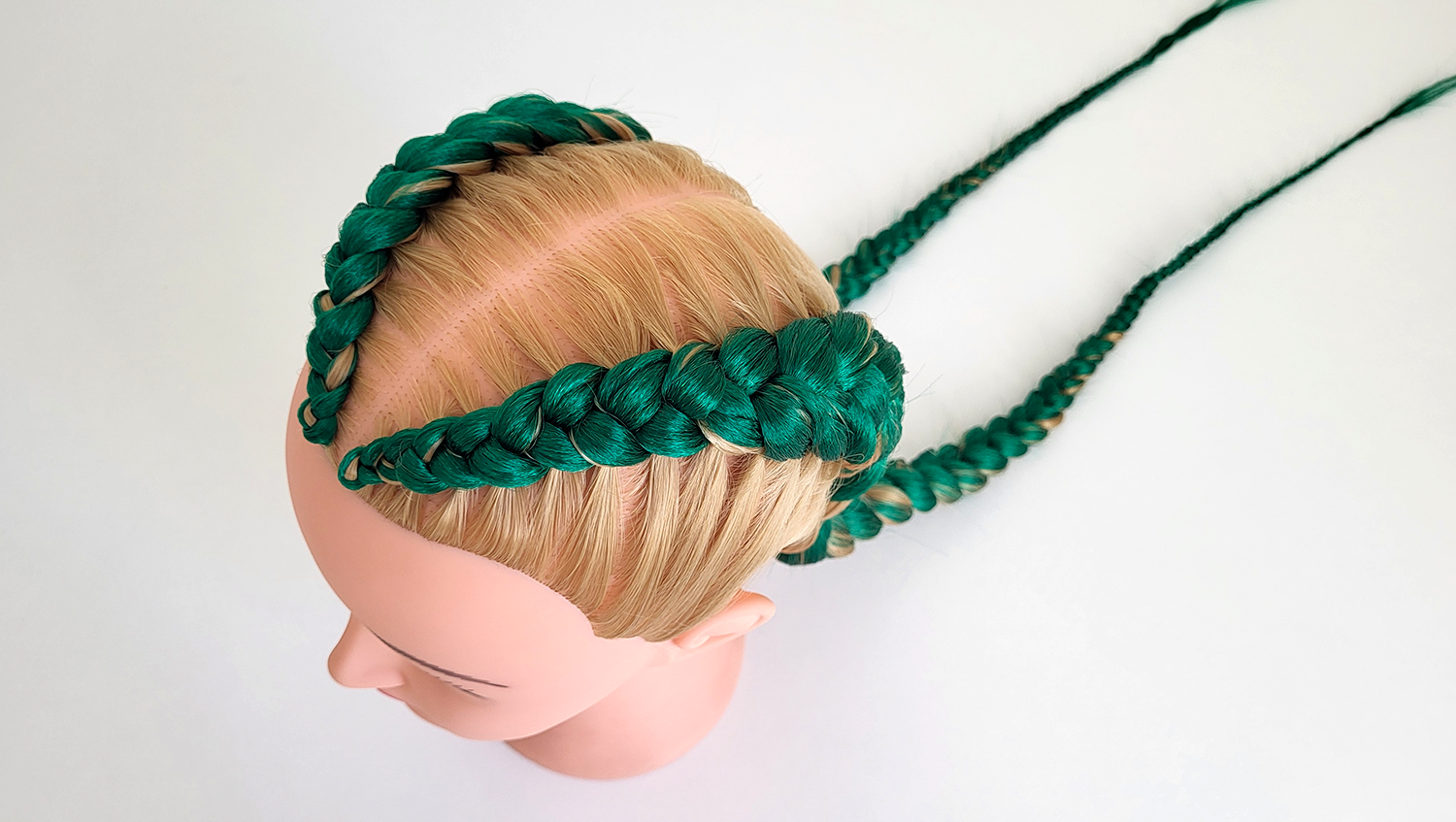
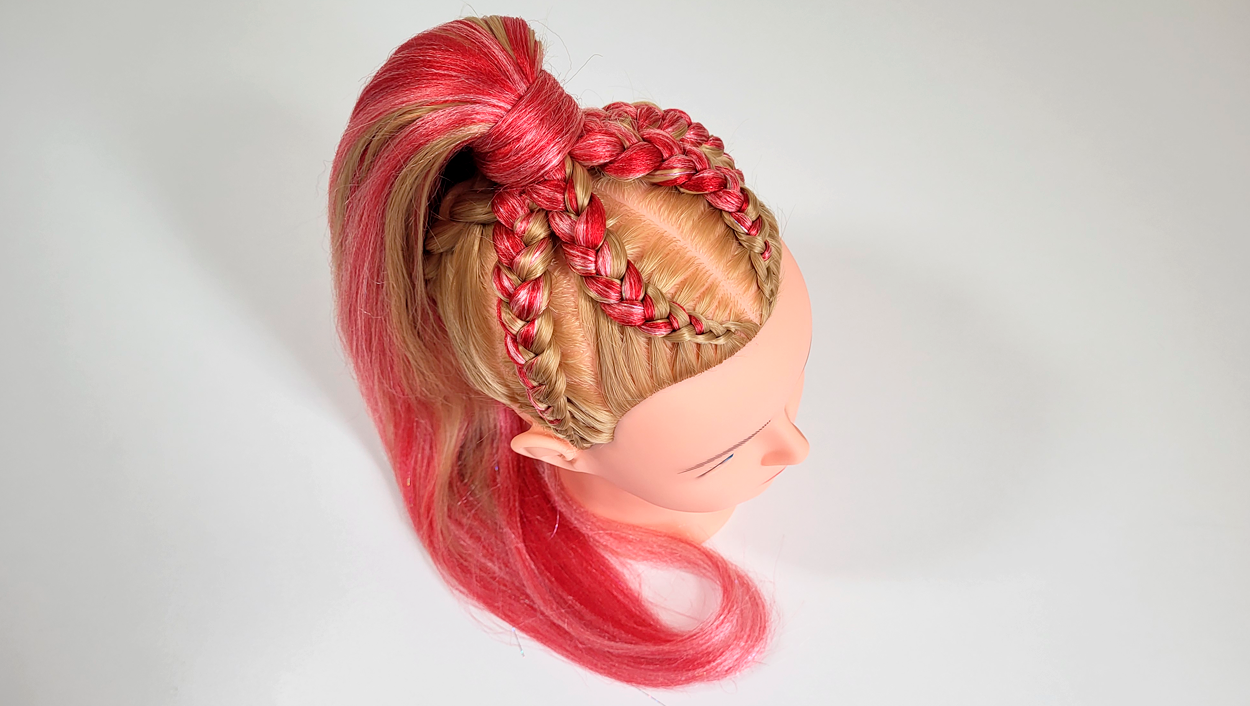
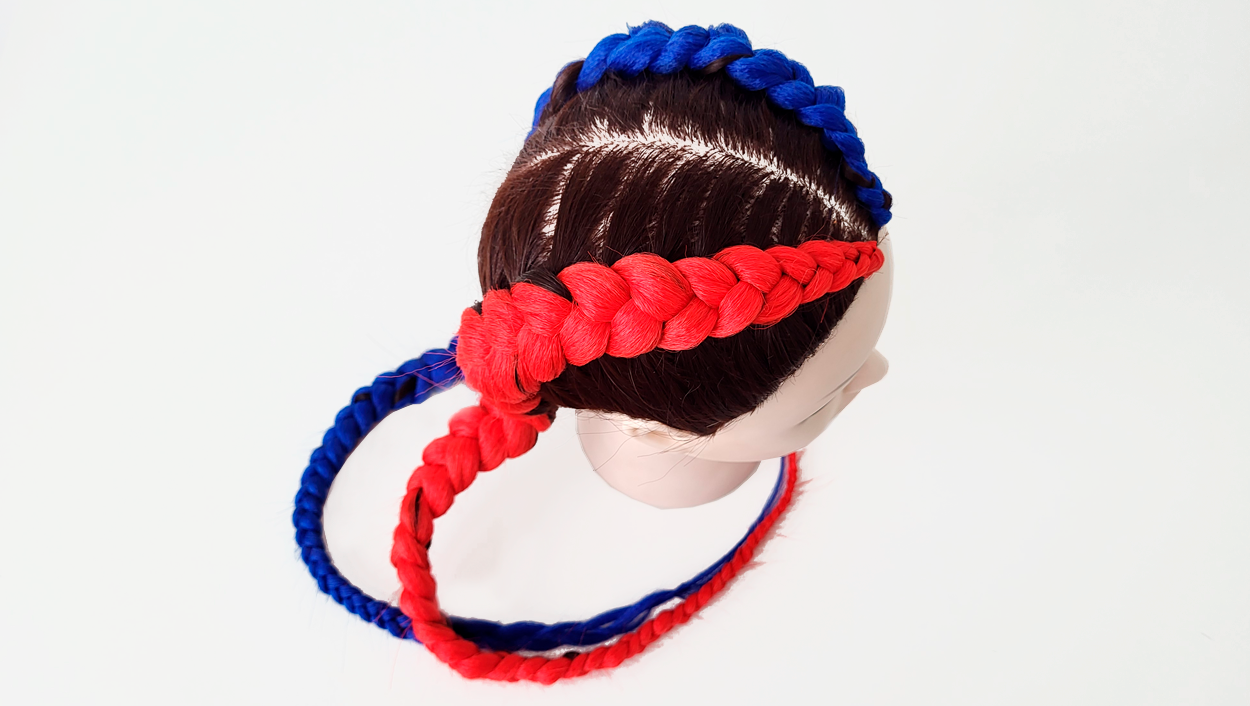
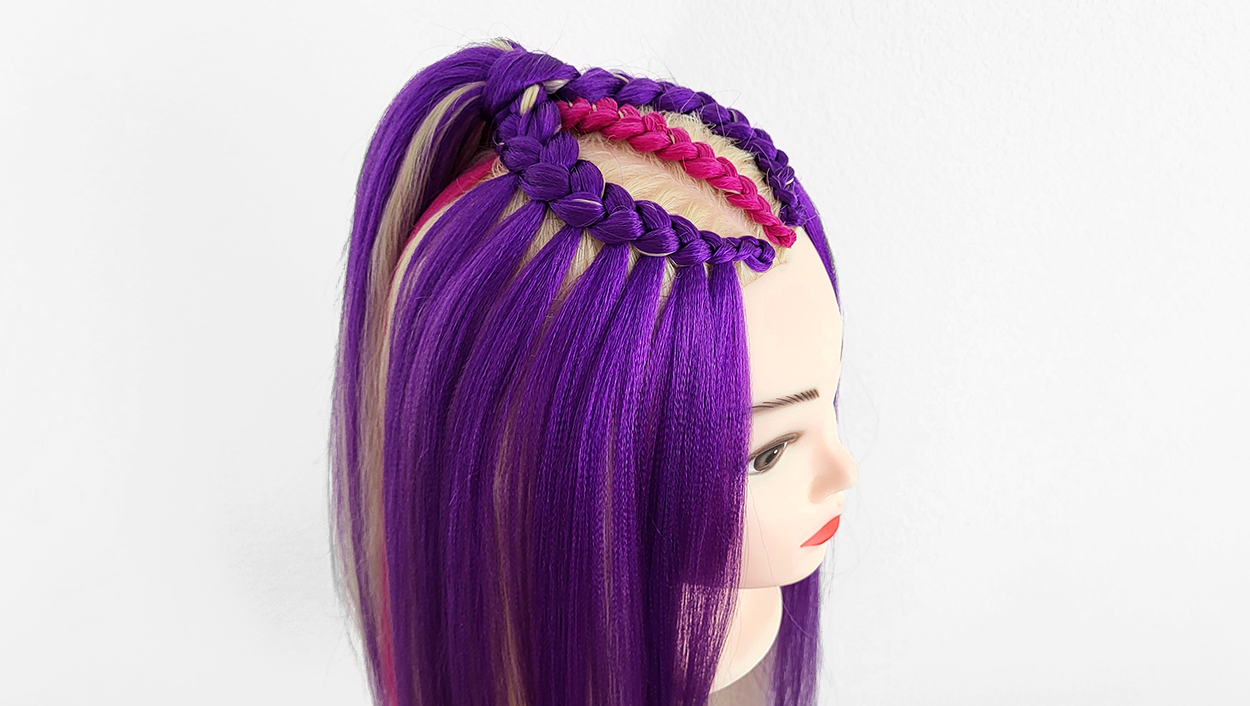
Bright colors such as pink, purple, blue, green, or mixed rainbow tones can create a festival or creative beauty look. Color can be used throughout the style or only in selected accent braids.
Ombré Fulani braids are popular because the color transition creates movement through the braid length. Face-framing color pieces can also highlight the shape of the style.
Color placement should support the braid pattern. The goal is to enhance the design, not distract from it.
Fulani Braids for Protective Styling
Fulani braids can function as a protective style when installed correctly. The natural hair is braided and tucked into the style, reducing daily manipulation and protecting the ends.
However, Fulani braids are protective only when the tension and weight are controlled. Face-framing braids and hairline sections should be handled with special care because these areas can be fragile. Heavy beads or tight forward-facing braids can stress the roots if not installed properly.
The sections should be sized to support the extension hair and accessories. The style should feel comfortable from the first day.
Pain, bumps, headaches, burning, or pulling are signs that the style is too tight or too heavy. A protective style should protect the hair, not damage it.
Fulani Braids for Kids
Fulani braids can be adapted beautifully for kids. The style can include simple cornrow patterns, beads, colorful elastics, bows, shells, or short hanging braids. Kids’ versions should be lighter, softer, and easier to maintain than adult versions.
The braid size should support comfort. Very long braids or heavy beads can be difficult for children to sleep, play, or move in. Shorter or medium-length Fulani braids are often more practical.
Children’s scalps can be sensitive, so the braids should not be tight around the hairline, temples, crown, or nape. Accessories should be smooth and lightweight.
A good kids’ Fulani braid style should be cute, cultural, protective, and comfortable.
Fulani Braids for Adults
For adults, Fulani braids can look elegant, bold, natural, glamorous, vacation-ready, or editorial. A simple beaded version can feel classic. A long knotless version can feel modern and wearable. A curly version can feel soft and boho. A colorful version can feel creative and high-impact.
Adults often choose Fulani braids for protective styling, vacations, photoshoots, festivals, everyday beauty, cultural events, and statement looks. The style works well because it is both decorative and practical.
The front design should complement the client’s face shape. Center parts can create symmetry. Side braids can soften the face. Beads can draw attention to the jawline or cheekbones.
The best adult version depends on hair density, scalp comfort, lifestyle, desired length, and personal style.
Fulani Braids for Men
Fulani-inspired braid patterns can also be adapted for men’s hairstyling, especially through cornrow placement, center braids, side detailing, beads, or decorative parting. The result can look clean, cultural, creative, or fashion-forward.
Men’s versions may be shorter, more minimal, or combined with fades, undercuts, or long top sections. Beads or cuffs can be added for detail, but the overall design may be more understated depending on preference.
The same principles apply: clean parting, balanced tension, and careful weight management. If braids sit near the hairline or temples, they should not be too tight.
A strong men’s Fulani-inspired style should look intentional, comfortable, and well-proportioned.
Parting and Pattern Design
Parting is central to Fulani braids. The design often begins with a center part or center braid, then builds outward with side braids, cornrows, or decorative sections. The front and side patterns are especially important because they define the style.
The parting can be straight, curved, diagonal, zigzag, triangular, or geometric depending on the desired look. Creative parting can make the style more modern, while simple parting can keep it classic.
The pattern should match the client’s head shape and hair density. Small sections can create detail but should not be overloaded with extension hair or beads. Larger sections can support more weight but may create a bolder, less detailed look.
A clean Fulani braid design should be balanced from the front, sides, top, and back.
Tension and Hairline Safety
Hairline safety is especially important in Fulani braids because the style often includes braids near the face and temples. These sections may be smaller and more visible, so some stylists may be tempted to braid tightly for a clean look. That should be avoided.
The braids should be secure but gentle. A forward-facing braid should not pull the hairline downward or create pain at the root. Beads placed near the face should not be too heavy for the braid size.
The scalp should not show redness, bumps, or pulling after installation. If the client feels pain, the style should be adjusted.
A beautiful Fulani braid style should protect the edges as carefully as it decorates them.
Professional Technique Details
A professional Fulani braid installation begins with consultation. The stylist should discuss braid size, pattern, length, accessories, color, curl detail, wear time, and scalp sensitivity.
The natural hair should be cleansed, detangled, moisturized, and sectioned carefully. The stylist should plan the front pattern first because it defines the entire style. The back section may be cornrowed, braided individually, or combined with knotless braids.
If extensions are used, they should be added in a balanced way. If beads or shells are used, they should match the braid size and should not create excessive weight.
The finished style should look clean at the scalp, balanced through the length, and comfortable at the roots. The design should be recognizable from the front and sides, not only from the back.
Maintenance and Wear
Fulani braids can last several weeks depending on braid size, hair texture, installation method, extension weight, accessories, and scalp care. Smaller braids may last longer than jumbo styles, while curly versions may require more maintenance.
At night, the braids should be protected with a satin or silk scarf, bonnet, or pillowcase. This helps reduce frizz and preserve the parting.
The scalp should stay clean and comfortable. Lightweight scalp mist, braid spray, or light oil may be used when needed. Heavy products can create buildup around the parts and braid roots.
Accessories should be checked regularly. Beads, shells, and cuffs should not pull, snag, or loosen the braid.
If the style becomes painful, itchy, too heavy, loose, or matted at the roots, it should be refreshed or removed.
Takedown and Hair Health
Takedown should be done gently. Beads, shells, cuffs, rings, and other accessories should be removed before the braids are undone. The braids should be taken down from the ends upward.
If extensions are long, the wearer may cut below the natural hair length to save time, but only after clearly identifying where the real hair ends. Cutting too high can damage the natural hair.
Product buildup near the roots should be softened and removed carefully. Shed hair should be separated before washing to prevent tangling or matting.
After removal, the hair should be cleansed, conditioned, detangled, and moisturized. If the edges feel stressed, the hair should rest before another tension-based style.
Safe takedown is essential for keeping Fulani braids protective.
Styling Options
Fulani braids can be styled in many ways. They can be worn loose, half-up, in ponytails, buns, side parts, braided crowns, or low gathered styles. Individual braids in the back provide flexibility, while the front pattern remains the signature feature.
Beads can be placed at the ends for movement. Cuffs can be added near the scalp for shine. Cowrie shells can create a cultural or boho finish. Curly ends can soften the look. Color can make the style more modern.
Fulani braids can be minimal or highly decorative. A clean black beaded style feels classic. A blonde curly version feels glamorous. A colorful version feels festival-ready. A knotless version feels lightweight and modern.
The best styling choice depends on comfort, hair health, occasion, and desired visual impact.
Fulani Braids in Modern Beauty Culture
Fulani braids remain important because they connect cultural heritage with modern protective styling. The style has become widely visible in salons, natural hair communities, celebrity beauty, editorial fashion, music videos, festivals, and social media tutorials.
The style is admired for its face-framing design and decorative identity. Unlike basic straight-back braids, Fulani braids create a full visual composition with front, side, and back detail.
In professional braiding, Fulani braids require planning. The stylist must understand parting, braid direction, extension balance, accessory placement, and hairline safety. A strong result depends on both technique and respect for the style’s cultural roots.
Fulani braids continue to evolve through knotless methods, curls, color blends, stitch details, and modern accessories while still keeping their recognizable foundation.
Why Fulani Braids Matter
Fulani braids matter because they are more than a trendy braid style. They carry cultural inspiration, protective function, visual beauty, and strong personal expression.
For clients, Fulani braids offer a style that is decorative, practical, face-framing, and highly customizable. For stylists, they require technical skill, design planning, cultural awareness, and careful tension control.
When done well, Fulani braids look balanced, comfortable, expressive, and intentional. They prove that braiding can hold heritage, fashion, protection, and artistry in one powerful hairstyle.