
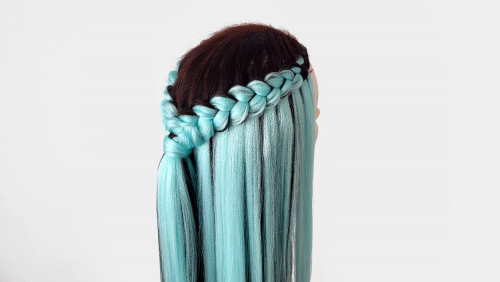
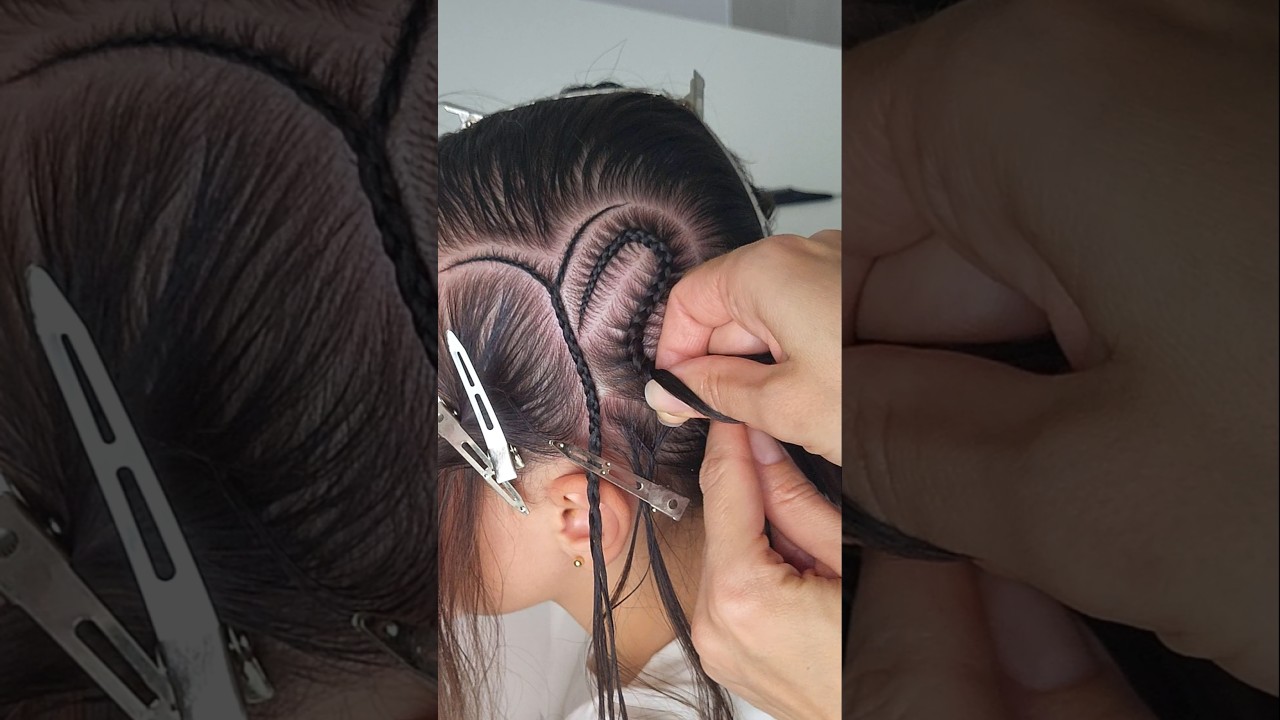
Side Braids: Face-Framing Braided Styles With Soft Placement, Asymmetrical Shape
Side braids are braided styles placed to one side of the head or directed over one shoulder. The style can be simple and casual, soft and romantic, sleek and polished, or bold and creative depending on the braid technique, placement, texture, and finish. Side braids are popular because they frame the face beautifully while keeping the hair controlled and styled.
The beauty of side braids is their flexibility. They can be created as a simple three-strand braid, French braid, Dutch braid, fishtail braid, rope braid, pull-through braid, cornrow side design, side ponytail braid, side braid bun, or half-up braid. They can be worn with natural hair only or with extensions for length, fullness, color, and stronger visual impact.
Side braids work well for everyday styling, school, work, workouts, weddings, festivals, vacations, photoshoots, kids’ hairstyles, and protective styling. A professional side braid should look intentional, balanced, and comfortable, without pulling too tightly at the hairline, temples, crown, or nape.
What Are Side Braids?
Side braids are braids positioned on one side of the head or styled so the braid falls over one shoulder. The braid may begin at the hairline, near the crown, behind the ear, at the nape, or from a side ponytail.
The term “side braid” does not describe only one technique. It describes placement. A side braid can be French, Dutch, fishtail, rope, pull-through, lace, cornrowed, or simply braided from loose hair.
Side braids can be loose and soft or tight and structured. They can be used as the main hairstyle or as an accent inside a larger style.
The defining feature is asymmetry. The braid is not centered; it is directed to one side to create shape, movement, and face-framing balance.
Why Side Braids Stand Out
Side braids stand out because they create a flattering shape with minimal effort. Moving the braid to one side softens the face and makes the braid more visible from the front.
They are also practical. A side braid keeps the hair controlled while still allowing length and texture to show. It can be easier to wear than a braid down the back because the braid can rest over the shoulder and be seen in photos.
Side braids are highly adaptable. A loose side fishtail braid can feel romantic. A side Dutch braid can feel sporty. A side cornrow design can feel bold and protective. A side braid with curls can feel bridal or event-ready.
Another reason side braids remain popular is that they work across many hair lengths, textures, and styling goals.
Side Braids vs. Regular Braids
Regular braids are often worn down the back, centered, or hanging from a neutral placement. Side braids are intentionally directed to one side.
A regular braid can look classic and balanced. A side braid adds asymmetry, softness, and face-framing shape. It often looks more styled because the placement is more visible and intentional.
The technique may be exactly the same. A three-strand braid becomes a side braid when it is placed over one shoulder. A French braid becomes a side braid when it travels diagonally toward one side.
The difference is placement and visual mood.
Side Braids vs. Side Cornrows
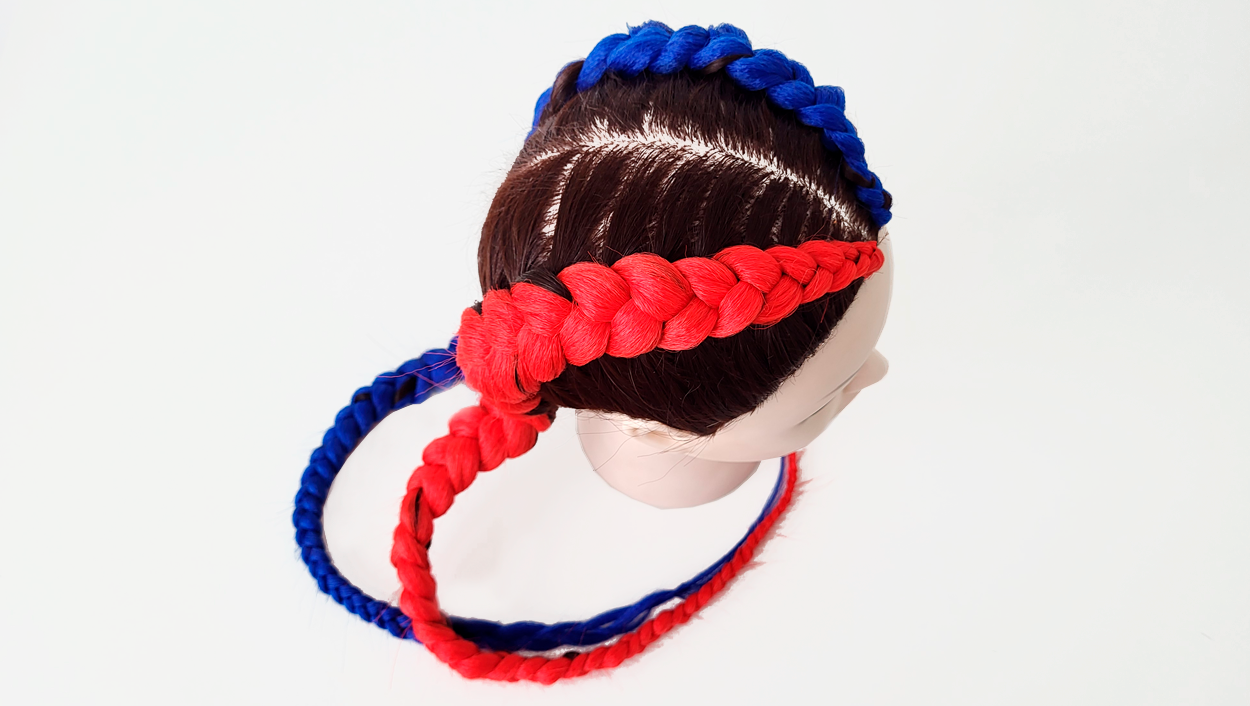
Side braids can include many braid types. Side cornrows are a specific version where the hair is braided close to the scalp in rows directed to one side.
Side cornrows are more structured and protective. They can create clean scalp patterns, sharp parts, and a bold asymmetrical look. Side braids may be looser, softer, and more casual.
Side cornrows usually require stronger section planning. Loose side braids usually require less technical scalp braiding.
Both styles can be beautiful, but side cornrows feel more graphic and protective, while loose side braids feel more romantic and flexible.
Side Braids vs. Side Ponytail Braids
A side braid may begin from loose hair and fall over one shoulder. A side ponytail braid usually starts with the hair secured into a ponytail on one side before braiding the length.
Side ponytail braids often look more controlled and polished because the base is secured. Loose side braids can look softer and more effortless.
Side ponytail braids work well for sporty, sleek, kids’, and event styles. Loose side braids work well for casual, boho, bridal, and romantic looks.
The choice depends on whether the client wants structure at the base or a softer free-flowing braid.
Side Braids vs. Side Swept Hair
Side swept hair is hair styled to one side, often loose, curled, waved, or pinned. Side braids use braid structure to create control and texture.
Side swept hair can feel glamorous and soft, but it may need more pins and styling product to stay in place. Side braids usually hold better because the braid secures the hair.
A side braid can also be combined with side swept styling. For example, one side may be braided while the rest of the hair falls in curls over the opposite shoulder.
Side braids add structure. Side swept styles add flow. Together, they create a balanced event-ready look.
Common Types of Side Braids
Classic side braids use a simple three-strand braid placed over one shoulder.
French side braids add hair into the braid as it travels diagonally across the head.
Dutch side braids create a raised braid that stands out clearly.
Fishtail side braids create a detailed, romantic, scale-like texture.
Rope side braids create a smooth twisted spiral effect.
Pull-through side braids create a full, voluminous faux-braid look.
Side cornrow braids create close-to-scalp patterns directed to one side.
Side braid ponytails combine a side ponytail base with braided length.
Side braid buns wrap the braid into a low or side-positioned bun.
Classic Side Braids
Classic side braids are usually created by gathering the hair to one side and braiding it into a three-strand braid. This version is simple, timeless, and easy to wear.
It works well for long hair, medium-length hair, natural waves, straight hair, curly hair, and extension-enhanced hair. The braid may be sleek and tight or loosened for a soft boho effect.
Classic side braids are popular for school, work, errands, travel, casual days, and relaxed beauty looks. They can also be dressed up with ribbons, pearls, cuffs, flowers, or face-framing curls.
A strong classic side braid should look balanced and secure without pulling the scalp to one side.
French Side Braids
French side braids are created by adding hair into the braid as it travels diagonally or sideways along the head. This creates a connected braid that controls the hair from the scalp into the braid length.
This version can look soft, elegant, romantic, or practical depending on the finish. A loose French side braid feels feminine and relaxed. A tighter French side braid feels cleaner and more secure.
French side braids work well for everyday styling, kids’ hairstyles, workouts, weddings, and long events because the added hair helps the braid stay in place.
A professional French side braid should have smooth pickups, even tension, and a natural diagonal flow.
Dutch Side Braids
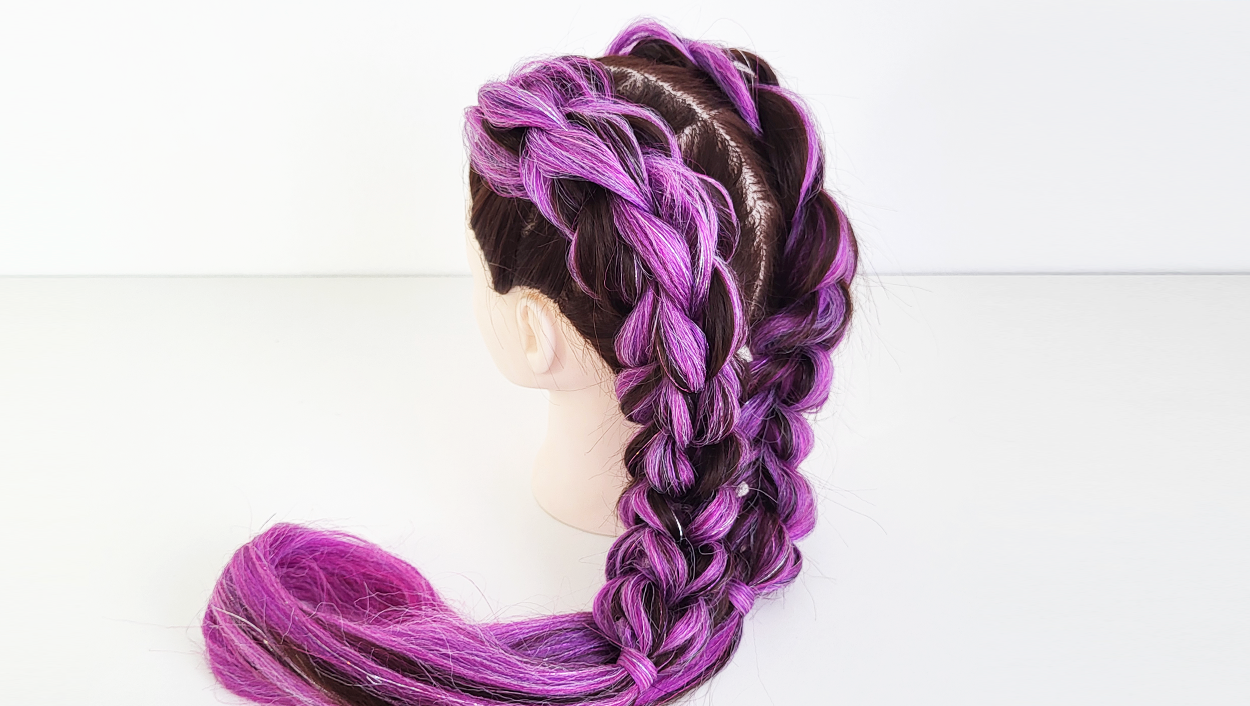
Dutch side braids use an underhand braiding technique, making the braid sit raised on top of the hair. When placed to the side, the braid becomes highly visible and dimensional.
This version works well for sporty styles, festival looks, kids’ hairstyles, braid tutorials, and bold everyday looks. It can also be gently pulled apart for extra fullness.
Dutch side braids can begin near the front hairline, curve along the side of the head, or move diagonally toward one shoulder.
The braid should be raised because of technique, not because of painful pulling. A strong Dutch side braid should feel comfortable and secure.
Fishtail Side Braids
Fishtail side braids are one of the most romantic side braid styles. The braid is created by crossing small outer pieces from each side, producing a detailed scale-like texture.
This version looks especially beautiful over one shoulder because the braid pattern is visible from the front. It works well with highlighted, balayage, ombré, or multi-tonal hair because the small sections show color movement.
Fishtail side braids can be sleek and tight or loosened for a soft mermaid-inspired finish. They are popular for weddings, proms, vacations, festivals, and photoshoots.
A polished fishtail side braid should look detailed, soft, and secure.
Rope Side Braids
Rope side braids are created by twisting two sections of hair around each other to form a spiral rope effect. The braid can be placed over one shoulder or created from a side ponytail.
This version is sleek, quick, and elegant. It works well for polished ponytails, low side braids, kids’ styles, and simple event looks.
Rope side braids need correct twist direction to hold. Each section is usually twisted in one direction, then wrapped together in the opposite direction.
A good rope side braid should have a clean spiral and should not unravel quickly.
Pull-Through Side Braids
Pull-through side braids are faux braids made from ponytail sections that are split, pulled through, and expanded. When placed to one side, they create a dramatic, full, photo-friendly style.
This version is popular for kids, festivals, bridal styling, mermaid looks, and social media tutorials because it creates large volume without traditional braiding.
The sections should be even, and the elastics should be hidden or used intentionally as part of the design. The braid can be expanded for a soft oversized look.
A strong pull-through side braid should look full, balanced, and comfortable without tight elastic pressure.
Side Cornrow Braids
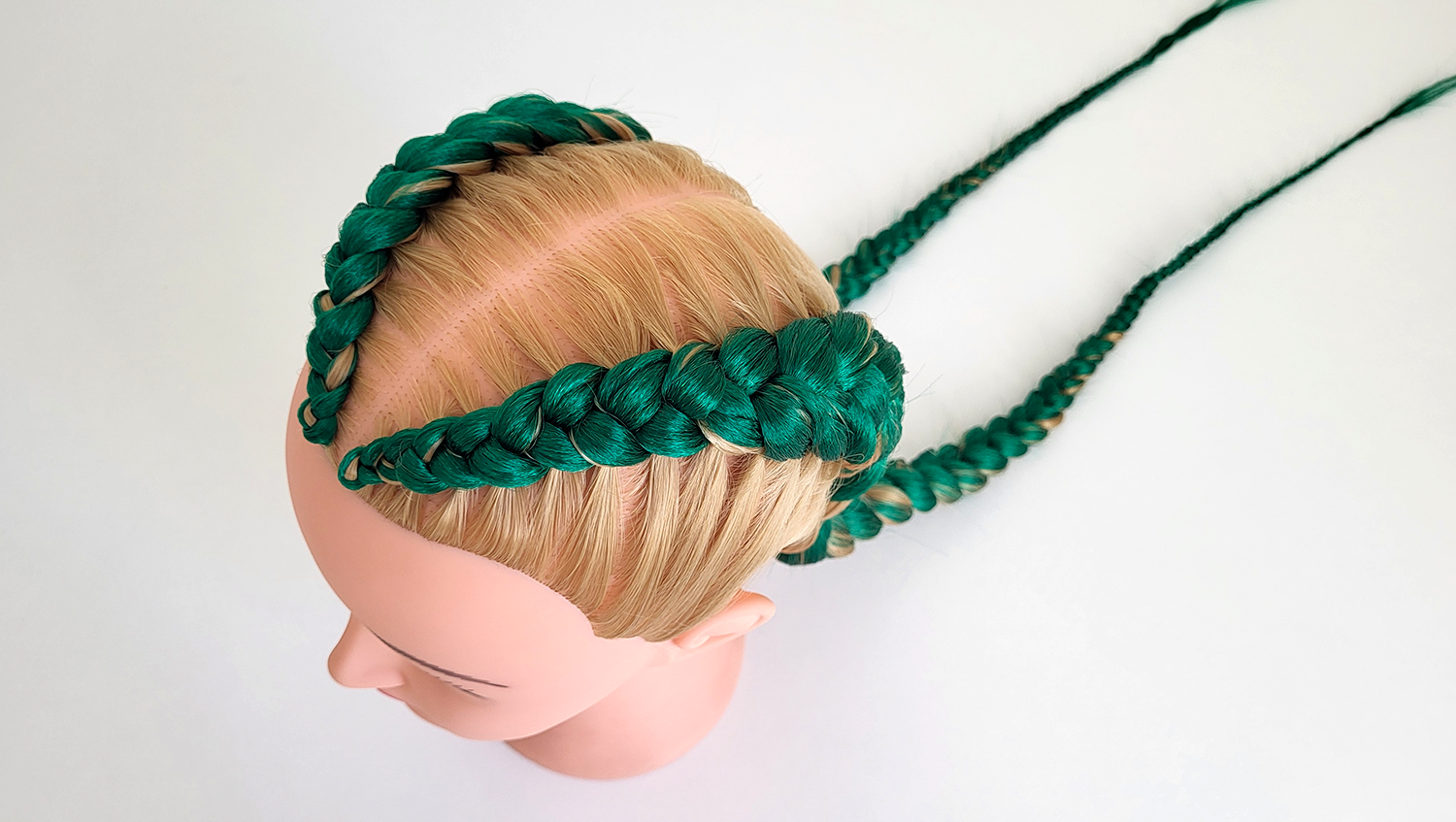
Side cornrow braids are close-to-scalalp braids directed to one side. They may be straight, curved, diagonal, zigzagged, or arranged in creative patterns.
This version can be protective, bold, and highly stylish. It works well for natural hair, men’s styles, kids’ braids, festival looks, and creative scalp braid designs.
Side cornrows may cover the whole head or only one side while the rest of the hair remains loose, curly, twisted, or braided. They can also be combined with feed-in extensions for length and definition.
A professional side cornrow style should have clean parts, even braid size, and comfortable tension.
Side Braid Ponytails
Side braid ponytails begin with the hair secured into a ponytail on one side, then braided through the length. The braid may be three-strand, fishtail, rope, pull-through, or extension-enhanced.
This version gives more control at the base than a loose side braid. It can look sporty, sleek, playful, or glamorous depending on the ponytail height and braid finish.
Side braid ponytails work well for kids, workouts, dance, events, and everyday styling. They can be decorated with bows, cuffs, ribbons, beads, or hair jewelry.
The ponytail base should not be too tight. A comfortable side braid ponytail should feel secure without pulling the scalp.
Side Braid Buns
Side braid buns are created by braiding the hair to one side and wrapping the braid into a bun near the ear, nape, or lower side of the head.
This version can look elegant, romantic, bridal, vintage, or bohemian. It is popular for weddings, proms, formal events, dance, photoshoots, and polished everyday updos.
The braid adds texture to the bun and makes the updo look more detailed. Loose face-framing pieces can soften the style.
A professional side braid bun should be pinned securely without feeling heavy or tight.
Side Braids with Curls and Waves
Side braids pair beautifully with curls and waves. The braid adds structure, while loose curls or waves add softness and movement.
One side may be braided while the rest of the hair falls in curls. A side braid may also transition into curly ends. Half-up side braids can leave the lower hair loose and waved.
This version is popular for bridal styling, proms, date nights, vacations, festivals, and photoshoots. It can look romantic, feminine, or boho depending on the texture.
A strong side braid with curls should balance the braid structure with soft flowing hair.
Side Braids with Extensions
Extensions can make side braids longer, thicker, and more dramatic. Clip-ins, synthetic braiding hair, ponytail extensions, feed-in hair, or colored strands may be used depending on the style.
Extensions are useful for clients with shorter or finer hair who want a full braid over one shoulder. They can also add color without permanent dye.
The extension placement should be hidden and the weight should be balanced. Heavy extensions can pull the braid to one side and create discomfort.
A professional side braid with extensions should look seamless, full, and comfortable.
Side Braids with Synthetic Hair
Synthetic hair can be used to create bold side braid styles with added length, color, and volume. It is common in feed-in side braids, festival braids, ponytail braids, and kids’ creative styles.
Pre-stretched braiding hair can create a smooth finish. Curly synthetic hair can create boho or goddess-style ends. Bright synthetic hair can make the side braid more expressive.
The synthetic hair should be added in balanced amounts so the style does not become heavy or uneven.
A good synthetic side braid should look full and intentional while remaining comfortable.
Side Braids with Natural Hair
Side braids can be created with natural hair only. Straight hair can create a smooth side braid. Wavy hair adds softness. Curly hair creates volume. Coily and kinky textures can create beautiful full side braids when moisturized, stretched, or braided with gentle product control.
Natural hair side braids can be used as quick everyday styles, low-manipulation styles, or short-term protective looks.
The braid should not be forced too tightly, especially around the hairline and temples. The style should work with the natural texture rather than fight against it.
A natural-hair side braid should feel soft, secure, and comfortable.
Side Braids with Color
Color can make side braids more dimensional. Since the braid is visible from the front, highlights, balayage, ombré, vivid shades, or colored extensions can stand out beautifully.
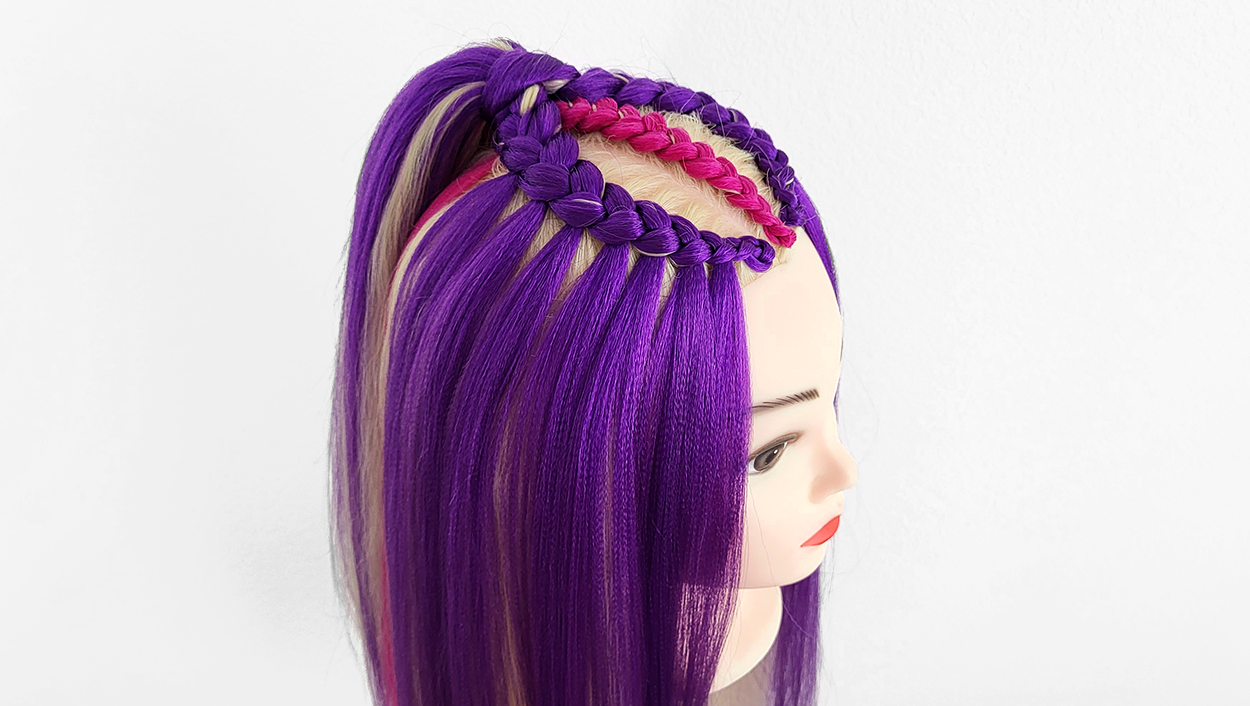
Natural shades such as blonde, caramel, copper, auburn, and brown create soft movement. Bright shades such as pink, purple, blue, green, red, orange, or pastel colors create a more playful or festival-inspired look.
Color can be placed throughout the braid or used as a small accent. Face-framing color pieces can make the side braid look more custom.
The best color placement supports the braid direction and makes the texture easier to see.
Side Braids with Accessories
Accessories can personalize side braids. Cuffs, beads, ribbons, bows, pearls, flowers, shells, rings, charms, thread, clips, and hair jewelry can all be used.
For kids, colorful elastics, bows, beads, and ribbons can make the style playful. For bridal looks, pearls, flowers, and crystal pins can make it elegant. For festivals, shells, glitter, cuffs, and bright thread can make the braid bold.
Accessories should highlight the braid without hiding its structure. Heavy pieces should be avoided if they pull the braid down or irritate the scalp.
A good accessory finish should look balanced, lightweight, and intentional.
Side Braids for Protective Styling
Side braids can be low-manipulation or protective depending on the technique. Side cornrows, feed-in side braids, and extension side braid styles can help keep the hair organized and reduce daily styling.
Loose side braids are usually short-term styles, but they can still protect the hair from friction and tangling during the day.
The style is protective only when tension is controlled. Braids that pull too tightly at one side can stress the hairline, temples, or nape.
A healthy side braid should feel comfortable, secure, and easy to remove.
Side Braids for Kids
Side braids are great for kids because they can be cute, practical, and easy to customize. They can be worn as one side braid, two side braids, side ponytail braids, side cornrows, or half-up side braids.
Kids’ side braids may include bows, beads, colorful elastics, ribbons, clips, flowers, or glitter. They work well for school, dance, sports, birthdays, holidays, photoshoots, and everyday routines.
Children’s scalps can be sensitive, so the braid should not be tight. Elastics and accessories should be removed gently.
A good kids’ side braid should be cute, comfortable, secure, and easy to take down.
Side Braids for Adults
For adults, side braids can look casual, elegant, romantic, sporty, bohemian, professional, or dramatic. A loose side fishtail braid can feel soft and feminine. A sleek side ponytail braid can feel polished. A side cornrow design can feel bold and modern.
Adults often choose side braids for work, workouts, weddings, proms, festivals, vacations, concerts, date nights, and content creation.
The best adult version depends on hair length, texture, outfit, occasion, comfort, and desired finish.
A polished adult side braid should look intentional and balanced from the front, side, and back.
Side Braids for Short Hair
Side braids can work on short hair when the braid is adapted to the available length. Short hair may support small side accent braids, half-up side braids, side twists, short Dutch side braids, or small cornrow designs.
Extensions can help create longer side braid effects if the natural hair can support them safely. Clip-ins, colored strands, or synthetic braiding hair may be used depending on the design.
Short layers may need product, pins, or small elastics to stay secure. The stylist should avoid pulling the hair too tightly to force the braid into place.
A short-hair side braid should focus on secure placement, comfort, and clean shape.
Side Braids for Long Hair
Long hair is ideal for side braids because the braid can fall fully over one shoulder. The length makes the braid visible, dramatic, and easy to style.
Long hair can support classic side braids, fishtail side braids, Dutch side braids, pull-through side braids, rope side braids, and side braid ponytails.
The main challenge with long hair is weight. A long side braid can pull if the base is too tight or if heavy extensions are added. The style should be balanced so it does not create scalp discomfort.
A strong long-hair side braid should look full, smooth, secure, and comfortable.
Parting and Placement
Parting and placement shape the final side braid style. A deep side part can create drama and softness. A center part can transition into a side braid for a relaxed look. A diagonal part can guide the braid naturally toward one shoulder.
Placement should complement the face shape, hairline, and occasion. A braid near the front creates a more visible face-framing effect. A braid starting near the nape creates a softer low side look.
The braid should not pull the entire head of hair uncomfortably to one side. Weight should be distributed as evenly as possible.
A strong side braid begins with thoughtful parting and a clear direction.
Tension and Scalp Comfort
Tension control is important in side braids because asymmetrical styles can pull unevenly if they are too tight or too heavy. The braid should feel secure but not painful.
The hairline and temples need special care, especially if the braid begins near the front. The nape should also be protected if the braid is pulled low to one side.
If extensions are used, the added hair should be lightweight and balanced. If elastics or pins are used, they should not snag or press into the scalp.
A professional side braid should feel comfortable throughout the day.
Professional Technique Details
A professional side braid service begins with choosing the technique and placement. The stylist should decide whether the look will be classic, French, Dutch, fishtail, rope, pull-through, cornrowed, ponytail-based, bridal, sporty, or festival-inspired.
The hair should be detangled and prepared according to texture. Smooth styles may need gel, cream, serum, or mousse. Voluminous or romantic styles may need texture spray, curls, or wave preparation.
The stylist guides the braid toward one side, maintains even tension, secures the ends, and adjusts the final volume. Accessories, curls, or face-framing pieces may be added last.
A polished side braid should have clean direction, balanced shape, secure hold, and comfortable tension.
Maintenance and Wear
Many side braids are short-term styles worn for one day, a special event, or everyday styling. Some side cornrow or feed-in side braid styles may last longer depending on hair texture, braid size, and care.
To maintain a loose side braid, the wearer should avoid pulling on the braid or brushing through it. A light finishing spray can help reduce flyaways.
At night, a satin or silk scarf or pillowcase can reduce friction if the style will be worn again the next day. Loose side braids may need refreshing after sleep.
Removal should be gentle. Elastics, pins, and accessories should be removed first, then the braid should be undone from the ends upward.
If the style feels tight, heavy, or uncomfortable, it should be loosened or removed.
Styling Options
Side braids can be styled in many ways. They can be classic, French, Dutch, fishtail, rope, pull-through, cornrowed, braided into a ponytail, wrapped into a bun, worn half-up, or paired with curls and waves.
They can be decorated with ribbons, bows, beads, cuffs, pearls, shells, flowers, clips, glitter, charms, and hair jewelry. They can also be enhanced with extensions, color blends, or synthetic hair.
For kids, side braids can be playful and practical. For adults, they can be romantic, polished, bridal, sporty, bohemian, or editorial.
The best styling choice depends on hair length, texture, comfort, occasion, and desired visual impact.
Side Braids in Modern Beauty Culture
Side braids remain popular because they are simple, flattering, and highly adaptable. They appear in everyday styling, bridal hair, festival looks, kids’ hairstyles, natural hair routines, sports styling, social media tutorials, and salon portfolios.
The style continues to evolve through side fishtails, side Dutch braids, pull-through volume, feed-in side braids, colorful extensions, side cornrow designs, and soft curled finishes.
For stylists, side braids require more than moving a braid to one side. They require placement planning, tension control, face-framing awareness, balance, and clean finishing.
The style stays relevant because it is wearable, photogenic, versatile, and easy to personalize.
Why Side Braids Matter
Side braids matter because they turn a simple braid into a flattering, face-framing hairstyle. They offer structure, softness, movement, and visual interest in one wearable look.
For clients, side braids offer beauty, convenience, styling flexibility, and everyday comfort. For stylists, they build skill in placement, balance, direction, texture control, and finishing.
When done well, side braids look secure, comfortable, balanced, and intentional. They prove that braid placement can completely change the mood of a hairstyle.