
Tribal Braids: Pattern, Heritage, and Modern Protective Styling With Statement Detail
Tribal braids are patterned protective braid styles that combine scalp braiding, individual braids, parting design, and decorative details. The style is often recognized by cornrows at the front, box braids or knotless braids through the back, a defined center or side part, and accessories such as beads, cuffs, shells, or rings. The final look can be clean and minimal, bold and dramatic, traditional-inspired, modern, or highly customized.
The term “tribal braids” is widely used in modern beauty culture, but it is important to understand that it is a broad salon and social media category rather than one single historical hairstyle. Many versions are inspired by African and African diaspora braiding traditions, including patterned parting, face-framing braids, beads, and symbolic decoration. Today, the style continues to evolve through modern feed-in techniques, knotless braids, color blends, boho curls, and creative parting.
Tribal braids stand out because they are built with design. They are not only about length or fullness. The front pattern, braid direction, parting, accessories, and braid size all work together to create a complete visual statement.
What Are Tribal Braids?
Tribal braids are braid styles that combine structured scalp braids with individual hanging braids or decorative braid elements. A typical version may include cornrows or feed-in braids in the front and box braids or knotless braids in the back. Some styles include a center part with symmetrical cornrows. Others use side parts, curved sections, zigzag parts, or freestyle scalp designs.
The style can be created with natural hair only, but most modern tribal braids use synthetic braiding hair for length, fullness, and durability. The braid ends may be straight, curled, sealed, beaded, or left with boho-style loose curls depending on the desired finish.
The defining feature is the combination of pattern and braid length. Tribal braids usually have visible scalp design plus free-moving braids that can be styled down, half-up, in ponytails, buns, or updos.
Cultural Background and Respectful Styling
Tribal braids are connected to a much larger history of African braiding. Across different African cultures, braids have been used to communicate identity, age, marital status, social role, community connection, beauty, artistry, spirituality, and personal style. The exact meaning of a braid pattern varied by region, community, and time period.
In modern salon language, “tribal braids” often refers to a style inspired by this broad heritage rather than a braid that belongs to one specific tribe. Because of that, the term should be used with care. It is better to describe the actual technique and design when possible: feed-in cornrows, Fulani-inspired braids, center-part braids, cornrows with box braids, or braids with beads.
This does not mean the style cannot be worn or celebrated. It means the cultural roots should not be erased. Tribal braids are part of a long tradition of technical skill, beauty, and cultural expression, especially within Black hair culture and the African diaspora.
Tribal Braids vs. Fulani Braids
Tribal braids and Fulani braids are often discussed together, but they are not exactly the same. Fulani braids are inspired by the braiding traditions associated with Fulani communities in West Africa. A recognizable modern Fulani-inspired style often includes a center cornrow or center part, side braids, forward-facing braids near the temples, beads, and sometimes a combination of cornrows and loose braids.
Tribal braids is a broader category. It may include Fulani-inspired details, but it can also include other patterned braid layouts, feed-in designs, box braid combinations, zigzag parts, stitch braids, heart parts, or decorative braid structures.
In many salons, clients use “tribal braids” to mean any braid style with patterned cornrows and individual braids. Stylists should clarify the exact look through reference photos, braid size, parting style, accessory choice, and desired finish.
Common Types of Tribal Braids
A classic tribal braid style often includes cornrows in the front and individual braids in the back. This creates structure around the face and movement through the length.
Fulani-inspired tribal braids may include a center braid, side braids, face-framing braids, beads, and decorative parting.
Two-layer tribal braids use one braid layer at the front and another layer at the back or lower section. This creates fullness and a more dimensional layout.
Middle-part tribal braids use symmetrical parting through the center. The cornrows may move away from the part and connect into longer braids.
Side-part tribal braids create an asymmetrical finish. This can look softer, more glamorous, or more editorial depending on the braid direction.
Tribal braids with beads use beads at the ends or near the face to create sound, movement, and decoration.
Boho tribal braids include loose curly strands added throughout the style for a softer, more romantic finish.
Tribal Braids with Cornrows
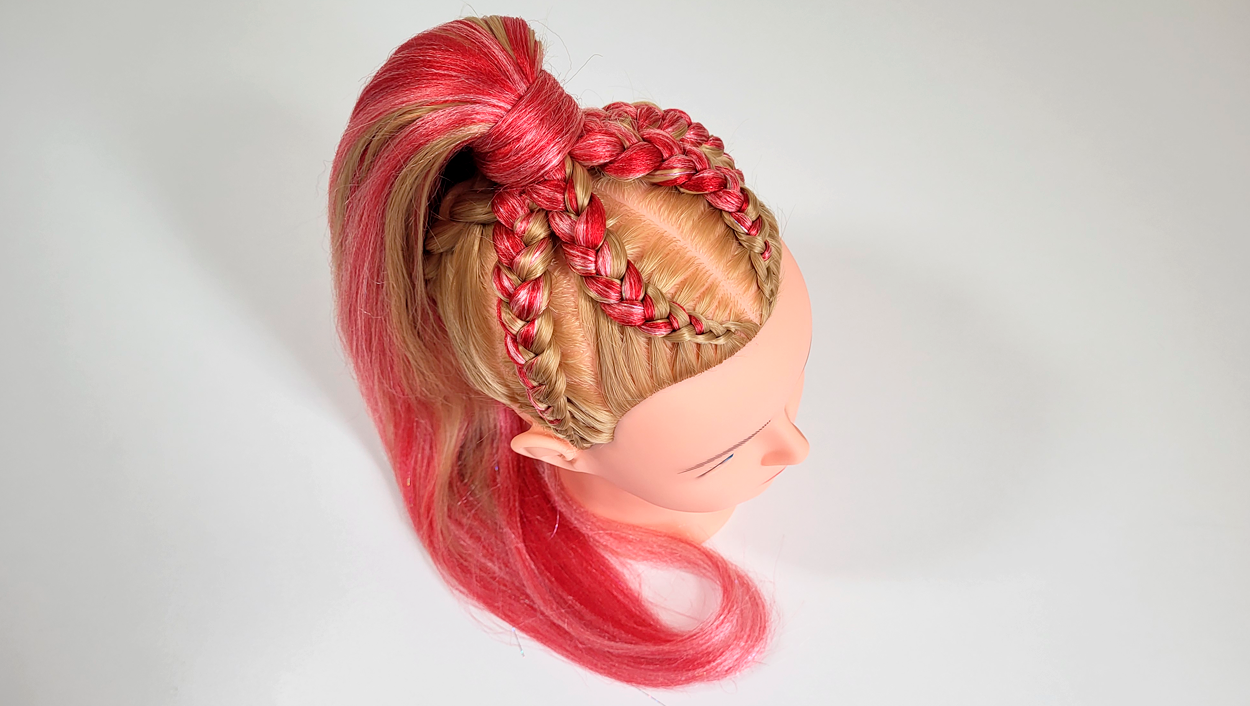
Cornrows are often the foundation of tribal braid designs. They create the visible scalp pattern and control the direction of the style. The cornrows may be straight, curved, diagonal, zigzagged, or arranged into custom shapes.
Feed-in technique is commonly used because it allows the braid to start smaller and gradually become fuller. This creates a smoother root and a more natural-looking transition into the braid length.
Cornrows in tribal braids can be simple or highly detailed. A clean straight-back pattern can look classic and wearable. Curved or stitch cornrows can make the style more technical and salon-polished. Creative parts can make the look more custom.
The cornrow section should be braided with controlled tension. Since tribal braids often frame the face, the hairline and temples need extra care.
Tribal Braids with Individual Braids
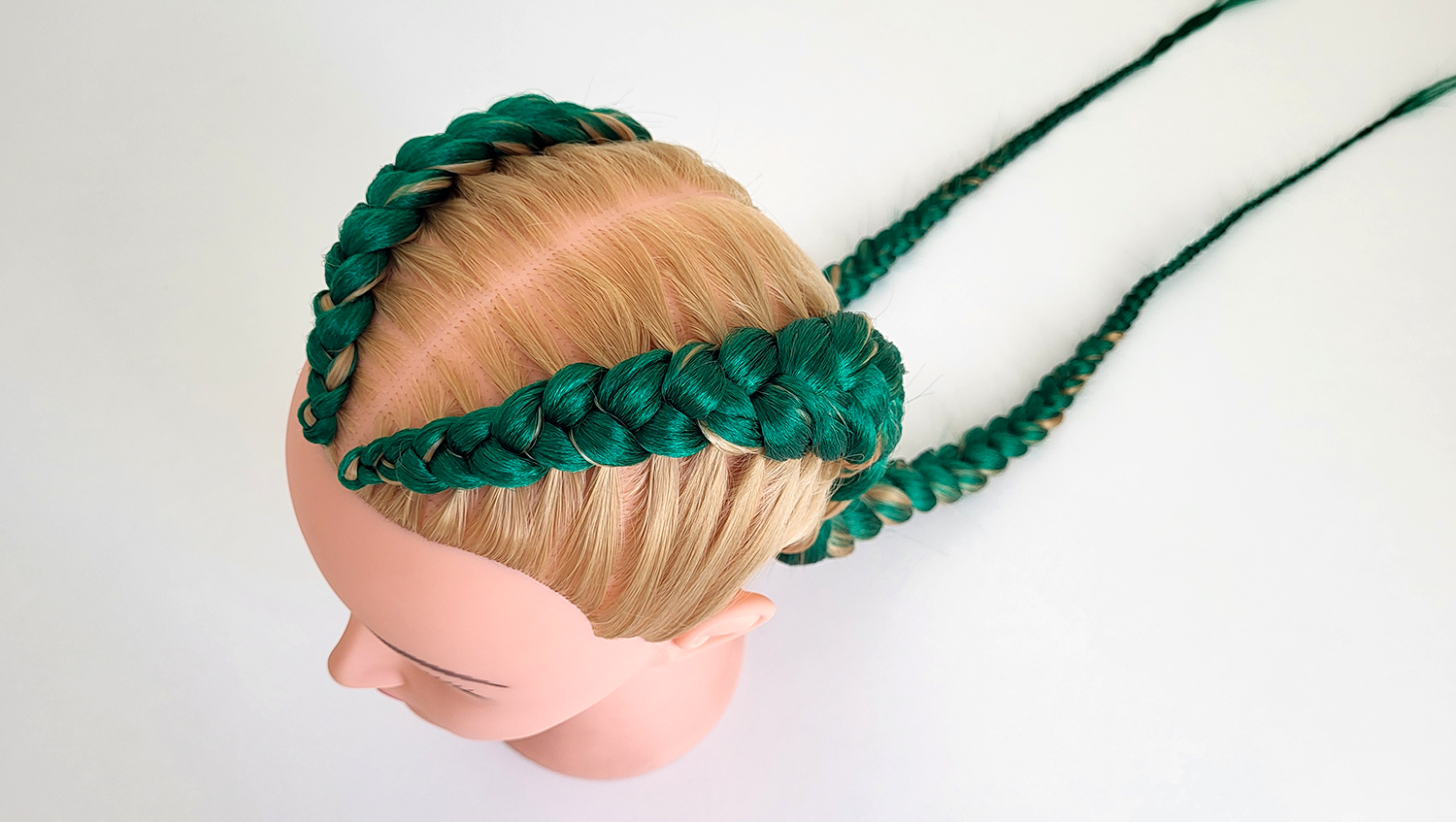
Many tribal braid styles include individual braids in the back or lower section. These may be box braids, knotless braids, small braids, medium braids, or long feed-in braid extensions.
The individual braids add movement. While the cornrows create structure, the hanging braids allow the style to swing, fall, and be restyled. This combination is one reason tribal braids are so popular.
Knotless individual braids are often used for a softer root and lighter feel. Traditional box braid bases can create a more defined grip and structured look. The choice depends on hair type, desired longevity, braid size, and scalp comfort.
The transition between the cornrow section and individual braid section should look clean. The style should not feel disconnected or overly bulky at the crown.
Tribal Braids with Beads
Beads are one of the most recognizable decorative elements in tribal braid styles. They can be placed at the ends, near the face, on accent braids, or throughout selected sections.
Beads add sound, movement, weight, and visual rhythm. Clear beads can look soft and classic. Wooden beads can feel natural and earthy. Gold beads or metallic cuffs can create a more polished finish. Colorful beads can make the style playful, especially for kids.
Bead placement should be balanced. Too many heavy beads can pull on the ends and create discomfort. For children, lightweight beads and gentle placement are especially important.
Beads are not just decoration. In many African and diaspora hair traditions, beads can carry cultural, aesthetic, and personal meaning. In modern styling, they continue to be a powerful way to personalize braids.
Tribal Braids with Color
Color can change the entire mood of tribal braids. Natural black and brown shades create a classic look. Honey blonde, copper, auburn, and burgundy tones add warmth and dimension. Platinum, gray, silver, or ash blonde can create a modern editorial effect.
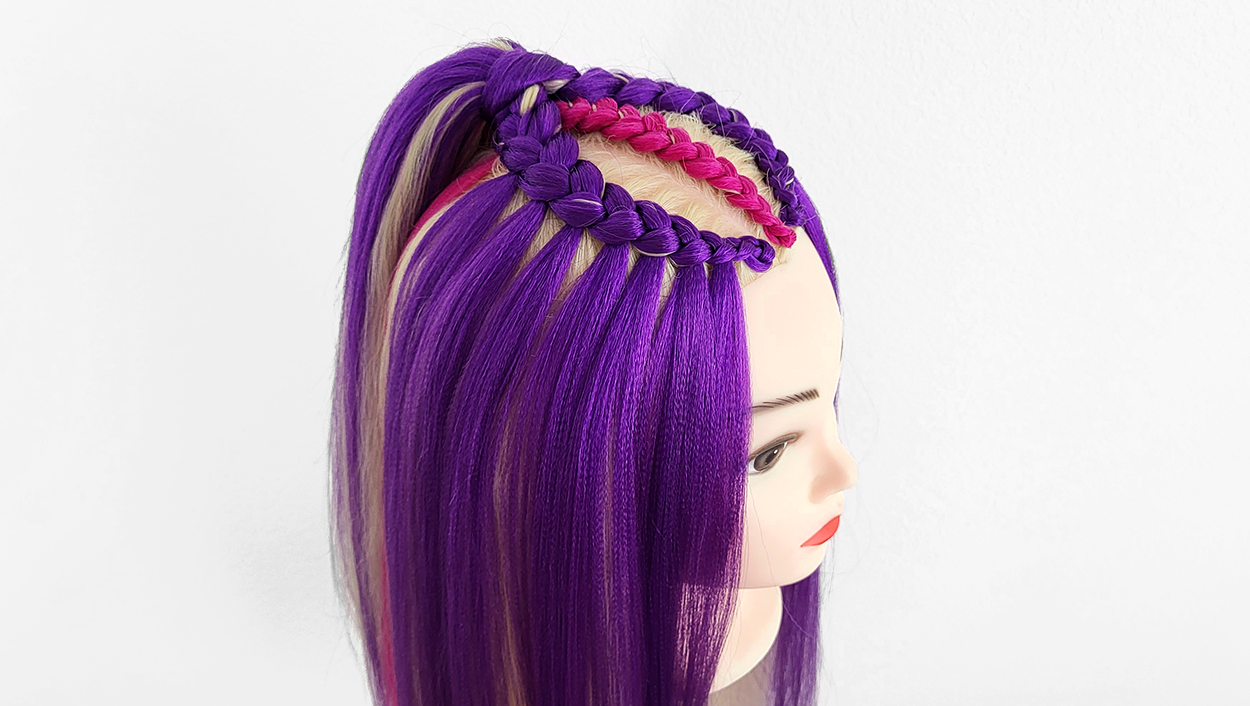
Bright shades such as pink, purple, blue, green, red, or orange can make tribal braids feel festival-ready or fashion-forward. Ombré braiding hair can create a softer transition through the length.
Color can be placed throughout the full style or used only in accent braids. A few colored face-framing braids can make the design stand out without overwhelming the full head.
Because synthetic braiding hair carries the color, clients can experiment without dyeing their natural hair. The stylist should still balance color placement with the braid pattern so the design remains clear.
Tribal Braids with Boho Curls
Boho tribal braids combine the structure of tribal braid patterns with loose curly strands. The curls may be added through the individual braid section, near the ends, around the face, or throughout the style.
This version creates a softer, more romantic finish. The cornrows keep the style organized, while the curls add movement and texture. It can look vacation-ready, editorial, feminine, or relaxed depending on curl type and density.
The curly hair must be maintained carefully. Loose curls can tangle, frizz, or lose definition if they are handled roughly. Human hair curls may last longer and behave more naturally, while synthetic curls may require more gentle care.
Boho tribal braids should not be overloaded with curls. Too much loose hair can hide the braid pattern and make the style harder to maintain.
Tribal Braids for Protective Styling
Tribal braids can function as a protective style when they are installed with proper tension, balanced weight, and healthy sectioning. The natural hair is braided and tucked into the style, reducing daily manipulation and helping protect the ends.
However, the style is only protective if it respects the scalp and hairline. Tight cornrows, heavy extensions, small sections carrying too much hair, or excessive bead weight can cause stress.
A protective tribal braid style should feel comfortable from the beginning. The client should not feel pain, burning, headaches, or pulling. The edges should not be forced into tight braids.
Proper preparation also matters. The natural hair should be cleansed, conditioned, detangled, and moisturized before installation. A good protective style starts before the first braid.
Tribal Braids for Kids
Tribal braids are popular for kids because they can be neat, expressive, and practical. The style can include simple cornrows, beads, bows, colorful elastics, face-framing braids, or ponytail sections.
For children, the style should be lightweight and comfortable. Kids’ scalps can be sensitive, and their hairline should not be pulled tightly. Heavy extensions and heavy bead stacks should be avoided.
Shorter or medium-length tribal braids are often easier for kids to wear than very long versions. The style should support school, play, sleep, and daily movement.
A good kids’ tribal braid style should look cute and creative while protecting the child’s hair and scalp.
Tribal Braids for Adults
For adults, tribal braids can look elegant, bold, protective, cultural, boho, or high-fashion. The style can be customized through braid size, parting, length, color, accessories, and curl detail.
Adults often choose tribal braids for vacations, everyday protective styling, beauty content, festivals, events, or salon looks. The style gives structure around the face while still offering movement through the hanging braids.
A middle-part tribal braid style can feel balanced and classic. A side-part version can feel softer or more glamorous. Stitch tribal braids can feel modern and precise. Boho tribal braids can feel romantic and relaxed.
The best version depends on the client’s lifestyle, scalp comfort, desired wear time, and personal style.
Professional Technique Details
A professional tribal braid installation requires planning. The stylist should decide the front pattern, back section, braid size, parting, extension amount, length, color placement, and accessory plan before starting.
Parting is essential. Tribal braids often depend on visible scalp design, so the sections must be clean and balanced. The front cornrows should frame the face well and connect smoothly into the rest of the style.
Tension control is one of the most important technical details. The front hairline, temples, and nape should be handled gently. A clean braid does not need to be painfully tight.
The extension hair should be distributed evenly. Too much hair can make the braids heavy. Too little hair may not create the desired fullness. The stylist must match braid size to the client’s natural density.
Finishing details matter. Beads should be secure. Ends should be neat. Curls should be blended. Accessories should not snag or pull. A polished tribal braid style should look complete from every angle.
Maintenance and Wear
Tribal braids can last several weeks depending on braid size, hair type, scalp care, extension quality, lifestyle, and maintenance. Smaller braids may last longer, while larger or boho versions may require more frequent refreshing.
At night, the style should be protected with a satin or silk scarf, bonnet, or pillowcase. This helps reduce frizz and preserve the braid pattern.
The scalp should stay clean and comfortable. Lightweight scalp care may be used when needed, but heavy oils and creams can create buildup. If the style includes curls, the curly pieces should be handled gently and refreshed with light products when appropriate.
The wearer should avoid constant tight ponytails or heavy buns. Repeated pulling can stress the roots and hairline.
If the braids become painful, itchy, matted, too heavy, or overly frizzy, they should be refreshed or removed.
Takedown and Hair Health
Removal should be slow and careful. Beads, cuffs, rings, and accessories should be removed before the braids are taken down. If extensions were sealed or dipped, the ends may need to be cut below the natural hair length, with care to avoid cutting real hair.
The braids should be undone gently from the ends toward the roots. Shed hair should be separated before washing. Since the natural hair has been tucked away, shed strands may collect at the roots.
Rushing the takedown can cause breakage, especially around the cornrow section and hairline. A protective style is only successful if removal protects the natural hair too.
After removal, the hair usually benefits from cleansing, conditioning, detangling, moisturizing, and a rest period before another long-term braid installation.
Styling Options
Tribal braids offer many styling options. They can be worn loose, half-up, in ponytails, buns, braided crowns, low updos, side-swept styles, or space buns. The individual braids make the style flexible, while the front cornrow pattern keeps the look structured.
Accessories can change the mood. Beads create movement. Cuffs add shine. Cowrie shells add cultural and natural detail. Thread wraps add color and texture. Hair jewelry can make the style more editorial.
Boho curls can soften the look. Color accents can make it more playful. A high ponytail can make it bold. A low bun can make it elegant.
The best styling option depends on braid length, density, accessories, comfort, and occasion.
Tribal Braids in Modern Beauty Culture
Tribal braids remain popular because they combine heritage, beauty, and modern braid design. They appear in salons, natural hair communities, social media tutorials, vacation styling, festival hair, kids’ braiding, and editorial beauty.
The style is highly visual. The front pattern photographs well, the hanging braids create movement, and accessories add personality. This makes tribal braids strong for beauty content and salon portfolios.
In professional braiding, tribal braids show a stylist’s ability to combine techniques. The stylist must understand cornrows, feed-in work, individual braids, sectioning, extension balance, tension control, and decorative finishing.
The style continues to evolve, but its strength comes from respecting both technique and cultural influence.
Why Tribal Braids Matter
Tribal braids matter because they connect protective styling with pattern, heritage, and personal expression. They are not just a braid set; they are a designed hairstyle built with structure, movement, and detail.
For clients, tribal braids offer beauty, versatility, protection, and identity. For stylists, they require planning, precision, cultural awareness, and technical skill.
When done well, tribal braids look balanced, comfortable, expressive, and intentional. They show how modern braiding can honor tradition while continuing to evolve through creativity, customization, and professional technique.