
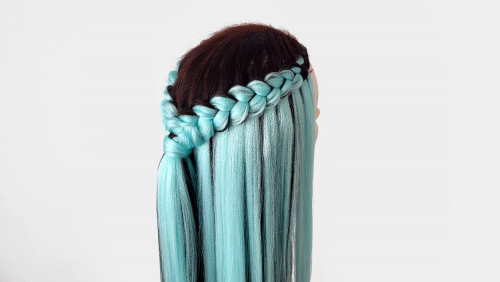
Waterfall Braids: The Flowing Braid Style With Soft Strands, Movement, and Romantic Detail
Waterfall braids are decorative braids designed to create the effect of hair flowing through the braid like a cascade. The style is usually built along the side, crown, or back of the head while selected strands are dropped out of the braid and left loose. These released strands create the signature waterfall effect: soft vertical pieces falling through a horizontal or curved braid line.
This style is different from a standard braid because not every strand stays inside the braid. Instead, the braid acts like a frame while the loose hair becomes part of the design. The result is romantic, dimensional, and visually light. Waterfall braids are often used for special occasions, bridal styling, soft everyday looks, kids’ hairstyles, festival hair, and creative color transformations.
Waterfall braids can be created on natural hair only or combined with extensions. They work especially well on hair with waves, curls, highlights, balayage, or temporary color pieces because the dropped strands show texture and color movement. The style can be simple and delicate or expanded into a more complex braided design.
What Are Waterfall Braids?
Waterfall braids are braid styles where one strand is intentionally released during the braiding process and replaced with a new section of hair. This creates a braid that continues across the head while loose pieces fall from it.
The most common version is based on a French braid technique. The stylist starts a braid near the front or side of the head, adds hair into the braid, then drops one section instead of keeping it inside the braid. A new section is picked up to continue the pattern. This repeated drop-and-replace movement creates the waterfall effect.
The braid may move horizontally around the head, diagonally toward the back, or in a curved shape. It can be placed on one side, both sides, across the crown, or as part of a half-up hairstyle.
The defining feature is the cascade. If all strands remain inside the braid, it is not a true waterfall braid.
Why Waterfall Braids Stand Out
Waterfall braids stand out because they combine structure and softness. The braid gives the hairstyle shape, while the released strands create movement. This contrast makes the style look detailed without feeling heavy.
The braid also frames the loose hair. Instead of pulling all the hair into an updo or braid, the style allows the length to remain visible. This makes waterfall braids a strong choice when the client wants to show curls, waves, color, or long hair.
The style is also highly visual. The dropped strands create vertical lines, while the braid creates a horizontal or curved line. This makes the design easy to recognize in photos and videos.
Waterfall braids can look romantic, youthful, polished, bohemian, or editorial depending on the finish. Smooth hair creates a cleaner pattern. Wavy hair creates a softer effect. Curls add volume and texture. Color accents make the cascade more visible.
Common Types of Waterfall Braids
A classic waterfall braid moves across the side or back of the head, releasing strands evenly along the braid path. This is the most recognizable version.
A double waterfall braid uses two waterfall braids stacked above each other or placed on opposite sides. This creates a more detailed, layered effect.
A waterfall crown braid wraps around the head like a soft crown while the released strands fall through the design. This version is popular for romantic and bridal styling.
A diagonal waterfall braid moves from one side of the head toward the opposite side or lower back section. This creates more movement and a less traditional shape.
A waterfall braid with curls combines the braid with curled or waved loose hair. The curl pattern makes the falling strands more visible and gives the style a softer finish.
A waterfall braid with extensions uses added hair for color, length, or texture. The extensions may be blended into the braid or used as dropped accent strands.
Waterfall Braids vs. French Braids
Waterfall braids are related to French braids, but the structure is different. In a French braid, new sections are added into the braid and remain part of the braid as it continues. This creates a connected braid that holds all included hair.
In a waterfall braid, one section is released each time the pattern continues. A new section replaces it, allowing the braid to move while loose strands fall out. This creates a lighter, more decorative style.
French braids are often used for control, protection, and secure styling. Waterfall braids are more decorative and are usually chosen for visual softness rather than maximum hold.
The techniques share a foundation, but the purpose is different. French braids gather hair. Waterfall braids frame hair.
Waterfall Braids vs. Lace Braids
Waterfall braids and lace braids can look similar because both may travel along the side or crown of the head. The difference is how the hair is added and released.
A lace braid usually adds hair from one side only. It creates a braid that follows a clean edge or hairline. The strands stay inside the braid as the braid progresses.
A waterfall braid releases one strand and replaces it with another section. This creates the falling effect through the loose hair.
A lace braid is useful for framing and controlling the hair. A waterfall braid is useful for creating movement and a decorative cascade.
Stylists sometimes combine both techniques. A waterfall braid may begin like a lace braid, or a lace braid may be used to frame a section before the waterfall detail begins.
Best Hair Types for Waterfall Braids
Waterfall braids can be created on many hair types, but the final look changes depending on texture and length. Medium to long hair usually shows the waterfall effect more clearly because the released strands have enough length to fall visibly.
Straight hair creates a clean, graphic braid pattern. The dropped strands look smooth and defined. This version can feel polished and elegant.
Wavy hair creates one of the softest waterfall braid looks. The waves help the released sections blend naturally into the rest of the hair while still showing movement.
Curly hair gives the style more volume and texture. The braid may look softer and fuller, and the falling strands can create a romantic, dimensional effect.
Coily or highly textured hair can also be styled into waterfall braids, but the technique may need adjustment. The hair may be stretched first for a cleaner pattern, or left textured for a more organic finish.
Layered hair can make the style more challenging because shorter pieces may slip out. Product and pinning may help control the design.
Waterfall Braids with Natural Hair
Waterfall braids can be created with natural hair only. This version is lightweight and often used for temporary styling. It works well for everyday looks, school styles, date-night hair, bridal events, photoshoots, and soft beauty content.
The hair should be detangled before styling so the dropped strands fall smoothly. Depending on the desired finish, the stylist may use mousse, light gel, styling cream, or texture spray.
Natural-hair waterfall braids are usually not meant to last for weeks. They are more often worn for one day or a short period because the released strands remain loose and can frizz, tangle, or lose definition over time.
This style is best when the goal is softness and movement rather than long-term protection.
Waterfall Braids with Extensions
Extensions can make waterfall braids more dramatic. Added hair can create length, fullness, or a color effect. This is especially useful when the client wants the dropped strands to stand out.
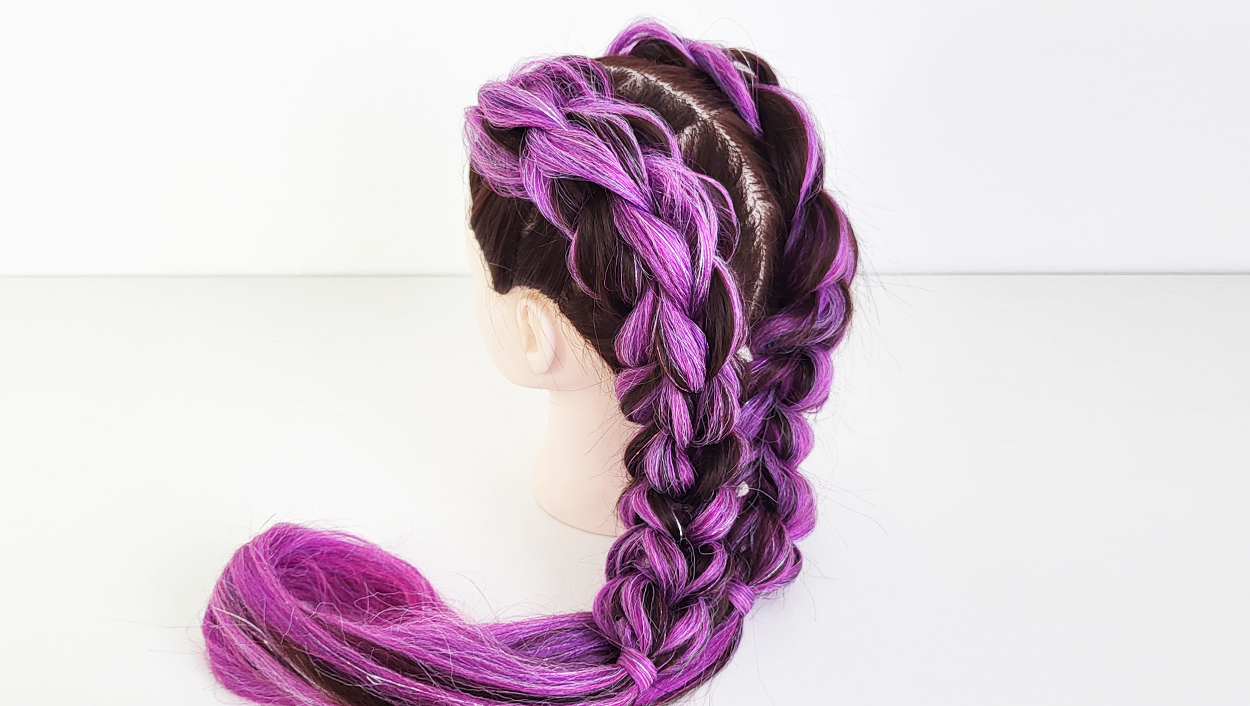
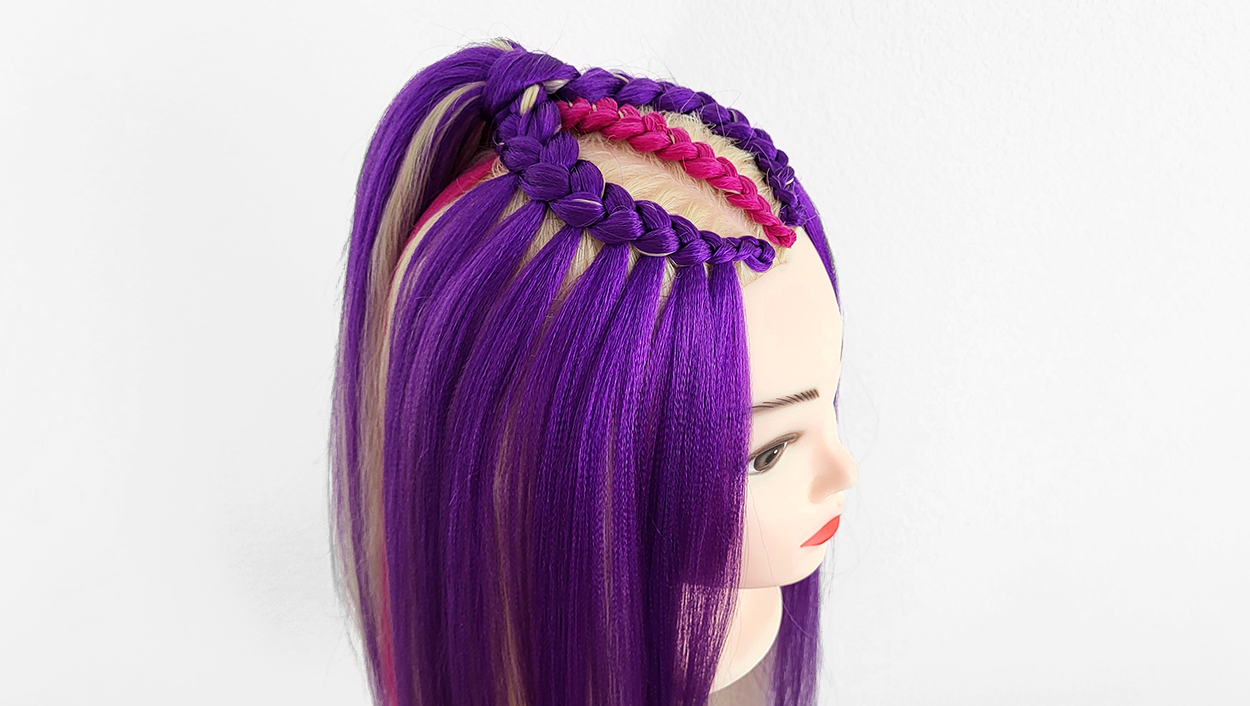
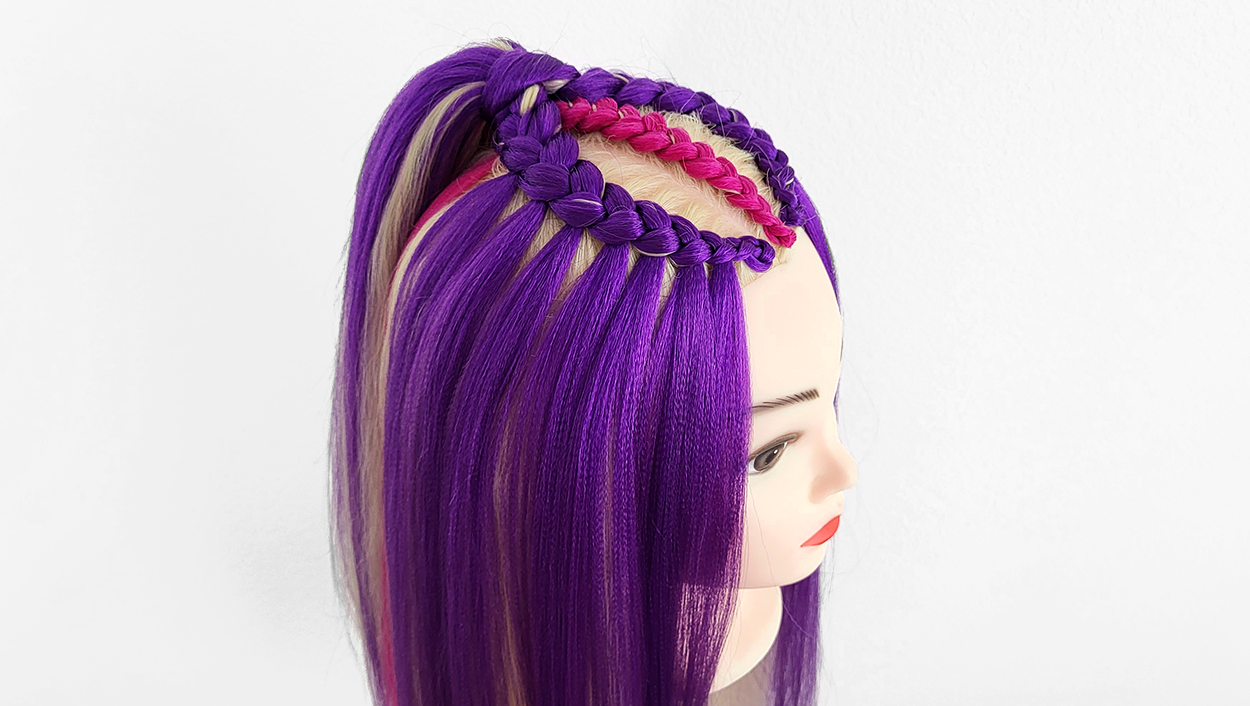
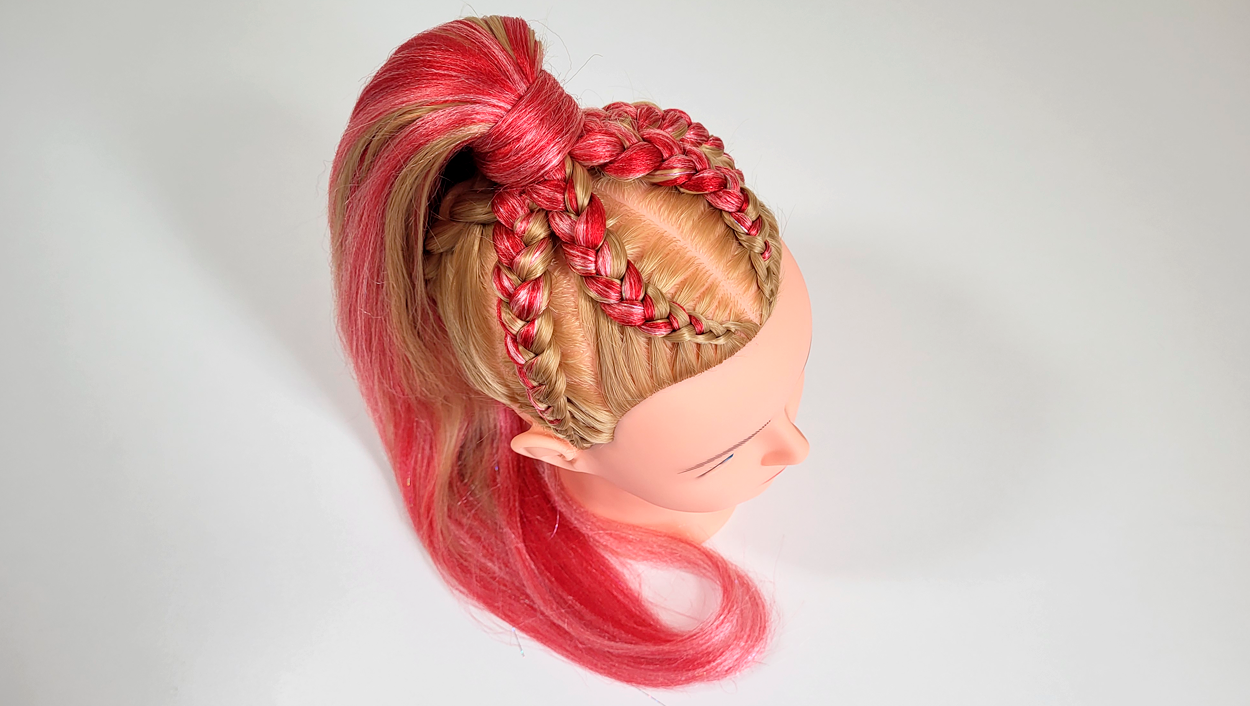
Synthetic hair, clip-in extensions, colored strands, or braiding hair can be used depending on the look. For temporary color changes, colored extensions can be added into the braid so the released waterfall pieces show pink, purple, blue, blonde, copper, or ombré tones.
Extensions must be blended carefully. If the added hair is too thick, the braid may look bulky. If the texture does not match the natural hair, the dropped strands may look disconnected.
A professional stylist should control placement so the extensions appear intentional and balanced. The goal is to enhance the cascade, not overpower the braid.
Waterfall Braids for Color Effects
Waterfall braids are excellent for showing color because the dropped strands separate from the braid and fall over the loose hair. This makes highlights, balayage, ombré, or fashion colors more visible.
A waterfall braid can also be used to create a temporary color transformation. Colored synthetic pieces can be fed into the braid and released as waterfall strands. This allows the wearer to change the look without dyeing the natural hair.
The style works especially well with high-contrast colors. Blonde pieces on dark hair, pink pieces on brown hair, or purple pieces on black hair can create a dramatic visual effect. Softer tones can create a romantic finish.
Placement matters. Color near the face creates focus. Color through the back creates movement. A few dropped color strands can be enough to make the style look custom.
Waterfall Braids for Kids
Waterfall braids are popular for kids because they look sweet, creative, and playful. The style can be used for school events, birthdays, holidays, family photos, performances, or special occasions.
For children, the braid should be gentle and comfortable. The style should not pull tightly at the hairline or temples. Since waterfall braids often include loose hair, they may be better for events than for very active play days.
Kids’ waterfall braids can be decorated with bows, small clips, flowers, ribbons, glitter parts, beads at the ends of small accent braids, or colorful extension pieces.
A simple side waterfall braid with curls can create a polished look without needing a full updo. Comfort and easy removal should always come first.
Waterfall Braids for Adults
For adults, waterfall braids can look romantic, bohemian, elegant, soft, or editorial. They are often used for weddings, engagement photos, date nights, festivals, vacations, beauty content, and semi-formal events.
A side waterfall braid with waves creates a soft everyday look. A crown waterfall braid feels more bridal or boho. A diagonal waterfall braid can look more modern and artistic. A waterfall braid with color pieces can feel playful and fashion-forward.
The style is especially useful when the client wants hair down but still wants a visible braid detail. It gives the hairstyle structure without hiding the length.
For a polished adult look, the braid should be clean, the released sections should be even, and the loose hair should be shaped with intention.
Professional Technique Details
A professional waterfall braid requires controlled sectioning and consistent strand release. The stylist must decide the braid path before starting. The braid can move horizontally, diagonally, around the crown, or along one side.
The dropped strands should be similar in size unless the design intentionally varies them. Uneven dropped sections can make the braid look messy. The replacement sections should also be controlled so the braid stays consistent.
Tension should be balanced. If the braid is too loose, the waterfall pattern may collapse. If it is too tight, the style can look stiff and uncomfortable. The braid should hold its shape while still allowing softness.
Product choice depends on hair texture. Smooth hair may need light grip. Curly or wavy hair may need frizz control. Fine hair may need texture spray for hold. Heavy products can make the braid look greasy or weigh down the loose strands.
Finishing is important. The end of the braid can be pinned under loose hair, braided down, tied with a small elastic, or connected to another braid. The finish should look clean and hidden when possible.
Maintenance and Wear
Waterfall braids are usually short-term styles. They are often worn for a day, an event, or a photoshoot. Because the style includes loose strands, it is not usually a long-term protective style.
To preserve the look for several hours, the wearer should avoid excessive brushing, rough touching, wind exposure, and heavy product. A light finishing spray may help hold the shape.
At night, a waterfall braid may flatten or loosen during sleep. If the wearer wants to preserve it, a satin or silk pillowcase can reduce friction, but the style may still need refreshing the next day.
Removal should be gentle. The braid should be loosened slowly so the dropped strands do not tangle. If extensions or pins are used, they should be removed carefully.
The style should never feel tight or painful. If there is pulling at the hairline, the braid should be loosened.
Styling Options
Waterfall braids can be styled in many ways. They can be worn with loose waves, curls, straight hair, half-up styles, buns, ponytails, or braided crowns.
A single side waterfall braid creates a soft accent. A double waterfall braid creates more detail. A waterfall braid leading into a flower bun creates a romantic event style. A waterfall braid with curls creates movement and volume. A waterfall braid with color extensions creates a bold visual effect.
Accessories can enhance the style. Small flowers, pearls, clips, ribbon, glitter, cuffs, or delicate hair jewelry can be added. Because the braid itself is already decorative, accessories should be used with balance.
The best styling choice depends on hair length, texture, occasion, and the desired level of softness or drama.
Waterfall Braids in Modern Beauty Culture
Waterfall braids remain popular because they are highly visual and easy to adapt. The style appears in bridal hair, prom styling, kids’ hairstyles, festival looks, beauty tutorials, social media content, and creative braiding education.
The braid is especially strong in video tutorials because the drop-and-replace technique is visually satisfying. Viewers can clearly see how the cascade forms as each strand is released.
In salon work, waterfall braids are useful because they can make a simple downstyle feel more finished. They add detail without requiring a full updo or full protective installation.
The style also fits modern beauty culture because it works well with color, texture, and soft movement. It feels romantic without being outdated and decorative without being too heavy.
Why Waterfall Braids Matter
Waterfall braids matter because they show how braid technique can create movement instead of only control. The braid does not gather all the hair; it lets part of the hair flow through the design.
For clients, waterfall braids offer softness, detail, and a beautiful way to show length, texture, and color. For stylists, the technique requires timing, section control, tension balance, and clean finishing.
When done well, waterfall braids look light, romantic, and intentional. They prove that a braid can be both structure and motion at the same time.