
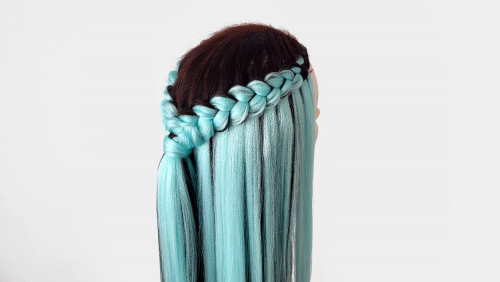
Accent Braids: Small Details That Change the Whole Hairstyle
Accent braids are small decorative braids used to add detail, texture, and visual interest to a hairstyle without turning the entire look into a full braided style. They can be placed around the face, along a parting, near the crown, inside a ponytail, or blended into loose hair. Their purpose is simple: to make a hairstyle look more intentional, polished, and expressive.
Unlike full protective styles such as box braids, cornrows, or knotless braids, accent braids usually work as a design element. They highlight a specific area of the head, create movement, frame the face, or add a creative detail to an otherwise simple hairstyle. This makes them one of the most flexible braid options in modern beauty styling.
What Are Accent Braids?
Accent braids are individual braids or small braid sections added to a hairstyle as a decorative feature. They are not always the main structure of the look. Instead, they support the overall design by adding shape, contrast, or detail.
An accent braid can be as simple as one small three-strand braid placed near the temple, or as detailed as several mini braids woven into a half-up style, ponytail, bun, or loose waves. The braid may be tight and clean, soft and romantic, sleek and polished, or intentionally textured depending on the final look.
Accent braids are often used in everyday hairstyles, festival looks, editorial styling, bridal hair, kids’ hairstyles, and creative beauty content. They work well because they can instantly change the mood of a hairstyle without requiring a full installation or long styling session.
Where Accent Braids Are Placed
Placement is one of the most important parts of accent braids. A small braid can completely change the shape of a hairstyle depending on where it is positioned.
Face-framing accent braids are placed near the front hairline or temples. They help soften the look, bring attention to the face, and add a stylish detail to loose hair or a sleek style. These braids are common in casual, boho, and festival-inspired looks.
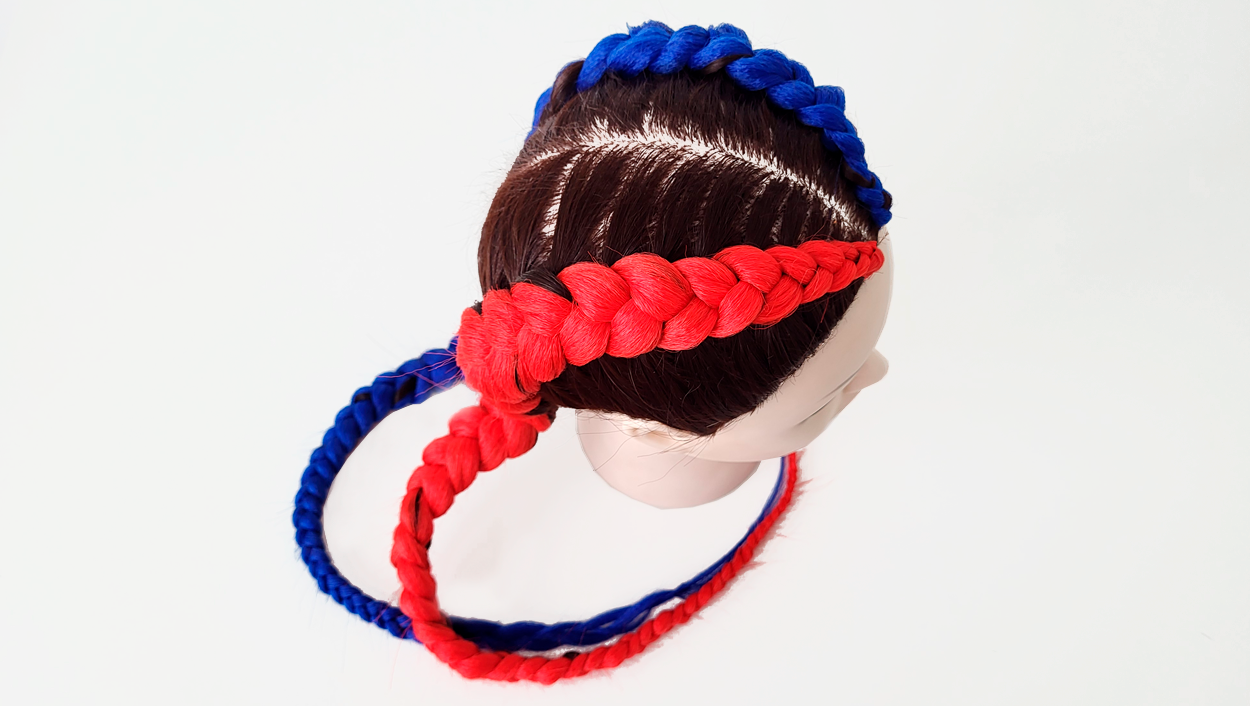
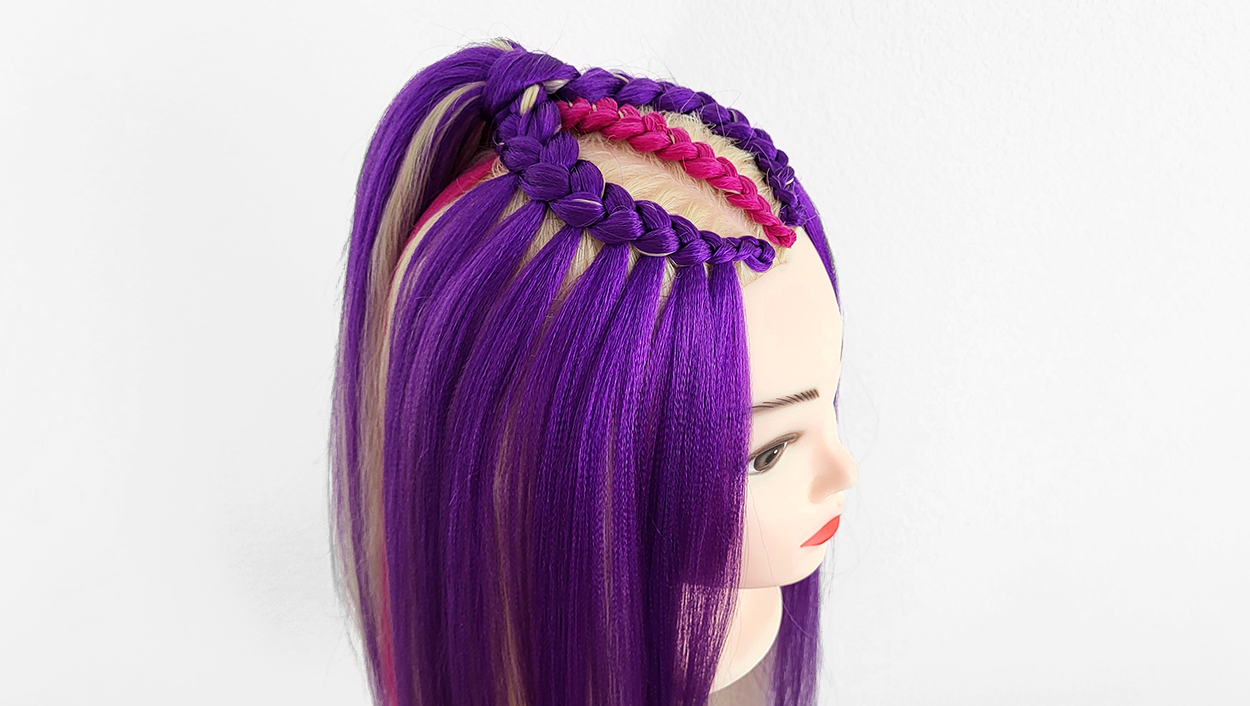
Crown accent braids are placed near the top of the head or along the parting. They can add structure and make the hairstyle look more designed. A narrow braid along a center part, side part, or curved section can create a clean visual line.
Ponytail accent braids are added into or around a ponytail to create more texture. A few small braids inside a high ponytail can make the style look more dynamic, while a braid wrapped around the base can create a polished finish.
Bun and updo accent braids are often used to add detail to formal hairstyles. A small braid can be wrapped into a bun, pinned along the side, or used to connect different sections of the style.
Common Accent Braid Techniques
Accent braids can be created using many different braiding techniques. The most basic version is a simple three-strand braid. It is quick, clean, and easy to place almost anywhere in the hairstyle.
French accent braids are useful when the braid needs to follow the scalp and pick up hair as it moves. This technique works well around the hairline, across the crown, or along a side section.
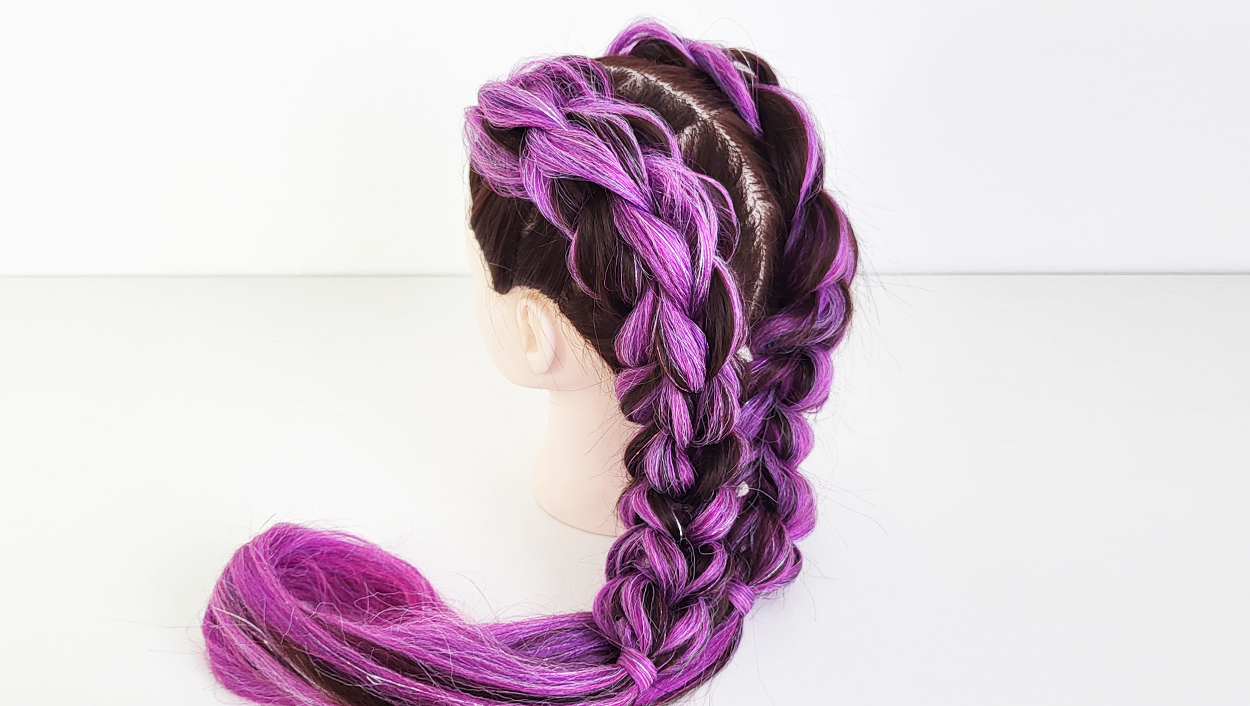
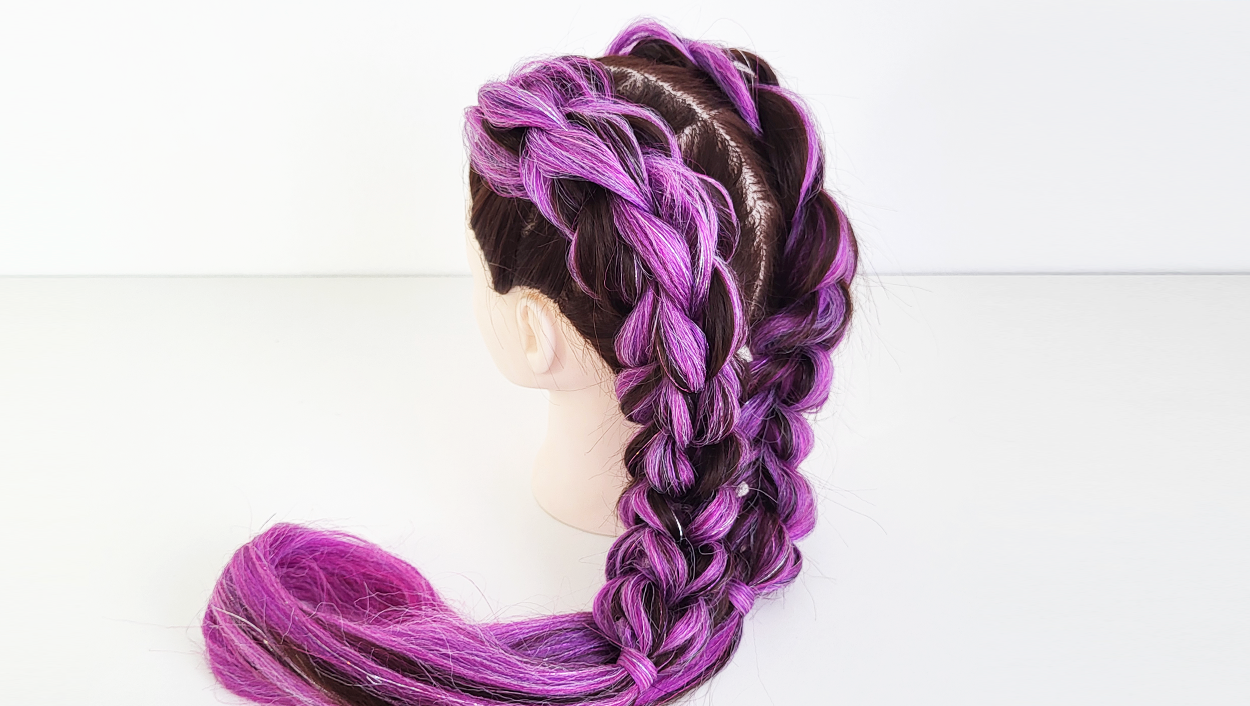
Dutch accent braids create a raised effect because the braid sits on top of the hair. This makes the braid more visible and gives the style a stronger texture. Dutch accent braids are often used in sporty, trendy, and editorial looks.
Fishtail accent braids create a softer, more detailed texture. They are popular in romantic hairstyles, boho styling, and loose waves because they look delicate without feeling too formal.
Rope braids and twist accents can also be used when the stylist wants a cleaner, smoother line. These are especially useful for quick styling, kids’ hairstyles, and half-up looks.
Accent Braids with Loose Hair
One of the most popular ways to wear accent braids is with loose hair. The rest of the hair may be straight, wavy, curly, or textured, while one or several small braids add detail to the final look.
This style works because it gives the hair shape without removing its natural movement. A single braid near the face can make loose waves look more styled. Several small braids throughout the hair can create a festival or beach-inspired effect. A braid along the parting can add a clean, editorial detail.
Accent braids with loose hair are often used when the goal is to keep the hairstyle soft but not plain. They are easy to adapt for casual wear, photoshoots, events, and social media content.
Accent Braids with Extensions
Accent braids can be created with natural hair only or with added hair. When extensions are used, they can add length, color, thickness, or contrast to the braid.
Colored synthetic hair is often used for bold accent braids. A small braid in pink, blue, purple, blonde, or ombré tones can create a strong visual detail without coloring the natural hair. This makes accent braids a popular choice for temporary color effects.
Extensions can also help create longer face-framing braids or decorative braids in ponytails and buns. The key is to keep the added hair balanced with the client’s natural hair density so the braid does not feel too heavy or pull at the root.
Who Are Accent Braids Best For?
Accent braids are suitable for many hair types, lengths, and textures. They can work on natural hair, straight hair, wavy hair, curly hair, coily hair, and styles that include extensions.
They are a strong option for clients who want a braided detail but do not want a full braided installation. They also work well for people who want a quick style upgrade, a creative touch for an event, or a simple way to change their everyday look.
For beginners, accent braids are a practical way to practice sectioning, hand control, and braid placement. For professional stylists, they are a useful design tool that can add value to finished hairstyles, especially for clients who want custom details.
Professional Styling Details
Clean sectioning is important for accent braids, even when the braid is small. A messy section can make the detail look unfinished, while a clean part helps the braid look intentional.
Tension should be controlled carefully. Accent braids are often placed near sensitive areas such as the hairline, temples, or crown. The braid should feel secure, but it should not pull, cause discomfort, or create stress at the root.
The braid size should match the hairstyle. A very thin braid can look delicate and subtle, while a thicker braid creates a stronger statement. The stylist should also consider the client’s hair density, face shape, parting, and overall style direction.
Finishing products can help refine the look. Light gel or edge control may be used for cleaner parting and smoother roots. Mousse or spray can reduce flyaways. Pins, elastics, beads, cuffs, or small accessories can be added if the style needs more detail.
Accent Braids in Modern Beauty Culture
Accent braids are popular because they fit the way people style hair today: flexible, creative, and easy to personalize. They appear in street style, festival hair, bridal styling, kids’ looks, editorial shoots, and social media tutorials.
They are especially useful in beauty content because they show technique without requiring a full protective style. A small braid can make a hairstyle more eye-catching in photos and videos, while still being simple enough for everyday wear.
In professional styling, accent braids show how small details can change the entire feeling of a look. They can make a ponytail feel more finished, make loose hair feel more designed, or turn a simple bun into a custom hairstyle.
Why Accent Braids Matter
Accent braids prove that braiding does not always have to be the whole hairstyle to make an impact. Sometimes one small braid is enough to create structure, highlight the face, add texture, or bring personality into the look.
They are simple, but they are not random. A good accent braid is placed with intention. It supports the shape of the hairstyle, fits the client’s look, and adds detail without overwhelming the design.
For braid lovers, accent braids are one of the easiest ways to experiment with braided styling. For professionals, they are a creative tool that can elevate everyday hair into something more personal, modern, and polished.