
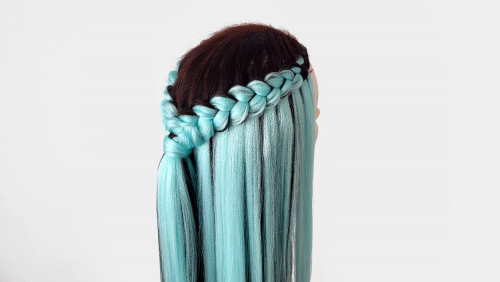
Braided Mohawk: A Bold Centerline Style Built With Braids, Height, and Attitude
A braided mohawk is a hairstyle that uses braids to create the visual shape of a mohawk: height, texture, or volume through the center of the head, with the sides kept tighter, flatter, or more controlled. Unlike a traditional mohawk haircut, this version does not require shaving the sides. The shape is created through sectioning, braid direction, styling, and placement.
This style is known for contrast. The center section becomes the focal point, while the sides support the shape. The middle can be built with cornrows, feed-in braids, Dutch braids, twists, curls, box braids, loc-inspired braids, or a combination of techniques. The sides may be braided close to the scalp, slicked down, twisted, pinned, or styled flat to emphasize the raised center.
Braided mohawks are popular because they combine edge with control. They can look bold and street-style inspired, clean and sculptural, romantic with curls, or polished enough for events and editorial styling. The final result depends on braid size, parting, texture, height, length, accessories, and how dramatic the center shape is.
What Is a Braided Mohawk?
A braided mohawk is a braid-based hairstyle designed to create a vertical strip of visual focus from the front hairline toward the nape. The central area is styled higher, fuller, or more decorative, while the side areas are kept closer to the head.
The style can be created with natural hair only or with added hair. Extensions are often used when the client wants extra length, thickness, volume, color, or a more dramatic silhouette. Synthetic braiding hair can make the center braid larger, help build height, or add a bold color detail.
There is no single braided mohawk technique. Some versions use one large braid down the center. Others use several cornrows leading into a central braid, bun, ponytail, or curly section. Some designs use side cornrows with loose curls in the middle. Others use box braids or loc styles shaped upward into a mohawk effect.
The defining feature is the silhouette: controlled sides with a stronger center.
Why the Mohawk Shape Works With Braids
The mohawk shape works well with braids because braiding can control direction, tension, and volume. Braids can flatten the sides, build structure in the middle, and create a strong visual line from front to back.
The shape is powerful because it changes the balance of the head. Instead of spreading volume evenly, the style concentrates the eye in one vertical path. This makes the look feel taller, sharper, and more intentional.
Braids also make the style more wearable. A traditional mohawk often depends on a haircut, shaving, or heavy styling products. A braided mohawk can create the same visual attitude without permanently changing the hair. This makes it a strong option for clients who want an edgy look for a temporary style, event, photoshoot, vacation, or protective installation.
Common Types of Braided Mohawks
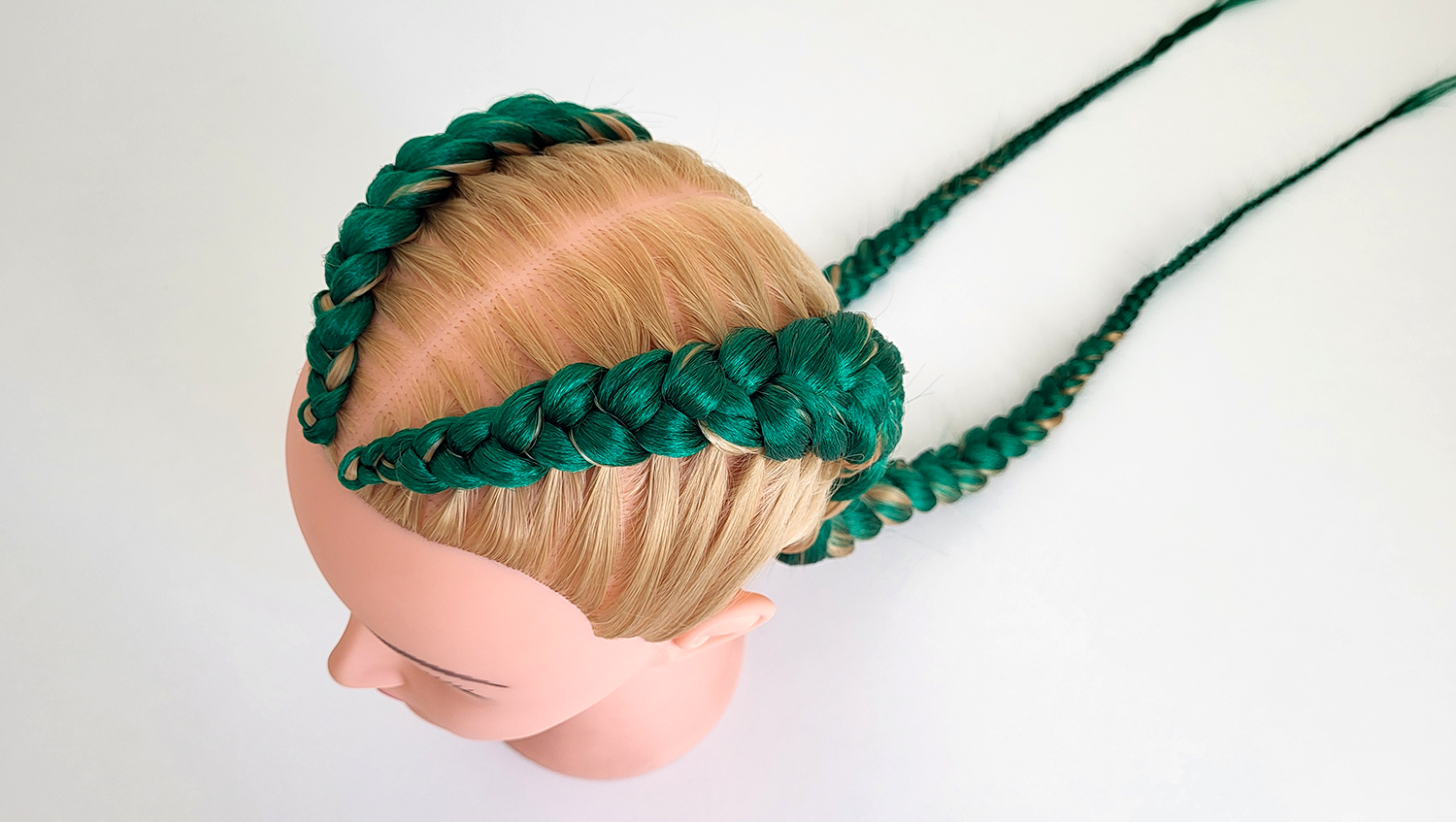
A cornrow braided mohawk uses cornrows on the sides and a raised braid or textured section in the center. This version is clean, structured, and common in protective styling.
A feed-in braided mohawk uses added braiding hair to build a smooth, gradual braid through the center. The sides may include smaller feed-in braids, curved cornrows, or stitch details.
A Dutch braid mohawk uses one or more raised Dutch braids down the center. This version works well on natural hair, straight hair, wavy hair, and extension-enhanced styles.
A curly braided mohawk combines braided sides with curls through the center. This creates a softer, more romantic finish while still keeping the mohawk shape.
A box braid mohawk uses individual braids styled upward or toward the center. The braids may be pinned, wrapped, or gathered to create height and shape.
A faux loc or twist mohawk uses loc-inspired braids, twists, or faux locs arranged into a centerline shape. This version often feels more textured, boho, or editorial.
Braided Mohawk With Cornrows
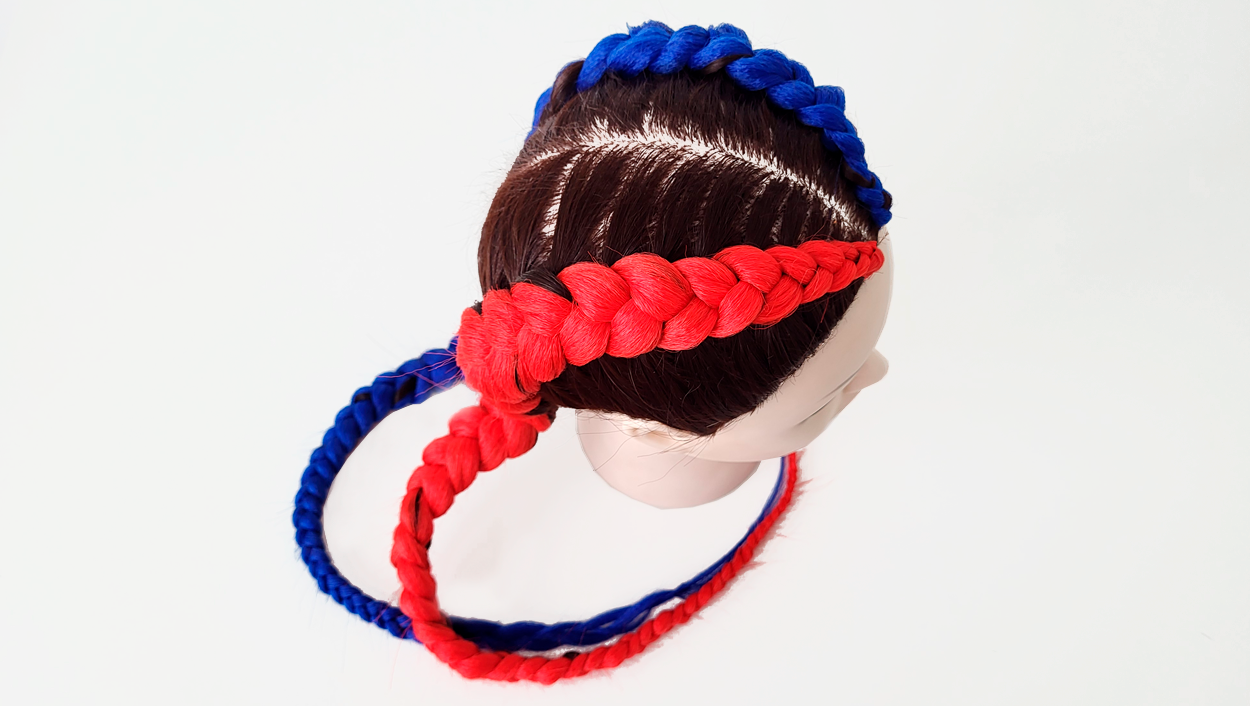
Cornrows are one of the most common foundations for a braided mohawk. They keep the side sections flat and controlled while directing attention toward the center. The cornrows may be straight, curved, diagonal, stitch-style, or arranged in a more creative pattern.
The center section can be braided into one large braid, several smaller braids, a ponytail, curls, twists, or a bun. This gives the stylist room to create different levels of drama. A low-profile center braid feels sporty and clean. A high-volume center section feels more fashion-forward.
Cornrow braided mohawks can be used for kids’ hairstyles, dance styles, protective styles, festival looks, and salon designs. The key is to keep the side tension comfortable. The sides should look sleek, but they should not pull too tightly around the hairline or temples.
Braided Mohawk With Curls
A braided mohawk with curls is a softer version of the style. The sides are usually braided, twisted, or slicked close to the scalp, while the center is left curly, coily, wavy, or extension-enhanced.
This version works well when the client wants edge without losing softness. The curls create volume, movement, and femininity, while the controlled sides keep the mohawk shape clear.
The center curls can be natural hair, wand curls, flexi-rod curls, crochet curls, curly extensions, or loose pieces added to braids. The look can be casual, romantic, bridal-inspired, festival-ready, or editorial depending on the curl pattern and height.
Balance is important. If the center is too wide, the style may lose the mohawk effect. If it is too narrow, it may look too severe. The stylist must shape the center section to fit the client’s head, face, and desired level of drama.
Braided Mohawk With Extensions
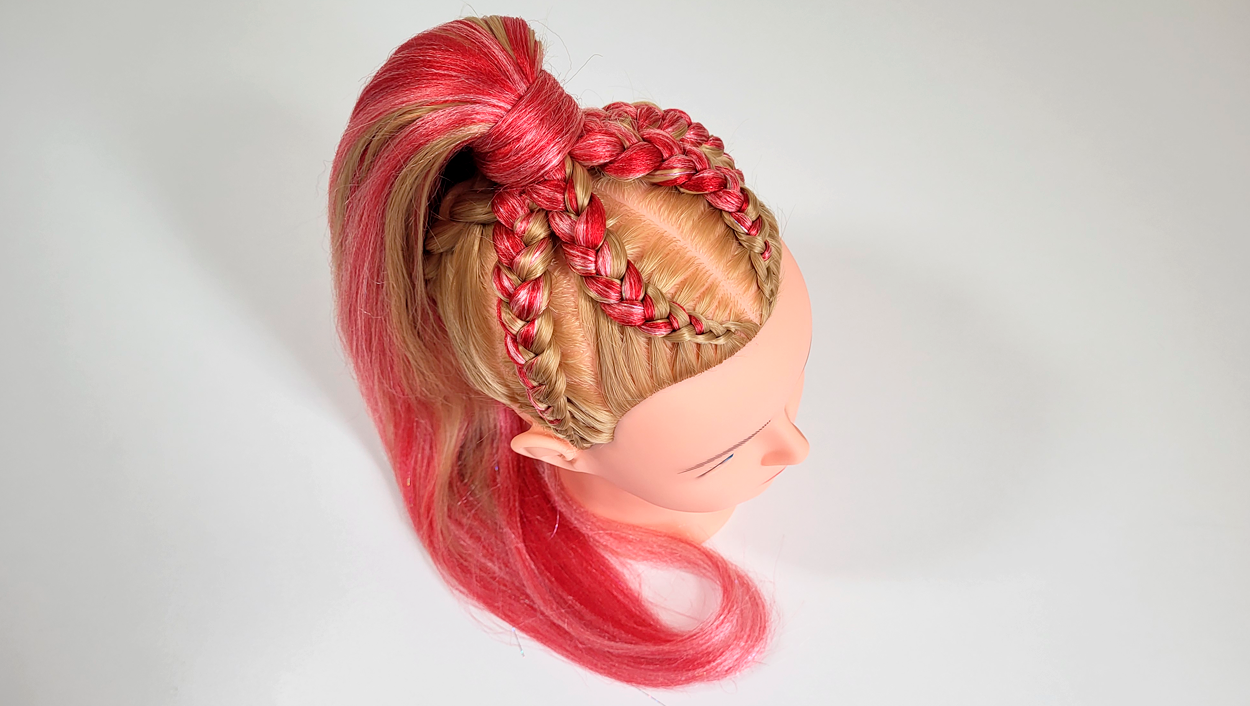
Extensions are often used in braided mohawks because they help create stronger shape and more dramatic volume. Added braiding hair can make the center braid thicker, longer, or more sculptural. It can also create color contrast without coloring the client’s natural hair.
Feed-in techniques are useful for braided mohawks because they allow the stylist to gradually build size. This creates a clean transition from the natural hair into a larger braid or center structure.
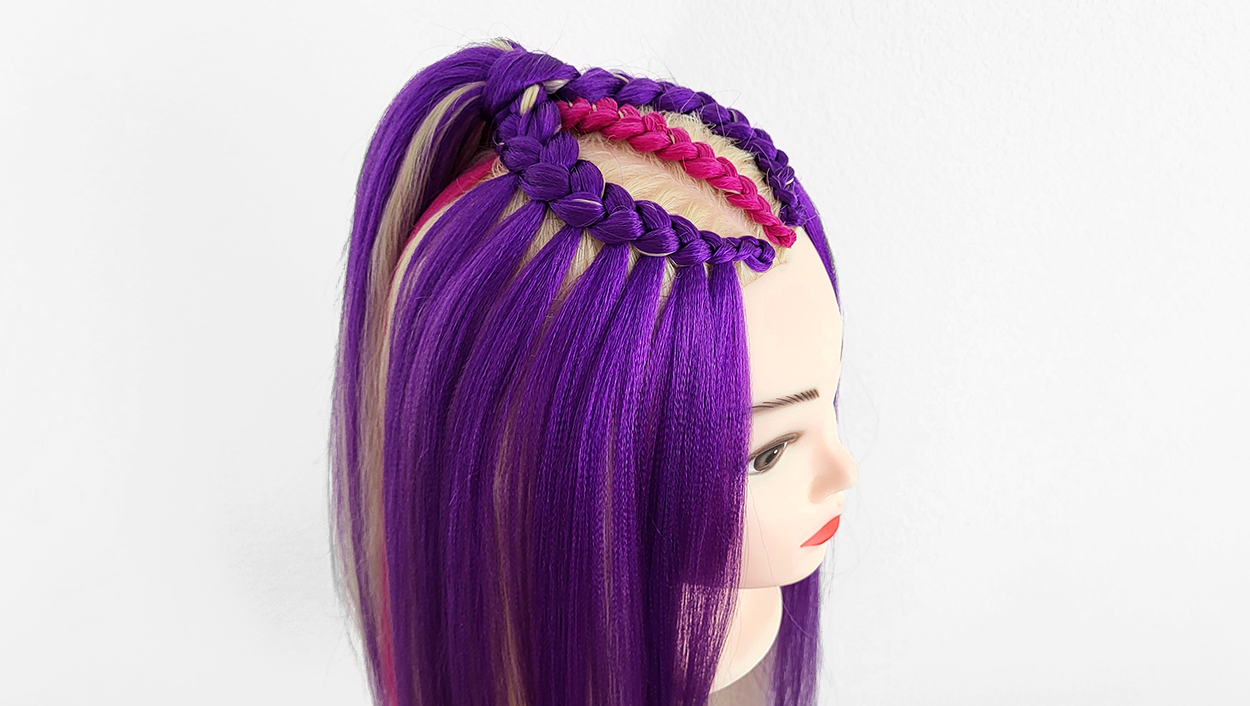
Colored extensions can make the style more expressive. Blonde, copper, burgundy, pink, blue, purple, ombré, or neon shades can be added through the center braid or side details. A small color accent can make the mohawk more creative without overwhelming the full hairstyle.
Extensions should be used carefully. A braided mohawk can become heavy if too much hair is added to the center. The weight should be distributed properly, and the braid should not pull at the front hairline, crown, or nape.
Braided Mohawk for Natural Hair
A braided mohawk can be created on natural hair without extensions. This version often uses cornrows, flat twists, Dutch braids, or pinned curls to shape the hair upward and toward the center.
Natural hair braided mohawks can be protective because the sides are braided or twisted and the hair is kept controlled. The center may be braided, twisted, curled, or left in a textured puff. This makes the style adaptable for curly, coily, and kinky hair textures.
This version is especially useful for clients who want a bold shape but prefer not to add synthetic hair. It can be worn for everyday styling, special events, school, work, performances, or creative beauty looks.
The finish depends on the desired mood. A sleek natural hair mohawk can feel polished. A fuller textured center can feel powerful and expressive. Accessories can make the style more decorative.
Who Is a Braided Mohawk Best For?
A braided mohawk is best for clients who want a hairstyle with strong shape, personality, and visible design. It works well for people who like bold styling but do not want to permanently cut or shave the sides.
This style can be adapted for many hair types and textures. It can work on natural hair, relaxed hair, straight hair, wavy hair, curly hair, coily hair, and extension-enhanced hair. The technique changes depending on the hair texture, density, length, and desired result.
A braided mohawk can be a strong choice for events, festivals, dance, performances, photoshoots, creative styling, kids’ looks, and protective hairstyles. It can also work for everyday wear if the design is kept clean and comfortable.
Clients with fragile edges, scalp sensitivity, thinning areas, or recent damage should be careful with tight side braids. The style should be adjusted to protect the hairline and avoid excessive tension.
Professional Technique Details
A strong braided mohawk begins with sectioning. The stylist must decide how wide the center section will be and how the side sections will support it. The center should be wide enough to create impact but narrow enough to keep the mohawk shape recognizable.
Parting direction matters. Straight parts create a clean, graphic look. Curved parts soften the style. Diagonal parts make the design more dynamic. Stitch parts or detailed scalp patterns can make the style more technical and editorial.
Tension control is essential. The side sections are often braided close to the scalp, which can create pulling if done too tightly. The braids should feel secure but not painful. The hairline, temples, and nape should be protected.
The center structure must be balanced. If the center braid or curl section is too heavy, it can pull backward or collapse. If it is too flat, the style may lose its mohawk effect. The stylist must control height, density, and direction.
Finishing details also matter. The ends may be tucked, pinned, curled, wrapped, or left loose depending on the design. Accessories such as cuffs, rings, beads, thread, or hair jewelry can be added, but they should not make the style too heavy.
Maintenance and Wear
Maintenance depends on the technique used. A simple Dutch braid mohawk may last one day or a few days. A cornrow braided mohawk can last longer with proper care. A protective braided mohawk with extensions may last several weeks depending on braid size, scalp care, and lifestyle.
At night, the style should be protected with a satin or silk scarf, bonnet, or pillowcase. This helps reduce frizz and preserve the shape. If the center includes curls, they may need extra protection or refreshing.
The scalp should stay clean and comfortable. Lightweight products may be used to reduce dryness or frizz, but heavy buildup should be avoided. If the sides feel tight or sore, the style should be loosened or removed.
For styles with height, clients should avoid crushing the center section during sleep. Loose wrapping or careful positioning can help keep the shape intact.
Styling Options
A braided mohawk can be styled in many ways. The center braid can be worn as one large braid, several connected braids, a braided ponytail, or a braided bun. The sides can be cornrowed, slicked, twisted, or braided into patterns.
A curly center creates softness. A braided center creates structure. A twisted center creates texture. A loc-inspired center creates a stronger protective style effect.
The style can be finished with accessories. Gold cuffs create a polished look. Hair rings add an edgy detail. Beads add movement. Thread can add color and pattern. Curly pieces can make the style more romantic or boho.
The best styling choice depends on the client’s comfort, hair type, event, and desired level of drama.
Braided Mohawks in Modern Beauty Culture
Braided mohawks remain popular because they combine the energy of a statement hairstyle with the technical control of braiding. They appear in salon styling, stage looks, kids’ hair, dance hairstyles, festival beauty, red carpet styling, editorial shoots, and social media tutorials.
The style is especially strong on camera because it has a clear silhouette. The viewer can immediately see the shape, the side control, and the center detail. This makes braided mohawks useful for beauty content and creative styling portfolios.
In the beauty industry, braided mohawks show how braiding can move beyond traditional patterns. The stylist is not only braiding hair; they are building architecture. The design requires planning, sectioning, tension control, volume placement, and finishing.
Why Braided Mohawks Matter
Braided mohawks matter because they show the sculptural side of braiding. The style is not only about creating braids. It is about creating shape, height, contrast, and attitude.
For clients, a braided mohawk offers a bold look without a permanent haircut. It can be protective, expressive, elegant, edgy, or artistic. For stylists, it is a design-focused style that requires both technical skill and visual balance.
When done well, a braided mohawk looks intentional, comfortable, powerful, and modern. It proves that braids can be more than a pattern. They can become a full hairstyle structure.