
Braided Pigtails: A Classic Two-Sided Style With Modern Braiding Energy
Braided pigtails are a two-sided hairstyle where the hair is divided into two sections and braided separately. The braids usually fall on each side of the head, either low near the nape, high near the crown, or somewhere in between. The style is simple in structure, but it can change completely depending on the braid technique, parting, texture, length, and styling details.
This hairstyle is often associated with childhood, school styles, sports, and casual everyday hair. In modern beauty culture, however, braided pigtails have moved far beyond a basic look. They can be clean and minimal, soft and romantic, sleek and athletic, protective and practical, or bold enough for editorial styling.
Braided pigtails work because they create balance. The center part or divided shape gives the hairstyle symmetry, while the braids provide texture and control. The style can be created with natural hair only or with added braiding hair for length, color, fullness, or stronger shape.
What Are Braided Pigtails?
Braided pigtails are two braids created from two separated sections of hair. The hair is usually divided down the center, although side parts, zigzag parts, curved parts, and creative sectioning can also be used.
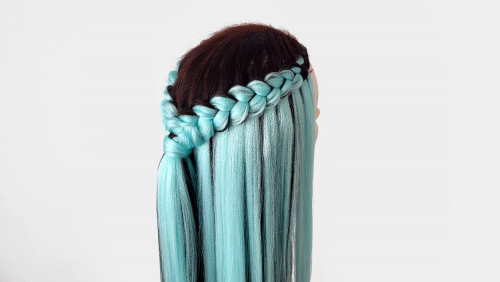
The braids can be simple three-strand braids, French braids, Dutch braids, fishtail braids, rope braids, cornrows, or feed-in braids. The final look depends on whether the braids start at the scalp or begin lower from ponytail sections.
Classic braided pigtails often start as two low ponytail-style sections that are braided down. French or Dutch braided pigtails begin at the top of the head and gather hair as they move down each side. Cornrow pigtails are braided close to the scalp and can end in two hanging braids, buns, or ponytails.
The defining feature is the two-sided braid structure. The style is built around balance, direction, and matching movement on both sides of the head.
Why Braided Pigtails Stay Popular
Braided pigtails remain popular because they are practical, recognizable, and easy to adapt. The style keeps hair organized and away from the face while still allowing the braids to move naturally.
For kids, braided pigtails are useful because they can be secure, comfortable, and playful. For adults, they can look sporty, nostalgic, trendy, or fashion-forward depending on how they are styled. For braiders, they are a strong foundation for practicing symmetry and clean parting.
The style also works well for active lifestyles. Braided pigtails can hold better than loose hair during school, workouts, dance, travel, or long days. When created with proper tension, they can be comfortable and low-maintenance.
In beauty content, braided pigtails photograph well because the shape is easy to read. The viewer immediately sees the parting, braid pattern, and balance between both sides.
Common Types of Braided Pigtails
Classic braided pigtails are made by dividing the hair into two sections and braiding each side from the ponytail area down to the ends. This is one of the simplest versions and works well for everyday styling.
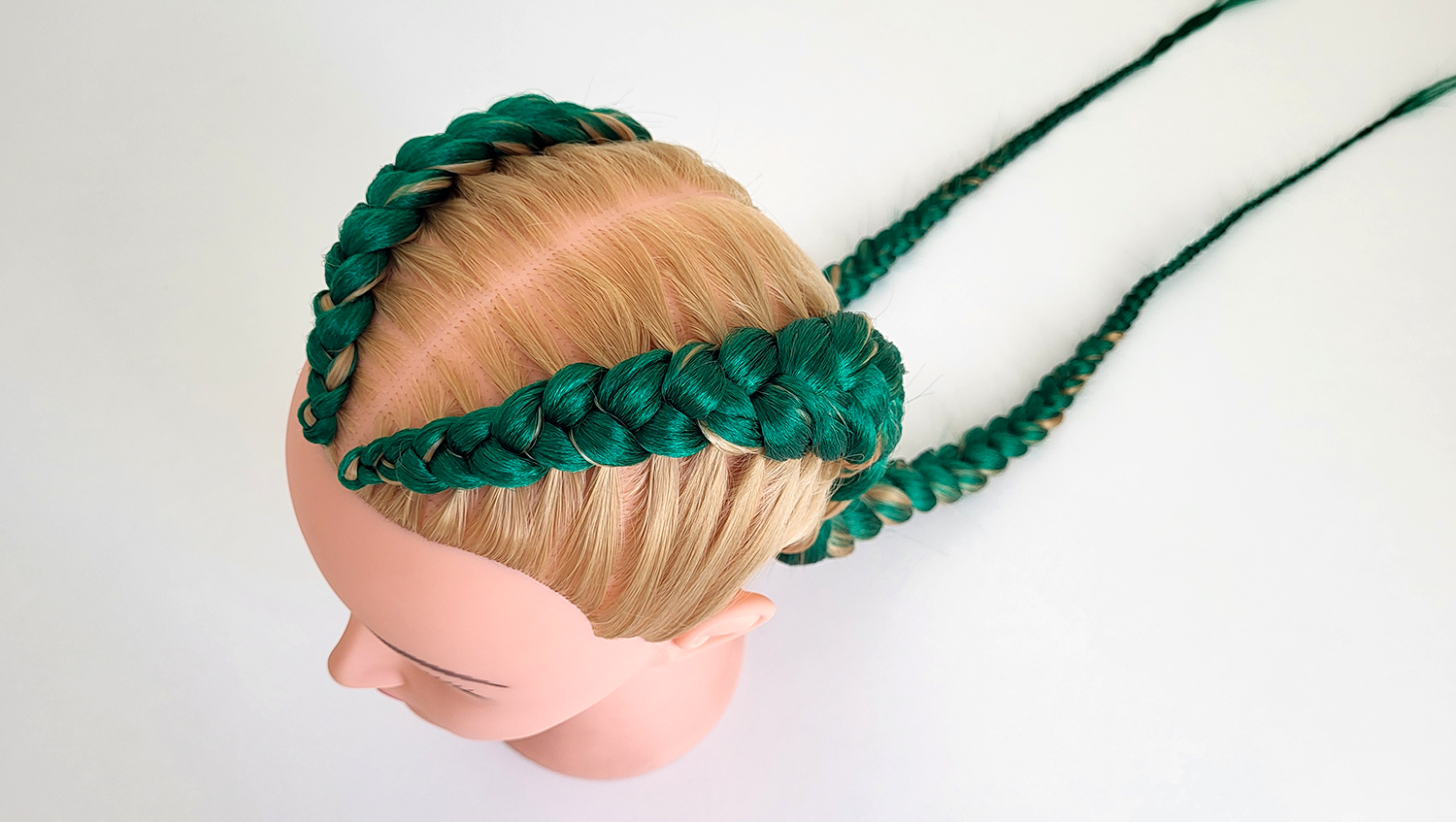
French braided pigtails start near the front or crown and gather hair into each braid as the braid moves down. This creates a flatter, more connected look that keeps the hair controlled from root to end.
Dutch braided pigtails create a raised braid effect. The braids sit on top of the hair, making the pattern more visible. This version is popular for sporty styles, festival hair, kids’ looks, and social media tutorials.
Fishtail pigtails use a two-section fishtail technique for a softer, more detailed texture. They work well with longer hair and create a more romantic or boho-inspired look.
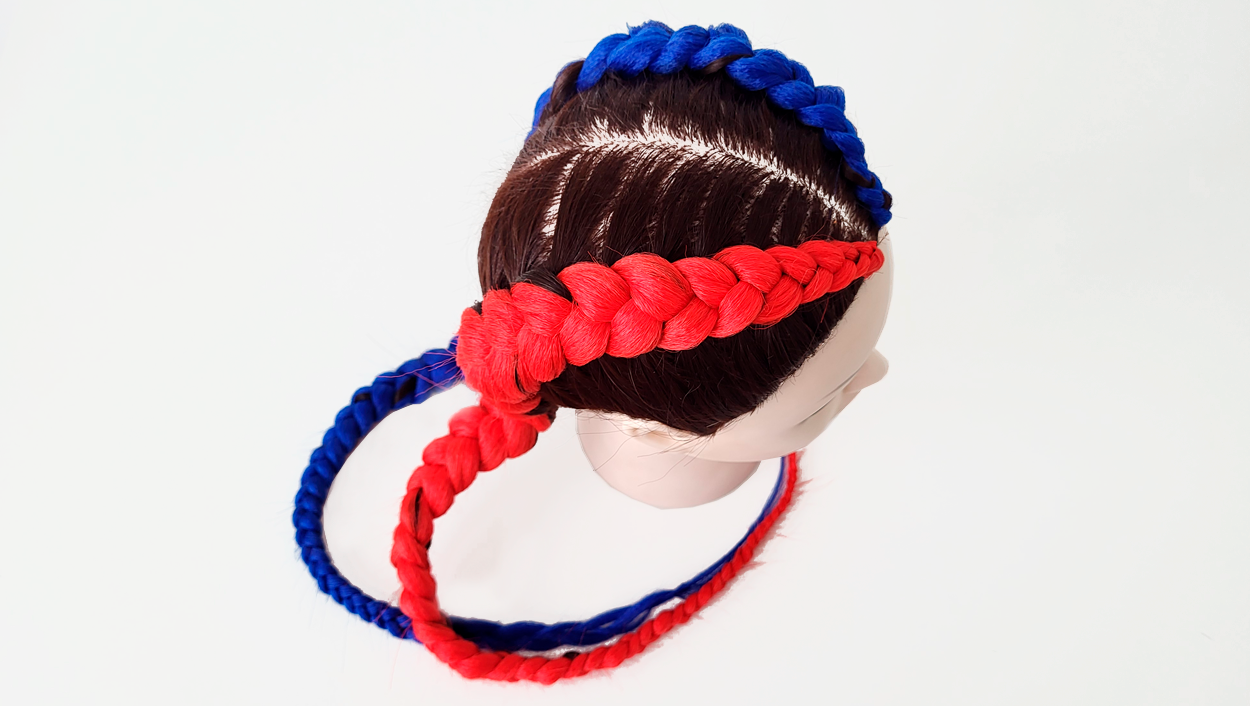
Cornrow pigtails are braided close to the scalp and can be directed into two long braids. This version is often used in protective styling and can be created with natural hair or added braiding hair.
Feed-in braided pigtails use extensions added gradually to create longer, fuller braids with a smooth transition. This technique is popular when the client wants length, polish, and a clean professional finish.
Braided Pigtails With Natural Hair
Braided pigtails can be created with natural hair only. This version is useful for everyday styling, kids’ hair, school looks, workouts, and quick protective styling. The hair may be braided loose, French braided, Dutch braided, or cornrowed depending on the desired hold.
Natural hair braided pigtails can work on straight, wavy, curly, and coily textures. The technique should be adjusted to the hair type. Straight hair may need texture spray or light product for grip. Curly or coily hair may need detangling, moisturizing, or stretching before braiding.
The style can be sleek or textured. A sleek finish uses clean parting, smoothing product, and controlled edges. A softer finish allows natural volume and texture to show through the braids.
This version is also a good option for people who want a simple low-manipulation style without adding extensions.
Braided Pigtails With Extensions
Extensions can change braided pigtails dramatically. Added braiding hair can create longer braids, thicker sections, more color, and a stronger visual effect.
Feed-in pigtails are one of the most common extension-based versions. The braider starts with the client’s natural hair and gradually adds synthetic hair into each braid. This creates a smooth, natural-looking build and allows the braids to become longer and fuller.
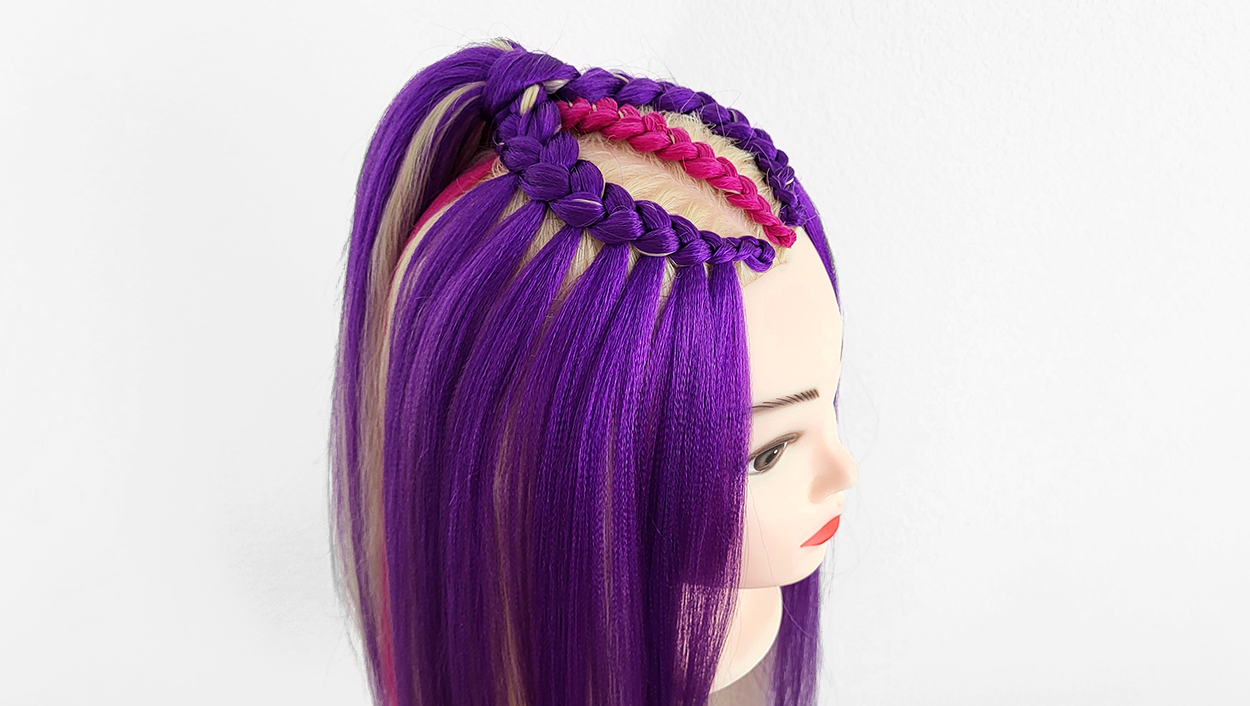
Extensions can also be used for color. Blonde, copper, burgundy, pink, purple, blue, ombré, or mixed tones can be added without coloring the natural hair. This makes braided pigtails a popular option for festival looks, kids’ styles, sports teams, and creative beauty content.
The weight of the added hair must be balanced. Two long, heavy braids can pull on the scalp if too much hair is used. A professional stylist should adjust the amount of extension hair to the client’s natural hair density and comfort level.
High vs. Low Braided Pigtails
High braided pigtails sit closer to the crown or upper sides of the head. They create a more playful, youthful, and energetic look. High placement can also make the style feel more dramatic, especially with long extensions or bold color.
Low braided pigtails sit near the nape or behind the ears. They usually feel softer, more classic, and more wearable for everyday styling. Low pigtails can look relaxed, romantic, sporty, or minimal depending on the braid technique.
Mid-level braided pigtails sit between the high and low versions. They offer balance and are often used in French or Dutch braid styles because the braid naturally follows the curve of the head.
Placement changes the mood of the hairstyle. The same braid technique can feel completely different depending on where the pigtails begin.
Braided Pigtails for Kids
Braided pigtails are one of the most common kids’ hairstyles because they are practical, cute, and secure. They keep hair organized during school, play, sports, and daily routines.
For children, comfort is the main priority. The braids should not be too tight, especially around the hairline, temples, and nape. Lightweight elastics, soft accessories, and age-appropriate bead choices are usually better than heavy or sharp decorations.
Kids’ braided pigtails can be simple or creative. They may include colorful elastics, beads, bows, ribbons, heart parts, zigzag parts, or small accent braids. The style can be playful while still being protective and manageable.
A good kids’ braided pigtail style should be secure enough to last, but gentle enough to protect the child’s hair and scalp.
Braided Pigtails for Adults
For adults, braided pigtails can be casual, sporty, nostalgic, or high-fashion. The style has become popular again in street style, festival beauty, gym hairstyles, editorial shoots, and social media content.
Dutch braided pigtails create a strong athletic look. Loose fishtail pigtails feel soft and romantic. Feed-in pigtails with long extensions create a sleek, modern beauty finish. Cornrow pigtails can look clean, protective, and bold.
Adults can also customize the style with color, curls, accessories, or face-framing pieces. A few loose curls near the front can soften the look. Hair cuffs or rings can make it feel more editorial. Clean middle parting can make the style look polished and intentional.
The key is proportion. The braid size, length, and placement should match the wearer’s face shape, hair density, and personal style.
Professional Technique Details
Clean parting is one of the most important details in braided pigtails. Because the style is symmetrical, uneven parting is easy to see. A center part should be straight and balanced unless the design intentionally uses a zigzag, curved, or creative part.
The braid direction should match on both sides. If one braid sits closer to the ear and the other sits farther back, the style can look uneven. A professional braider checks the shape from the front, sides, and back.
Tension should be controlled carefully. The braids should feel secure but not painful. Tight pigtails can cause discomfort, especially near the hairline and behind the ears. The nape area can also become sensitive if the braids are pulled too tightly.
If extensions are used, the added hair should be distributed evenly between both braids. One braid should not feel heavier or thicker than the other. Consistency creates a cleaner and more professional result.
Maintenance and Wear
The wear time depends on the braid technique. Simple loose braided pigtails may last one day. French or Dutch braided pigtails can last a few days with proper protection. Cornrow or feed-in pigtails may last longer depending on the hair type, parting, and maintenance.
At night, the braids can be protected with a satin or silk scarf, bonnet, or pillowcase to reduce frizz. Long pigtails can be loosely gathered to prevent tangling during sleep.
The scalp should remain comfortable. If the braids feel tight, cause bumps, or create soreness, they should be loosened or removed. A hairstyle should not hurt in order to last.
For styles with extensions, heavy pulling should be avoided. Tight buns, high wrapping, or sleeping with tension on the braids can stress the roots.
Styling Options
Braided pigtails can be styled in many ways. The braids can hang loose, be tied with ribbons, finished with beads, curled at the ends, wrapped into two buns, or connected into a larger updo.
Two Dutch braids can be worn as a sporty style. Two fishtail braids can create a softer beauty look. Feed-in pigtails can be long, sleek, and dramatic. Cornrow pigtails can include stitch parts, curved designs, or small accent braids.
Accessories can change the final mood. Bows create a cute or youthful finish. Beads add movement and sound. Cuffs add shine. Colored extensions create a stronger fashion effect.
The best version depends on the occasion, hair type, comfort level, and desired style direction.
Braided Pigtails in Modern Beauty Culture
Braided pigtails have returned as a major style because they are familiar but easy to reinvent. They appear in beauty tutorials, gym looks, kids’ hairstyles, festival styling, runway inspiration, and everyday protective hair content.
The style works well in modern content because it is visually clear. The two-sided shape is easy to follow in tutorials, and the braid pattern shows well on camera. It also allows for many transformations: natural hair to extensions, simple braids to feed-in braids, classic pigtails to editorial styling.
In the beauty industry, braided pigtails are valuable because they teach balance. A stylist must control parting, symmetry, tension, braid direction, and finish. Even a simple-looking pigtail style can show whether the technique is clean.
Why Braided Pigtails Matter
Braided pigtails matter because they prove that a familiar style can stay relevant through technique and styling. The basic idea is simple: two sections, two braids. But the result can be playful, protective, athletic, polished, or editorial.
For clients, braided pigtails offer comfort, control, and personality. For stylists, they are a strong exercise in symmetry and clean execution. When done well, braided pigtails look balanced, intentional, and modern while keeping the practical charm that made the style a classic.