
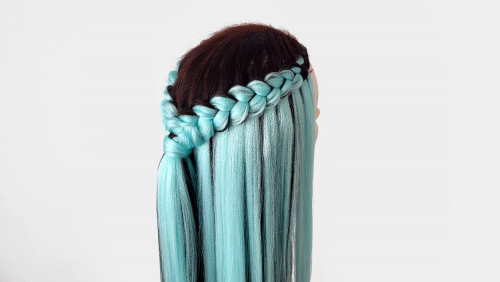
Braided Updo: A Structured Hairstyle Built With Braids, Shape, and Precision
A braided updo is a hairstyle where braids are arranged upward, pinned, wrapped, or sculpted into a finished shape. Unlike loose braided styles that hang down the back or shoulders, a braided updo lifts the hair away from the neck and builds a controlled silhouette. The result can be sleek and formal, soft and romantic, protective and practical, or bold enough for editorial styling.
This style is one of the most versatile categories in braiding because it can be created with many techniques. Cornrows can be directed into a bun. Box braids can be wrapped into a high updo. Dutch braids can be pinned into a crown shape. Feed-in braids can be designed toward the center. Loose braids can be shaped into a chignon, top knot, side bun, or sculptural arrangement.
Braided updos are popular because they combine function and beauty. They keep hair controlled, reduce loose movement, show the face and neckline, and create a polished finish. The style works for weddings, formal events, work, protective styling, kids’ hairstyles, performances, dance, fashion shoots, and everyday looks that need to feel more finished.
What Is a Braided Updo?
A braided updo is any updo hairstyle where braids are part of the main structure or visible design. The hair may be braided first and then pinned into shape, or braided directly toward the final updo placement.
The braid can be created from natural hair only or with added hair for length, volume, color, or stronger shape. Some braided updos are built from one large braid. Others use multiple braids, scalp braids, twists, curls, or extension pieces to create a more detailed result.
The defining feature is lift. The hair is styled upward or gathered away from the shoulders, and the braids help build the final shape. A braided updo can be minimal and clean or highly detailed with parting patterns, curls, beads, cuffs, pins, flowers, or hair jewelry.
Why Braids Work Well in Updos
Braids work well in updos because they create structure. Loose hair can slip out of a pinned style, especially if it is very soft, silky, layered, or heavy. A braid holds the hair together, making it easier to wrap, shape, anchor, and secure.
Braids also add visible texture. A simple bun can look smooth and classic, but a braided updo shows pattern and technique. The braid lines can guide the eye around the head, highlight parting, frame the face, or create a sculptural shape.
The style can also be practical. A braided updo keeps hair away from the face and neck, which makes it useful for warm weather, long events, active days, dance, and professional settings. When installed correctly, it can hold better than many loose updos.
Common Types of Braided Updos
A braided bun is one of the most common updos. The braid is wrapped into a bun shape and pinned. It can sit high, low, centered, or to the side.
A braided chignon is usually placed low near the nape and has a softer, more formal shape. It is often used for bridal styling, evening looks, and elegant events.
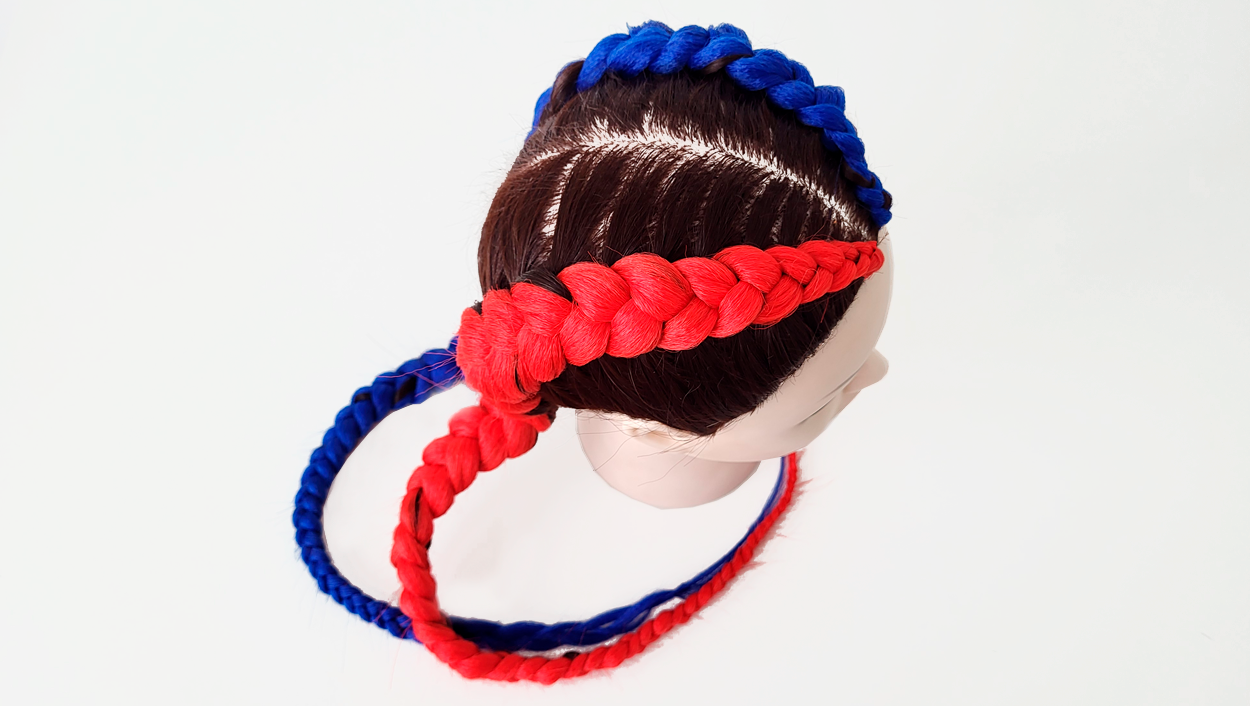
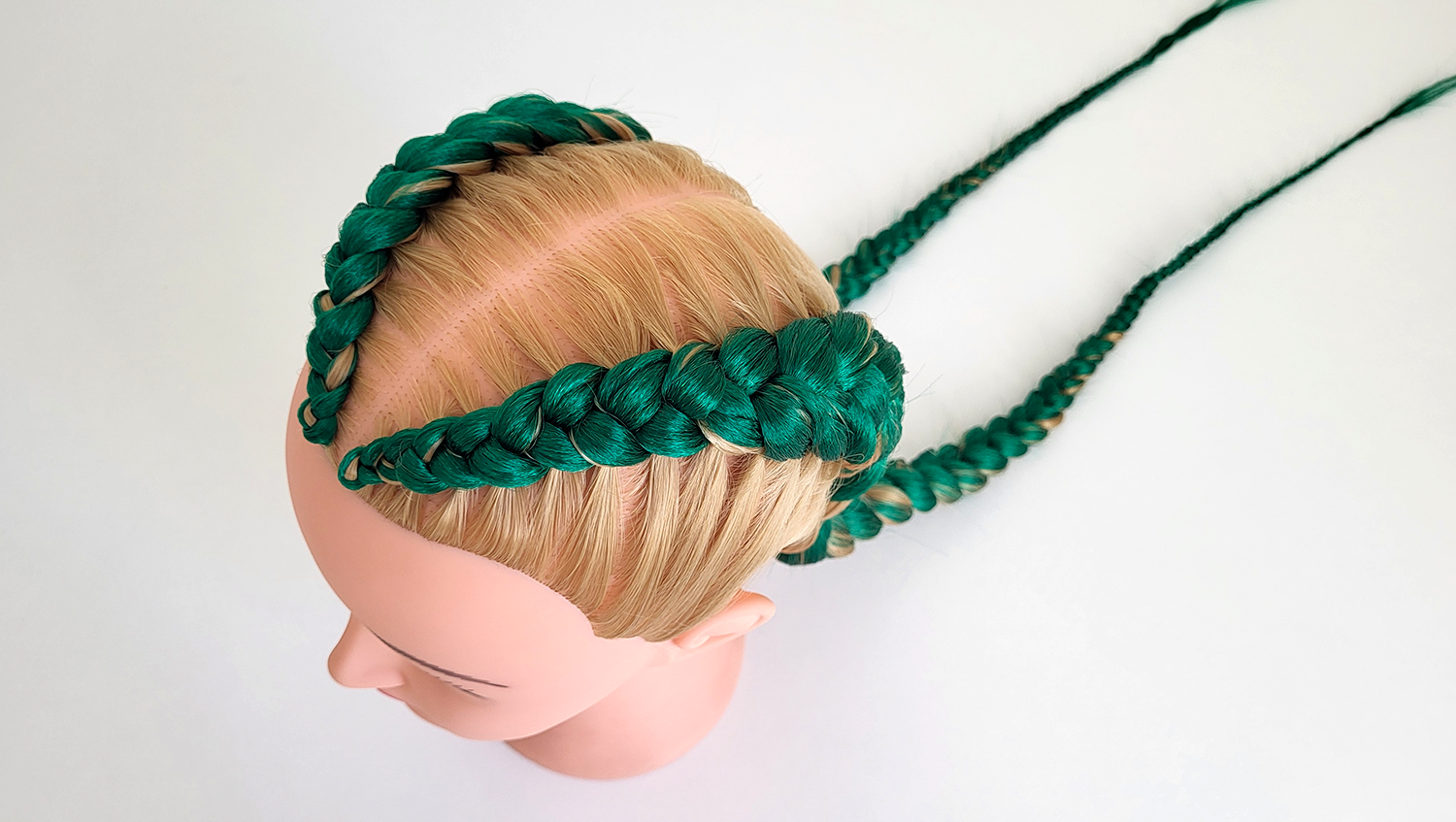
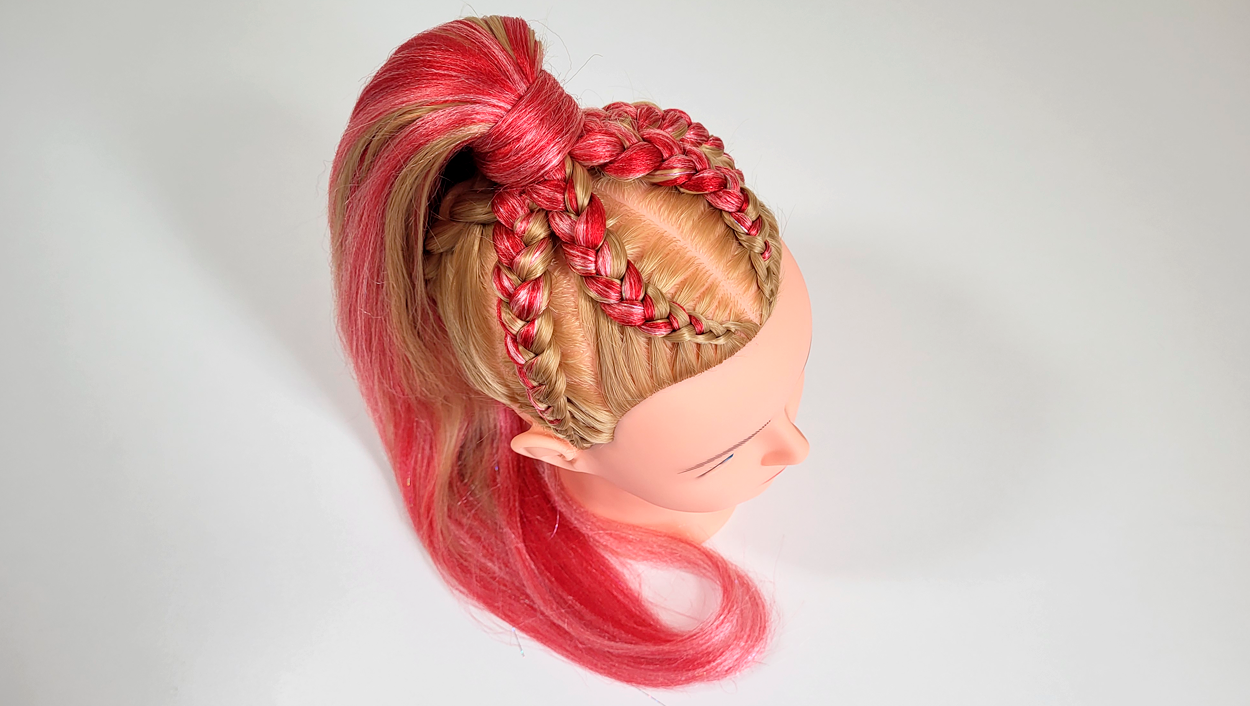
A cornrow updo uses scalp braids directed toward a bun, ponytail, top knot, or central design. This version can be protective and long-lasting when done with proper tension.
A crown braid updo wraps a braid around the head to create a halo-like shape. It can look romantic, classic, or editorial depending on texture and finish.
A box braid updo is created by gathering existing box braids, knotless braids, twists, or loc-inspired braids into a bun or sculpted shape. This version is a popular way to restyle long protective braids.
A braided mohawk updo concentrates the volume or braid structure through the center of the head while keeping the sides sleek, braided, or controlled.
A half-up braided updo lifts only part of the hair while leaving some length loose. This version is softer and works well with curls, waves, boho braids, and event styling.
Braided Updo With Natural Hair
A braided updo can be created with natural hair only. The hair may be braided into one or more sections and then shaped into a bun, crown, roll, or pinned arrangement. This version works well for medium to long hair, especially when the client wants a styled look without extensions.
On curly, coily, or textured hair, the hair may be stretched first for a smoother finish, or kept in its natural texture for more volume. A natural-textured braided updo can look soft, full, and organic. A sleek braided updo can look polished and formal.
This version is useful for clients who want low manipulation, less heat styling, and a controlled shape. It can be worn for work, events, school, protective styling, or daily wear.
Braided Updo With Extensions
Extensions are often used in braided updos when the client wants more length, density, volume, or color. Synthetic braiding hair can help create a larger bun, longer braid, thicker crown, or more dramatic shape.
Feed-in techniques are especially useful because they allow the stylist to build length and fullness gradually. This creates a cleaner transition from natural hair to added hair and helps the final updo look more polished.
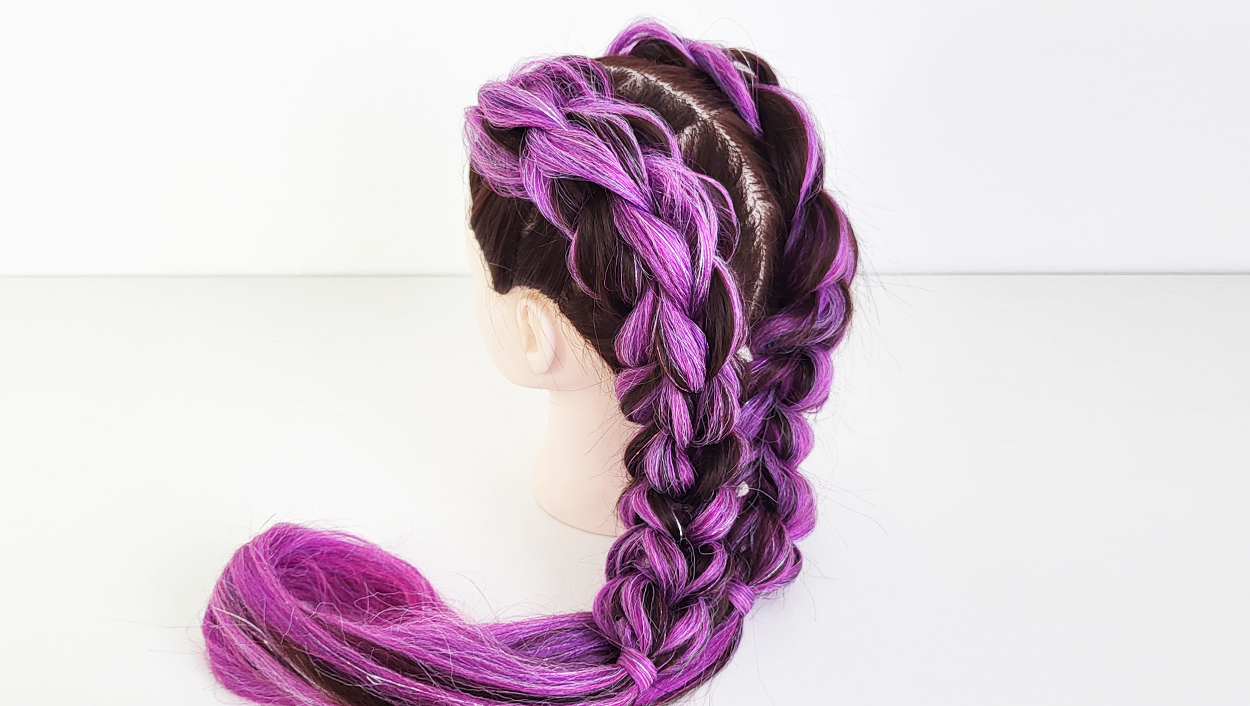
Extensions can also be used for color without dye. Blonde, copper, burgundy, brown, ombré, pink, purple, blue, or mixed tones can create a strong visual accent. Color can be placed throughout the updo or used only in selected braids for a more subtle effect.
Weight control is important. An updo should not feel heavy, painful, or tight. If too much added hair is used, the style can pull at the roots, especially around the hairline, crown, and nape.
Cornrow Braided Updos
Cornrow braided updos are one of the most structured versions of this category. The hair is braided close to the scalp and directed toward the final shape. The cornrows may lead into a bun, top knot, ponytail, braided roll, or creative center design.
This style is popular because it can be both protective and polished. The braids keep the hair controlled from the root, while the updo shape keeps the length lifted and organized.
Cornrow patterns can completely change the look. Straight cornrows create a clean classic finish. Curved cornrows create movement. Stitch braids create a sharper and more technical appearance. Small accent braids can add detail around the edges or parting.
The most important detail is comfort. Cornrows that lead into an updo should not pull too tightly, especially around the temples, edges, and nape.
Braided Updos for Formal Events
Braided updos are a strong choice for formal events because they hold shape and look finished from every angle. They can be used for weddings, proms, galas, photoshoots, evening events, and professional beauty styling.
For formal looks, the braids are often combined with soft curls, face-framing pieces, pearls, pins, flowers, hair jewelry, or a clean chignon shape. The braid adds texture, while the updo creates elegance and control.
A low braided chignon feels classic and refined. A crown braid updo feels romantic. A sculptural braided bun feels modern and fashion-forward. A braided side updo can feel softer and more asymmetrical.
The key is finishing. Formal braided updos require clean pin placement, balanced volume, smooth transitions, and a shape that stays secure without looking stiff.
Braided Updos for Protective Styling
Braided updos can also function as protective styles. Cornrows, feed-in braids, box braids, knotless braids, twists, and loc-inspired styles can all be shaped into updos that reduce daily manipulation and keep the hair controlled.
A protective braided updo should be planned around the client’s hair condition. The style should not be too tight, too heavy, or too stressful on the hairline. A high updo can look beautiful, but if it pulls at the edges, it is not protective in practice.
Low updos often create less tension than very high buns. Medium-sized braids may be easier to balance than very small or very heavy sections. The stylist should consider hair density, scalp sensitivity, and lifestyle before choosing the updo design.
Braided Updos for Kids
Braided updos are popular for kids because they keep hair neat, lifted, and secure. They can work for school, parties, dance, sports, performances, holidays, and special events.
Kids’ braided updos may include cornrows into a bun, two braided buns, heart-shaped parting, braided ponytail buns, beads, bows, ribbons, or small accent braids. The style can be playful while still keeping the hair organized.
Comfort is the priority. Children’s braided updos should not feel tight or heavy. The hairline, temples, and nape should be treated gently. Lightweight accessories are better than heavy bead stacks or sharp decorations.
A good kids’ braided updo should be cute, secure, age-appropriate, and gentle on the scalp.
Who Is a Braided Updo Best For?
A braided updo is best for clients who want a controlled, lifted hairstyle with visible braid detail. It works for people who want hair away from the face and neck while still wearing a polished and styled look.
The style can be adapted for many hair types and textures, including straight, wavy, curly, coily, natural, relaxed, and extension-enhanced hair. The technique depends on hair length, density, texture, scalp condition, and the desired finish.
Braided updos are strong options for formal events, work, school, weddings, performances, protective styling, photoshoots, and everyday looks that need structure.
Clients with fragile edges, thinning areas, scalp irritation, or recent breakage should avoid tight updos and heavy extensions. The style should be adjusted to protect the hair and scalp.
Professional Technique Details
A professional braided updo starts with planning. The stylist needs to decide where the volume will sit, how the braids will move, and how the final shape will look from the front, sides, and back.
Parting should support the design. Straight parts create a clean and graphic look. Curved parts add softness and flow. Detailed parts can make the style more creative or editorial.
Tension control is essential. Braids should feel secure, but they should not cause pain. Updos can create extra pulling because the hair is lifted and anchored. The stylist must distribute weight evenly and avoid placing too much pressure on one area.
Pinning and anchoring are also important. The updo should hold without visible, uncomfortable, or poorly placed pins. The shape should feel stable, not too tight, and not overly heavy.
Finishing products should match the style. Sleek updos may need gel, mousse, edge control, or shine spray. Softer updos may need light hold products that allow movement. Too much product can create buildup or make the style look stiff.
Maintenance and Wear
Wear time depends on the type of braided updo. A loose event updo may last one day. A cornrow or feed-in braided updo can last longer. An updo created from existing box braids or knotless braids can be worn temporarily and changed as needed.
At night, the style should be protected with a satin or silk scarf, bonnet, or pillowcase. If the updo is large or high, sleeping may be uncomfortable, so it may need to be loosened or adjusted.
The scalp should remain comfortable. Headaches, pulling, soreness, bumps, or tightness are signs that the style may be too tight or too heavy.
For long-term protective styles, the updo should not be worn in the exact same tight position every day. Alternating with loose styles, low buns, or softer shapes can help reduce stress on the roots.
Styling Options
Braided updos can be styled in many ways. They can be high, low, centered, side-swept, sleek, textured, oversized, minimal, romantic, or sculptural.
The braids can be wrapped into buns, pinned into rolls, woven into crowns, directed into ponytails, or shaped into braided knots. Loose curls can be added for softness. Accessories can create a more decorative finish.
Gold cuffs, pearl pins, flowers, cowrie shells, hair rings, beads, ribbons, and thread can all change the mood of the style. A clean low braided updo can feel bridal. A high sculptural updo can feel editorial. A cornrow bun can feel protective and polished.
The best design depends on the client’s comfort, occasion, face shape, outfit, hair density, and desired level of drama.
Braided Updos in Modern Beauty Culture
Braided updos remain important because they bring together technical braiding and hairstyle design. They appear in salons, weddings, fashion shoots, kids’ styling, protective hair culture, red carpet beauty, dance looks, and social media tutorials.
The style works well in visual content because it shows shape. A strong braided updo is visible from multiple angles, and the braid pattern adds detail that photographs clearly.
In the beauty industry, braided updos are a sign of control. The stylist must understand braid direction, sectioning, tension, volume, pinning, balance, and finishing. A clean updo is not only about placing hair up. It is about building a shape that looks intentional and feels comfortable.
Why Braided Updos Matter
Braided updos matter because they show how braids can become architecture. The braid is not only a strand pattern; it becomes a tool for shaping the entire hairstyle.
For clients, braided updos offer elegance, protection, control, and versatility. For stylists, they combine technical braiding with creative design. The best braided updos are secure without being painful, polished without being stiff, and detailed without feeling overloaded.
When done well, a braided updo looks balanced, modern, and purposeful. It can be soft, powerful, formal, protective, or editorial — and that range is what makes it one of the most valuable braid-based styles in the beauty industry.