
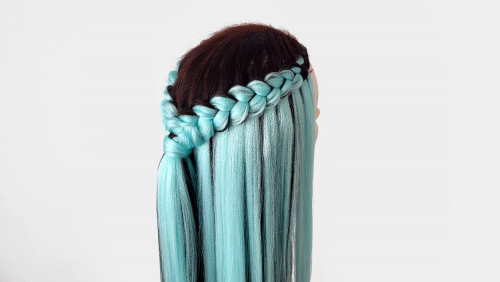
Crochet Passion Twists: Soft Twisted Texture With Fast Installation and Protective Style Flexibility
Crochet passion twists are a protective hairstyle created by installing pre-made passion twist extensions with a crochet hook. The natural hair is usually braided into cornrows or prepared in individual sections first, then the twist extensions are looped through the base and secured. The result is a soft, textured twist style with movement, volume, and a relaxed boho finish.
This style became popular because it gives the look of passion twists with a faster installation process. Traditional passion twists are usually created by twisting extension hair into each individual section by hand. Crochet passion twists use pre-twisted hair, which can significantly reduce service time while still creating a full, polished protective style.
Crochet passion twists can be short, shoulder-length, mid-back, waist-length, or extra-long. They can look natural, beachy, romantic, playful, or editorial depending on the twist size, hair texture, length, color, density, and installation method.
What Are Crochet Passion Twists?
Crochet passion twists are pre-made twist extensions installed onto the natural hair using a crochet tool. The twist extensions are usually made with wavy synthetic hair that creates the signature soft, springy, slightly undone texture associated with passion twists.
The word “crochet” describes the installation method. The word “passion twists” describes the finished twist texture. Together, crochet passion twists are a faster version of the passion twist look because the twists are already formed before they are installed.
The natural hair is usually tucked away under the crochet style. This makes the hairstyle protective when installed with proper tension, balanced weight, and a healthy foundation. The client can wear the twist look temporarily and later remove the extensions without changing the natural hair permanently.
Crochet Passion Twists vs. Traditional Passion Twists
Traditional passion twists are created by sectioning the natural hair and twisting extension hair into each section by hand. This gives the stylist more control over the root, twist tension, size, and final finish. However, it can take several hours depending on length, size, and density.
Crochet passion twists use pre-made twists. The stylist attaches the twists to a cornrow base or individual braid base using a crochet hook. This method is usually faster and creates a more consistent twist shape because the extensions are already twisted.
The root appearance can be different. A cornrow-based crochet install may look fuller and less individually parted at the scalp. An individual crochet method can look more natural because each twist is attached to its own section.
Both methods can look beautiful. Traditional passion twists offer more custom control. Crochet passion twists offer speed, consistency, and convenience.
Why Crochet Passion Twists Are Popular
Crochet passion twists are popular because they combine softness, volume, and practicality. The texture feels lighter and more relaxed than many classic twist styles, while the crochet method makes the installation more accessible.
The style also fits modern beauty trends. Clients often want protective styles that look effortless, textured, and camera-friendly. Passion twists have a soft wave pattern that gives the style movement, while the twist shape keeps the hair controlled.
Another reason for the style’s popularity is versatility. Crochet passion twists can be worn loose, half-up, in ponytails, low buns, side parts, or vacation-inspired styles. They can also be customized with color, cuffs, beads, shells, or thread.
For clients who want a low-manipulation style with a romantic finish, crochet passion twists are a strong option.
Hair Used for Crochet Passion Twists
Crochet passion twists are usually made from synthetic wavy hair. The most common texture is water wave or a similar wave pattern because it creates the soft, slightly bohemian finish that passion twists are known for.
Pre-made crochet passion twists come in different lengths, sizes, and curl patterns. Some twists are tight and defined. Others are looser, fluffier, and more natural-looking. The quality of the hair affects the final result, comfort, and wear time.
Good crochet passion twists should feel flexible, lightweight, and soft. They should not feel overly stiff, rough, or heavy. The twist should hold its shape while still having natural movement.
Color options can include black, dark brown, medium brown, honey blonde, copper, burgundy, ombré, gray, pastel tones, and bright fashion colors. This allows clients to try a new shade without dyeing their natural hair.
How Crochet Passion Twists Are Installed
The installation starts with hair preparation. The natural hair should be clean, conditioned, detangled, and moisturized before the foundation is created. Since the hair will be tucked away, preparation helps support comfort and hair health during wear.
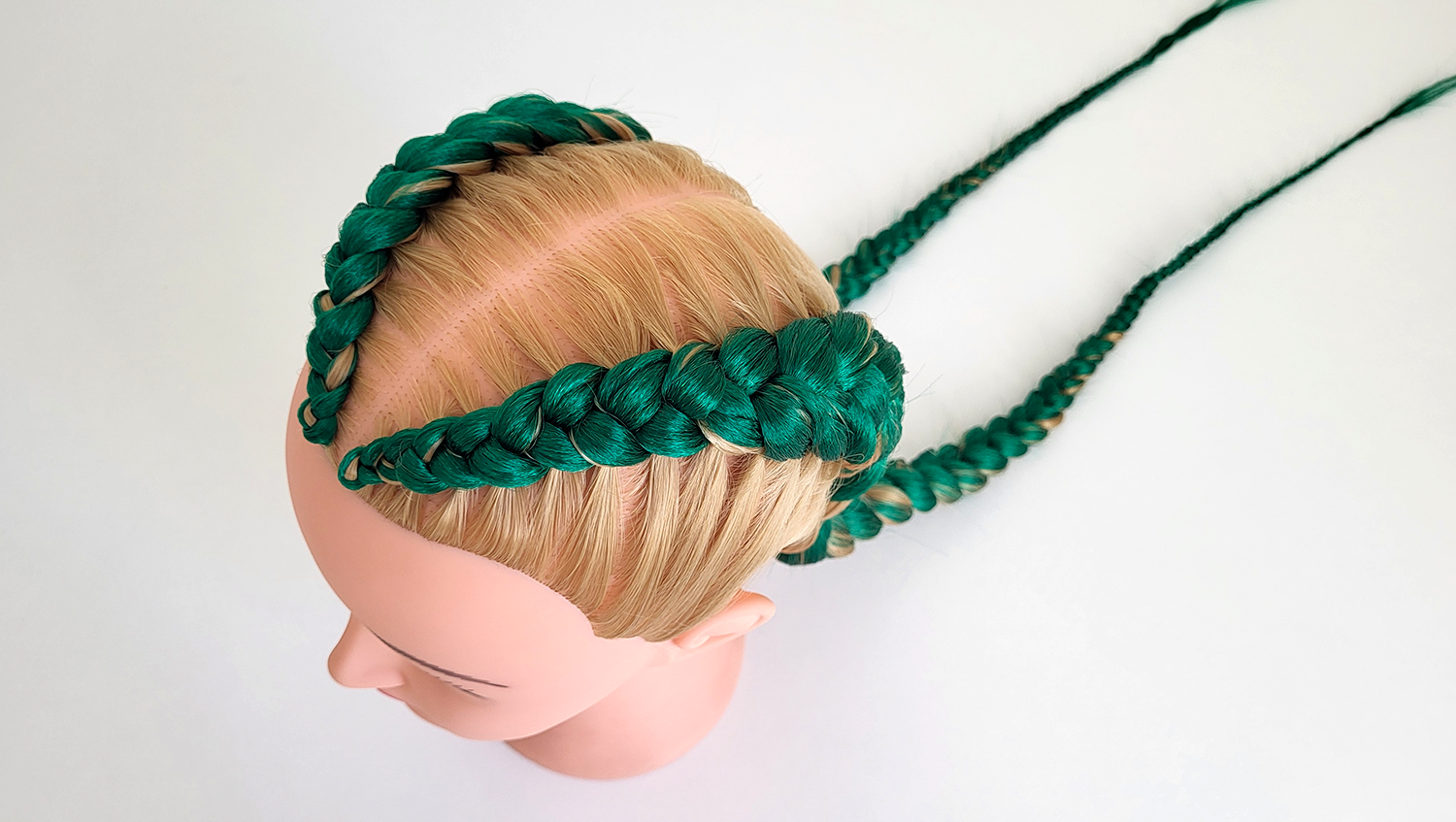
The stylist then creates the foundation. A cornrow base is common for faster crochet installations. The cornrows may go straight back, curve around the head, or be arranged to support a middle part, side part, or fuller shape.
The crochet hook is inserted through the cornrow, the loop of the passion twist is pulled through, and the twist is secured onto the base. The stylist repeats this process until the foundation is covered and the style has the desired fullness.
For a more natural look, the stylist may use individual braid or twist bases. In that method, each crochet passion twist is attached to its own section, which gives more movement and parting flexibility.
Cornrow Base vs. Individual Crochet Method
A cornrow base is usually the fastest method. The natural hair is braided close to the scalp, and the crochet passion twists are attached across the foundation. This method works well for full, voluminous looks and clients who want a quicker install.
The limitation is parting flexibility. Because the twists are attached to cornrows underneath, the wearer may have fewer styling options. High ponytails, clean middle parts, or natural root movement may require a more customized foundation.
The individual crochet method takes longer but often looks more realistic. Each twist is attached to an individual braid or twist base. This allows the twists to move more freely and can make the roots look closer to traditional individual passion twists.
Some stylists combine both methods. They use individual sections around the front and perimeter for a natural finish, then cornrows in the back for faster coverage.
Lengths, Sizes, and Density
Crochet passion twists can be created in many lengths. Short passion twists feel light, playful, and easy to manage. Shoulder-length twists offer comfort and movement. Mid-back twists create a classic protective style shape. Waist-length and extra-long twists create a dramatic, high-impact finish.
Size changes the final look. Small crochet passion twists look more detailed and natural, but they require more pieces and more installation time. Medium twists are the most common because they balance fullness, comfort, and speed. Large twists create a bold, fluffy look but may feel heavier depending on the hair.
Density must be planned carefully. Too many twists can make the style bulky and hot. Too few twists can expose the foundation. The goal is full coverage with natural movement and comfortable weight.
A professional stylist should choose length, size, and density based on the client’s hair condition, scalp comfort, lifestyle, and desired look.
Crochet Passion Twists with Color
Color can completely change the feeling of crochet passion twists. Natural black or brown shades create a soft everyday look. Honey blonde and copper tones add warmth. Burgundy gives the style depth. Ombré creates dimension without overwhelming the full head.
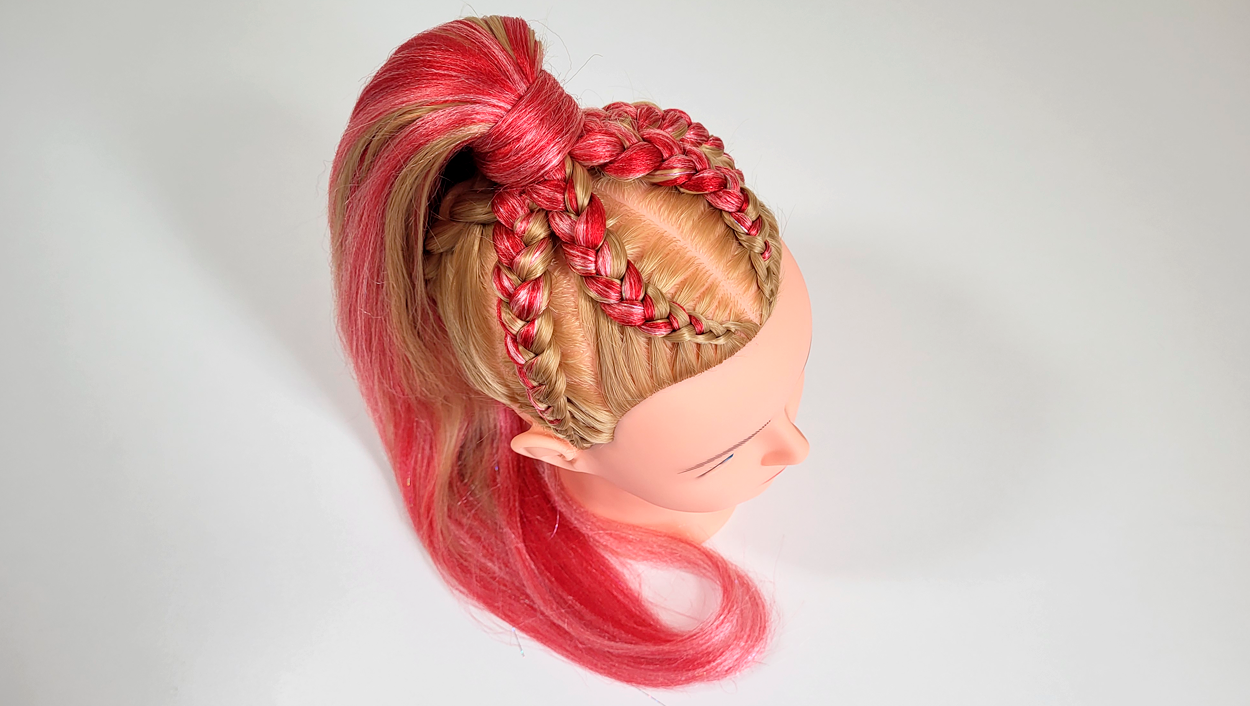
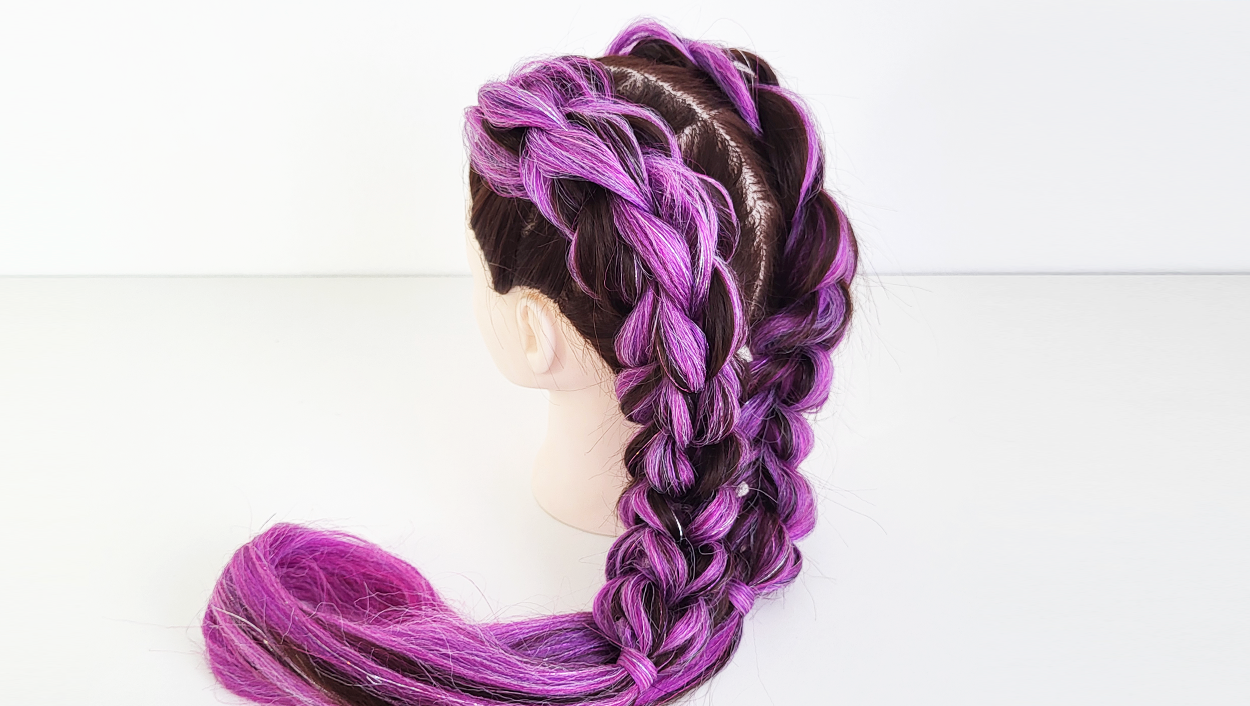
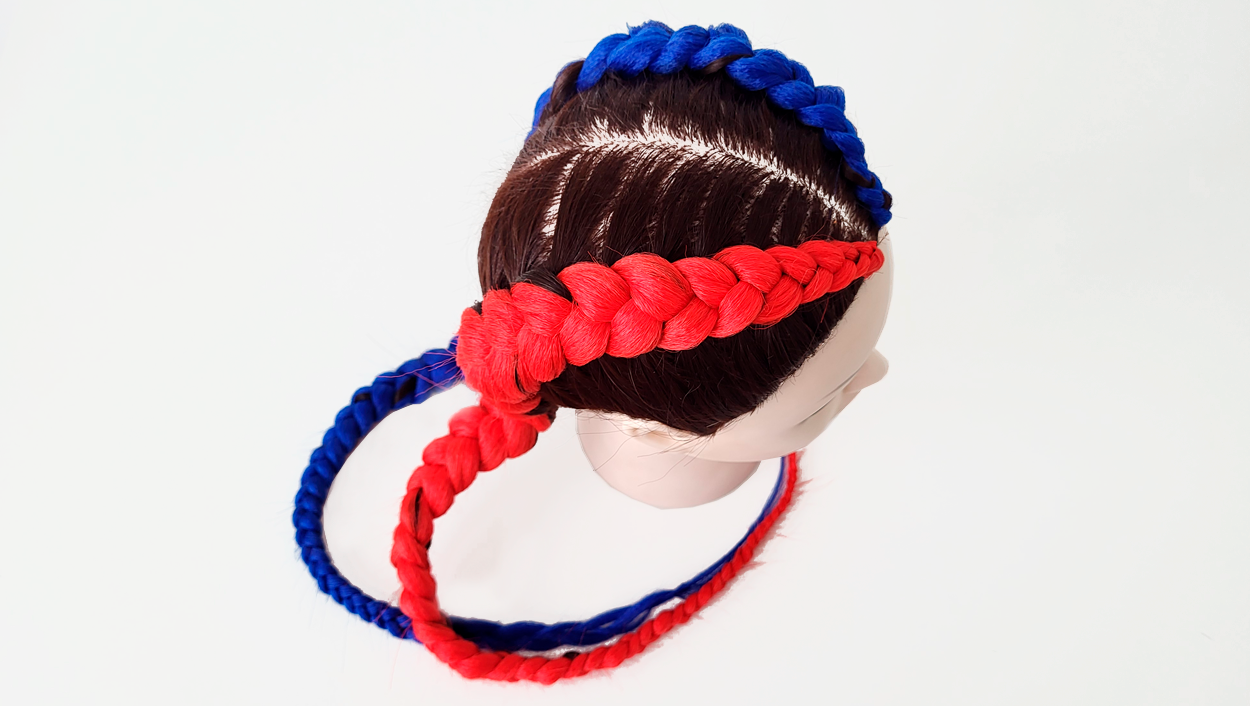
Bright fashion colors such as pink, blue, purple, green, or red can make crochet passion twists more playful, festival-ready, or editorial. Pastel shades can create a softer creative look.
Because crochet passion twists use extension hair, clients can experiment with color without chemically processing their natural hair. This makes the style useful for temporary transformations.
Color placement can be full-head, highlighted, ombré, mixed, or accent-based. A few colored twists near the face can create a strong detail without changing the entire style.
Who Are Crochet Passion Twists Best For?
Crochet passion twists are best for clients who want a soft, textured protective style with faster installation than traditional individual twists. They work well for people who like movement, volume, and a slightly undone boho finish.
This style is useful for vacations, everyday wear, photoshoots, festivals, content creation, and clients who want a low-manipulation style that still feels stylish and feminine.
Crochet passion twists can work for many hair types as long as the natural hair can be braided or secured into a foundation. They are especially common for natural, curly, coily, kinky, relaxed, and transitioning hair.
Clients with fragile edges, scalp sensitivity, thinning areas, or recent breakage should be careful. The foundation should not be tight, and the twists should not be too heavy.
Professional Technique Details
A clean crochet passion twist installation depends on the foundation. Even if the twists are pre-made, the style will not look polished if the base is bulky, uneven, or uncomfortable.
The braid pattern should match the final look. A middle part, side part, full-volume shape, or ponytail-friendly style may each require a different foundation. The stylist should plan this before starting.
Spacing is important. Passion twists are naturally full and textured, so too many pieces can make the style bulky. At the same time, too few pieces can expose the cornrows underneath. The stylist must balance coverage and comfort.
The crochet loop should be secured without creating tight knots or pressure points. The root should feel stable but not painful. If the twists are installed too tightly, the client may experience soreness, bumps, or tension around the scalp.
For individual installs, the natural braid should be hidden cleanly so the twist appears to start naturally from the root.
Maintenance and Wear
Crochet passion twists can last several weeks depending on hair quality, installation method, scalp care, and lifestyle. Because the texture is soft and wavy, the style may become frizzier over time. Some frizz is normal, but excessive tangling means the style may need refreshing or removal.
At night, the twists should be protected with a satin or silk scarf, bonnet, or pillowcase. Long twists can be loosely gathered to reduce tangling during sleep.
The scalp should remain clean and comfortable. Lightweight scalp oil, braid spray, or soothing mist may be used when needed. Heavy products should be avoided because they can create buildup around the foundation and weigh down the twists.
The wearer should avoid rough detangling, tight ponytails, and heavy buns. Passion twists are soft, and too much pulling can stress the roots or disturb the twist pattern.
Takedown and Hair Health
Removal should be slow and careful. For cornrow-based installs, the crochet twists should be detached or cut away safely before the cornrows are taken down. The natural hair should never be cut by accident during removal.
For individual crochet passion twists, each twist should be loosened from the base before the natural braid or twist is undone. If the natural hair is tucked into the crochet twist, the wearer must identify the natural hair before cutting any extension.
After removal, shed hair should be detangled carefully before washing. Since the natural hair has been tucked away, shed strands may collect at the roots. This is normal, but it must be handled patiently to prevent matting.
A good aftercare routine includes cleansing, deep conditioning, moisturizing, and allowing the hair to rest before another long-term protective style.
Styling Options
Crochet passion twists can be worn in many ways. Wearing them loose shows the full texture and movement. A side part adds softness. A middle part creates balance. Half-up styles keep the twists away from the face while still showing length.
Low ponytails and loose buns are usually more comfortable than tight high styles. A high ponytail can look beautiful, but it should not pull on the foundation or feel heavy.
Accessories can personalize the look. Gold cuffs, beads, cowrie shells, thread wraps, scarves, or hair jewelry can be added. Because passion twists already have texture and volume, accessories should be used with balance.
Crochet passion twists also work well with vacation styling. They can look relaxed, beachy, and low-maintenance while still feeling finished.
Crochet Passion Twists in Modern Beauty Culture
Crochet passion twists are part of the modern shift toward softer protective styles. Clients often want styles that protect the hair but still feel light, touchable, and natural-looking. Passion twists deliver that softness, while the crochet method makes the style faster to achieve.
The style is popular in salons, vacation hair, natural hair communities, social media tutorials, and everyday protective styling. It photographs well because the twist texture creates movement and dimension.
For stylists, crochet passion twists require more than quick installation. The foundation must be planned, the density must be controlled, and the final shape must be balanced. A good installation should look full, but not bulky; soft, but not messy; secure, but not tight.
Why Crochet Passion Twists Matter
Crochet passion twists matter because they make a soft, modern twist style more accessible and time-efficient. They give clients the look of passion twists with less installation time and many customization options.
For clients, the style offers comfort, movement, texture, and low-manipulation wear. For stylists, it requires foundation design, placement control, density balance, and attention to hair health.
When done well, crochet passion twists look soft, full, lightweight, and intentional. They prove that protective styling can feel romantic, practical, and beautifully modern.