
Crochet Water Wave Styles: Soft Wavy Texture With Volume, Movement, and Protective Flexibility
Crochet water wave styles are protective hairstyles created by installing water wave extension hair onto a braided foundation with a crochet hook. The natural hair is usually cornrowed first, then the wavy extension hair is looped through the base and shaped into the final look. The finished style can be curly, wavy, fluffy, boho, beachy, romantic, or full and natural-looking depending on the hair texture, density, length, and installation method.
Water wave hair is known for its soft wave pattern. It has more movement than straight crochet hair and usually feels more relaxed than tightly coiled textures. Because of that, crochet water wave styles are popular for clients who want volume, softness, and texture without installing individual braids or twists.
This category includes many looks. Water wave crochet hair can be worn loose as a curly protective style, used to create boho crochet hair, added into passion twists, wrapped into butterfly locs, blended into goddess locs, or styled into half-up looks, ponytails, and layered shapes. The same hair texture can create very different results depending on how it is installed and maintained.
What Are Crochet Water Wave Styles?
Crochet water wave styles are crochet hairstyles made with water wave hair. The word “crochet” describes the installation method, while “water wave” describes the texture of the extension hair. The hair has a loose, flowing wave pattern that creates soft volume and visible movement.
The natural hair is usually braided into a cornrow foundation. The stylist uses a crochet hook to pull the water wave hair through the cornrows, then secures the extension hair in place. After installation, the hair may be separated, fluffed, shaped, trimmed, or layered to create the desired finish.
The final look can imitate natural curls, loose waves, beach waves, boho texture, or a soft protective afro-inspired shape. Crochet water wave styles are temporary and removable. They allow the wearer to try a full textured look while keeping the natural hair tucked away underneath.
Why Water Wave Hair Is Popular for Crochet
Water wave hair is popular because it creates a soft, wearable texture. It has enough pattern to look full and dimensional, but it is not as tight as many curly or kinky crochet textures. This makes it versatile for clients who want a balance between volume and movement.
The texture also photographs well. The waves create light, shadow, and separation, which makes the hairstyle look dimensional in photos and videos. This is one reason water wave crochet styles are common in beauty content, vacation looks, and social media tutorials.
Another reason for its popularity is flexibility. Water wave hair can be worn loose, twisted, wrapped, braided, or combined with other protective styling techniques. It is used not only for full crochet installs, but also for passion twists, butterfly locs, soft locs, boho braids, goddess braids, and curly accent pieces.
For clients who want a soft protective style with a natural but styled finish, water wave crochet hair is one of the most useful textures.
Common Types of Crochet Water Wave Styles
Loose crochet water wave hair is installed across a cornrow foundation and worn as a full wavy or curly style. This version creates volume and movement while keeping the natural hair protected underneath.
Boho crochet water wave styles use the loose wave texture to create a relaxed, free-spirited finish. The hair may be shaped into layers or combined with face-framing pieces for a softer look.
Crochet water wave curls create a fuller curly style by separating the wave strands and fluffing them into a more voluminous shape.
Water wave crochet ponytails use the texture in a lifted or gathered style. The hair may be installed into a base that supports a ponytail, or used as a crochet ponytail extension.
Water wave half-up styles keep part of the hair lifted while the rest remains loose. This version is popular because it shows volume while keeping hair away from the face.
Water wave crochet with braids combines cornrows, accent braids, or front braids with loose water wave crochet hair in the back or sides.
Water Wave Crochet Hair vs. Curly Crochet Hair
Water wave crochet hair has a loose wave pattern, while curly crochet hair usually has a more defined curl or coil. Water wave hair tends to look softer and more flowing. Curly crochet hair may look more springy, rounded, or defined.
The choice depends on the desired look. A client who wants beachy movement, boho texture, or loose volume may prefer water wave hair. A client who wants tighter curls, more definition, or a fuller afro-textured shape may prefer curly or kinky curly crochet hair.
Maintenance can also differ. Water wave hair may need gentle separation and light refreshing to keep the waves from tangling. Tighter curly hair may need more shaping and frizz control. Both textures require careful handling because crochet hair can tangle if it is brushed roughly or overloaded with product.
Water Wave Hair in Passion Twists and Loc Styles
Water wave hair is not only used for loose crochet installs. It is one of the most common textures used to create passion twists because the wave pattern gives the twists their soft, springy, slightly undone appearance.
It is also used in butterfly locs. The wave texture helps create the loops and distressed surface that make butterfly locs look soft and airy. When wrapped around a braid or twist foundation, water wave hair can create texture without looking too stiff.
In goddess locs and boho locs, water wave hair may be used for curly ends or loose curl pieces. It can also be added into boho braids or goddess braids as loose curly strands to create a softer, more romantic effect.
This makes water wave hair one of the most flexible materials in modern protective styling.
How Crochet Water Wave Styles Are Installed
The installation begins with preparation. The natural hair should be washed, conditioned, detangled, and moisturized before the foundation is braided. Since the natural hair will be tucked away under the crochet hair, proper preparation supports comfort and hair health.
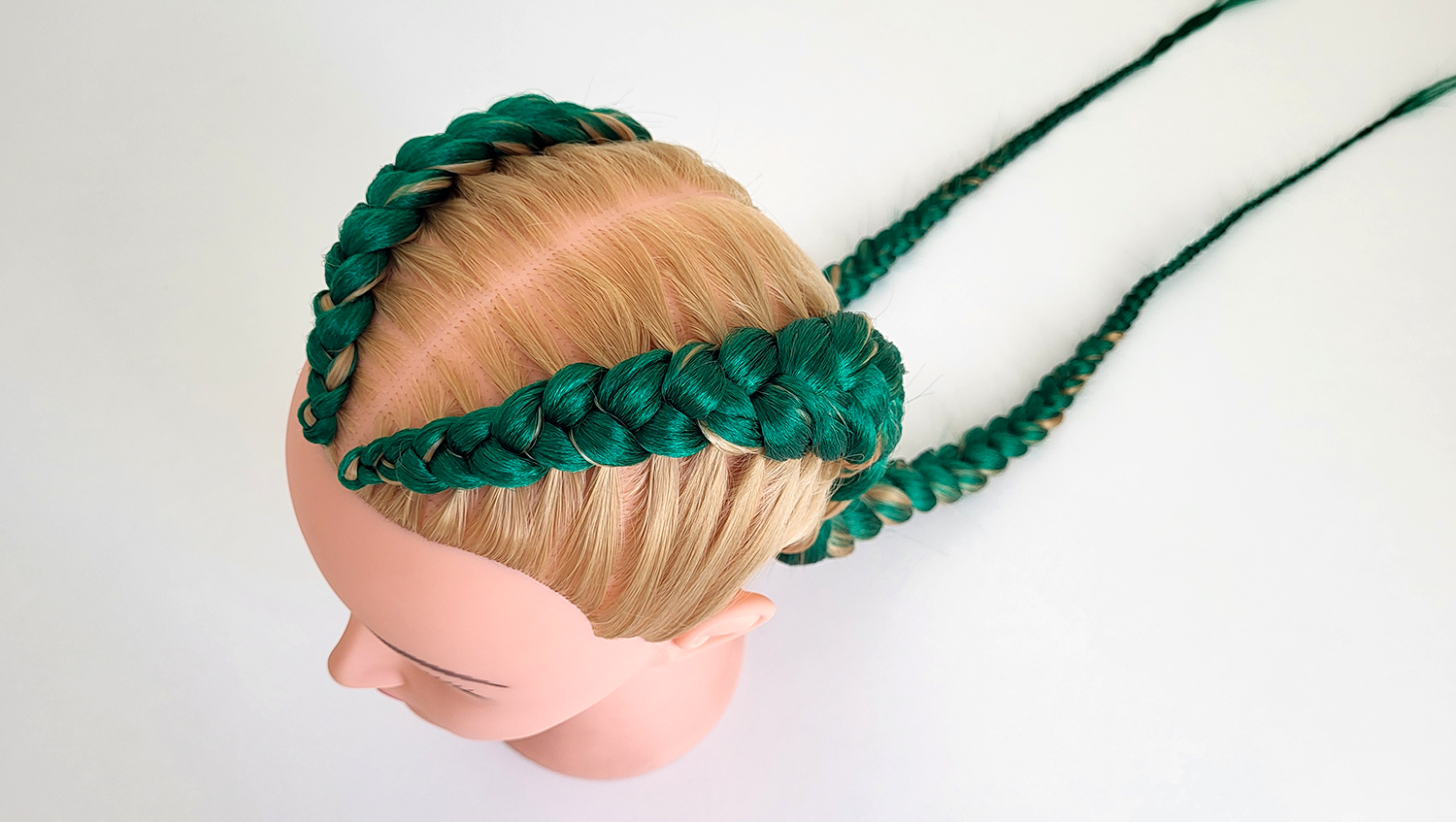
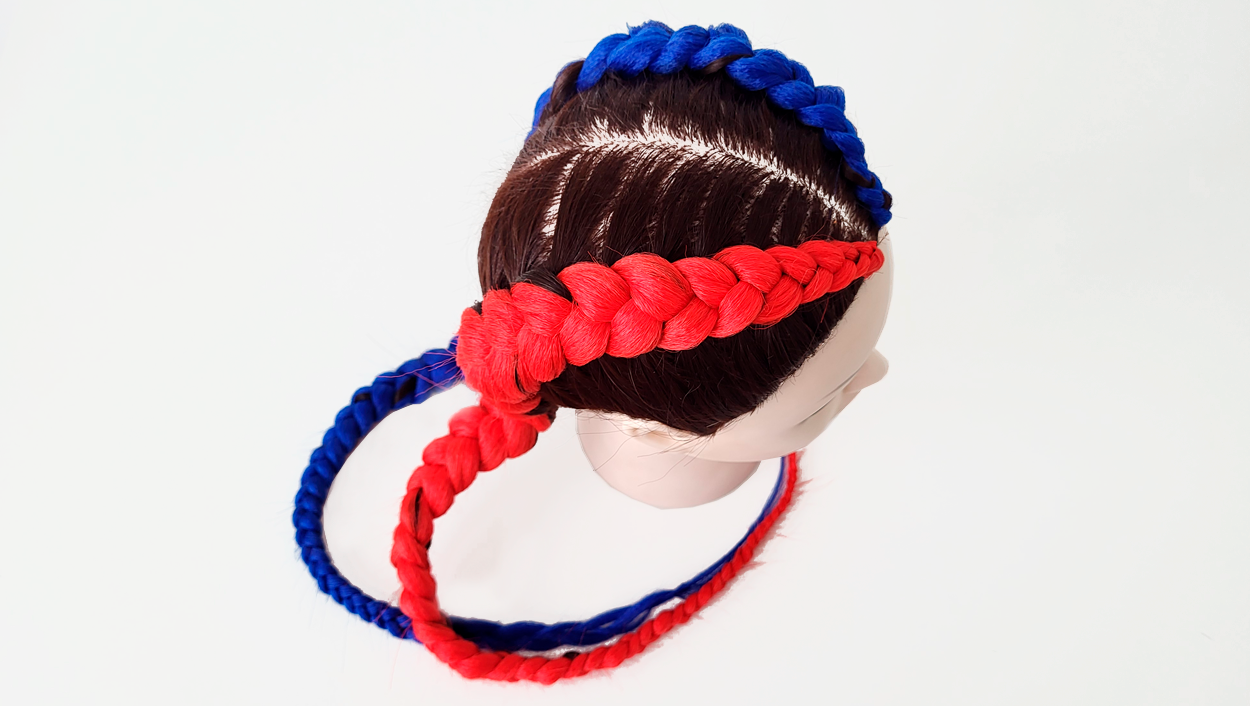
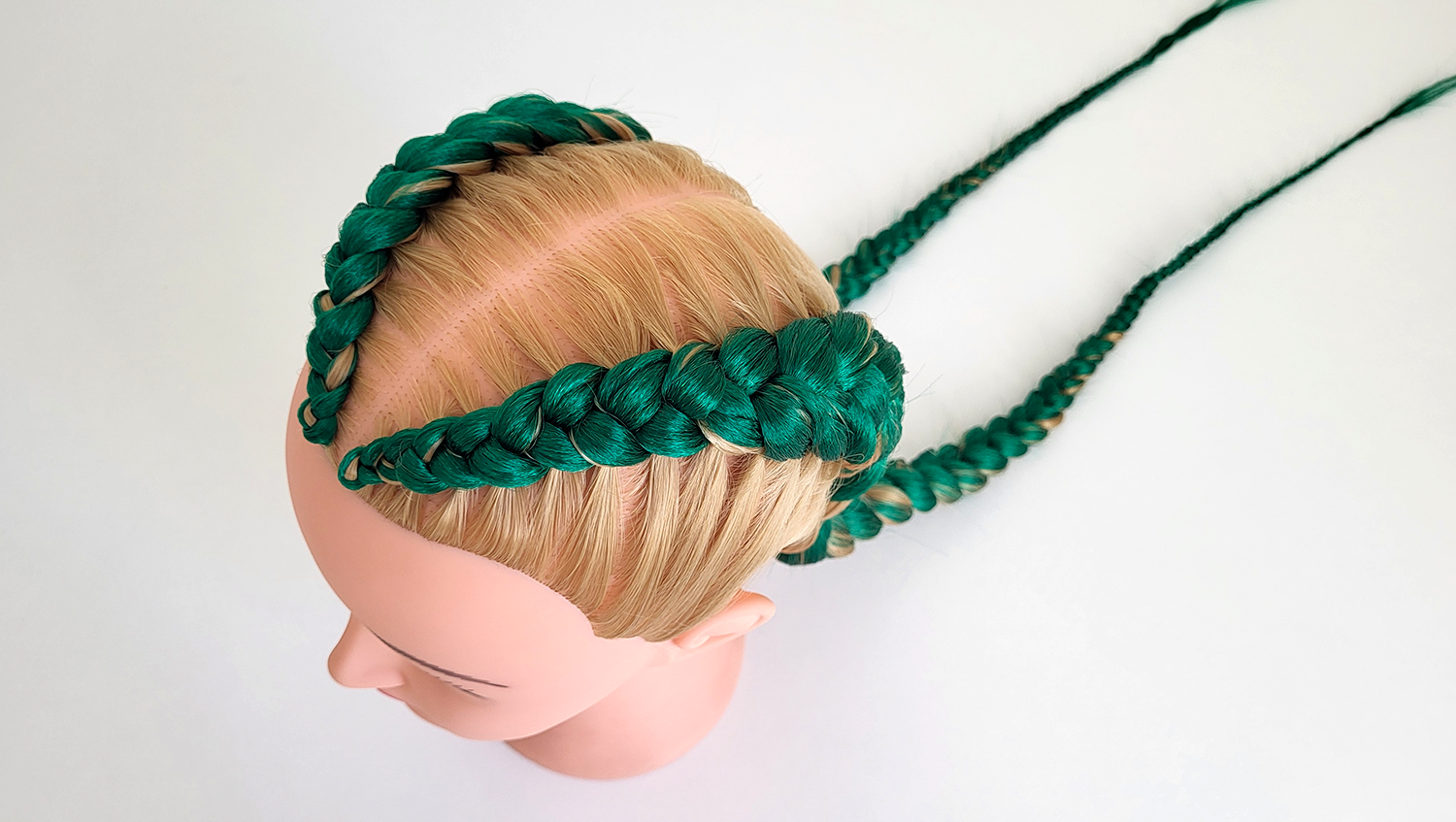
The stylist then creates a cornrow base. The braid pattern depends on the desired final style. A straight-back pattern can work for many full crochet looks. A beehive foundation can create even coverage for big, voluminous styles. A middle-part or side-part pattern may be used when the client wants a more defined part.
After the base is finished, the stylist uses a crochet hook to pull small pieces of water wave hair through the cornrows. The hair is secured with a loop or knot. The amount of hair installed controls the fullness. Too much hair can create bulk; too little hair can expose the foundation.
After installation, the hair is shaped. The stylist may separate the strands, trim the ends, create layers, frame the face, or fluff the hair into the desired silhouette.
Foundation Patterns for Water Wave Crochet
The foundation pattern is important because water wave hair is often worn loose. The cornrows underneath must support the final shape and parting.
Straight-back cornrows are simple and practical. They work well for full styles where the hair is worn forward, back, or freely around the head.
A beehive pattern curves around the head and can help distribute crochet hair evenly. This is useful for full curly or wavy looks with no strong part.
A middle-part foundation allows the crochet hair to fall naturally from the center. This is helpful when the client wants a balanced, face-framing look.
A side-part foundation creates a side-swept finish. It can make the style feel softer, more glamorous, or more asymmetrical.
Individual perimeter sections can create a more natural hairline and more styling flexibility. This method may be used when the client wants to pull the hair up or wear the front more openly.
Lengths, Density, and Shape
Crochet water wave styles can be short, shoulder-length, mid-back, waist-length, or extra-long. Short styles feel lightweight and easy to manage. Shoulder-length styles create a soft everyday shape. Mid-back and longer styles create more drama and movement.
Density is one of the biggest decisions. Water wave hair expands as it is separated and fluffed. A style that looks light during installation can become much fuller after shaping. For this reason, a professional stylist should avoid over-packing the foundation.
Too much water wave hair can make the style hot, heavy, and difficult to manage. Too little hair can make the base visible. The goal is balanced fullness that looks natural and feels comfortable.
Shape matters just as much as volume. A good crochet water wave style should be trimmed or arranged to flatter the face. Layers can prevent the hair from looking too bulky at the bottom. Face-framing pieces can make the style look softer and more intentional.
Crochet Water Wave Styles with Color
Color adds dimension to water wave crochet hair. Natural black and brown shades create a soft everyday finish. Honey blonde, caramel, copper, and auburn tones add warmth. Burgundy, wine, and red shades create depth and drama.
Ombré water wave hair is popular because the wave pattern shows color transition beautifully. Dark roots with lighter ends can make the style look more dimensional without coloring the natural hair.
Bright colors such as pink, blue, purple, green, or pastel shades can create a festival-ready or editorial look. A few colored pieces near the face can create a highlight effect without changing the entire style.
Because the color is in the extension hair, crochet water wave styles allow temporary color experimentation without chemical processing.
Who Are Crochet Water Wave Styles Best For?
Crochet water wave styles are best for clients who want soft texture, volume, and protective styling with a faster installation process than many individual braid or twist styles. They work well for people who like loose curls, beachy waves, boho looks, and natural-looking fullness.
This style is useful for vacations, everyday wear, photo shoots, content creation, protective styling, and clients who want a low-manipulation look with movement.
Crochet water wave styles can work for many hair types as long as the natural hair can be braided into a foundation. They are especially common for natural, curly, coily, kinky, relaxed, and transitioning hair.
Clients with scalp sensitivity, fragile edges, thinning areas, or recent breakage should avoid tight foundations and heavy density. The style should feel comfortable and protective, not heavy or stressful.
Professional Technique Details
A professional crochet water wave installation requires foundation planning, density control, and shaping. The style may look soft and effortless, but the installation must be intentional.
The cornrow base should match the final parting and style direction. If the client wants a middle part, the foundation should support it. If the client wants full volume with no part, the placement should cover the base evenly.
The hair should be installed in small enough pieces to look natural, but not so densely that it creates unnecessary weight. Water wave hair can expand, so the stylist should leave room for fluffing and shaping.
The knot or loop should be secure but not tight. Tight crochet knots can create pressure on the cornrow and scalp. A comfortable install should allow the client to move naturally without pain.
After installation, shaping is essential. A raw crochet install can look too round, too heavy, or uneven. Trimming, layering, and face-framing help create a polished final result.
Maintenance and Wear
Crochet water wave styles require gentle maintenance because loose textured hair can tangle. The wearer should avoid rough brushing, heavy products, and excessive separation after the initial styling.
At night, the hair should be protected with a satin or silk bonnet, scarf, or pillowcase. Longer styles can be loosely gathered into a pineapple or low loose ponytail to reduce tangling.
To refresh the hair, the wearer can gently separate sections with fingers and use a light mousse or curl refresher if needed. Heavy oils and creams should be avoided because they can weigh down the wave pattern and create buildup.
Frizz is normal over time, especially with loose crochet textures. The style should be removed or refreshed if the hair becomes heavily tangled, matted, or difficult to manage.
The scalp should stay clean and comfortable throughout wear.
Takedown and Hair Health
Removal should be careful. The crochet hair should be cut or unlooped without cutting the natural hair or the cornrow base. Because loose water wave hair can wrap around itself, it should be removed patiently.
After the crochet hair is removed, the cornrows should be taken down gently. Shed hair should be detangled before washing. This step is important because the natural hair has been tucked away and shed strands may collect near the roots.
After takedown, the hair usually benefits from cleansing, conditioning, deep treatment, and moisturizing. A rest period before another long-term protective style can help reduce stress on the scalp and hair.
Crochet water wave styles are protective only when installation, wear, and removal are all handled with care.
Styling Options
Crochet water wave styles can be worn loose, side-parted, middle-parted, half-up, in low ponytails, soft buns, or layered shapes. The loose wave texture gives the style movement, so even simple styling can look full and finished.
Accessories can add personality. Headbands, scarves, gold cuffs, shells, beads, clips, or hair jewelry can be used depending on the look. Because water wave hair already has volume, accessories should be placed with balance.
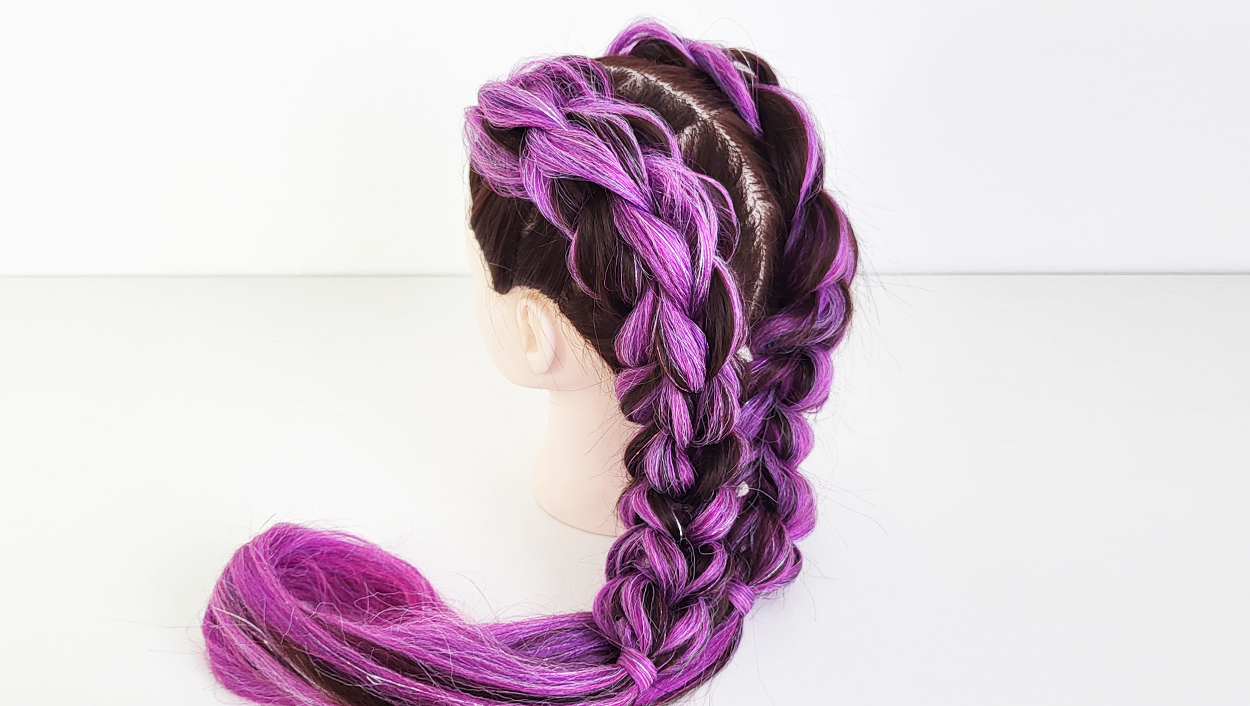
The style can also be combined with braids. Cornrows in the front with water wave crochet in the back create a popular half-braided look. Accent braids can frame the face. A braided crown can be combined with loose water wave texture for a romantic finish.
The best styling choice depends on hair length, density, comfort, occasion, and desired level of volume.
Crochet Water Wave Styles in Modern Beauty Culture
Crochet water wave styles are popular because they fit the modern desire for soft, flexible protective styling. They offer texture without permanent change, volume without daily heat styling, and color options without dye.
The look is common in salons, vacation hair, natural hair communities, beauty tutorials, social media content, and boho protective styling. It photographs well because the wave pattern creates movement and dimension.
For stylists, crochet water wave styles require more than fast installation. The foundation, hair placement, density, and shaping determine whether the style looks natural or bulky. A professional finish should feel soft, balanced, and comfortable.
Why Crochet Water Wave Styles Matter
Crochet water wave styles matter because they show how protective styling can be soft, versatile, and highly customizable. The texture can create a natural-looking curly style, a vacation-ready wave, or a boho-inspired protective look.
For clients, the style offers movement, fullness, and low-manipulation wear. For stylists, it requires foundation design, density control, shaping skill, and attention to hair health.
When done well, crochet water wave styles look full, lightweight, soft, and intentional. They prove that crochet styling can be protective, beautiful, and modern without feeling stiff or overly structured.