
Festival Braids: High-Impact Braided Styling With Color, Texture, Accessories, and All-Day Energy
Festival braids are expressive braided hairstyles created for high-energy events, outdoor beauty looks, concerts, music festivals, dance events, vacations, photo content, and creative styling. They are not one single braid technique. Instead, festival braids are a broad category that combines secure braiding with bold visual details such as color, texture, accessories, extensions, glitter, waves, curls, and statement parting.
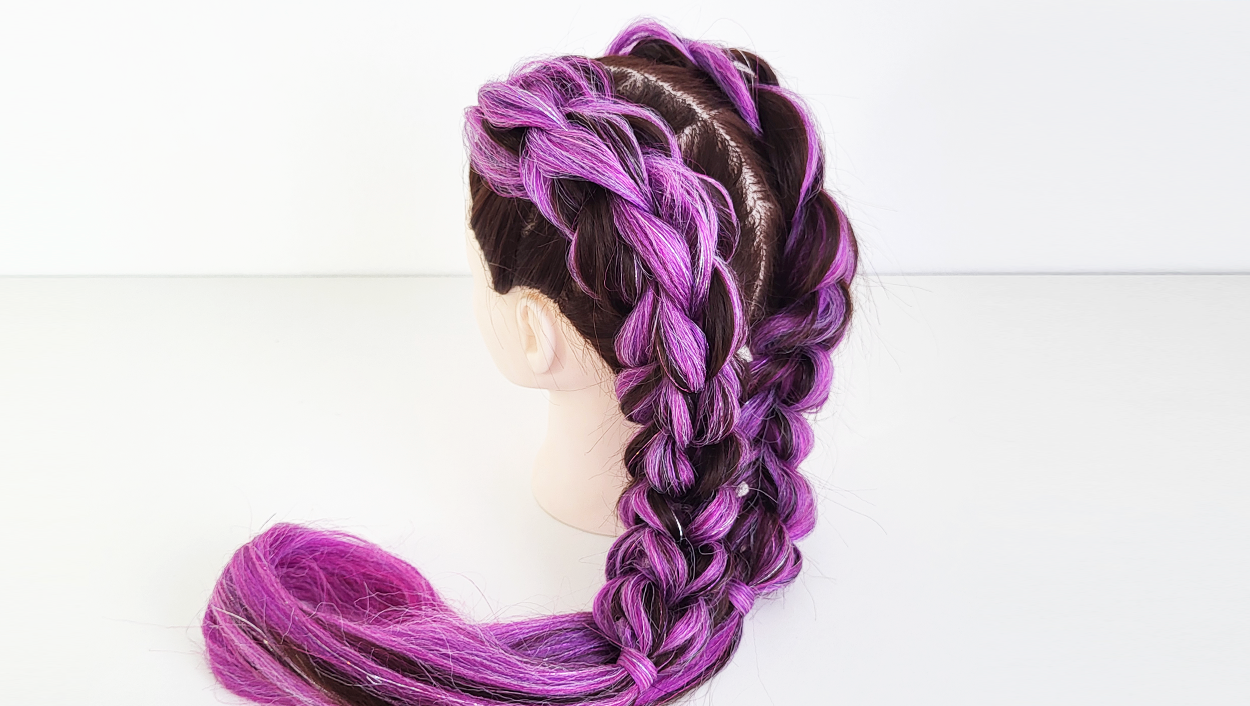
The purpose of festival braids is practical and visual at the same time. The style should help control the hair during movement, heat, wind, dancing, and long event days, while still looking eye-catching in photos and videos. This is why festival braids often use Dutch braids, feed-in braids, cornrows, bubble braids, ponytail braids, fishtails, accent braids, space buns, synthetic hair, and decorative pieces.
A good festival braid style feels fun, secure, and personal. It can be soft and boho, bright and playful, edgy and futuristic, sporty and clean, or full editorial glam. The best version depends on the event, outfit, hair length, comfort level, and the amount of drama the wearer wants.
What Are Festival Braids?
Festival braids are braid-based hairstyles designed for music festivals and creative event styling. They usually combine braid structure with decorative finishing. The braids may be simple, such as two Dutch braids with glitter, or complex, such as feed-in cornrows leading into colorful ponytails with rings and curls.
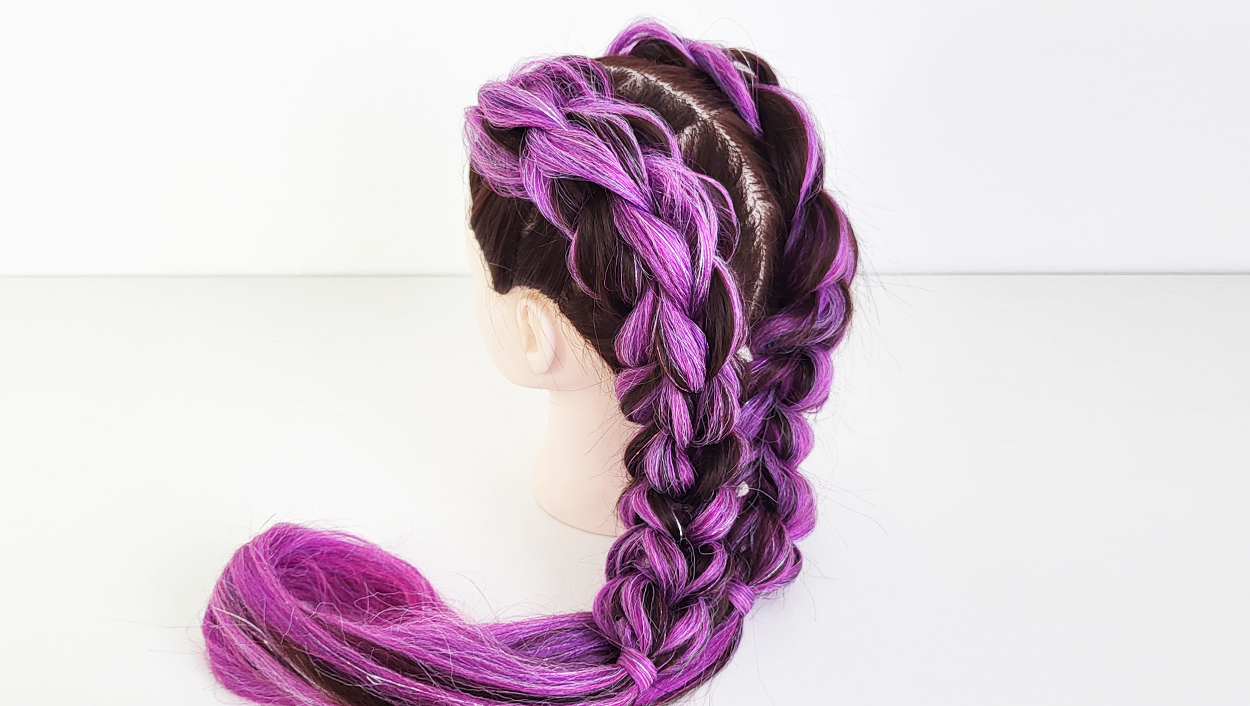
The style can be created with natural hair only or with added synthetic hair. Extensions are common because they allow temporary length, thickness, and color without chemical processing. Bright pink, purple, blue, green, silver, neon, pastel, ombré, and rainbow shades are often used in festival braid looks.
Festival braids can be worn for one day or several days, depending on the braid type and installation method. Loose accent braids are usually short-term. Feed-in braids, cornrows, and extension styles can last longer when installed and maintained correctly.
The defining feature is the event-ready mood. Festival braids should feel expressive, secure, and camera-friendly.
Why Festival Braids Are Popular
Festival braids are popular because they solve a real styling problem: hair needs to look good while staying controlled through long hours of movement. Loose hair can tangle, frizz, flatten, or become uncomfortable in heat and crowds. Braids help keep the hair organized while still allowing a creative look.
The style is also popular because it offers temporary transformation. A client can wear bold color, extra length, glitter, cuffs, rings, or fantasy-inspired details for an event without making a permanent change.
Festival braids photograph well. Braids create visible texture, while accessories and color add contrast. In social media content, the style can look strong from the front, side, back, and top.
Another reason festival braids stay popular is flexibility. They can be minimal, dramatic, boho, futuristic, sporty, romantic, or edgy. The same braid foundation can be changed completely with color and accessories.
Common Types of Festival Braids
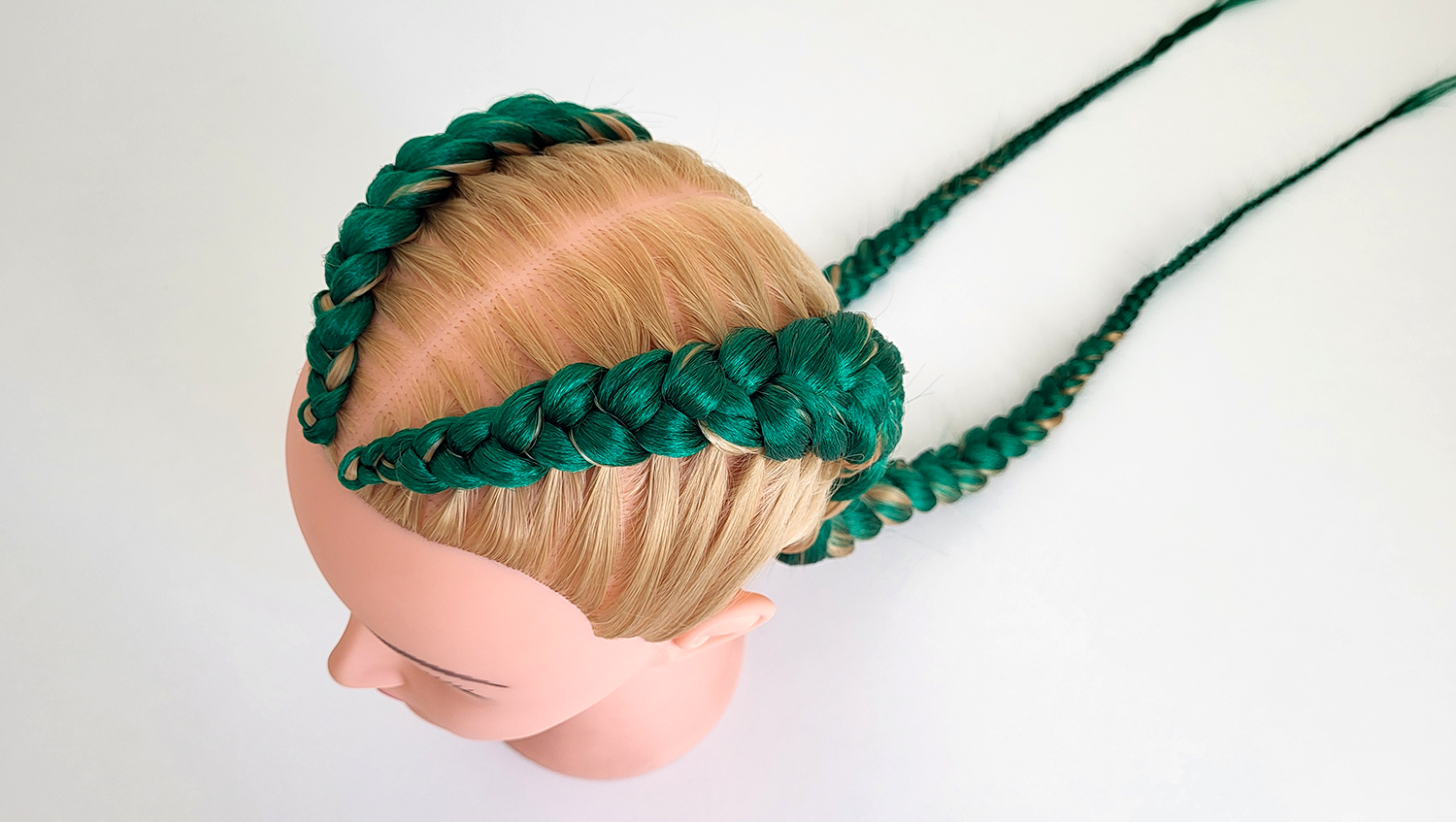
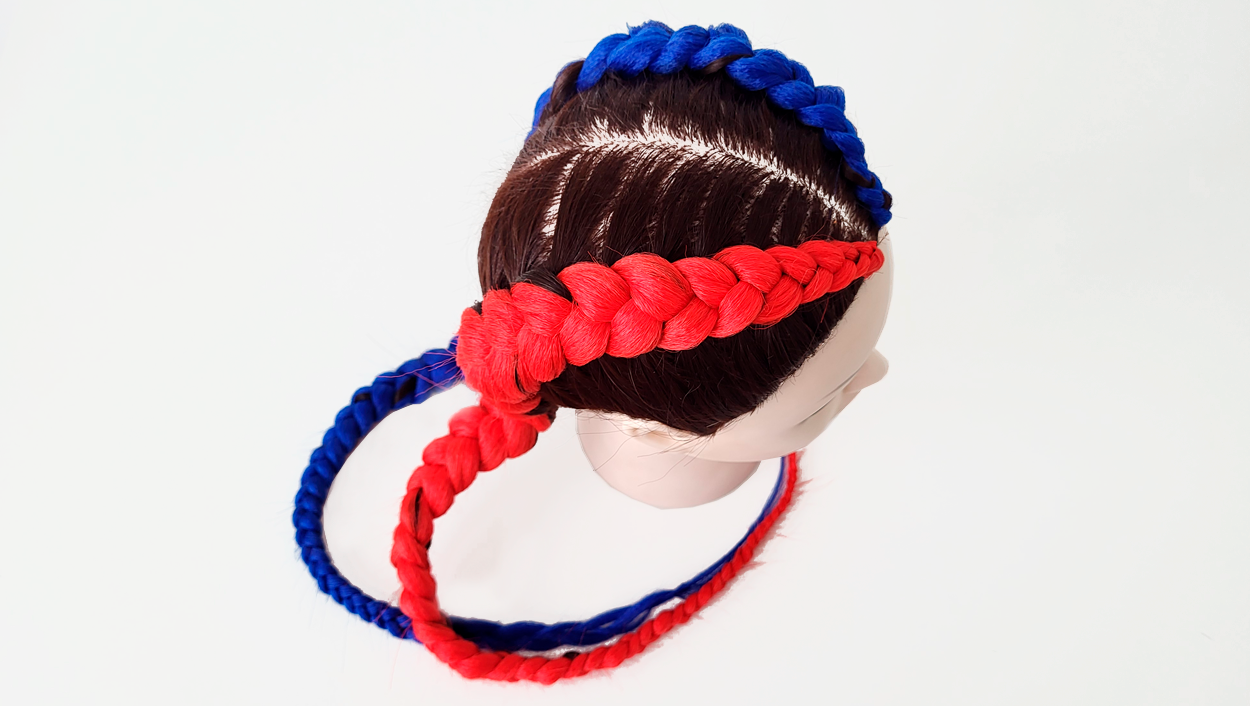
Double Dutch festival braids are one of the most common styles. They keep hair secure while creating a bold raised braid pattern.
Feed-in festival braids use added hair for length, thickness, and color. They can be straight-back, side-swept, or directed into ponytails.
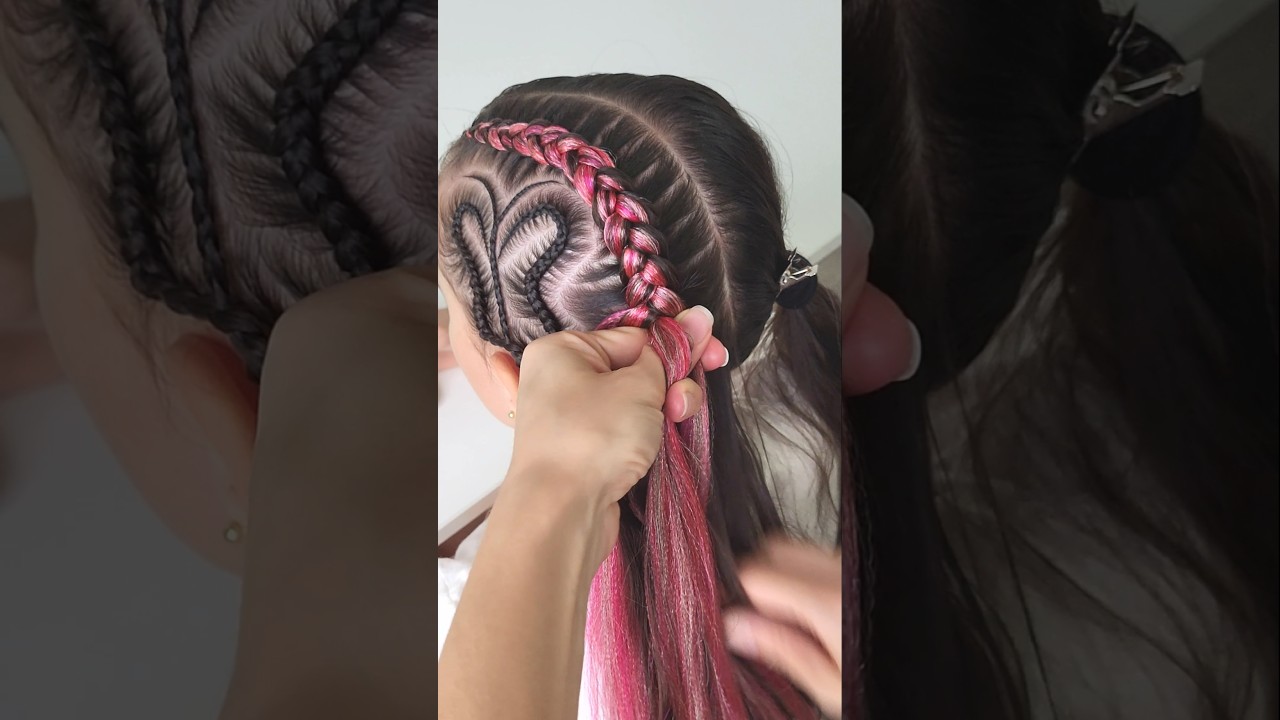
Cornrow festival braids create strong scalp patterns and can be decorated with cuffs, rings, thread, glitter, or colored extensions.
Bubble festival braids use elastics to create rounded sections. They are playful, fast, and highly visual.
Fishtail festival braids create fine texture and a more boho or mermaid-inspired finish.
Braided space buns combine braids with two buns for a fun, youthful, and high-impact look.
Festival ponytail braids gather the hair into a ponytail and braid the length for movement and control.
Accent festival braids add small decorative braid details to loose waves, curls, buns, or ponytails.
Festival Braids with Extensions
Extensions are one of the most powerful tools in festival braiding. They can add color, length, fullness, texture, and stronger shape. Synthetic braiding hair is often used because it comes in many shades and is easy to customize for temporary looks.
Feed-in extensions can create long braids with a smooth start. Clip-in extensions can add volume to loose festival waves. Pre-braided pieces can add fast color accents. Curly extension pieces can create boho texture around braids.
The extension choice should match the style. Lightweight pre-stretched braiding hair works well for feed-in braids and Dutch braids. Curly synthetic or human hair pieces work well for boho festival braids. Neon or pastel synthetic hair works well for dramatic event looks.
The weight must be controlled. A festival style may be worn for many hours, so heavy extensions can become uncomfortable. The style should look bold without pulling on the scalp.
Festival Braids with Color
Color is a major part of festival braid styling. It can turn a simple braid into a statement look. Since color can be added through extensions, the wearer can try a dramatic shade without dyeing natural hair.
Bright shades such as pink, purple, blue, green, red, orange, yellow, and neon tones create a playful festival effect. Pastel shades such as lavender, mint, peach, blush, and baby blue create a softer fantasy look. Silver, white, platinum, and metallic tones can make the style feel futuristic or celestial.
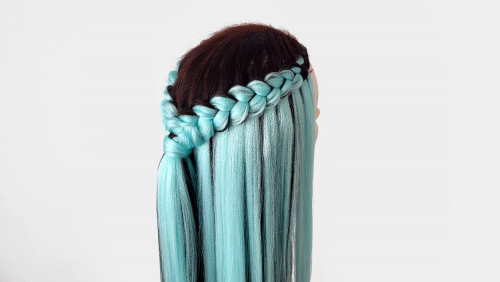
Ombré extensions create movement because the color changes through the braid length. Mixed-color braiding hair can create a custom blend. A few colored face-framing braids can add impact without making the whole style too bold.
Color placement should be planned. Random color can look messy. Intentional color can highlight braid direction, parting, and movement.
Festival Braids with Glitter
Glitter is common in festival styling, especially around part lines, roots, buns, and braid sections. It adds shine and makes the hairstyle more event-ready.
Glitter parts are often used with Dutch braids, cornrows, space buns, and ponytail braids. The glitter can sit in the center part, along side parts, around a bun base, or near the hairline. It can be subtle or dramatic depending on the product and placement.
Glitter should be used carefully. Heavy glitter gels can create buildup, and loose glitter can be difficult to remove. Cosmetic-grade glitter products are safer for hair and skin than craft glitter. The product should not irritate the scalp or fall into the eyes.
A good glitter finish should enhance the braid design without hiding the braid structure.
Festival Braids with Accessories
Accessories help define festival braids. Common options include cuffs, rings, beads, shells, chains, ribbons, metallic thread, charms, clips, pearls, flowers, feathers, and hair jewelry.
Gold cuffs create shine and a polished effect. Silver rings can make the look edgy or futuristic. Beads add movement. Shells create a beachy or boho mood. Chains can make the style more editorial. Ribbons add softness and color.
Accessory placement matters. Pieces near the face create focus. Pieces along the braid highlight structure. Pieces at the ends add movement. Too many accessories can make the style heavy or crowded, so balance is important.
Accessories should be smooth and lightweight. Sharp or heavy pieces can snag the hair, pull on the braid, or become uncomfortable during a long event.
Festival Braids with Waves and Curls
Waves and curls are often combined with festival braids because they add softness and movement. A braid can control the top or front of the hair while loose texture gives the style a relaxed, event-ready finish.
Half-up festival braids with waves are popular because they keep hair away from the face while leaving length visible. Small accent braids through loose curls create a boho effect. Waterfall braids with colored strands can create a soft, flowing look.
Curls can also be added to the ends of feed-in braids or ponytail braids. This creates a romantic or vacation-inspired finish. Boho festival braids may include loose curly pieces throughout the style.
The loose texture should be maintained carefully. Outdoor events can cause frizz, so lightweight products and gentle handling help preserve the look.
Festival Braids for Short Hair
Festival braids can work on short hair with the right technique. Small accent braids, mini Dutch braids, side braids, braided bangs, cornrow accents, glitter parts, and clip-in color pieces can all create a festival effect without long hair.
Short hair can also be styled with added extensions. Synthetic hair can be fed into braids for length, or pre-made braid pieces can be attached temporarily for color and movement.
The key is secure placement. Short hair may slip out more easily, so the stylist may use product, small elastics, pins, or texture spray to help the braid hold.
A festival braid on short hair does not need to be oversized. Clean detail, bold parting, color, and accessories can create strong impact.
Festival Braids for Long Hair
Long hair gives festival braids more styling options. The length can be braided into Dutch braids, fishtails, ponytail braids, bubble braids, mermaid braids, or multiple accent braids.
Long hair also allows more movement. A braid can begin at the scalp and continue through the full length, creating a dramatic look. The ends can be curled, waved, decorated, or left sleek.
For long hair, weight and tangling should be considered. Loose long hair at festivals can tangle quickly, especially in wind or crowds. Braided sections help control the length and reduce knotting.
A strong long-hair festival style should balance beauty with practicality. It should hold through movement without becoming painful or difficult to manage.
Festival Braids for Kids
Festival braids can be adapted for kids for birthdays, school events, dance performances, family festivals, holidays, themed parties, and photoshoots. Kids’ versions should be fun, colorful, lightweight, and comfortable.
Popular options include double Dutch braids with ribbons, braided space buns, heart braids, star braids, ponytail braids with beads, colorful elastics, glitter parts, or small accent braids.
Comfort is the priority. Children’s scalps can be sensitive, so the braids should not be tight. Extensions should be light, and accessories should not pull on the hair.
A kids’ festival braid style should be easy to wear, easy to sleep in if needed, and easy to remove.
Festival Braids for Adults
For adults, festival braids can range from subtle to dramatic. A simple side braid with waves can feel relaxed and boho. Double Dutch braids with colored extensions can feel sporty and bold. Cornrows with cuffs and long ponytail braids can feel sleek and high-impact.
Adults often choose festival braids for music festivals, concerts, vacations, pool parties, beach events, themed events, content creation, and performances. The style can be built around the outfit, makeup, event theme, or color palette.
A good adult festival braid should feel elevated, not childish unless that is the intended mood. Clean technique, intentional accessories, and balanced color make the style look professional.
Comfort matters because festival days can be long. The style should not create headaches, pulling, or scalp soreness.
Festival Braids for Men
Festival braids are also used in men’s styling, especially with medium to long hair. Men may choose straight-back braids, side cornrows, Dutch braids, braided top sections, Viking-inspired braids, ponytail braids, or accent braids combined with fades and undercuts.
For men’s festival looks, the style can be clean, rugged, edgy, or fantasy-inspired. Accessories such as cuffs, rings, leather cord, thread, or subtle color pieces can add detail.
A fresh haircut can make braid patterns look sharper. The contrast between clean edges and braid texture creates a strong visual effect.
The style should be secure and comfortable. A festival look should survive movement without pulling at the hairline or scalp.
Festival Braids for Protective Styling
Festival braids can function as protective or low-manipulation styles when they are installed safely. Feed-in braids, cornrows, and extension braid styles can help keep the hair controlled and reduce daily manipulation during travel or multi-day events.
However, not every festival braid is protective. Tight braids, heavy extensions, sharp accessories, glitter buildup, and rough removal can cause stress. A style is protective only when it supports hair health.
The hair should be prepared before installation with cleansing, detangling, and moisture. The braids should not pull at the hairline, temples, crown, or nape. Extensions should be balanced with the natural hair.
Festival styling should never sacrifice scalp comfort for drama.
Parting and Design Planning
Parting is a major part of festival braid design. Clean parts make the style look professional, even when the final look is playful. Center parts work well for double Dutch braids and glitter parting. Side parts create a softer or edgier shape. Zigzag parts add movement. Star, heart, or curved parts create a custom design.
The parting should match the head shape, hair density, and final style. If extensions are used, the sections must be strong enough to support the added weight.
For multi-day festivals, simpler parting may be easier to maintain. For one-day content or photoshoots, more complex designs can create stronger impact.
A good festival braid starts with a clear design plan before the first braid begins.
Professional Technique Details
A professional festival braid style begins with consultation. The stylist should understand the event, wear time, outfit, color palette, comfort level, and desired level of drama.
Hair preparation depends on texture and style. Sleek braids may need smoothing products. Boho braids may need waves and texture spray. Extension styles require pre-sectioned braiding hair. Glitter and accessories should be selected before finishing.
Tension control is essential. Festival braids often include extensions and accessories, so the stylist must avoid making the style too heavy or tight.
The braid should be checked from all angles. Festival hair is often photographed, so the front, side, back, and top views all matter.
The final result should look creative, secure, and intentional.
Maintenance During a Festival
Festival braids should be maintained with lightweight care. A satin or silk scarf can protect the style at night during multi-day events. A small edge brush, light gel, braid spray, or travel-size finishing product can help refresh the look.
The wearer should avoid overloading the scalp with heavy oils, glitter gels, and styling products. Product buildup can cause itching and make takedown harder.
If the style includes loose curls or waves, finger-combing is usually better than rough brushing. If accessories shift, they should be adjusted gently.
The scalp should be monitored. If the style starts to feel painful or too tight, it should be loosened. A festival look should be fun to wear, not uncomfortable.
Takedown and Hair Health
Takedown should be careful, especially if the style includes glitter, extensions, elastics, rings, cuffs, thread, chains, or glued accessories. All accessories should be removed before the braids are undone.
If extensions were used, the wearer should identify where the natural hair ends before cutting any added hair. Braids should be taken down from the ends upward.
Glitter and product buildup should be removed gently. The scalp may need a thorough cleanse after the event, but rough scrubbing should be avoided. A moisturizing conditioner or deep conditioner can help restore softness after outdoor exposure.
Safe removal is part of good festival styling. The hair should feel healthy after the look is taken down.
Styling Options
Festival braids can be styled in many ways. Double Dutch braids create a classic festival look. Feed-in braids add length and color. Cornrows create clean scalp design. Bubble braids add playful volume. Fishtails create boho texture. Space buns create a fun, high-energy finish.
The style can include glitter roots, colored extensions, curly ends, metallic cuffs, beads, rings, ribbons, shells, or hair jewelry. It can be sleek and sharp or loose and romantic.
A festival ponytail braid can feel powerful and practical. A half-up braid with waves can feel soft and wearable. A braided crown can feel ethereal. A dragon braid can feel bold and fantasy-inspired.
The best styling choice depends on comfort, event length, hair texture, outfit, and personal style.
Festival Braids in Modern Beauty Culture
Festival braids remain popular because they combine function and fantasy. They help keep hair controlled while allowing self-expression through color, texture, and accessories.
The style appears in music festivals, concerts, social media tutorials, beauty content, celebrity styling, dance events, pool parties, vacation hair, and editorial shoots. It is especially strong on camera because the braid structure and decorative details create instant visual interest.
In professional beauty work, festival braids show a stylist’s ability to balance creativity with wearability. The style must look exciting, but it also has to survive movement, heat, and long hours.
Festival braids continue to evolve because they absorb trends quickly: new colors, new accessories, new braid patterns, and new styling combinations.
Why Festival Braids Matter
Festival braids matter because they turn hairstyling into self-expression. They give clients a way to experiment with color, texture, length, accessories, and identity without permanent change.
For clients, festival braids offer confidence, convenience, and creative beauty. For stylists, they offer space to combine technical braiding, event styling, color placement, and accessory design.
When done well, festival braids look bold, comfortable, secure, and intentional. They prove that a braid can be practical enough for a long event and artistic enough to become the main beauty statement.