
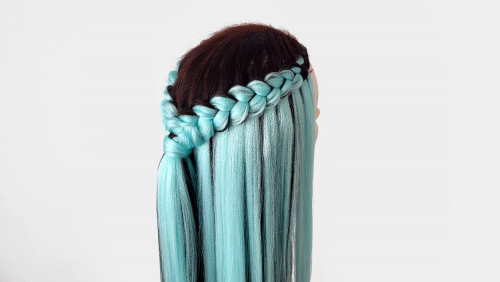
Flat Twists: Close-to-Scalp Twist Styling With Clean Direction, Protective Shape, and Natural Texture Control
Flat twists are close-to-scalp twist styles created by working with two sections of hair while adding more hair into the twist as it moves along the head. They are similar to cornrows in placement because they sit close to the scalp, but the technique is based on twisting instead of three-strand braiding. The result is a smooth, rope-like pattern that can look soft, clean, protective, and highly versatile.
This style is especially important in natural hair care because it works well on curly, coily, kinky, and textured hair. Flat twists can be worn as a finished hairstyle, used as a protective style, shaped into updos, combined with loose curls, or set overnight to create a defined flat twist-out. They can be simple and practical or polished and elegant depending on parting, size, tension, direction, and finishing.
Flat twists are also valued because they can be gentler than some braid styles. Since they use two sections instead of three, many people find them easier on the scalp and faster to install than detailed cornrows. When done correctly, flat twists protect the hair, reduce daily manipulation, and create beautiful texture after removal.
What Are Flat Twists?
Flat twists are two-strand twists that are attached to the scalp. The stylist begins with a section of hair, divides it into two strands, and twists them around each other while gradually adding new hair from the section. This keeps the twist flat against the head instead of hanging freely from the root.
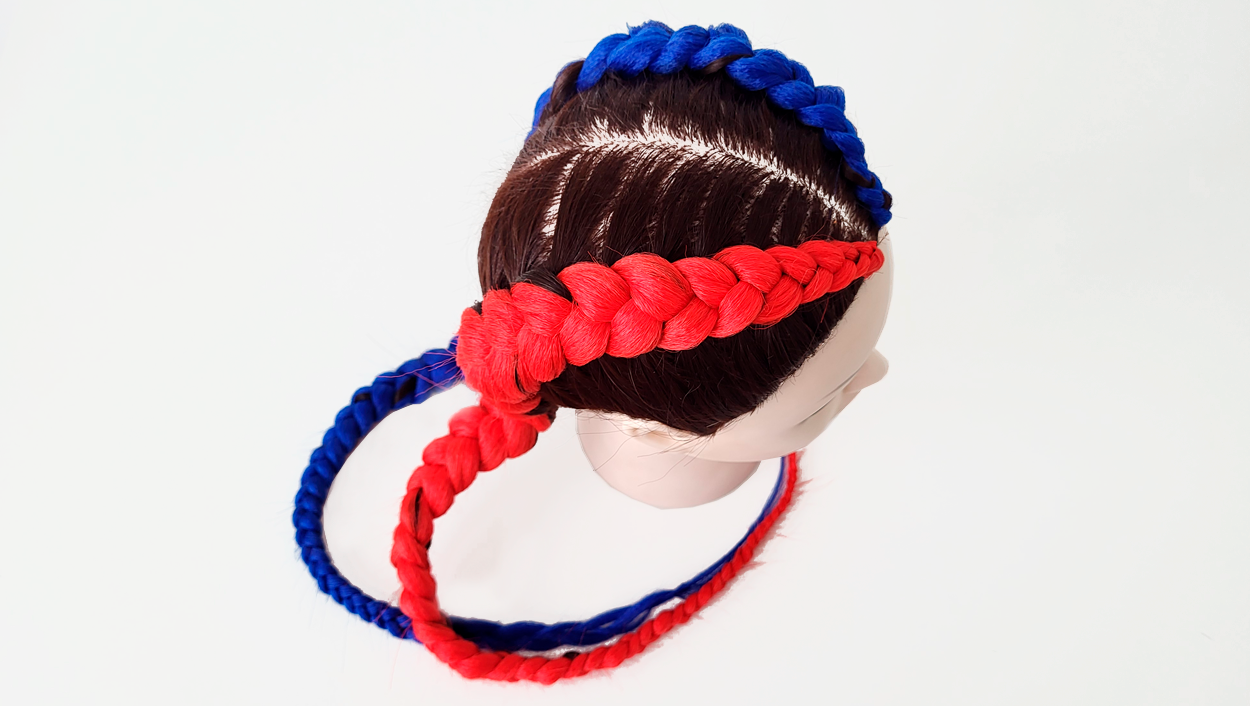
The technique can move straight back, diagonally, around the crown, toward a bun, into a ponytail, or in creative patterns. Flat twists can be small, medium, large, neat, soft, sculptural, or expanded depending on the desired look.
Flat twists can be created with natural hair only or with added hair for more length, fullness, or durability. However, many flat twist styles are done without extensions because the technique already works beautifully with natural texture.
The defining feature is the close-to-scalp two-strand structure. If the twist hangs freely from the beginning, it is a regular two-strand twist. If it is built along the scalp by adding hair, it is a flat twist.
Why Flat Twists Are Popular
Flat twists are popular because they combine beauty and function. They keep hair controlled while still creating a soft, elegant texture. They can be worn casually, professionally, formally, or as part of a natural hair routine.
The style is also practical. Flat twists can protect the ends, reduce daily combing, and keep textured hair organized. They are often used as a low-manipulation style for people who want to give their hair a break from heat, brushing, or constant restyling.
Flat twists are also easier for many beginners to learn than cornrows. The two-section method can feel more natural than managing three braid sections close to the scalp. This makes flat twists a common starting point for people learning textured hair styling.
Another reason they remain popular is versatility. Flat twists can become a finished style today and a twist-out tomorrow. That makes them useful for both protective styling and texture creation.
Flat Twists vs. Cornrows
Flat twists and cornrows are both close-to-scalp styles, but the technique is different. Cornrows use three sections of hair braided close to the scalp. Flat twists use two sections twisted together while adding hair.
Cornrows usually create a tighter, more woven braid pattern. Flat twists create a softer, rope-like pattern. Cornrows often last longer because the three-strand structure can hold more firmly. Flat twists may be faster to install and gentler for some scalps, but they can loosen sooner depending on hair texture and technique.
The visual effect is also different. Cornrows look more braided and structured. Flat twists look smoother, rounder, and softer.
Both styles can be protective when installed correctly. The better choice depends on hair type, desired wear time, scalp sensitivity, styling goal, and personal preference.
Flat Twists vs. Two-Strand Twists
Flat twists and two-strand twists use the same basic twisting motion, but their placement is different. Two-strand twists usually hang freely from individual sections of hair. They are attached only at the root and then twisted down the length.
Flat twists are attached to the scalp. The stylist adds hair into the twist as it moves along the head, keeping the twist flat against the scalp.
Two-strand twists are often used for full-head twist sets, twist-outs, and loose protective styles. Flat twists are often used for scalp designs, updos, crown styles, and twist-outs with more root control.
Both can create beautiful definition after takedown. Flat twists usually create a pattern that starts closer to the root, while loose two-strand twists may create more definition through the ends.
Common Types of Flat Twists
Straight-back flat twists move from the front hairline toward the back. They are clean, simple, and practical.
Side flat twists move along one side of the head and can be paired with loose curls, twist-outs, or buns.
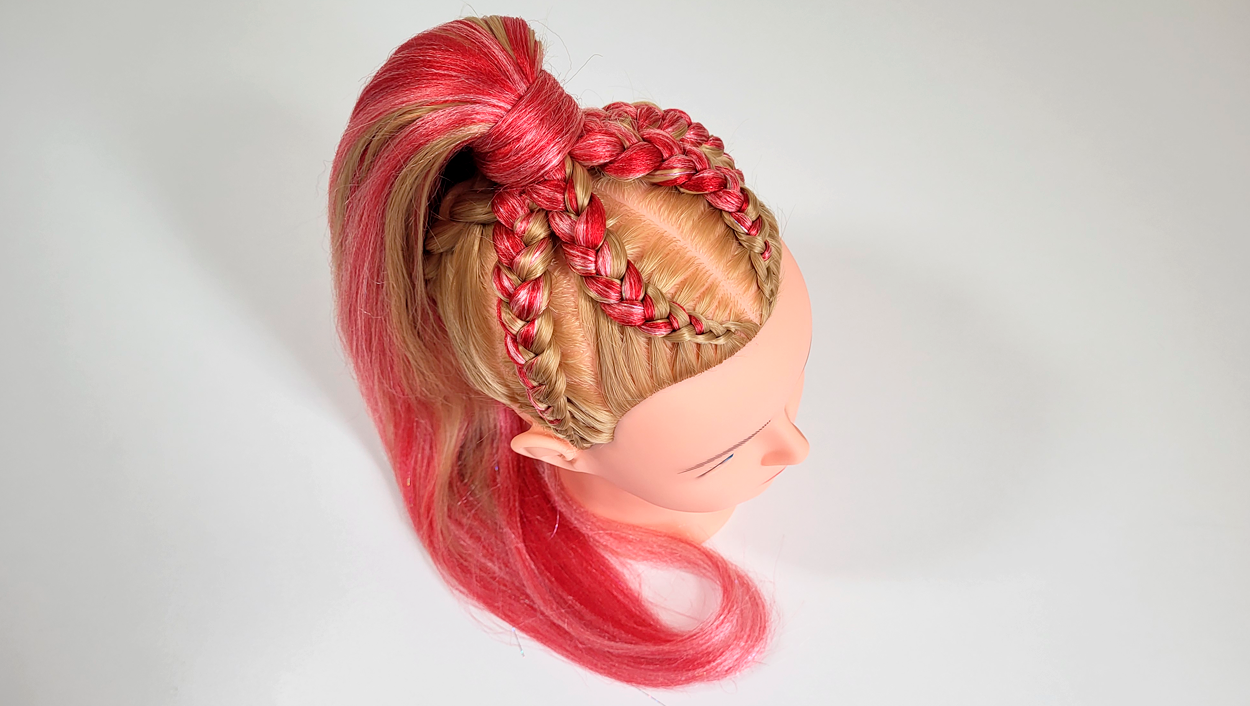
Flat twist updos use twists directed upward, sideways, or toward a bun shape. This creates a polished protective style.
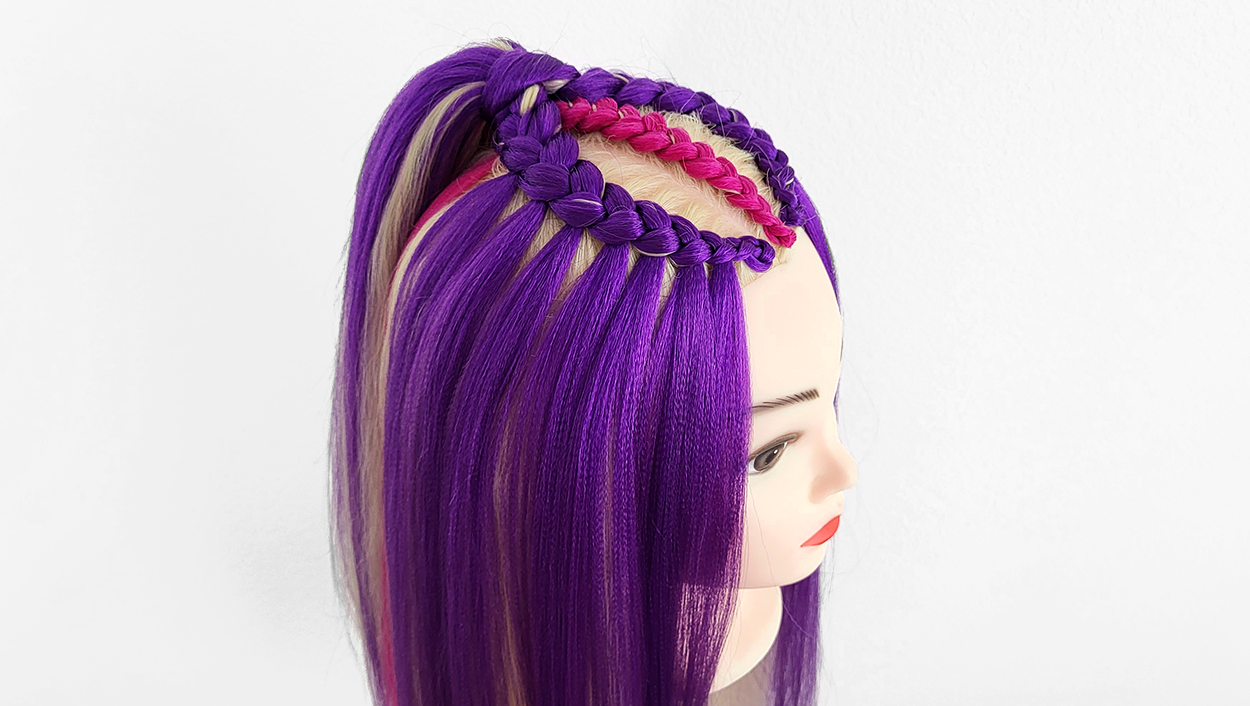
Flat twist crowns wrap around the head to create a halo or crown effect. This version can look elegant and formal.
Flat twists into two-strand twists begin close to the scalp and then continue as loose twists through the length.
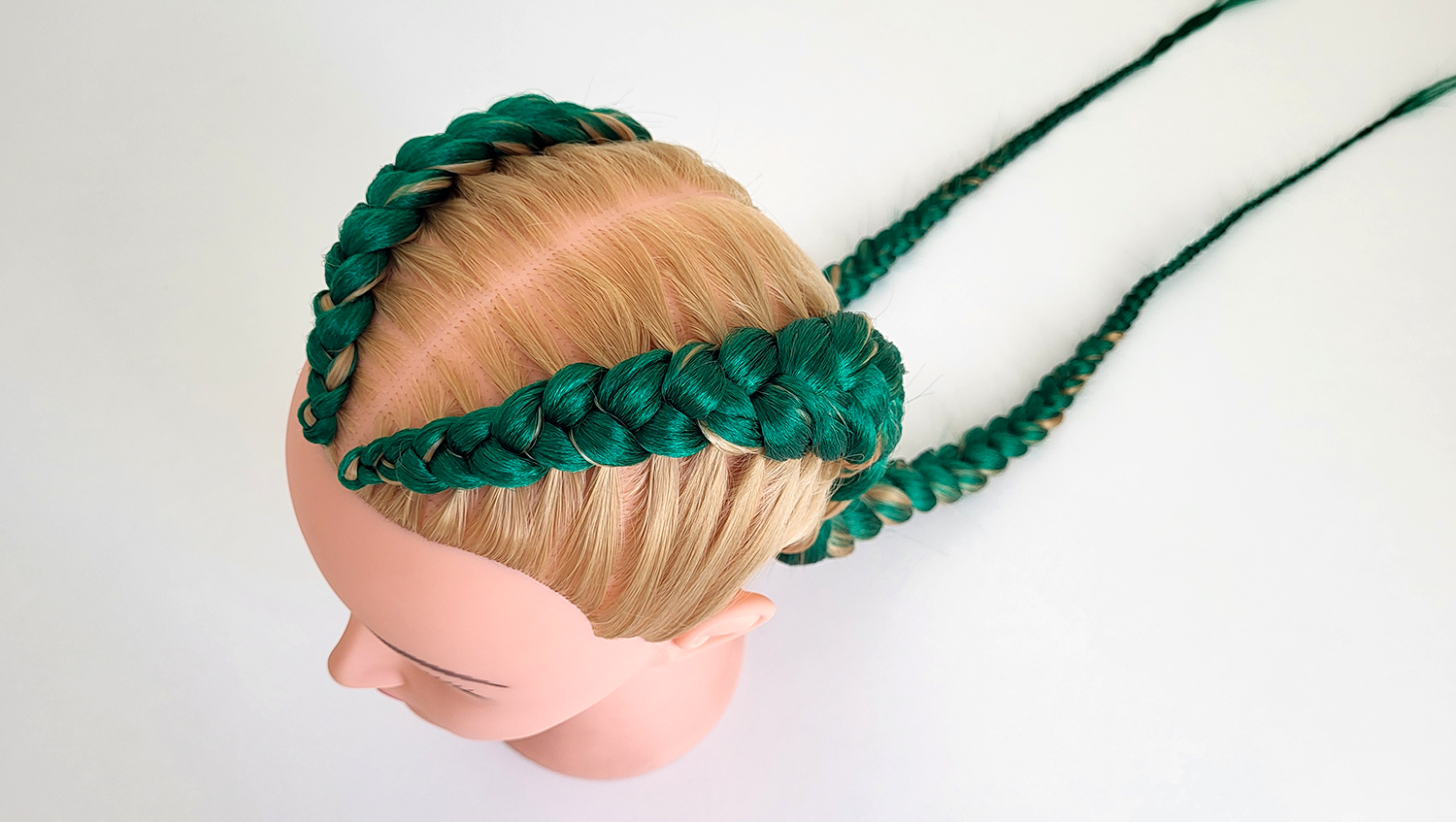
Flat twists with extensions use added hair for more length, fullness, or longer wear.
Flat twist-outs are created by wearing flat twists temporarily, then unraveling them to reveal defined texture.
Flat Twists with Natural Hair
Flat twists are most commonly created with natural hair. They work especially well on curly, coily, kinky, and textured hair because the natural curl pattern helps the twist hold. The style can also be done on straight or wavy hair, but it may loosen faster unless product or pins are used for extra hold.
Before twisting, the hair should be clean, detangled, moisturized, and sectioned. Some stylists prefer working on damp hair for more definition, while others prefer stretched hair for smoother parting and less shrinkage.
Product choice depends on the desired result. A cream can add moisture and softness. A gel can add hold and clean parting. Mousse can create a lighter finish. Leave-in conditioner can help with flexibility and moisture.
Natural-hair flat twists should feel secure but not tight. The goal is scalp control without stress.
Flat Twists with Extensions
Flat twists can be created with added hair, although they are often done without extensions. Extensions may be used when the client wants longer twist tails, more fullness, added color, or longer-lasting structure.
Synthetic braiding hair, kinky-textured hair, Marley hair, or spring twist hair can be added depending on the desired finish. The extension texture should blend with the client’s natural hair so the twist does not look disconnected.
Adding hair to flat twists requires control. Too much added hair can make the twist bulky or heavy. Too little may not create the desired effect. The stylist should match the extension amount to the section size and natural hair density.
Flat twists with extensions can be beautiful for updos, side designs, and protective looks, but they should remain lightweight and comfortable.
Flat Twist-Outs
Flat twist-outs are one of the most popular reasons people use flat twists. A flat twist-out happens when the hair is flat twisted, allowed to set, and then unraveled to reveal defined waves, curls, or stretched texture.
The result depends on hair texture, product, moisture level, twist size, drying time, and takedown technique. Smaller flat twists usually create more definition. Larger flat twists create softer waves and more volume.
The hair should be fully dry before unraveling. Taking down twists while the hair is still damp can create frizz and reduce definition. Many people apply a small amount of oil or serum to their fingers during takedown to reduce friction.
Flat twist-outs are useful because they create definition from the root area. This gives the finished style shape, volume, and controlled texture.
Flat Twist Updos
Flat twist updos are elegant protective styles where the twists are directed into a bun, roll, crown, or sculpted shape. The twists may move upward from the nape, across the sides, around the head, or toward one focal point.
This style is popular for work, weddings, formal events, natural hair styling, and low-maintenance protective looks. It keeps the ends tucked away and creates a polished finish without needing heat.
Flat twist updos can be simple or detailed. A few large twists can create a clean everyday updo. Smaller twists with curved parting can create a more formal or artistic look.
The updo should be secure without pulling. Pins should be placed carefully so they do not scratch the scalp or break the hair.
Flat Twist Crowns
Flat twist crowns wrap around the head or upper section to create a halo-like effect. This style can look soft, regal, romantic, or natural depending on the finish.
The twist usually follows a circular or curved path. It may be one large twist around the head or several twists connected into a crown shape. The ends can be tucked, pinned, curled, or blended into a bun.
Flat twist crowns are popular for formal events, protective styling, natural hair photoshoots, and elegant everyday looks. They work especially well when the client wants a style that frames the face and keeps the hair lifted.
Clean parting and gentle tension are important because the twist often sits near the hairline. The style should not pull around the edges.
Flat Twists for Protective Styling
Flat twists can function as a protective style when they are installed with proper tension, healthy parting, and good moisture preparation. They keep hair organized and can help protect the ends, especially when the ends are tucked into an updo.
They are also useful because they reduce daily manipulation. Instead of combing or restyling the hair every day, the wearer can keep the twists in place for several days or longer depending on the style.
However, flat twists are protective only when they are not too tight. Tight twisting can create scalp soreness, breakage, or stress around the hairline. The sections should not be pulled harshly, especially near the temples and nape.
A good protective flat twist style should feel comfortable, keep the hair moisturized, and be easy to remove without breakage.
Flat Twists for Kids
Flat twists are excellent for kids because they can be gentle, cute, and practical. They can be styled straight back, into pigtails, ponytails, buns, crowns, or creative parting patterns.
Kids’ flat twists can be decorated with bows, beads, colorful elastics, clips, ribbons, or small barrettes. They are useful for school, dance, holidays, birthdays, photos, and everyday routines.
Comfort is the priority. Children’s scalps can be sensitive, so the twists should not be tight. The hairline should be handled gently, and heavy extensions should usually be avoided.
A good kids’ flat twist style should be neat, soft, secure, and easy to remove. It should support play, sleep, and daily movement without discomfort.
Flat Twists for Adults
For adults, flat twists can look elegant, natural, professional, romantic, or creative. They can be worn as a full protective style, a side detail, a crown, an updo, or a base for a twist-out.
Adults often choose flat twists for work, travel, natural hair care, formal events, protective styling breaks, and low-maintenance routines. The style can be subtle and clean or more decorative with curved parts, accessories, and pinned shapes.
Flat twists are also useful when the client wants a style that protects the hair without the tightness or longevity of smaller braids. They are often faster to install and easier to remove than many detailed braid styles.
The best adult version depends on hair length, texture, lifestyle, scalp sensitivity, and desired wear time.
Flat Twists for Short Hair
Flat twists can work well on short natural hair because the technique holds the hair close to the scalp. Even if the hair is not long enough for hanging twists or braids, it may still be long enough for flat twists.
Short-hair flat twists can be styled straight back, diagonally, along the sides, or toward a small puff or bun. They can also be used to create a twist-out with root definition.
Product choice is important on shorter hair because the ends may release more easily. A styling cream, gel, or mousse can help hold the twist.
A short flat twist style should be clean but gentle. Small sections can create detail, but they should not be too tight or fragile.
Flat Twists for Long Hair
Long hair gives flat twists more styling options. The twists can continue into loose two-strand twists, be pinned into updos, wrapped into buns, or used to set a twist-out.
Long hair may need careful detangling before styling because twists can tangle if the ends are not smooth. The stylist should keep the two sections separated as the twist moves along the scalp.
For long natural hair, flat twists can reduce daily manipulation and help organize the length. They can also stretch the hair and create a defined pattern after takedown.
A long-hair flat twist style should balance control and softness. The twist should not pull tightly just because the hair is dense or long.
Parting and Design Planning
Parting changes the entire look of flat twists. Straight parts create a clean and simple style. Curved parts create softness and movement. Diagonal parts add direction. Circular parts can create crown or updo shapes. Creative parting can make the style more artistic.
The parting should match the client’s hair density, head shape, and final style. Small sections create more detail but may take longer. Larger sections are faster and softer but may not last as long.
For flat twist-outs, the parting also affects the final curl pattern. Smaller sections create more definition. Larger sections create more volume.
A strong flat twist design starts with a clear plan. The stylist should know where each twist will begin, where it will end, and how the finished shape will look.
Tension and Twist Direction
Tension control is one of the most important parts of flat twisting. The twist should be secure enough to hold close to the scalp, but not tight enough to cause pain. A comfortable twist protects the hair better than a tight twist.
Twist direction also matters. The stylist should twist in a consistent direction so the pattern looks clean and the style holds. If the direction changes unexpectedly, the twist may loosen or look uneven.
The hands should move steadily while adding hair into each twist. The added hair should be smooth and balanced, not grabbed in large uneven chunks.
A clean flat twist depends on rhythm, section control, and gentle tension.
Professional Technique Details
A professional flat twist starts with preparation. The hair should be detangled, moisturized, and sectioned according to the style. Product should be selected based on texture, hold, and desired finish.
The stylist divides the starting section into two strands. The strands are twisted around each other while small amounts of hair are added from the scalp section. This continues until the twist reaches the end of the parting line.
The twist may end as a loose two-strand twist, be tucked into an updo, be pinned, or be secured with a small elastic. The finish depends on the design.
The twist should look smooth and even from root to end. It should not gape at the scalp or pull too tightly. A polished flat twist should be secure, comfortable, and clearly shaped.
Maintenance and Wear
Wear time depends on hair texture, twist size, product use, lifestyle, and how the ends are finished. Some flat twist styles last a few days. Smaller or more secure styles may last longer. Flat twist updos may hold better than loose-ended styles.
At night, the style should be protected with a satin or silk scarf, bonnet, or pillowcase. This helps reduce frizz and preserve the parting.
The scalp should stay clean and comfortable. Lightweight moisturizing spray, scalp mist, or light oil may be used if needed. Heavy products can create buildup and make the twists look dull.
If the twists become too frizzy, loose, itchy, or uncomfortable, they should be refreshed or removed.
Takedown and Hair Health
Flat twists should be removed gently. The twist should be unraveled from the ends upward. If the goal is a twist-out, the wearer should separate the twists carefully to preserve definition.
If the twists were worn as a protective style, shed hair may be present during takedown. This is normal, but it should be separated gently before washing.
The hair should not be ripped apart or combed roughly while dry. A small amount of oil or moisturizer on the fingers can help reduce friction during removal.
After takedown, the hair may need cleansing, conditioning, detangling, and moisture. If the scalp feels tender, the hair should rest before another tight style.
A good flat twist style protects the hair during installation, wear, and removal.
Styling Options
Flat twists can be styled in many ways. They can be worn straight back, side-swept, into buns, into ponytails, around the crown, into updos, or combined with loose curls and twist-outs.
They can also be paired with two-strand twists, afro puffs, wash-and-go curls, bantu knots, cornrows, beads, cuffs, ribbons, and decorative pins. A few flat twists on one side can create a beautiful asymmetrical look. A full set of flat twists can create a clean protective style.
Flat twists can be casual or formal. The same technique can create a simple everyday style or a polished wedding updo.
The best styling choice depends on hair length, texture, comfort, and occasion.
Flat Twists in Modern Beauty Culture
Flat twists remain important in modern natural hair styling because they are practical, elegant, and adaptable. They appear in protective styling, natural hair tutorials, salon services, kids’ hair, formal styling, twist-out routines, and editorial beauty.
The style is especially valued in textured hair communities because it supports healthy hair care while still offering beauty and variety. Flat twists can protect the hair, stretch the hair, define the hair, and style the hair all at once.
For professionals, flat twists show control over natural texture, parting, moisture, tension, and direction. The technique may look simple, but a clean flat twist requires consistency and skill.
Flat twists continue to stay relevant because they serve both hair health and style.
Why Flat Twists Matter
Flat twists matter because they offer a gentle, versatile, and effective way to style textured hair close to the scalp. They can protect the hair, create beautiful designs, support twist-outs, and reduce daily manipulation.
For clients, flat twists offer comfort, definition, elegance, and natural hair care flexibility. For stylists, they build skill in two-strand control, scalp styling, parting, and texture management.
When done well, flat twists look clean, soft, secure, and intentional. They prove that protective styling does not have to be complicated or heavy to be beautiful and effective.