
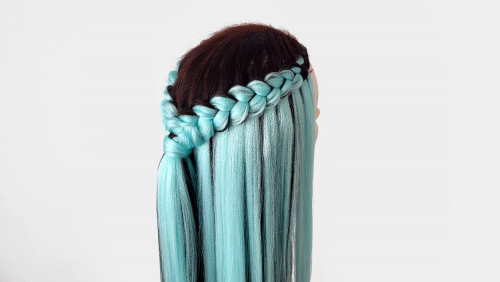
SE Braids: Single-Ended Braids for Flexible Extensions, Accent Looks, and Protective Styling
SE braids, or single-ended braids, are pre-made braid extensions designed with one attachment end and one loose hanging end. The “SE” stands for “single-ended.” This format is commonly used in synthetic braid extensions, temporary braid installations, cosplay hair, festival styling, alternative fashion, accent braids, and some protective-style looks.
Unlike regular loose braiding hair, SE braids are already braided before installation. The stylist or wearer attaches the finished braid to the natural hair using a loop, braid-in method, elastic, thread, or another secure technique depending on the style. Because the braid is pre-made, the finished look can be faster to install and easier to control than braiding every extension directly from loose fiber.
SE braids are especially useful when the goal is length, color, texture, or decorative detail without permanently changing the natural hair. They can be worn as a full head of synthetic braids, added as accent pieces, mixed into existing braids, attached for temporary styling, or used to create bold creative looks.
What Are SE Braids?
SE braids are single-ended braid extensions. Each braid has one main attachment point and one free end that hangs down like a regular braid. The attachment end may be looped, sealed, tied, folded, or prepared in a way that allows it to be connected to the natural hair.
The braid itself can be made from synthetic hair, kanekalon-style fiber, toyokalon, yarn, wool, or other extension materials. Most SE braids are lightweight enough for temporary wear, but the exact comfort depends on fiber type, braid size, length, density, and installation method.
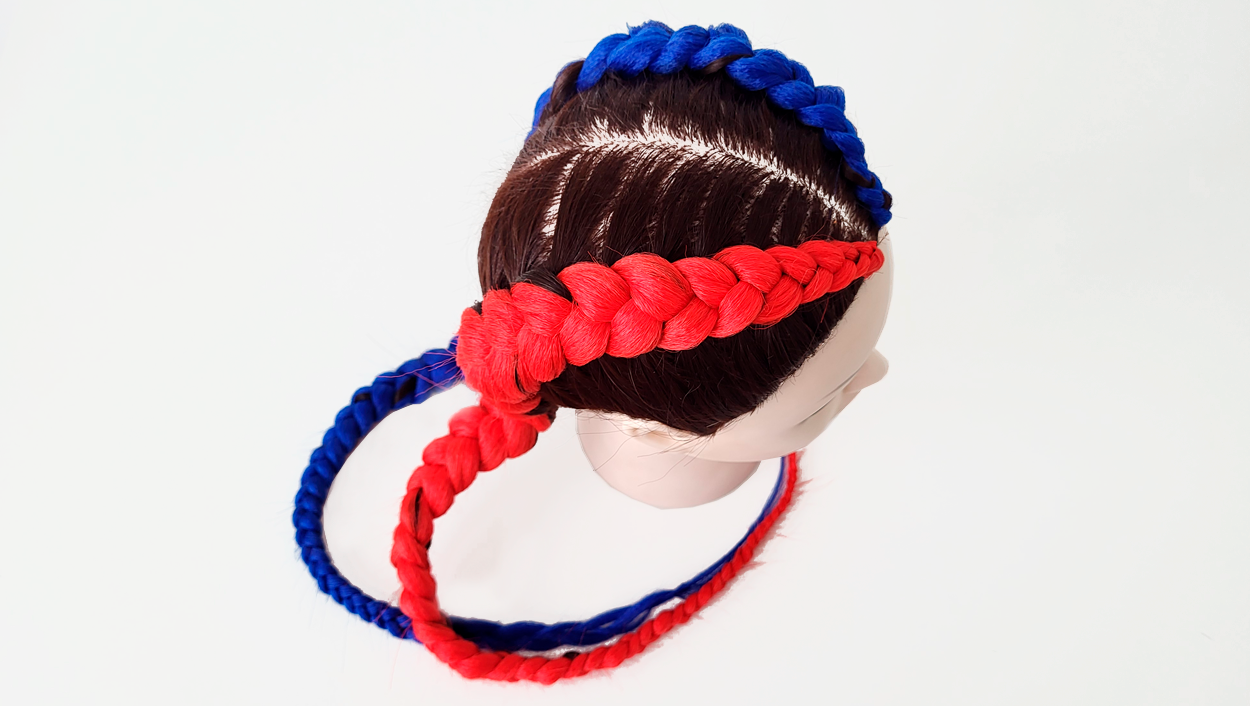
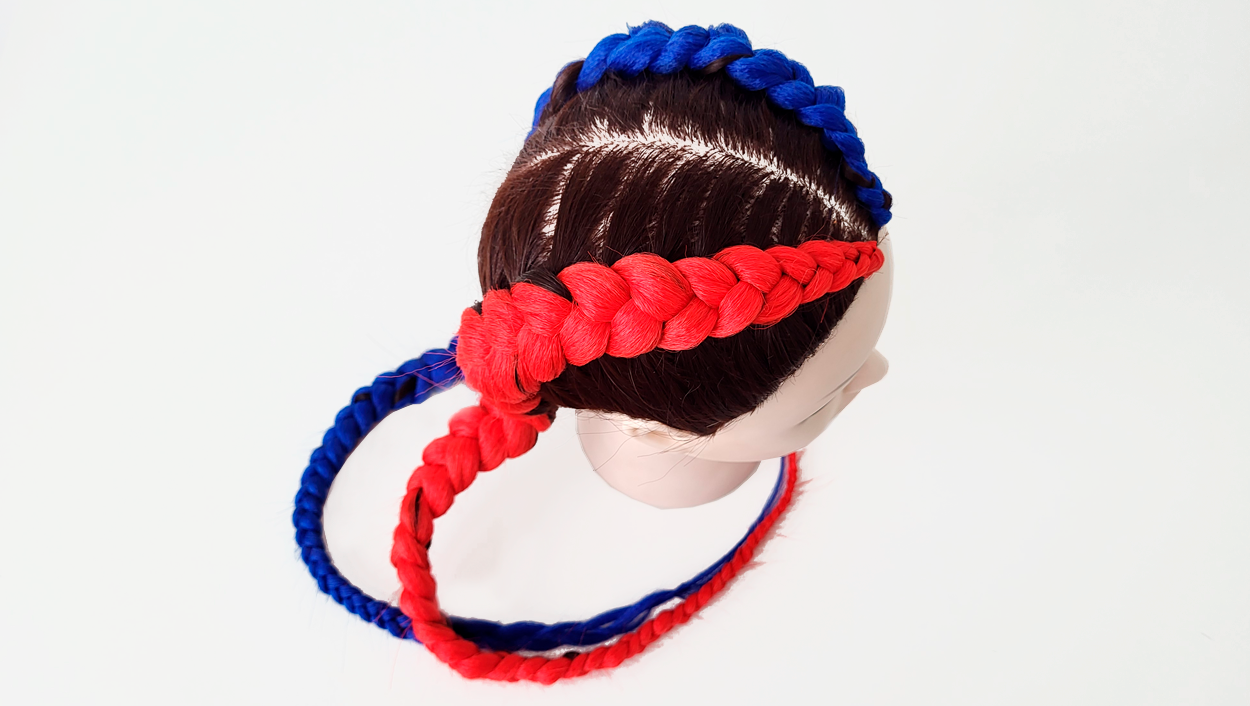
SE braids can be thin, medium, jumbo, smooth, textured, colorful, ombré, patterned, or decorated with beads, cuffs, thread, charms, or wraps. They can imitate classic box braids, cyberlox-inspired styles, festival braids, fantasy hair, or bold fashion extensions.
The defining feature is the single-ended construction. One prepared end attaches to the hair; the other end hangs freely.
SE Braids vs. DE Braids
SE braids are single-ended. DE braids are double-ended. The difference is in the structure of the extension.
A single-ended braid has one attachment end and one hanging braid length. It is installed as one braid piece.
A double-ended braid has two hanging braid lengths connected at a central fold or attachment point. When installed, one DE braid usually creates the visual effect of two braids hanging from one attachment point.
This means DE braids can create a fuller look faster because each installed piece gives two visible braid ends. SE braids offer more individual placement control because each braid is installed separately.
SE braids are often preferred when the stylist wants precise spacing, controlled density, smaller accent placement, or a more natural single-braid effect. DE braids are often chosen when the goal is maximum volume, dramatic synthetic sets, or faster full-head coverage.
How SE Braids Are Used
SE braids can be used in several ways. They can be installed throughout the full head to create a complete synthetic braid style. They can also be added only to selected areas for color accents, volume, or creative detail.
Some wearers use SE braids for temporary looks that can be removed after an event, photoshoot, festival, or performance. Others use them as part of alternative fashion styling, cosplay, costume hair, or editorial beauty.
In protective styling, SE braids may be used when the natural hair is secured underneath or braided into the attachment point. However, they should still be installed carefully. A pre-made braid can protect the natural hair only if it is lightweight, comfortable, and attached without harsh tension.
SE braids are also useful for people who want bold colors without dye. Neon shades, pastel blends, ombré effects, black-and-blonde contrast, fantasy colors, and custom color mixes can all be added through pre-made braid extensions.
Common Types of SE Braids
Classic SE braids are pre-braided extensions that look like standard three-strand braids. They may be smooth, sleek, or textured depending on the fiber.
Jumbo SE braids are larger and more dramatic. They create strong volume and a bold visual effect, but weight must be managed carefully.
Thin SE braids create a more detailed and flexible look. They can be used for full-head installs or small accent pieces.
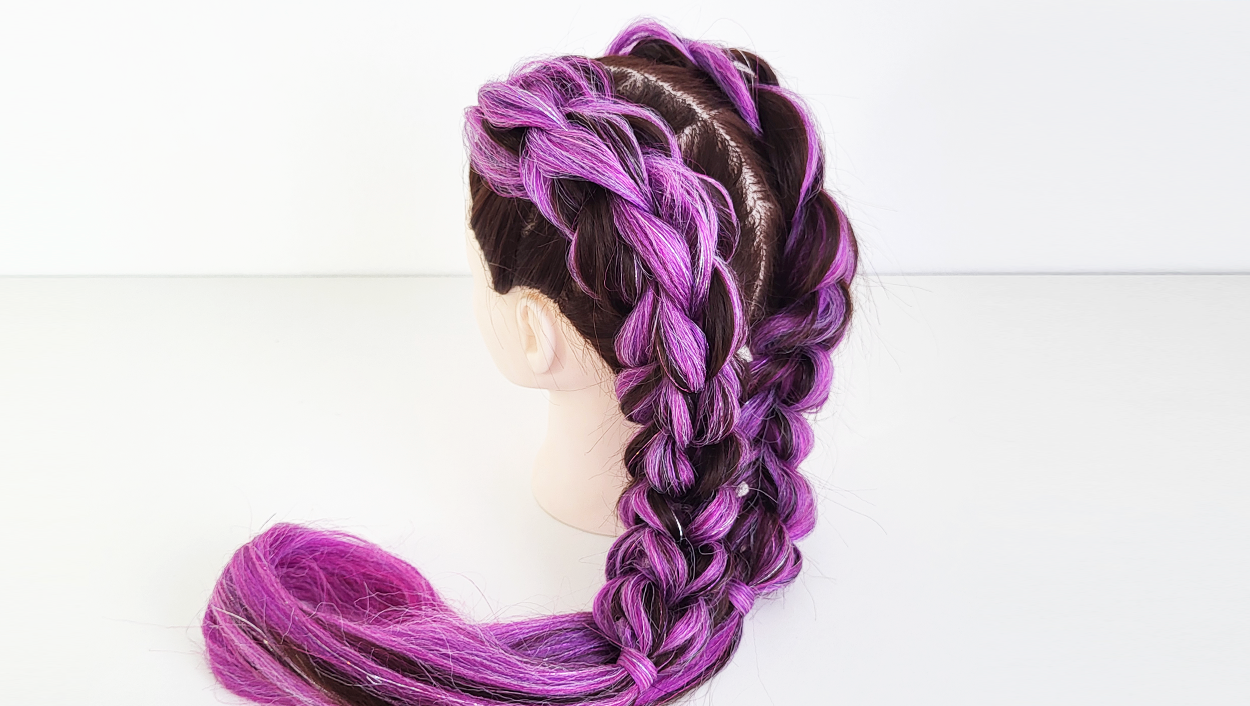
Color-blend SE braids mix two or more colors inside the braid. This can create ombré, striped, marbled, or custom fantasy effects.
Decorated SE braids may include beads, cuffs, charms, rings, thread wraps, shells, or metallic accents.
Yarn or wool SE braids use non-hair fiber to create a softer handmade texture. These are often used in alternative, boho, or creative styling.
Festival SE braids may include bright colors, glitter strands, metallic pieces, ribbon, or UV-reactive fiber for high-impact looks.
SE Braids with Synthetic Hair
Synthetic hair is one of the most common materials for SE braids because it is lightweight, available in many colors, and easy to shape into pre-made braid extensions. Kanekalon-style fiber is often used because it has a smooth texture and a natural-looking finish.
Synthetic SE braids can be created in natural shades such as black, brown, blonde, copper, and burgundy. They can also be made in bold fashion colors such as pink, purple, blue, green, red, silver, white, neon, or rainbow blends.
The quality of the synthetic fiber matters. Good fiber should feel smooth enough to braid cleanly, but not so slippery that the braid unravels easily. It should also be light enough for comfortable wear.
Low-quality synthetic fiber can feel rough, shiny, stiff, or heavy. It may also tangle more easily and look less natural in photos or real-life movement.
SE Braids for Temporary Styling
SE braids are useful for temporary styling because they can be prepared before installation. A stylist can create a full set of braids in advance, then attach them when needed. This saves time during the actual styling session.
Temporary SE braid styles are common for festivals, concerts, dance performances, photoshoots, themed events, cosplay, Halloween looks, fashion shoots, and content creation. The wearer can achieve a bold braid look without committing to a long-term installation.
Temporary installs should still be safe. The attachment method should not pull at the roots, tangle the natural hair, or create pressure on the scalp. If the style is worn only for one day, comfort still matters.
SE braids can also be removed and reused if they are kept clean, smooth, and in good condition. This makes them practical for stylists who create repeat event looks or custom braid sets.
SE Braids as Accent Braids
One of the easiest ways to use SE braids is as accent pieces. A few single-ended braids can be added to loose hair, ponytails, buns, natural braids, cornrows, loc styles, or festival hairstyles.
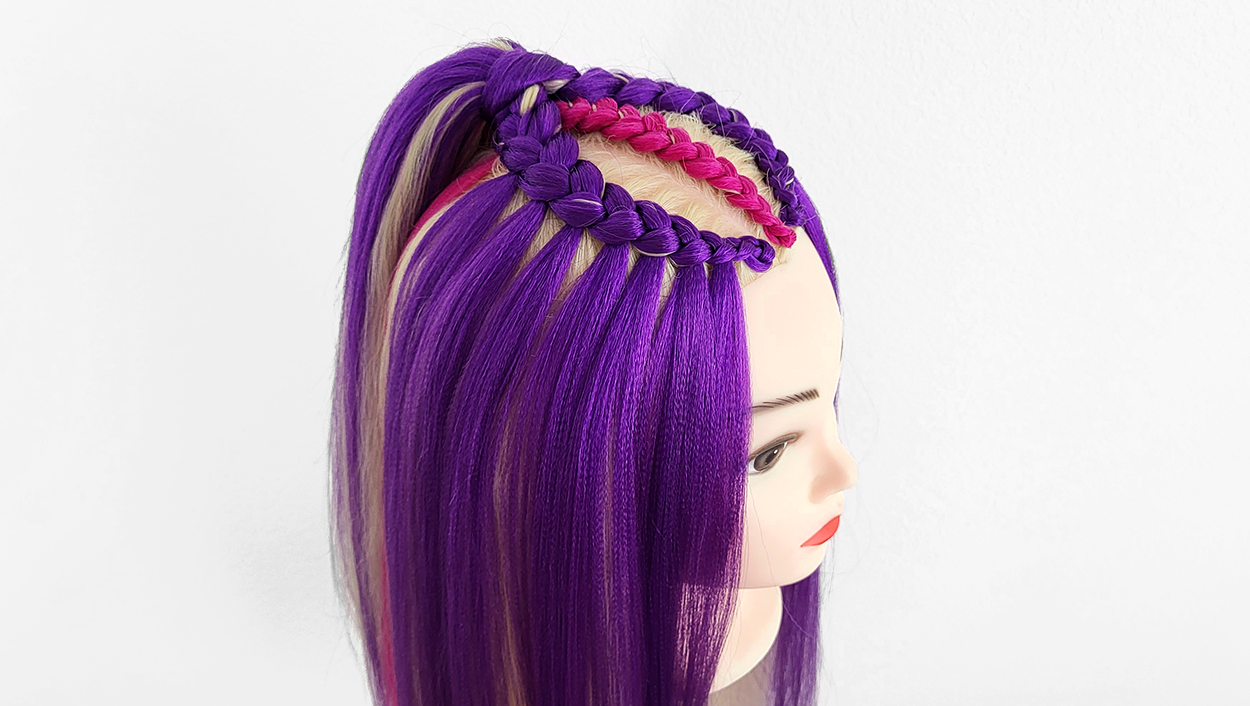
Accent SE braids can add color without changing the full head. For example, one pink braid near the face, two blonde braids under dark hair, or several metallic-thread braids in a ponytail can change the whole mood of the hairstyle.
Accent placement is also useful for content creation because the color or texture detail shows clearly on camera. It can make a simple style look more designed without requiring a full protective installation.
The key is balance. Accent SE braids should look intentional, not random. Placement near the face, behind the ear, around a ponytail, or along a parting usually works best.
SE Braids for Full-Head Installs
A full-head SE braid install uses many single-ended braids attached across the scalp. This can create a complete braided extension look with strong color, length, and volume.
The stylist must plan density carefully. Because each SE braid creates one hanging braid, a full look may require many pieces. Too few braids can make the style look sparse. Too many can create unnecessary weight.
Sectioning matters. The natural hair should be divided in a way that supports the braid placement and keeps the scalp comfortable. Each attachment point should match the size and weight of the SE braid.
A full-head SE install can look bold, creative, cyber-inspired, natural, boho, or editorial depending on the braid color, length, thickness, and finish.
Attachment Methods
SE braids can be attached in different ways. The best method depends on the natural hair, braid weight, desired wear time, and whether the style is temporary or longer-wear.
A loop attachment uses the prepared loop at the top of the SE braid. Natural hair is pulled through or braided around the loop to secure the extension.
A braid-in method uses the client’s natural hair to anchor the SE braid at the root. The natural hair may be braided into or around the attachment point.
Elastic attachment can be used for very temporary styles, especially accent braids. This method should be gentle and not too tight.
Thread or wrap attachment can secure SE braids for creative or decorative styling. This method can also add color and texture.
Clip-in or removable attachments may be used for reusable accent braids, costume hair, or quick fashion looks.
No matter the method, the attachment should be secure, comfortable, and easy to remove without breakage.
SE Braids vs. Box Braids
SE braids and box braids can look similar at first, but they are created differently.
Box braids are usually braided directly into sections of natural hair with or without extensions. The braid begins at the client’s scalp and is built by hand as part of the installation.
SE braids are pre-made extension braids. They are created before installation, then attached to the hair. The natural hair may be used as an anchor, but the braid itself is already finished.
Box braids usually offer a more integrated root appearance because the braid is built from the natural section. SE braids can be faster for certain creative looks because the braids are already made.
Box braids are often used for longer-wear protective styling. SE braids are often used for temporary, creative, alternative, or custom extension styling, although they can also be worn longer if installed safely.
Who Are SE Braids Best For?
SE braids are best for people who want temporary braid extensions, creative color, accent details, or a custom synthetic braid look. They are especially useful for clients who want bold styles without dyeing or permanently changing their natural hair.
They work well for festivals, performances, photoshoots, cosplay, editorial looks, alternative fashion, kids’ creative styles, and short-term beauty transformations.
SE braids can also be useful for stylists who want to prepare braid pieces in advance and reduce installation time during the appointment.
Clients with fragile edges, scalp sensitivity, thinning areas, or recent breakage should be cautious. SE braids must be lightweight and attached gently. Heavy braids or tight attachments can create tension and damage.
Professional Installation Details
A professional SE braid install starts with planning. The stylist should decide the number of braids, placement, color pattern, braid size, length, and attachment method before beginning.
The natural hair should be prepared properly. It should be clean, detangled, moisturized, and sectioned based on the design. If the SE braids are heavy, the sections should be large enough to support the weight without stressing the root.
The attachment point should be secure but not tight. A common mistake is trying to make the braid stay by pulling harder. A safe install depends on correct anchoring, not painful tension.
The stylist should also check the direction of the braid. If the attachment point forces the braid to hang awkwardly, the style can feel uncomfortable or look uneven.
A polished SE braid style should look intentional from all angles. The spacing, color placement, and length should support the final design.
Maintenance and Wear
Wear time depends on the installation method, braid weight, natural hair texture, lifestyle, and scalp comfort. Some SE braid styles are meant for one day. Others may be worn for several days or longer if installed securely and gently.
At night, the braids should be protected with a satin or silk scarf, bonnet, or pillowcase. Long SE braids can be gathered loosely to reduce tangling and pulling.
The scalp should remain comfortable. If an attachment feels heavy, tight, itchy, or painful, it should be loosened or removed. Temporary styles should not be forced to last longer than the hair can comfortably support.
SE braids should be kept away from excessive heat unless the fiber is heat-safe. Synthetic fibers can melt or become damaged if exposed to high heat.
If the braids are reusable, they should be stored neatly after removal to prevent tangling, dust, and deformation.
Removal and Hair Health
Removal should be gentle. The attachment should be undone carefully instead of pulled out. If elastics are used, they should be unwound or cut carefully without cutting the natural hair.
If thread or wraps are used, they should be loosened slowly. If the natural hair has been braided into the attachment, the braid should be taken down patiently.
After removal, the natural hair should be detangled gently. If the style was worn for more than a few days, shed hair may collect around the attachment points. This is normal, but it should be handled carefully before washing.
A style is not protective if removal causes breakage. Safe takedown is just as important as safe installation.
Styling Options
SE braids can be styled in many ways. They can be worn loose, added into ponytails, attached around buns, mixed with cornrows, used as face-framing pieces, or layered into fantasy hair designs.
They can also be combined with beads, cuffs, thread, charms, shells, ribbons, rings, or hair jewelry. Because SE braids are often creative, accessories can help define the final look.
For a minimal style, one or two SE braids can add subtle color. For a dramatic style, a full head of long SE braids can create strong visual impact. For editorial styling, different braid lengths, colors, and textures can be mixed.
The best styling choice depends on the wearer’s comfort, occasion, hair condition, and desired level of drama.
SE Braids in Modern Beauty Culture
SE braids occupy an interesting space in modern hair culture. They connect protective styling, synthetic hair artistry, alternative fashion, festival beauty, cosplay, and creative braiding. They are not limited to one beauty category.
In social media styling, SE braids are popular because they create fast visual transformation. Colorful pre-made braids show clearly in photos and videos. They can also be reused, customized, and arranged in many ways.
For stylists, SE braids are a useful creative tool. They allow pre-made construction, custom color blending, controlled braid size, and faster final styling. The stylist can create the braid design before the client even sits down.
In the beauty industry, SE braids show how extension formats can change the way a style is built. The technique is not only about braiding hair; it is also about designing attachable braid pieces that work with the client’s look.
Why SE Braids Matter
SE braids matter because they make braided extensions flexible, creative, and customizable. They give clients the option to wear color, length, texture, and decorative braid details without a permanent commitment.
For clients, SE braids offer temporary transformation and personal expression. For stylists, they offer control over design, color, length, and installation speed.
When done well, SE braids look intentional, comfortable, and visually strong. They prove that pre-made braid extensions can be more than a shortcut — they can be a creative styling system.