
Star Braids: Geometric Braid Design With Pointed Parting, Scalp Art, and Statement Detail
Star braids are creative braid styles that use star-shaped parting, angled braid direction, or geometric scalp patterns to create the visual effect of a star. The design may appear at the crown, on one side of the head, across the full scalp, or as a decorative accent inside a larger braided hairstyle. The result is bold, graphic, and instantly eye-catching.
This style is most often created with cornrows, feed-in braids, stitch braids, or small scalp braids because these techniques allow the braid pattern to follow clean lines close to the head. Star braids can also be combined with box braids, knotless braids, ponytail braids, buns, beads, curls, or colored extensions.
Star braids are popular because they turn parting into art. The style is not only about the braid itself; it is about the shape created between the braids. A well-planned star braid design shows precision, symmetry, spacing, and professional control.
What Are Star Braids?
Star braids are braided hairstyles designed to form a star shape or star-inspired pattern. The star may be created through parting alone, through the direction of the braids, or through a combination of scalp braids and open parting lines.
In many versions, the stylist creates a star-shaped section at the crown or front of the head. Braids then move outward from the points of the star or wrap around the shape to make the design visible. Other versions use several cornrows arranged in pointed angles so the overall pattern resembles a starburst.
The defining feature is the geometric shape. The hairstyle should show pointed movement, radiating lines, or a recognizable star detail. If the braids simply move straight back without shaped parting, they are not star braids.
Star braids can be simple and playful or complex and editorial depending on the level of detail.
Why Star Braids Stand Out
Star braids stand out because the design is highly visual. The eye immediately notices the pointed shape, especially when the parting is clean and the braid lines are balanced. The pattern creates movement and energy, making even a simple braid set feel custom.
The style also shows technical skill. A star shape requires planning. The stylist must place the points evenly, keep the sections clean, and make sure the braids support the design without overcrowding it.
Star braids are especially strong in photos and videos because the pattern reads clearly from above, from the front, or from the side depending on placement. This makes the style popular for kids’ hairstyles, salon portfolios, content creation, festivals, performances, and creative protective looks.
The style can feel fun, futuristic, artistic, or high-fashion depending on the braid size, finish, and accessories.
Common Types of Star Braids
Star cornrows use scalp braids arranged around or inside a star-shaped part. This is one of the most recognizable versions of the style.
Star feed-in braids add synthetic hair gradually to create longer or fuller braids while keeping the star pattern clean and visible.
Star stitch braids use precise stitch detailing to make the lines sharper and more graphic. This version looks polished and salon-ready.
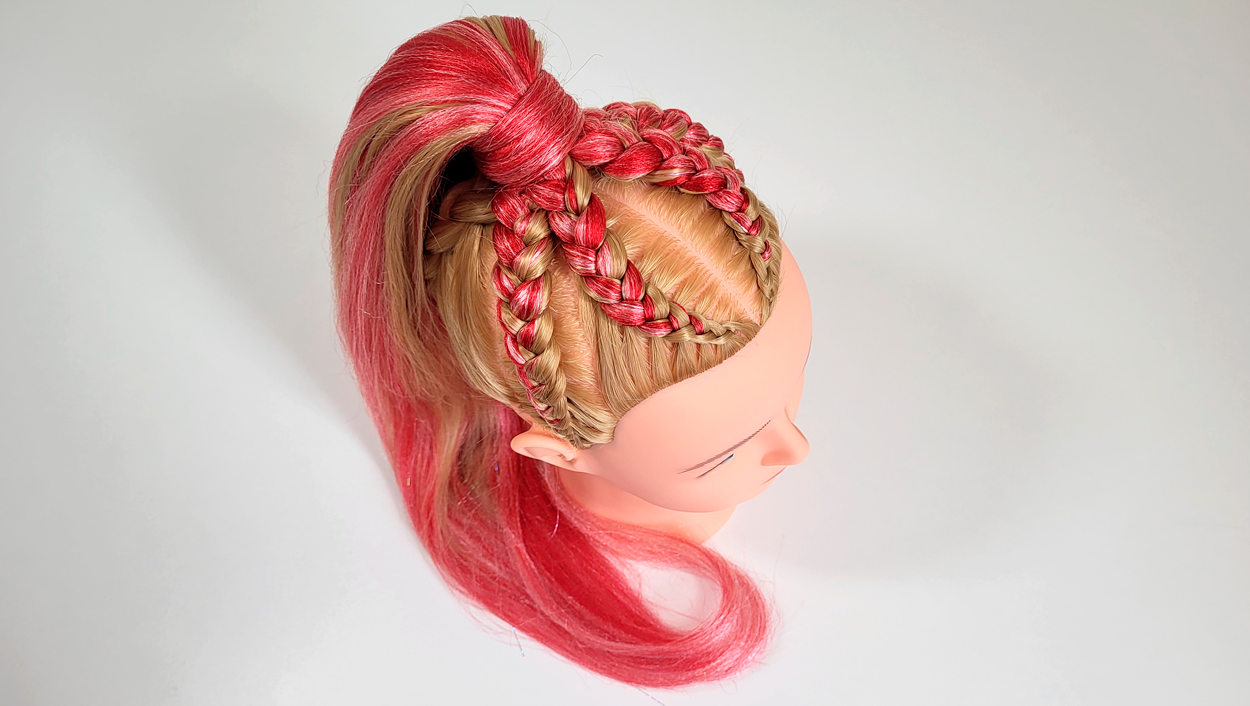
Star ponytail braids direct the braid pattern toward a ponytail point while the star-shaped parting remains visible on the scalp.
Star braids with beads add decoration and movement at the ends, making the style especially popular for kids.
Star braids with box braids combine a star-shaped scalp pattern with individual hanging braids.
Star accent braids use one small star detail inside a larger hairstyle, such as loose curls, a braided bun, or a half-up style.
Star Cornrows
Star cornrows are created by braiding close to the scalp while following a planned star-shaped pattern. The stylist may create a star part at the crown, then braid around it, away from it, or through it.
This version requires clean parting and strong section control. Each point of the star must be shaped carefully so the design looks intentional. If the points are uneven or the sections are too crowded, the star shape can become unclear.
Star cornrows can be created with natural hair only or with added braiding hair. Natural-hair versions are usually lighter and practical. Feed-in versions can add length, thickness, and a smoother finish.
Because the braid direction changes around the points, tension control is important. The braids should stay secure without pulling harshly at the scalp.
Star Feed-In Braids
Star feed-in braids combine geometric design with extension technique. The stylist gradually adds synthetic braiding hair as the braid progresses, creating a fuller braid without a bulky start.
This method works well when the star pattern connects into longer braids, a ponytail, or a full protective style. The feed-in technique allows the design to look smooth while giving the braids more length and presence.
The amount of added hair should be carefully controlled. Too much hair can hide the parting or make the style heavy. Too little hair may not create the desired shape or length.
A clean star feed-in braid style should show both elements clearly: the star pattern on the scalp and the finished braid length.
Star Stitch Braids
Star stitch braids are a sharper, more detailed version of the style. Stitch technique uses clean, repeated parting lines along the braid to create a crisp segmented effect. When combined with a star pattern, the result can look very graphic and high-definition.
This version is popular for clients who want a polished salon look. It works especially well for photos, videos, events, and creative braid portfolios because the lines appear clean and structured.
Star stitch braids require precision. The stylist must keep the stitch spacing consistent while also maintaining the star shape. Product may be used to define the parts and smooth the hair, but heavy buildup should be avoided.
The style should look sharp without feeling tight. A strong visual effect should come from technique, not painful tension.
Star Braids with Box Braids
Star braids can also be combined with box braids or knotless braids. In this version, the star shape is usually created through the parting at the crown or front section, while individual braids hang from each section.
This creates a custom scalp pattern without changing the free-moving braid length. The star design may be visible when the braids are parted, pulled up, or styled into a half-up look.
Knotless braids can create a softer root and lighter feel. Traditional box braid bases can create a more defined section and stronger grip. The choice depends on hair type, desired finish, and scalp comfort.
The sectioning must be balanced. Star-shaped parts should still support the braid weight safely. A creative shape should never create fragile, uneven sections that place stress on the roots.
Star Braids for Kids
Star braids are very popular for kids because the pattern is playful, fun, and easy to personalize. The design can be created as a small star near the crown, a full scalp pattern, or a star detail that connects into pigtails, ponytails, buns, or loose braids.
Kids’ star braids may include beads, bows, colorful elastics, ribbons, barrettes, glitter parts, or bright extension pieces. The style can be worn for birthdays, school events, holidays, performances, dance, photoshoots, or everyday creative styling.
Comfort is the most important detail. Children’s scalps can be sensitive, so the braids should not be tight around the hairline, crown, or temples. Accessories should also be lightweight.
A good kids’ star braid style should be cute, secure, and gentle enough for sleep, school, and play.
Star Braids for Adults
For adults, star braids can look creative, sporty, festival-ready, editorial, or protective. A small star detail can add personality to a simple braid style. A full star pattern can create a bold statement look.
Adults may choose star braids for festivals, vacations, content creation, themed events, photoshoots, or salon art. The design can be minimal with natural hair or more dramatic with extensions, color, stitch parts, and accessories.
A star braid ponytail can look sleek and powerful. Star cornrows can feel artistic and technical. Star braids with knotless or box braids can create a more wearable protective version.
The best adult version depends on lifestyle, hair density, scalp comfort, and desired level of visual impact.
Star Braids for Men
Star braid patterns can also be used in men’s hairstyling, especially with cornrows or scalp braid designs. The star may be placed at the crown, side, or top section and combined with straight-back braids, zigzag braids, fades, shape-ups, or undercuts.
A clean haircut can make the star pattern look sharper because the contrast between the braid design and the haircut creates a stronger outline. This is common in creative men’s braid work.
Men’s star braids usually require enough hair length for clean grip and sectioning. The design should work with the head shape, hairline, and haircut.
The scalp should remain comfortable. A sharp pattern should never require painful tightness.
Parting and Pattern Design
Parting is the foundation of star braids. The stylist must decide how many points the star will have, where the center will sit, and how the braids will move around the shape.
A five-point star is the most recognizable, but star-inspired designs can also use four-point, six-point, or starburst patterns. The shape can be symmetrical or more freestyle depending on the desired look.
Spacing matters. If the points are too small, the star may disappear once the braids are added. If the points are too large, the design may look bulky or unbalanced. The pattern should match the head size, hair density, and braid size.
A clear star braid design needs clean lines, balanced points, and enough negative space for the shape to be seen.
Hair Extensions and Color
Extensions can add length, thickness, and color to star braids. Synthetic braiding hair is often used for feed-in star braids, ponytail styles, or longer protective looks.
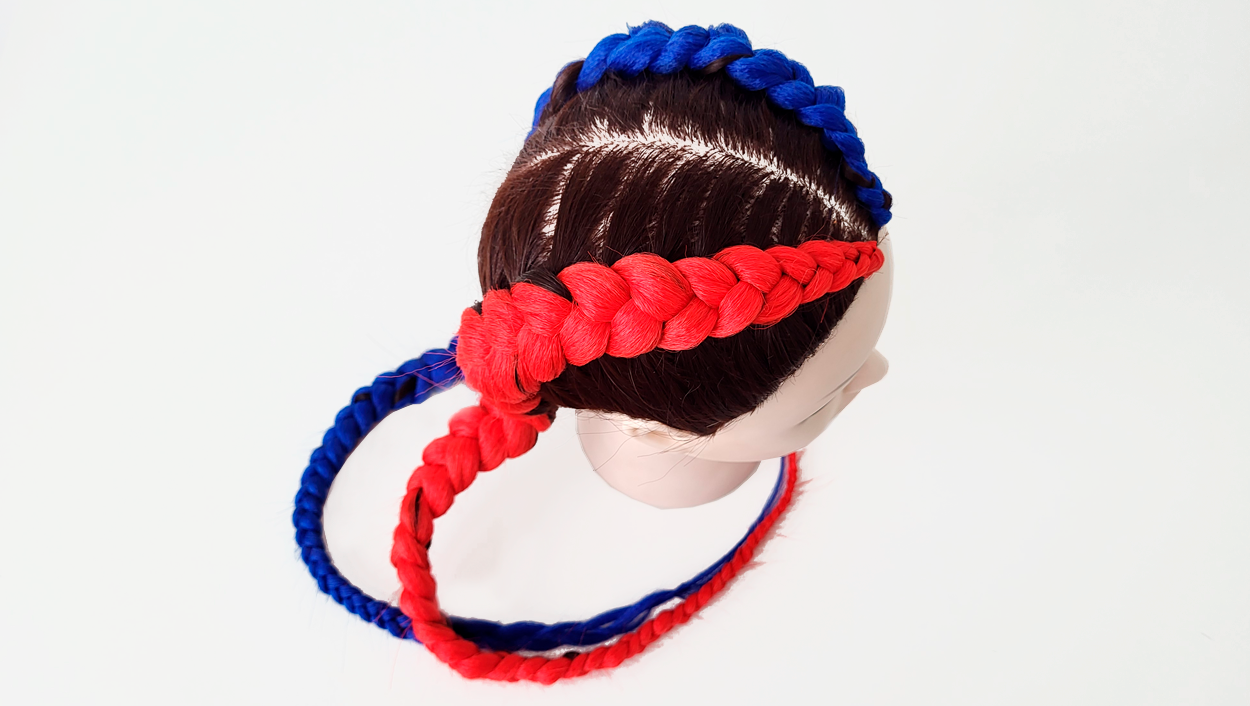
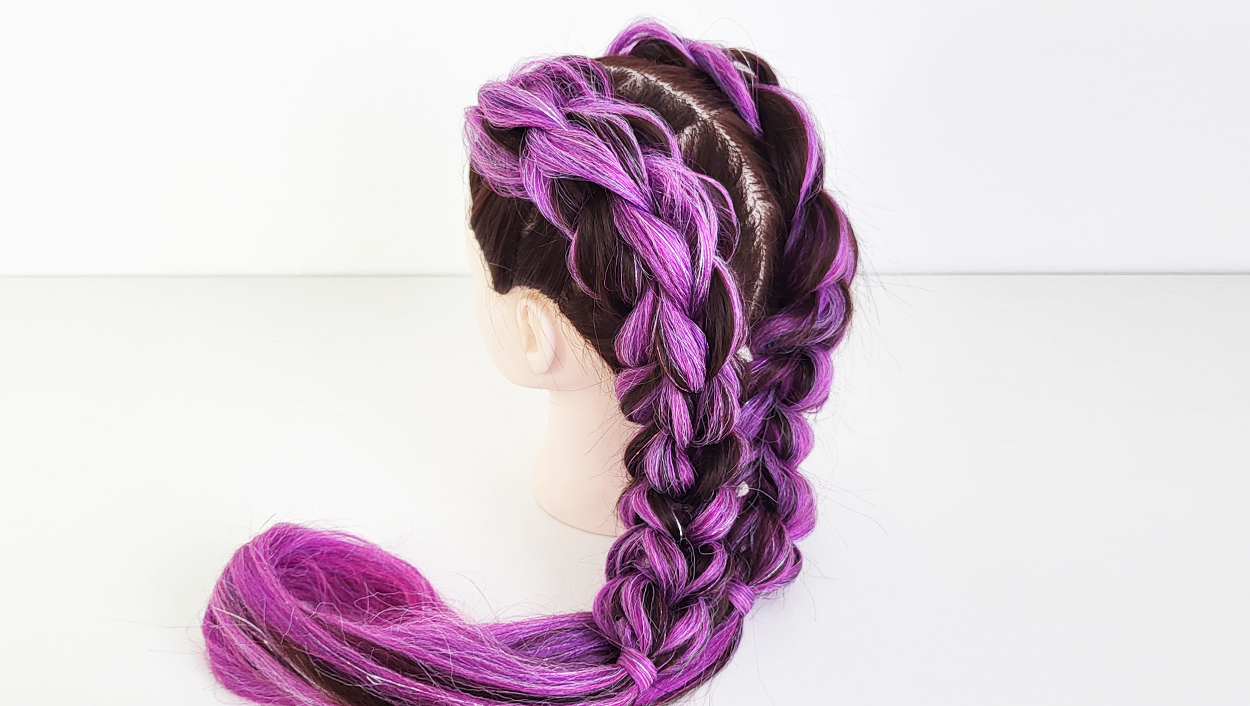
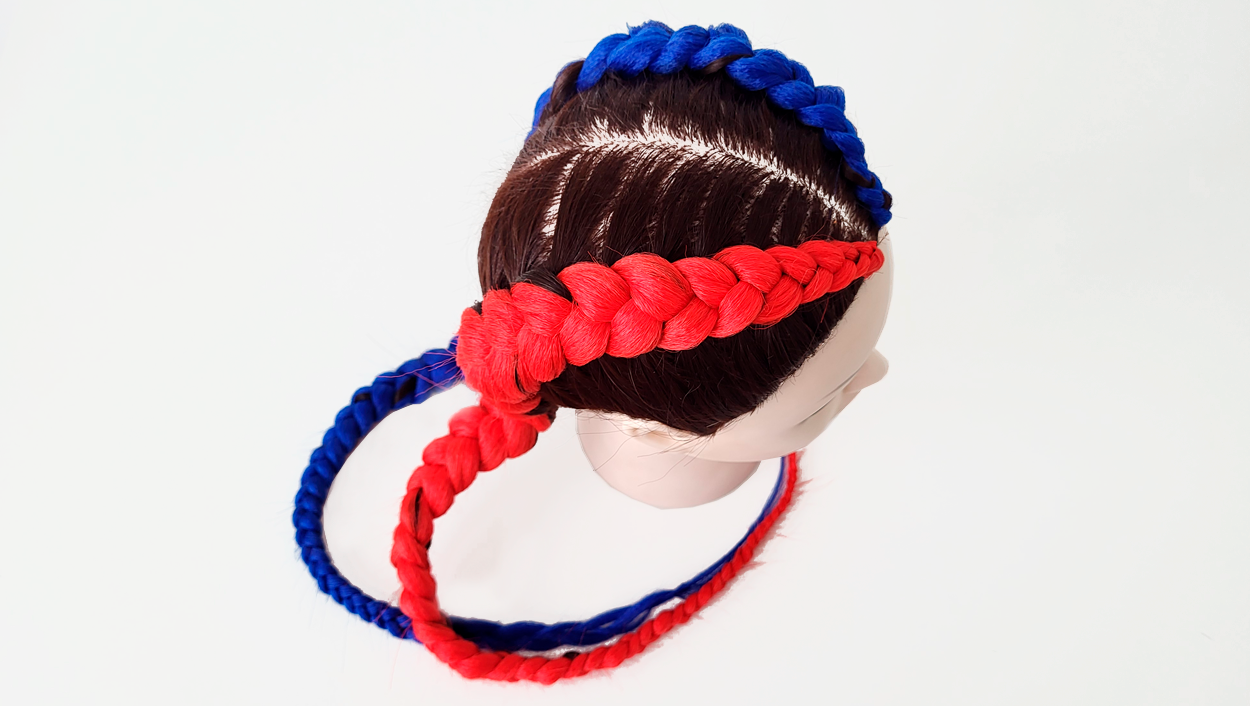
Color can make the design more visible. Blonde or copper extensions on dark hair can highlight the braid direction. Bright colors such as pink, purple, blue, red, green, or silver can make the style more playful or editorial.
Color can be used throughout the full style or only in selected star sections. Accent color around the star shape can make the pattern stand out without overwhelming the hairstyle.
The amount of extension hair should be balanced. Star braids often involve angled sections, so too much added hair can create tension. The style should feel lightweight and comfortable.
Accessories for Star Braids
Accessories can enhance star braids and make the design more expressive. Beads, cuffs, rings, shells, charms, thread, ribbons, glitter parts, and hair jewelry can all be used.
For kids, colorful beads, bows, and elastics can make the star design playful. For adults, gold cuffs, metallic rings, or clean thread details can make the style more polished or editorial.
Accessory placement should support the star pattern. Accessories near the points can emphasize the design. Accessories at the braid ends can add movement. Too many accessories on the scalp can hide the parting, so balance is important.
Accessories should be smooth, lightweight, and safe for the hair. Heavy or sharp pieces can pull, snag, or cause discomfort.
Professional Technique Details
A professional star braid style begins with mapping. The stylist should plan the center point, star outline, braid direction, section size, and final styling before starting.
The hair should be properly prepared: clean, detangled, moisturized, and controlled enough for sharp parting. A parting comb is often used to create clean points, and light product may help define the sections.
The braider must maintain consistent tension while changing direction. Star patterns often include sharp angles, and those turns can create pulling if handled incorrectly. The braid should follow the design smoothly without stressing the scalp.
If extensions are added, they should be introduced evenly and matched to the section size. The finished style should look balanced from the front, top, sides, and back.
A strong star braid design should be clear, comfortable, and polished.
Maintenance and Wear
Wear time depends on the technique, braid size, extension use, hair texture, and lifestyle. Simple natural-hair star braids may last a few days. Feed-in or stitch star braids can last longer when installed properly. Star braids combined with individual braids may last several weeks depending on maintenance.
At night, the style should be protected with a satin or silk scarf, bonnet, or pillowcase. This helps reduce frizz and preserve the parting.
The scalp should stay clean and comfortable. Heavy oils, gels, and creams can blur the parting and create buildup, so lightweight scalp care is usually better.
The wearer should avoid pulling the braids into tight styles unless the design was built for that. If the scalp feels sore, tight, itchy, or irritated, the style should be loosened or removed.
Removal should be gentle, especially around the star points where sections may be angled.
Styling Options
Star braids can be styled in many ways. They can be worn as full cornrow designs, feed-in braids, stitch braids, braided ponytails, pigtails, buns, box braids, knotless braids, or accent braid details.
A star at the crown can lead into a braided ponytail. A side star can connect into cornrows or loose braids. A small star accent can decorate a half-up style. A full scalp starburst can create a dramatic salon-art look.
The style can be sleek and clean or playful and colorful. It can be minimal with natural hair or dramatic with long extensions and accessories.
The best styling choice depends on age, hair type, comfort, occasion, and desired level of creativity.
Star Braids in Modern Beauty Culture
Star braids are part of the modern movement toward scalp braid art. They show how braiding can create shapes, symbols, and visual storytelling through parting and direction.
The style appears in kids’ braid designs, festival hair, creative cornrows, salon portfolios, men’s braid patterns, content creation, and editorial beauty. It is especially popular because it photographs well from above and looks highly customized.
In professional braiding, star patterns demonstrate precision. The stylist must understand geometry, sectioning, braid direction, extension balance, and tension control. A clean star braid is not random decoration; it is a planned design.
Star braids continue to stay relevant because they are playful, expressive, and technically impressive.
Why Star Braids Matter
Star braids matter because they turn a braid style into a visible design. The star shape adds personality, energy, and artistry to protective and decorative braiding.
For clients, star braids offer a fun, bold, and customized look. For stylists, they offer a way to show creativity, precision, and advanced parting skill.
When done well, star braids look clean, balanced, comfortable, and intentional. They prove that braid artistry is not only about length or volume — it is also about shape, pattern, and imagination.