
Three-Strand Braids: The Essential Braid Foundation Behind Classic and Modern Hairstyling
Three-strand braids are the foundation of braiding. This classic technique is created by dividing hair into three sections and crossing the outer sections over or under the center section in a repeated pattern. The result is a clean, interwoven braid with a recognizable woven texture.
This braid is one of the first techniques most people learn because it teaches the basic logic of braiding: section control, hand movement, tension, direction, and consistency. Even though the technique is simple, it is the base for many more advanced styles. French braids, Dutch braids, box braids, feed-in braids, cornrows, pigtails, braided ponytails, braided buns, and many accent braids all connect back to the three-strand structure.
Three-strand braids can be worn casually, professionally, decoratively, or as part of protective styling. They can be created with natural hair only or with added hair for length, volume, color, and durability. Their strength comes from versatility: one basic technique can become hundreds of different hairstyles.
What Are Three-Strand Braids?
Three-strand braids are braids made with three separate sections of hair. The stylist or wearer crosses one outer section over the middle, then crosses the opposite outer section over the new middle. This movement repeats until the braid reaches the desired length.
The pattern can be braided overhand or underhand. In a standard three-strand braid, the outer strands are usually crossed over the center. In an underhand version, the outer strands are crossed under the center, creating a slightly different visual texture and serving as the foundation for raised braid techniques like Dutch braids.
The defining feature is the use of three sections. Unlike twists, which use two sections, or fishtail braids, which use two main sections with small pieces crossed over, three-strand braids rely on three balanced pieces moving in a steady rhythm.
This makes the technique simple to understand but still important to master.
Why Three-Strand Braids Matter
Three-strand braids matter because they are the building block of braiding education. Before a stylist can create more complex braid work, they need control over three sections of hair. This includes keeping the sections even, maintaining smooth tension, and finishing the braid without gaps or uneven loops.
The technique also teaches hand coordination. A beginner learns how to transfer hair from one hand to the other, keep strands separated, and repeat a consistent pattern. These skills are essential for more advanced braid styles.
In salon work, three-strand braids are not “basic” in a negative sense. They are essential. A clean three-strand braid can become a polished everyday style, a secure base for an updo, a protective braid under a wig, or the foundation for an extension style.
The quality of advanced braiding often depends on how well the stylist understands this simple braid.
Three-Strand Braids vs. Two-Strand Twists
Three-strand braids and two-strand twists are often compared because both are common textured hair techniques. The difference is structure.
A three-strand braid uses three sections woven over or under each other. This creates a flatter, more interlocked pattern that usually holds securely.
A two-strand twist uses two sections wrapped around each other. This creates a rope-like shape with a softer, rounder texture.
Three-strand braids often hold better on straight, wavy, curly, and coily hair because the woven pattern locks the sections together more firmly. Twists can be softer and quicker, but they may unravel more easily depending on hair texture and product use.
Both techniques are valuable. Braids offer structure and grip. Twists offer softness and movement. The choice depends on the desired style, hair type, and wear time.
Three-Strand Braids vs. French and Dutch Braids
A simple three-strand braid is usually created from a section of hair that is already gathered. No additional hair is added once the braid begins.
French and Dutch braids also use a three-strand structure, but they add hair into the braid as it moves along the scalp. This is what allows the braid to attach to the head.
In a French braid, the strands are typically crossed over the center, creating a braid that sits flatter and blends into the hair. In a Dutch braid, the strands are crossed under the center, creating a raised braid that sits on top of the hair.
This means French braids and Dutch braids are not completely separate from three-strand braids. They are advanced variations that build on the same basic three-section movement.
Common Types of Three-Strand Braids
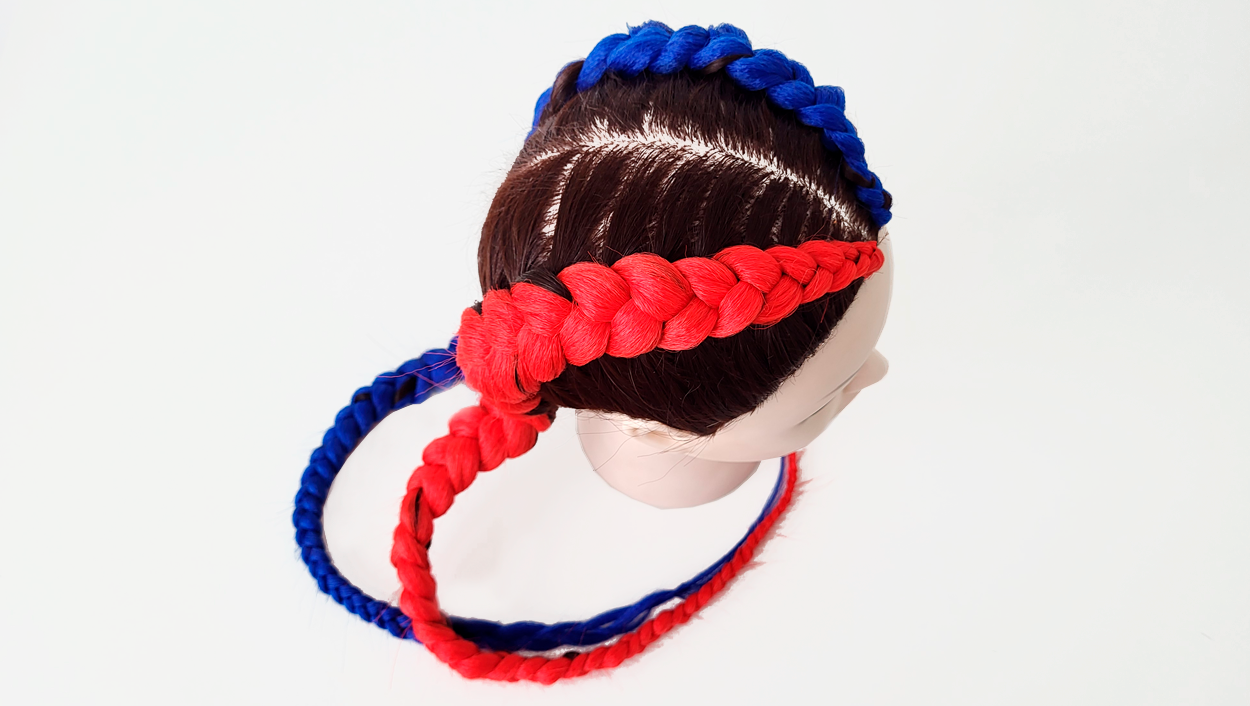
A classic single braid is one braid made from gathered hair, usually worn down the back or over one shoulder.
Three-strand pigtails use two braids, one on each side of the head. This style can be playful, sporty, youthful, or practical.
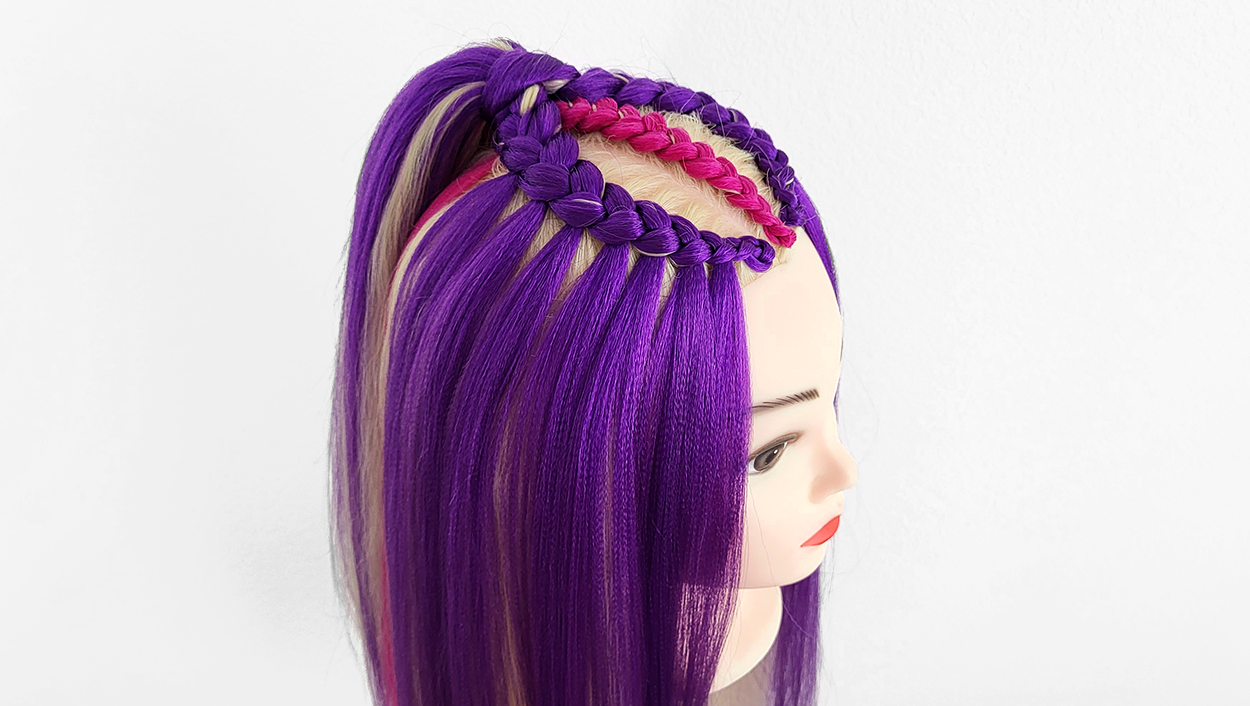
Accent braids are small three-strand braids added to loose hair, ponytails, buns, or braided designs for decoration.
Three-strand ponytail braids are created by braiding the length of a ponytail. This creates a clean, controlled style that can be sleek or casual.
Three-strand braided buns use one or more braids wrapped into a bun shape. This can create a simple updo or a more decorative event style.
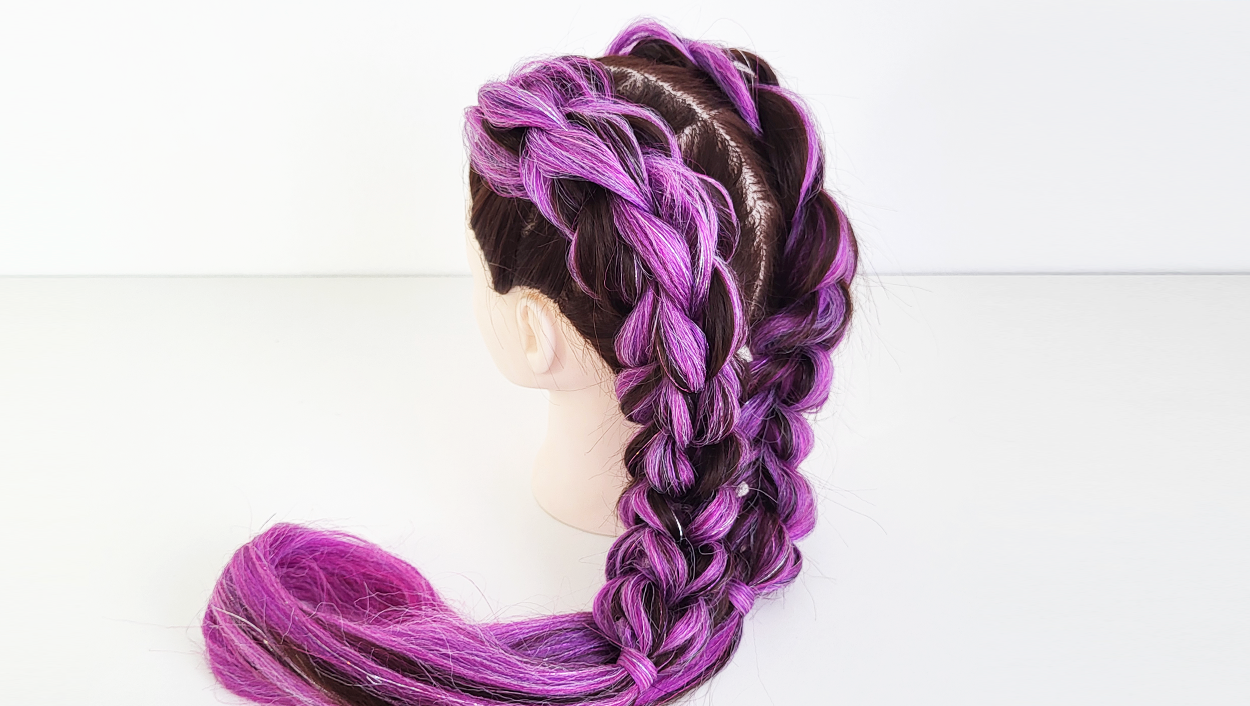
Extension three-strand braids use added hair to create more length, color, or thickness.
Protective three-strand braids can be used to stretch hair, reduce manipulation, or keep the ends contained.
Three-Strand Braids with Natural Hair
Three-strand braids can be created with natural hair only. This version is useful for many hair types and many purposes. It can be worn as a finished style, used to stretch textured hair, used as a foundation under wigs, or used to create a braid-out pattern.
On straight hair, the braid usually looks smooth and defined. On wavy hair, it creates a soft textured finish. On curly hair, it can help control volume and create shape. On coily or kinky hair, three-strand braids can be a practical protective or low-manipulation style.
Preparation matters. The hair should be detangled before braiding so the sections stay smooth. Depending on hair texture, water, leave-in conditioner, cream, gel, mousse, or lightweight oil may be used to help control frizz and maintain moisture.
A natural-hair three-strand braid should feel secure but not tight. The goal is control, not tension.
Three-Strand Braids with Extensions
Extensions can be added to three-strand braids for length, fullness, color, and durability. Synthetic braiding hair is commonly used, but human hair or blended fibers may also be used depending on the style.
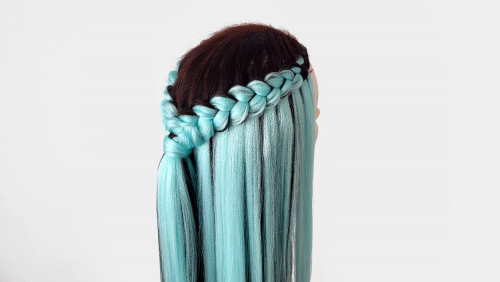
Adding hair can transform a simple braid into a long statement braid, a thick ponytail braid, a festival braid, a braided ponytail extension, or part of a protective style. Extensions can also introduce temporary color without dyeing the natural hair.
The added hair must be balanced with the client’s natural hair. Too much extension hair can create heaviness and root tension. Too little hair may not create the desired shape or volume.
A professional stylist should match the amount of added hair to the section size, hair density, scalp comfort, and final style.
Three-Strand Braids for Protective Styling
Three-strand braids can be protective when they reduce daily manipulation and help keep the ends contained. They are often used on natural hair to prevent excessive brushing, heat styling, and friction.
Braids can also be used as a base under wigs, crochet styles, sew-ins, and other protective installations. In this case, the braid pattern should be flat, comfortable, and appropriate for the style being installed over it.
However, a braid is protective only when it is done safely. Tight braiding can cause pain, breakage, bumps, or tension around the scalp and hairline. Heavy extensions can also create stress if they are attached to small sections.
A protective three-strand braid should feel comfortable, keep the hair organized, and support healthy wear and removal.
Three-Strand Braids for Kids
Three-strand braids are one of the most common hairstyles for kids because they are simple, practical, and easy to customize. They can be worn as pigtails, single braids, ponytail braids, half-up braids, small accent braids, or braided buns.
Kids’ braids can be decorated with bows, beads, ribbons, colorful elastics, clips, or barrettes. The style can be simple for school or more decorative for birthdays, holidays, dance, or photos.
Comfort is the most important factor. Children’s scalps can be sensitive, so the braid should not pull at the hairline, temples, or nape. Extensions should be lightweight if used.
A good kids’ three-strand braid style should be secure enough for movement but gentle enough for daily wear.
Three-Strand Braids for Adults
For adults, three-strand braids can be casual, elegant, sporty, protective, or editorial. A single low braid can feel minimal and classic. A sleek ponytail braid can look polished and powerful. Loose side braids can feel romantic. Small accent braids can create a festival or boho detail.
Adults often use three-strand braids because they are quick and versatile. They can control long hair, create texture, protect the ends, or serve as a base for more complex styling.
A three-strand braid can also be dressed up. It can be expanded for volume, wrapped into an updo, combined with curls, accessorized with cuffs, or blended into a braided crown.
The simplicity of the braid allows the finish to define the mood.
Three-Strand Braids for Men
Three-strand braids are also common in men’s hairstyling, especially for medium to long hair. They can be worn as a single braid, double braids, ponytail braids, beard braids, accent braids, or combined with undercuts and fades.
For men with longer hair, a three-strand braid can be practical because it keeps hair controlled during work, sports, training, or daily activity. It can also create a strong style statement when paired with texture, facial hair, or a structured haircut.
Men’s three-strand braids can look clean and minimal or rugged and expressive. The finish depends on parting, braid tightness, hair length, and accessories.
The braid should still be comfortable and should not pull tightly at the scalp or hairline.
Braid Direction and Placement
Placement changes the entire look of a three-strand braid. A braid down the back feels classic. A side braid feels softer and more casual. Two braids feel youthful, sporty, or traditional depending on finish. A high ponytail braid feels sleek and modern. A low braid feels relaxed and elegant.
Small three-strand braids can be placed near the face, behind the ear, through a ponytail, inside a bun, or throughout loose hair as decorative accents.
Braid direction also matters. A braid can fall straight down, angle over the shoulder, wrap around the head, or connect into another hairstyle. The direction should support the client’s hair length, texture, and desired shape.
A simple braid becomes more polished when placement is intentional.
Tension and Section Control
A clean three-strand braid depends on even section control. If one section is much larger than the others, the braid may look uneven or twist out of shape. Balanced sections create a smoother pattern.
Tension should be consistent from start to finish. If the braid begins tight and ends loose, the shape can look uneven. If the braid is pulled too tightly, it may cause discomfort or scalp stress.
The hands should move in a steady rhythm. Each cross should be clean. The sections should be separated to avoid tangles, especially on textured or long hair.
A professional-looking three-strand braid does not need to be painfully tight. It needs control, rhythm, and clean finishing.
Finishing the Ends
The end of a three-strand braid can be finished in different ways. A small elastic is the most common method. The elastic should hold the braid securely without tearing or snagging the hair.
On natural textured hair, the ends may coil naturally and stay secure with minimal tying. Some styles use beads, cuffs, ribbon, thread, or small wraps to finish the braid.
Extension braids may be sealed, dipped in hot water, curled, wrapped, or tied depending on the synthetic fiber and desired finish.
The finish should match the style. A sleek braid needs a clean end. A boho braid can have a softer, looser end. A kids’ braid may include beads or bows. A protective braid should secure the ends without damaging them.
Three-Strand Braids and Braid-Outs
Three-strand braids can be used to create braid-outs. A braid-out happens when the hair is braided, allowed to set, and then unraveled to reveal a crimped, waved, or textured pattern.
The result depends on braid size, hair moisture, product use, drying time, and takedown technique. Smaller braids create more definition. Larger braids create softer waves and more volume.
The hair should be fully dry before unraveling to reduce frizz and help the pattern last. Fingers can be lightly coated with oil or serum during takedown to reduce friction.
A braid-out shows that three-strand braids are not only finished hairstyles. They can also be styling tools used to shape the hair.
Accessories and Styling Details
Three-strand braids can be customized with accessories. Beads add movement and sound. Cuffs add shine. Ribbons add softness and color. Thread wraps create texture. Shells add natural or cultural detail. Hair jewelry can make the braid feel more editorial.
Accessories should match the braid size and hair strength. Heavy beads or cuffs on small braids can create pulling. Sharp accessories can snag the hair.
Texture also changes the look. A sleek braid feels polished. A loosened braid feels romantic. A messy braid feels casual or boho. A tight clean braid feels sporty or protective.
The same three-strand braid can shift from simple to elegant with the right finish.
Professional Technique Details
A professional three-strand braid starts with preparation. The hair should be detangled and sectioned according to the desired style. Product should be chosen based on hair texture and final finish.
The stylist should begin with equal sections. The braid should be guided in the correct direction from the first cross. If the base is uneven, the rest of the braid may twist or loosen.
The sections should be smoothed as the braid progresses. Long hair may need to be separated during braiding to prevent tangling at the ends.
If extensions are used, they should be added smoothly and evenly. The added hair should not create a bulky knot unless that is part of the style. The braid should taper naturally when appropriate.
The final braid should look balanced, secure, and comfortable.
Maintenance and Wear
Wear time depends on the braid type. A loose everyday three-strand braid may last one day. Smaller natural hair braids may last longer. Extension braids can last several weeks when installed properly.
At night, braids can be protected with a satin or silk scarf, bonnet, or pillowcase to reduce frizz and friction. Long braids can be gathered loosely to prevent tangling.
The scalp and hair should remain comfortable. If a braid feels too tight, causes pulling, or creates soreness, it should be loosened.
Removal should be gentle. The braid should be undone from the ends upward. If the hair has been braided for a long time, shed hair should be separated before washing.
A braid is only helpful when it is installed, worn, and removed with care.
Three-Strand Braids in Modern Beauty Culture
Three-strand braids remain important because they are universal, practical, and endlessly adaptable. They appear in everyday hairstyling, salon education, kids’ hair, protective styling, bridal looks, athletic hair, editorial beauty, and social media tutorials.
The technique is simple enough for beginners but important enough for professionals. A stylist who controls three-strand braiding well can build more advanced braid work with better consistency.
In modern beauty culture, three-strand braids also connect tradition and trend. They can look timeless, sporty, bohemian, romantic, cultural, minimal, or high-fashion depending on context.
This is why the three-strand braid never disappears. It continues to evolve because it supports so many other styles.
Why Three-Strand Braids Matter
Three-strand braids matter because they are the core language of braiding. They teach structure, rhythm, tension, sectioning, and finishing. They can be worn alone or used as the foundation for advanced techniques.
For clients, three-strand braids offer simplicity, beauty, protection, and versatility. For stylists, they are the starting point for professional braid control.
When done well, a three-strand braid looks clean, balanced, secure, and intentional. It proves that the most basic braid technique can still create some of the most useful and beautiful hairstyles in the industry.