
Braided Bun: A Polished Updo Built With Braids, Shape, and Control
A braided bun is an updo created by shaping braided hair into a bun. The bun can sit high on the head, low at the nape, centered in the back, placed to the side, or built into a more creative updo. The braid structure gives the hairstyle texture and control, while the bun shape creates polish, height, and a finished silhouette.
This style can be simple or advanced. A single three-strand braid wrapped into a bun is one of the easiest versions. A full head of box braids gathered into a top bun creates a bold protective updo. Cornrows braided toward the crown can form a sculpted bun. Feed-in braids can be directed into a sleek braided bun for a clean salon finish.
Braided buns are popular because they combine beauty and practicality. They keep hair lifted away from the face and neck, control length, reduce loose movement, and create a hairstyle that works for everyday wear, work, school, events, dance, bridal styling, kids’ hairstyles, and protective styling.
What Is a Braided Bun?
A braided bun is any bun hairstyle that uses braids as the main structure or decorative detail. The braids may be created before the bun is formed, or the bun itself may be built from braided sections.
The braid can be made from natural hair only, or it can include synthetic braiding hair for added length, thickness, shape, or color. Some braided buns are made from loose hair that is braided and wrapped into a bun. Others are created from existing protective styles such as box braids, knotless braids, cornrows, twists, or loc-inspired braids.
The defining feature is the combination of braid texture and bun shape. The braid gives the style pattern and structure. The bun gives the style height, volume, and a clear finished form.
Common Types of Braided Buns
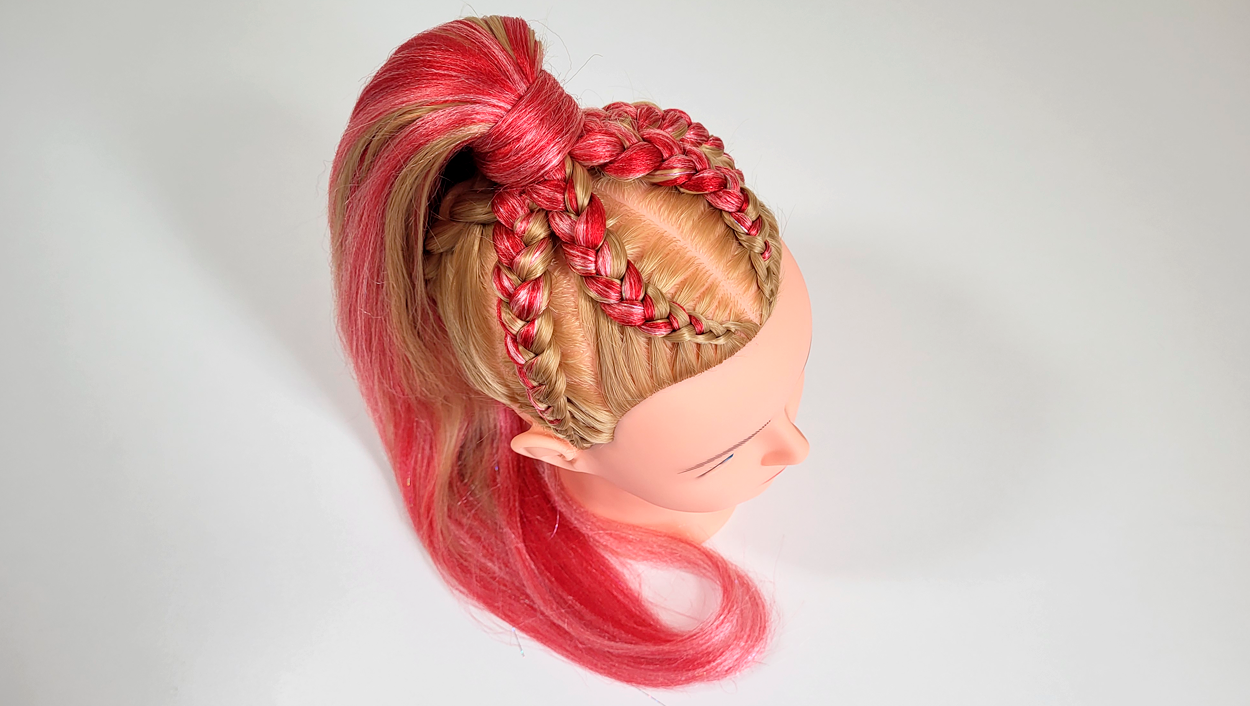
A high braided bun sits on top of the head or near the crown. It creates height and a strong visual shape. This version is common with box braids, knotless braids, feed-in braids, and long natural hair braids.
A low braided bun sits at the nape of the neck. It usually feels more elegant, soft, and formal. Low braided buns are often used for bridal hair, professional styling, evening looks, and sleek protective updos.
A side braided bun is placed to one side of the head. This creates asymmetry and can make the style feel romantic or editorial. It works well with curved cornrows, side parts, and decorative braid patterns.
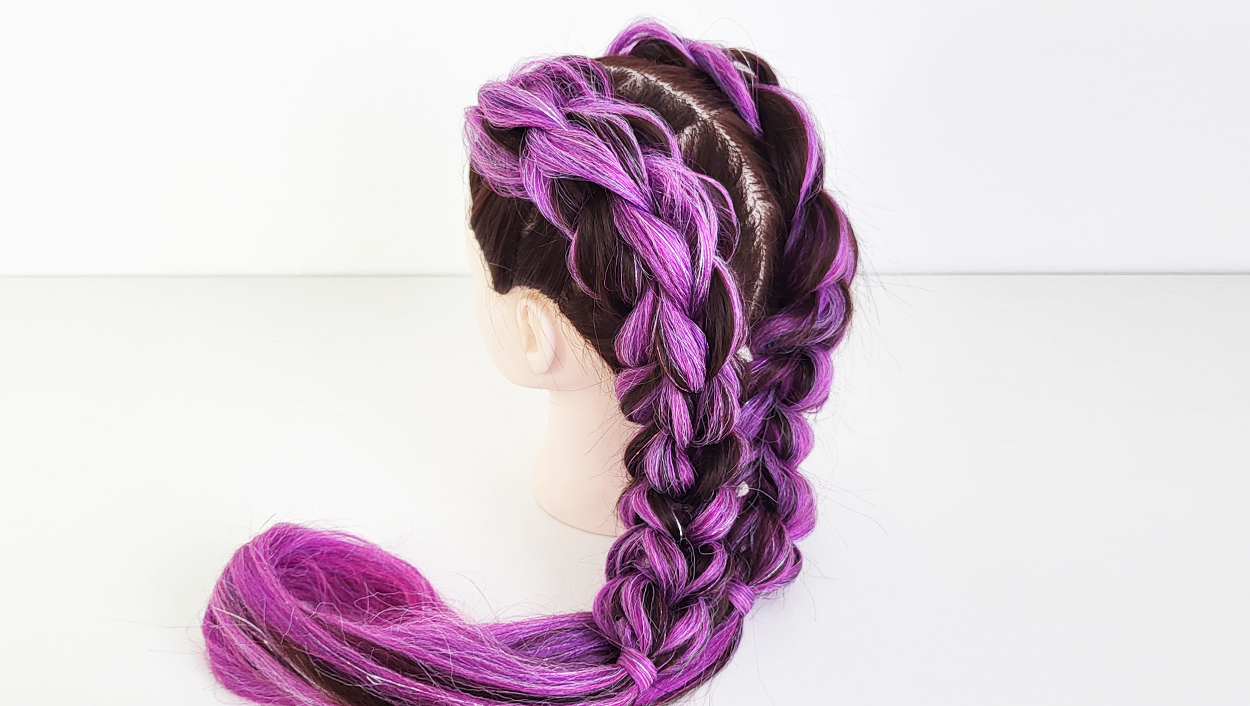
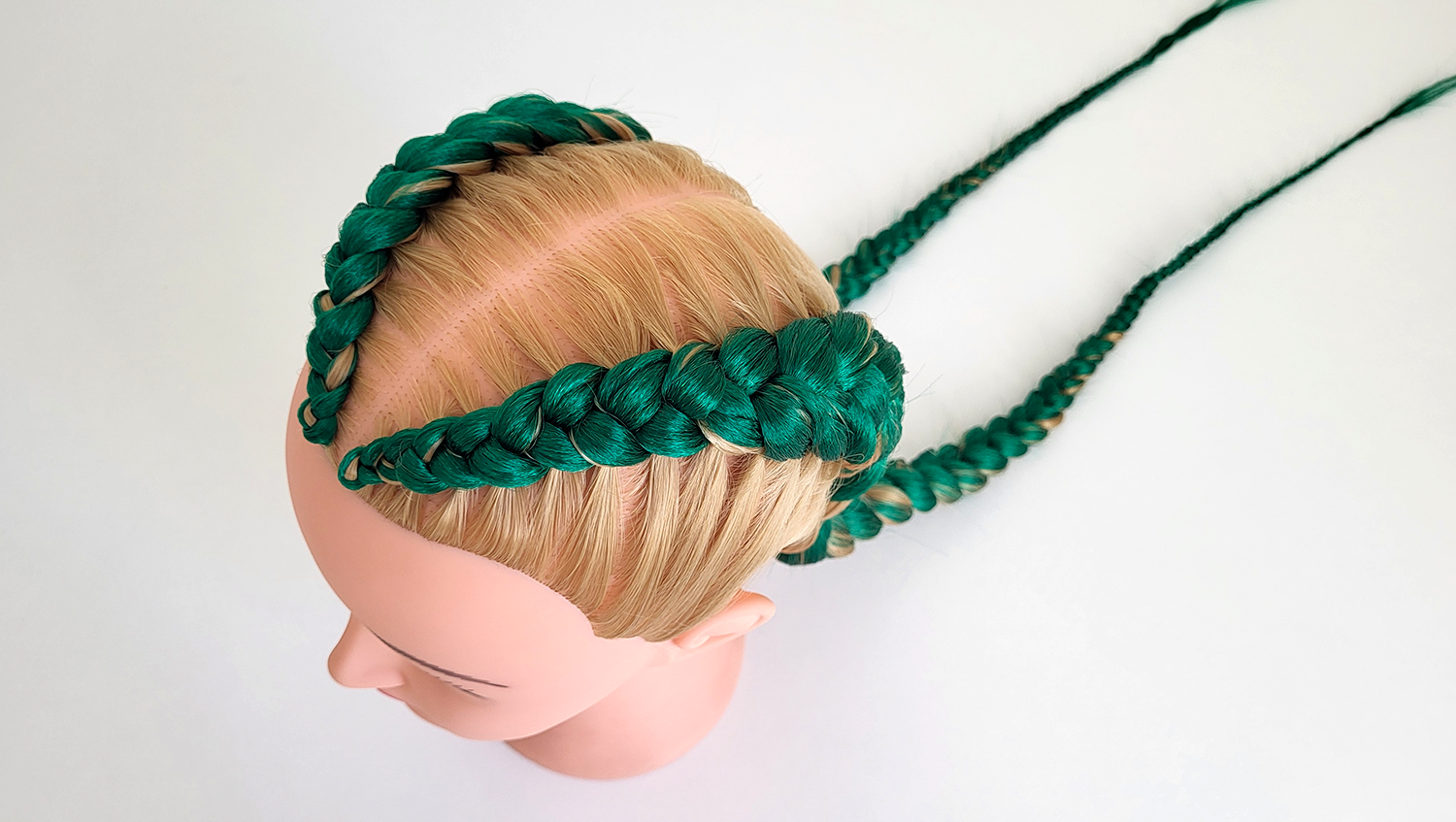
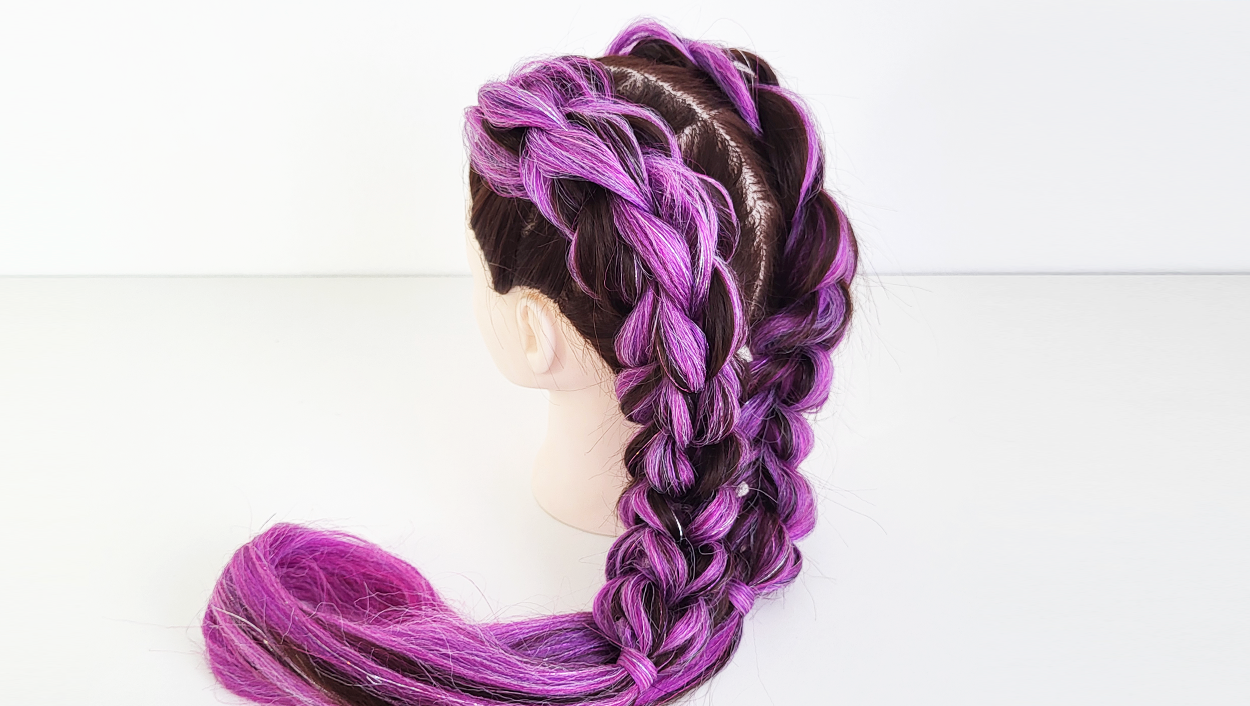
A cornrow braided bun begins with scalp braids directed toward the bun placement. The cornrows may be straight, curved, stitch-style, or designed in a pattern. The ends are then gathered and shaped into a bun.
A box braid bun uses individual braids gathered together and wrapped into a bun. This version is common when a client already has box braids or knotless braids and wants a lifted style.
A braided bun with loose curls combines braids with soft curly pieces. This creates a more romantic or boho finish and is often used for event styling.
Why Braided Buns Work So Well
Braided buns work because braids create texture that holds shape better than loose hair. A braid has structure, and that structure helps the bun stay in place. This makes braided buns useful for clients who need a style that looks polished and holds for hours.
The bun shape also controls the hair. Long braids can feel heavy when worn loose, but gathering them into a bun keeps them off the back and shoulders. For dancers, performers, kids, athletes, or clients with busy schedules, this can be practical.
Visually, braided buns create a strong silhouette. A high bun adds height. A low bun adds elegance. A side bun adds movement. A large braided bun adds drama. A small braided bun looks neat and minimal.
That flexibility is why braided buns appear in both everyday beauty and formal styling.
Braided Buns with Natural Hair
A braided bun can be created with natural hair only. The hair may be braided into one or more braids, then wrapped into a bun and pinned. This works well for medium to long hair, especially when the goal is a clean updo without extensions.
Natural hair braided buns can be sleek or textured. A smooth braid wrapped into a bun creates a polished look. A fuller braid can create a softer and more voluminous bun. Curly or coily hair may be stretched first for a cleaner braid, or left textured for a more natural finish.
This version is often used for school, work, protective styling, dance, events, and quick everyday looks. It is also a useful option when the client wants to reduce heat styling while still wearing the hair up.
Braided Buns with Extensions
Extensions are often used when the client wants a fuller, longer, or more dramatic braided bun. Synthetic braiding hair can be added to create a thicker braid, a larger bun, or a more defined shape.
Feed-in techniques can create a smooth transition from natural hair to added hair. This is common in sleek braided buns where the braid starts close to the scalp and leads into a bun at the crown or back of the head.
Braiding hair can also be wrapped into a bun to create extra volume. This is useful when the client’s natural hair is not long or thick enough for the desired bun size.
Color is another reason to use extensions. Blonde, copper, burgundy, ombré, pastel, or bright accent colors can make the bun more expressive without coloring the natural hair.
Braided Bun with Cornrows
Cornrow braided buns are one of the most structured versions of this style. The hair is braided close to the scalp and directed toward the area where the bun will sit. The cornrows may be straight-back, curved, stitch-style, or arranged in a custom pattern.
This technique creates a clean, lifted look. It also keeps the hair controlled from root to ends. The bun can be created from the braid ends, added braiding hair, or a combination of both.
Cornrow braided buns are popular for kids’ styles, professional protective styles, dance hairstyles, athletic looks, and formal updos. They can look simple and clean, or they can become highly artistic with parting designs, stitch braids, feed-in details, and accessories.
The most important technical detail is tension. Cornrows that lead into a bun should not pull too tightly, especially around the hairline and temples. A secure style should not feel painful.
Braided Bun with Box Braids or Knotless Braids
Box braids and knotless braids can easily be styled into a braided bun. Since the hair is already braided, the bun is created by gathering the braids and wrapping them into shape.
A high bun with box braids creates a bold and stylish look. A low bun feels more elegant and controlled. A half-up braided bun allows some braids to remain loose while the top section is lifted.
Knotless braids can be easier to place into buns soon after installation because the base is usually flatter and more flexible. Traditional box braids may feel firmer at the root, depending on the installation method.
Weight matters with this version. Long or thick braids can become heavy when wrapped into a bun. If the bun pulls on the scalp or hairline, it should be loosened or styled lower.
Formal and Bridal Braided Buns
Braided buns are often used in formal hairstyling because they look polished and hold shape well. A low braided bun can create a classic bridal look. A braided chignon can feel elegant and timeless. A crown braid connected to a bun can add romantic detail.
For formal events, braided buns may include soft face-framing pieces, curls, pearls, pins, hair jewelry, flowers, or decorative accessories. The braid texture adds detail, while the bun keeps the style controlled.
This type of braided bun requires careful finishing. Flyaways, parting lines, pin placement, and bun balance all affect the final result. The style should look secure without looking stiff.
Who Are Braided Buns Best For?
Braided buns are suitable for many hair types, textures, and lengths. They work on natural hair, relaxed hair, straight hair, wavy hair, curly hair, coily hair, and extension-enhanced styles.
They are best for people who want an updo that feels controlled, polished, and practical. They are also useful for clients who want to keep hair away from the face and neck while still wearing a styled look.
Braided buns are a strong option for events, work, school, sports, dance, protective styling, and formal beauty. They can be simple enough for daily wear or detailed enough for a special occasion.
Clients with scalp sensitivity, fragile edges, thinning hair, or recent breakage should be careful with tight braided buns. The style should be adjusted to avoid pulling, especially when extensions or long braids are used.
Professional Technique Details
A clean braided bun starts with the right foundation. The hair should be detangled and prepared based on the texture and desired finish. Sleek styles may require gel, mousse, edge control, or smoothing products. Softer styles may need less product and more texture.
Sectioning is important when the braided bun includes cornrows, feed-in braids, or multiple braid sections. The parting should support the direction of the bun and keep the final shape balanced.
The bun should be secure but not tight. Pins, elastics, or braid wrapping should hold the hair without causing discomfort. If the style includes added hair, the weight should be distributed evenly.
The bun shape should match the client’s head shape, face shape, and style goal. A very high bun creates drama. A low bun creates elegance. A medium bun can feel balanced and wearable. The stylist should check the silhouette from the front, sides, and back.
Maintenance and Wear
The maintenance of a braided bun depends on the foundation. A natural hair braided bun may last one day to several days, depending on the products used and the client’s hair texture. A cornrow braided bun or feed-in braided bun can last longer with proper care.
At night, the style should be protected with a satin or silk scarf if the client wants to preserve smoothness and reduce frizz. If the bun feels tight before sleeping, it should be adjusted to prevent scalp tension.
For braided buns created from box braids or knotless braids, the bun does not need to be worn every day. Constant tight buns can stress the roots. It is better to alternate between loose styles, low styles, and softer updos.
Scalp comfort should always be monitored. If the bun causes headaches, pulling, bumps, or soreness, it is too tight or too heavy.
Braided Buns in Modern Beauty Culture
Braided buns remain popular because they are functional, elegant, and highly adaptable. They appear in salon styling, kids’ hair, bridal beauty, dance looks, protective styling, fashion shoots, and social media tutorials.
The style works across many aesthetics. It can look clean and professional, soft and romantic, bold and sculptural, sporty and practical, or artistic and editorial.
In beauty content, braided buns are visually strong because they show shape. The viewer can see the braid pattern, the bun placement, and the finish clearly. This makes the style useful for tutorials, transformations, and inspirational photos.
For stylists, braided buns are an important skill because they combine braiding, updo construction, tension control, and finishing. The style may look simple, but a polished braided bun requires planning and balance.
Why Braided Buns Matter
Braided buns matter because they show how braids can be transformed into shape. The braid provides texture and structure, while the bun creates form and polish.
This style is practical, beautiful, and flexible. It can protect the hair, elevate a simple look, support formal styling, or create a strong fashion statement.
For clients, braided buns offer control and elegance. For stylists, they are a creative tool that blends technique with design. When done well, a braided bun feels secure, balanced, comfortable, and intentionally styled.