
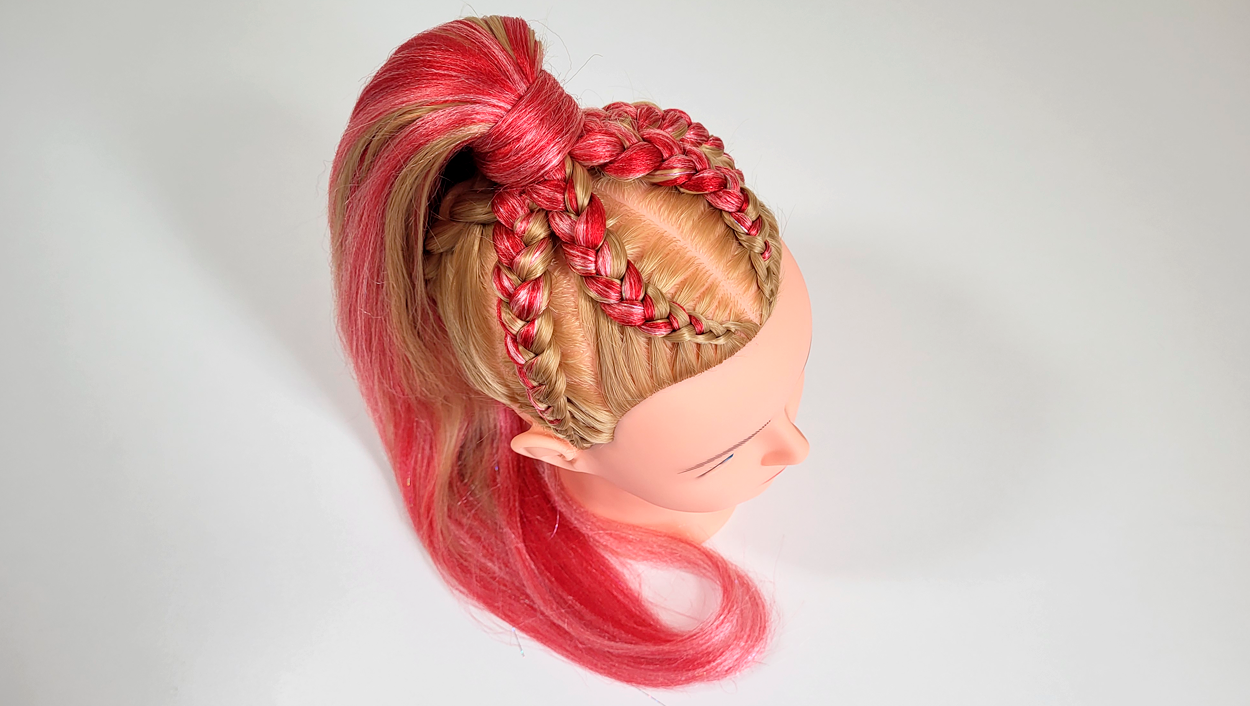
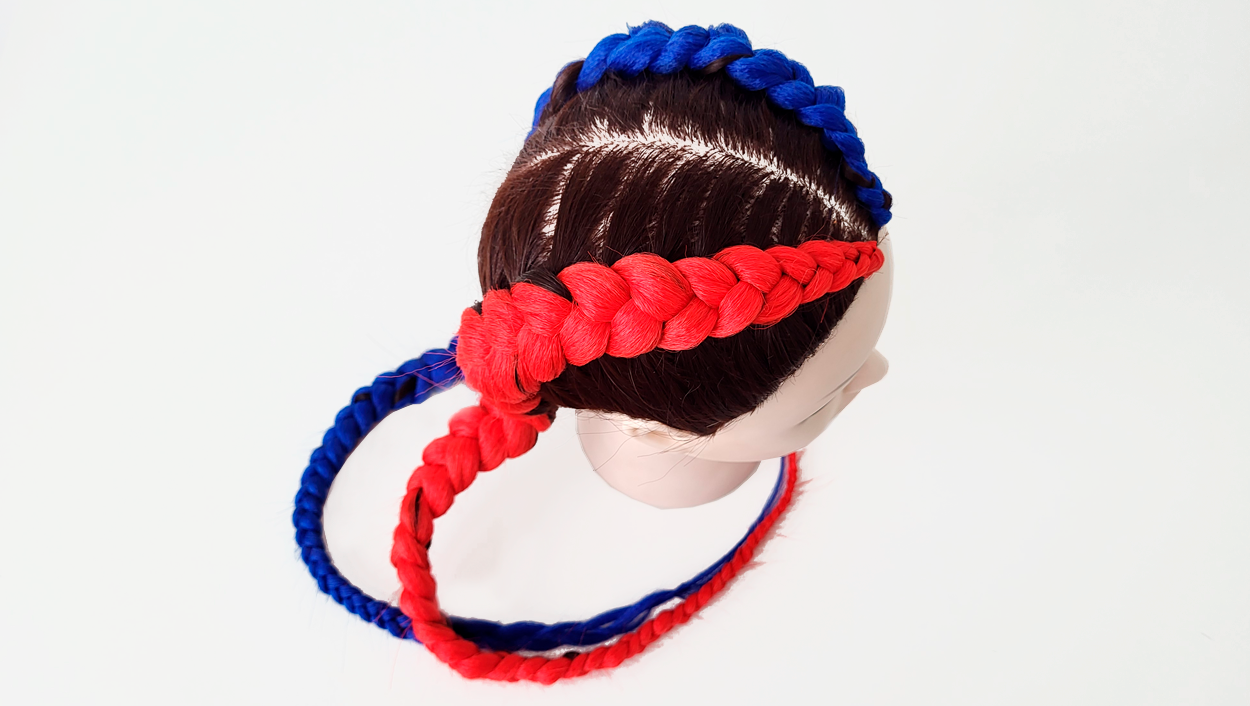
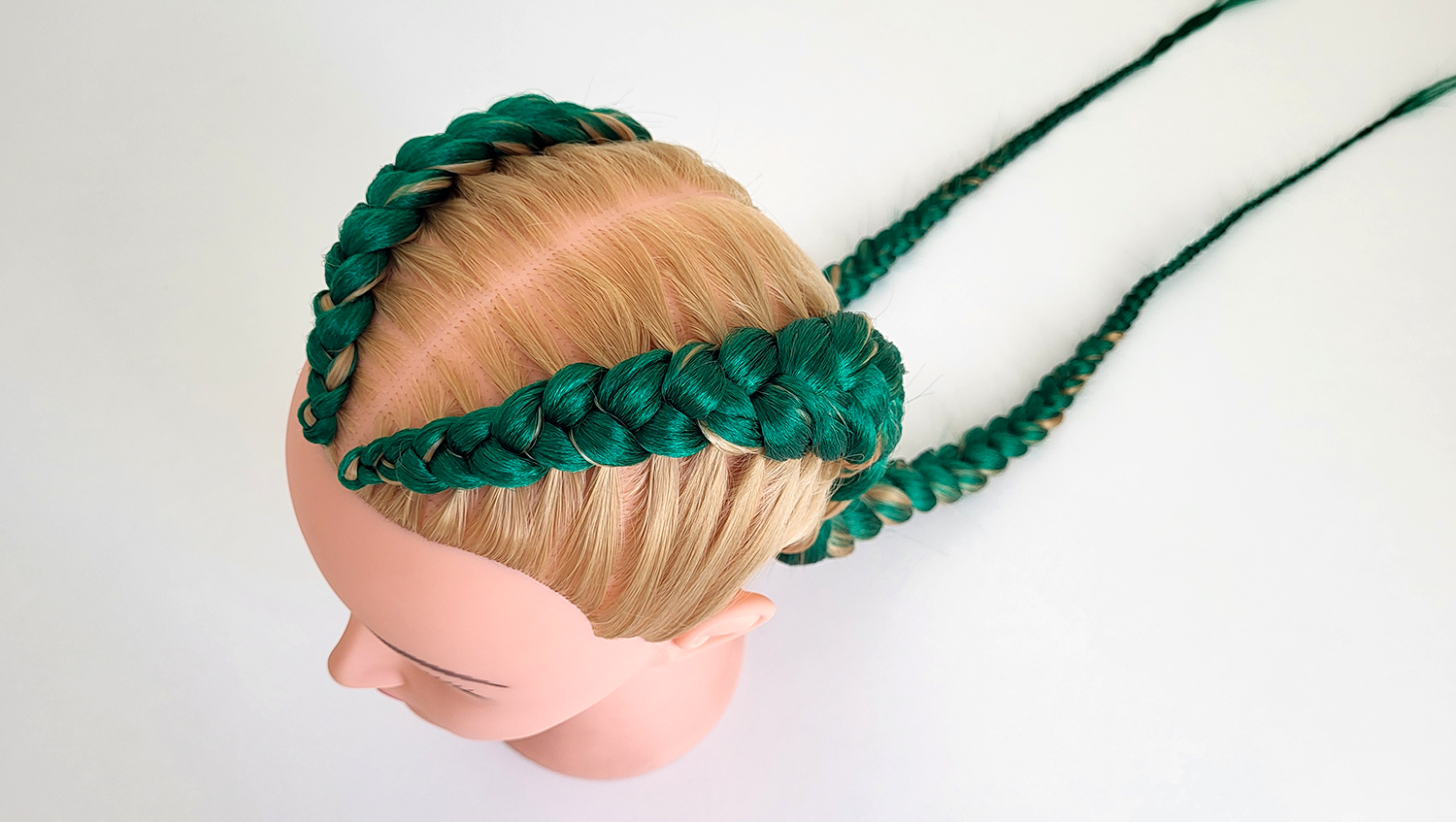
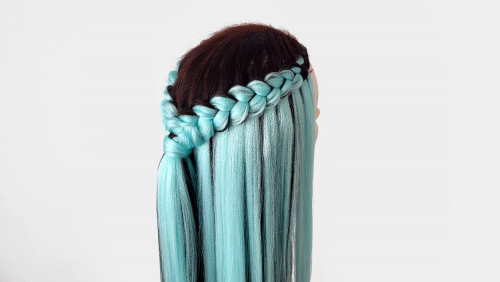
Braided Headband: A Face-Framing Braid That Works Like an Accessory
A braided headband is a hairstyle where a braid is placed across the front, top, or crown area of the head to create the effect of a headband. Instead of using a fabric or plastic accessory, the hair itself becomes the decorative band. The braid may sit close to the hairline, move from one ear to the other, frame the face, or connect into a larger hairstyle.
This style is popular because it is both practical and decorative. It can keep hair away from the face, control front sections, and add a polished detail to loose hair, curls, waves, ponytails, buns, or updos. A braided headband can look soft and romantic, clean and classic, youthful and playful, or bold and editorial depending on the braid size, placement, texture, and finish.
In modern hairstyling, braided headbands are used for everyday looks, bridal styling, kids’ hairstyles, festival hair, dance styles, editorial shoots, and protective-inspired designs. The style works because it creates a clear focal point around the face while allowing the rest of the hair to stay loose or styled separately.
What Is a Braided Headband?
A braided headband is a braid arranged to mimic the shape and function of a headband. It usually runs across the top or front part of the head, often from one side to the other. The braid can be created from the client’s natural hair, with added extensions, or as a separate braid attached into the hairstyle.
There are several ways to create the look. The braid may be French braided along the hairline, Dutch braided across the crown, or created as a simple three-strand braid and pinned like a headband. Some versions use one braid, while others use two or more braids layered together for a thicker or more decorative effect.
The defining feature is placement. The braid must visually sit where a headband would sit. It frames the face, separates the front from the back, and adds structure to the overall hairstyle.
Common Types of Braided Headbands
A French braided headband follows the scalp and picks up hair as it moves across the front or crown. This creates a smooth, connected look that feels soft and classic. It is often used for natural hair styles, bridal looks, and everyday styling.
A Dutch braided headband creates a raised braid that sits more visibly on top of the hair. Because the braid stands out, this version looks stronger and more textured. It works well for bold styling, sporty looks, festival hair, and creative beauty content.
A lace braided headband gathers hair only from one side of the braid. This technique allows the braid to follow the hairline while keeping the rest of the hair loose. It creates a delicate, face-framing effect.
A pinned braided headband is made by braiding a loose section of hair and pinning it across the head. This version is useful when the stylist wants a quick headband effect without braiding directly on the scalp.
A double braided headband uses two braids placed close together. This creates more detail and can make the hairstyle look more designed. It works well with loose waves, curls, or half-up styles.
Why Braided Headbands Work
Braided headbands work because the front area of the hair has a major effect on the entire style. A braid across this area creates instant structure. It makes loose hair look more finished and turns a simple style into something intentional.
The braid also has a practical function. It can hold shorter front pieces away from the face, control bangs or layers, and reduce the need for clips or traditional headbands. This makes it useful for active days, school styles, kids’ hair, and casual beauty looks.
Visually, the style frames the face. It draws attention to the eyes, cheekbones, forehead, and hairline. A thin braid can look delicate and understated. A thick raised braid can make the hairstyle feel more dramatic. A soft lace braid can create a romantic finish.
Because of that flexibility, braided headbands can move easily between everyday hair and event styling.
Braided Headband with Loose Hair
One of the most common ways to wear a braided headband is with loose hair. The braid controls the front section while the rest of the hair remains down. This creates a balanced look: structured at the top, soft through the length.
Loose hair can be straight, wavy, curly, coily, or textured. A braided headband can make natural curls look more shaped, add detail to beach waves, or soften straight hair with a handmade finish.
This version is often used for casual styling, school hairstyles, bridal-inspired looks, and social media content. It gives the effect of an accessory without needing an actual accessory.
For a softer look, the braid can be slightly loosened after braiding. For a cleaner look, the braid can be kept tight and smooth with light gel or styling cream.
Braided Headband with Updos
Braided headbands also work well with updos. A braid across the front can add detail to a bun, chignon, ponytail, or half-up style. It creates a finished frame while the rest of the hair is lifted or pinned.
In bridal and formal styling, a braided headband can make an updo feel more romantic. It can be paired with soft curls, face-framing pieces, pearls, pins, flowers, or hair jewelry. In kids’ hairstyles, it can help keep the front hair neat while still looking cute and decorative.
A braided headband with a low bun feels elegant and controlled. A braided headband with a high bun feels playful and youthful. A braided headband with a textured ponytail can feel sporty, casual, or editorial depending on the finish.
Braided Headband with Extensions
Extensions can be used when the natural hair is too short, too fine, or when the client wants a thicker headband effect. Synthetic braiding hair can add length, fullness, and color. Human hair may be used when a softer, more natural blend is needed.
Colored extensions can turn a braided headband into the main focus of the hairstyle. A blonde, copper, pink, purple, blue, or ombré braid across the front can create a temporary color accent without dyeing the natural hair.
Extensions should be used carefully near the hairline because this area can be sensitive. The braid should be lightweight enough to sit comfortably without pulling. A good braided headband should feel secure, not tight.
Who Are Braided Headbands Best For?
Braided headbands can work for many hair types, textures, and lengths. They can be created on straight hair, wavy hair, curly hair, coily hair, natural hair, relaxed hair, and extension-enhanced styles.
They are especially useful for people who want to keep hair away from the face while still wearing a styled look. They also work well for clients growing out bangs, managing front layers, or looking for a quick way to add detail to loose hair.
For beginners, braided headbands are a good way to practice braid direction, sectioning, and tension control. For professional stylists, they are a strong design tool for soft glam, bridal hair, kids’ styles, event looks, and creative content.
The style is also useful when the client wants a braid, but not a full braided hairstyle. It creates visible braid detail while keeping the rest of the look flexible.
Professional Technique Details
A clean braided headband starts with intentional sectioning. The stylist should decide how wide the headband section will be, where it begins, and where it ends. The section should follow the desired shape of the face frame.
The braid direction matters. A braid placed too far forward may feel heavy on the forehead. A braid placed too far back may lose the headband effect. The best placement depends on the client’s hairline, face shape, density, and styling goal.
Tension should be controlled carefully, especially near the temples and front hairline. The braid should hold the section securely, but it should not pull or create discomfort. A braided headband should never cause pain or stress on the edges.
Finishing is also important. The braid end can be tucked behind the ear, pinned under loose hair, connected to a bun, or blended into a ponytail. The pins should be hidden when possible, and the braid should look like it belongs to the full hairstyle.
Maintenance and Wear
The wear time of a braided headband depends on the technique and hair texture. A simple pinned braid may last for one day. A French or Dutch braided headband may last several days if protected at night. A braided headband built into a protective style may last longer.
Because the braid sits near the face, it may become frizzy faster than braids placed farther back. Makeup, skincare, sweat, touching, and daily movement can affect the front section.
At night, a satin or silk scarf can help preserve the braid and reduce frizz. If the braid includes pins or accessories, they should not press into the scalp during sleep.
If the braid begins to pull, feel tight, or irritate the hairline, it should be loosened or removed. Comfort is more important than keeping the style in place.
Braided Headbands in Modern Beauty Culture
Braided headbands remain popular because they are simple, recognizable, and easy to customize. They appear in bridal hair, festival looks, kids’ hairstyles, natural hair styling, red carpet beauty, everyday tutorials, and editorial shoots.
On social media, braided headbands work well because the braid is placed in a highly visible area. It frames the face and reads clearly on camera. This makes the style useful for tutorials, beauty reels, and hairstyle inspiration posts.
In the beauty industry, this style is also valuable because it can be added to many other looks. A braided headband can elevate a blowout, soften curls, finish an updo, control front pieces, or create a romantic detail without changing the entire hairstyle.
Why Braided Headbands Matter
Braided headbands matter because they show how a braid can function as both structure and accessory. The braid controls the hair, frames the face, and adds design without needing extra decoration.
The style is simple in concept, but the result depends on placement, braid technique, sectioning, tension, and finishing. When done well, a braided headband looks natural, polished, and intentional.
For braid lovers, it is an accessible way to wear braids without committing to a full braided style. For stylists, it is a versatile detail that can transform loose hair, updos, kids’ styles, and formal looks with one carefully placed braid.