
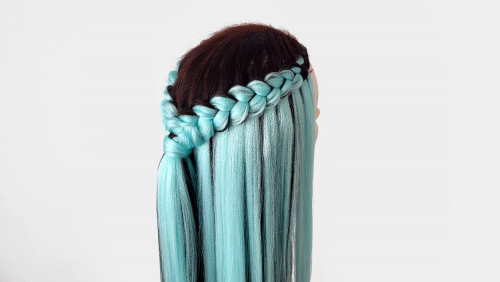
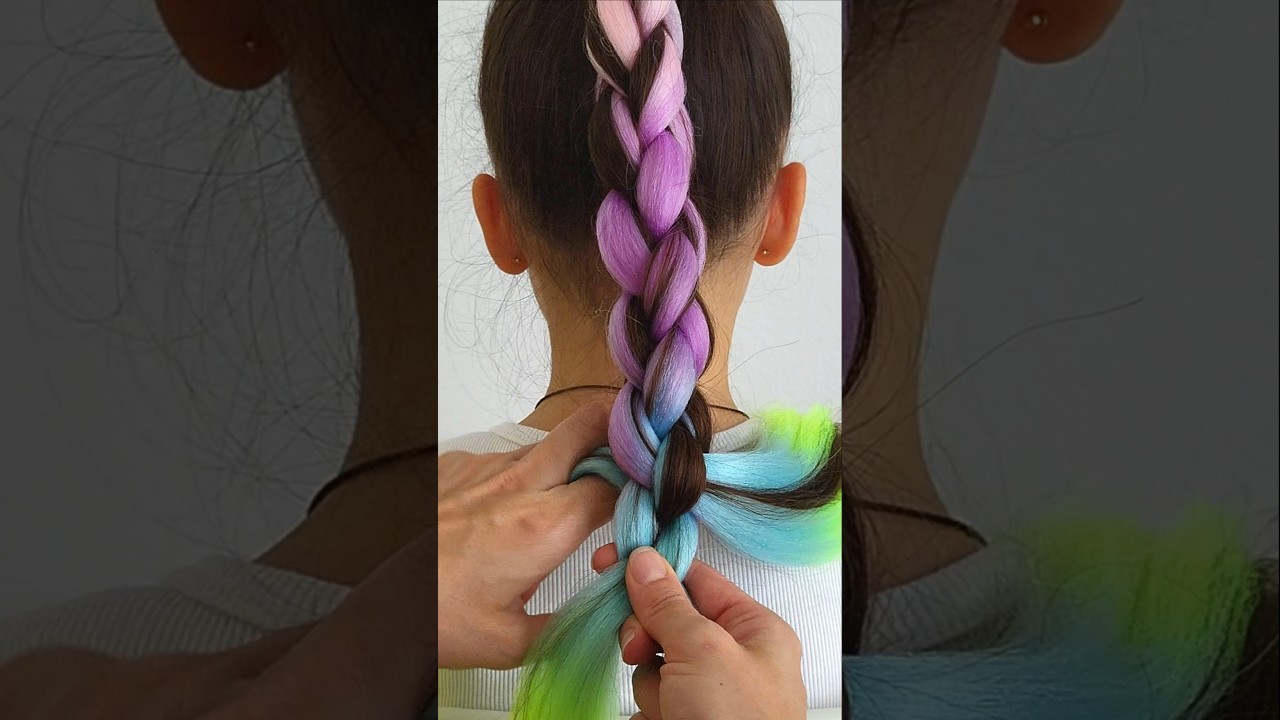
Chain Braids: Linked Braid Texture With a Bold, Dimensional Pattern
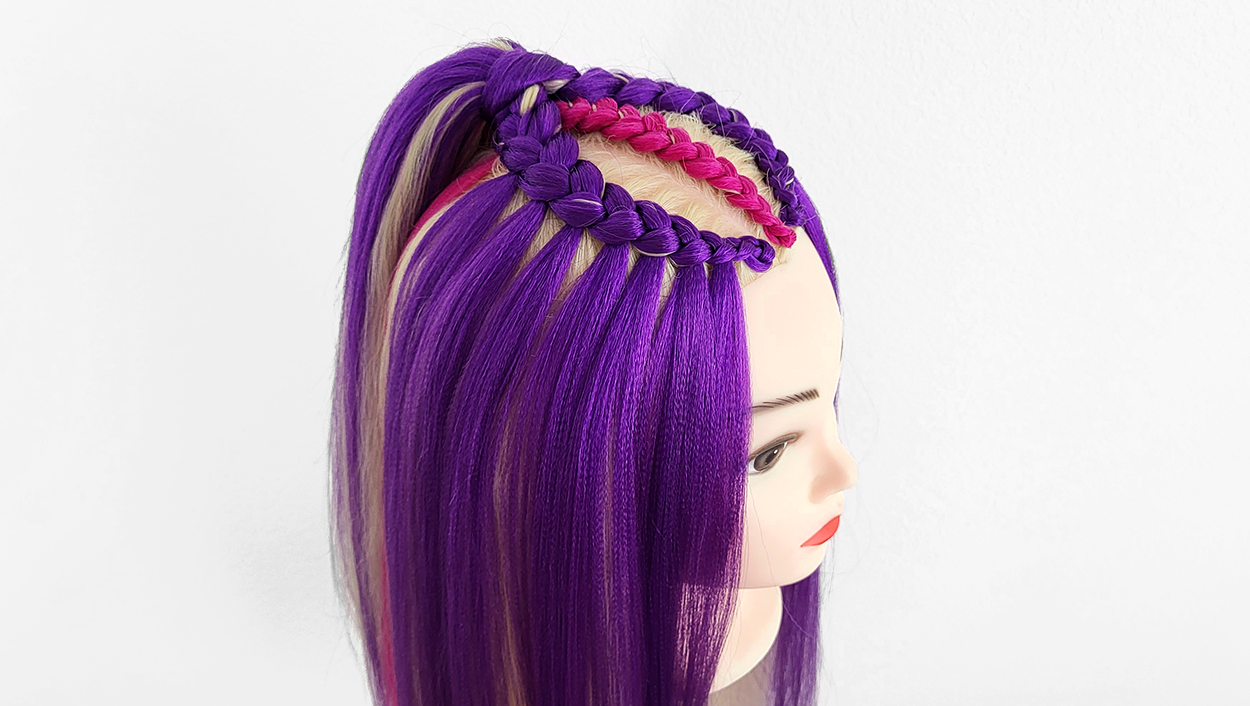
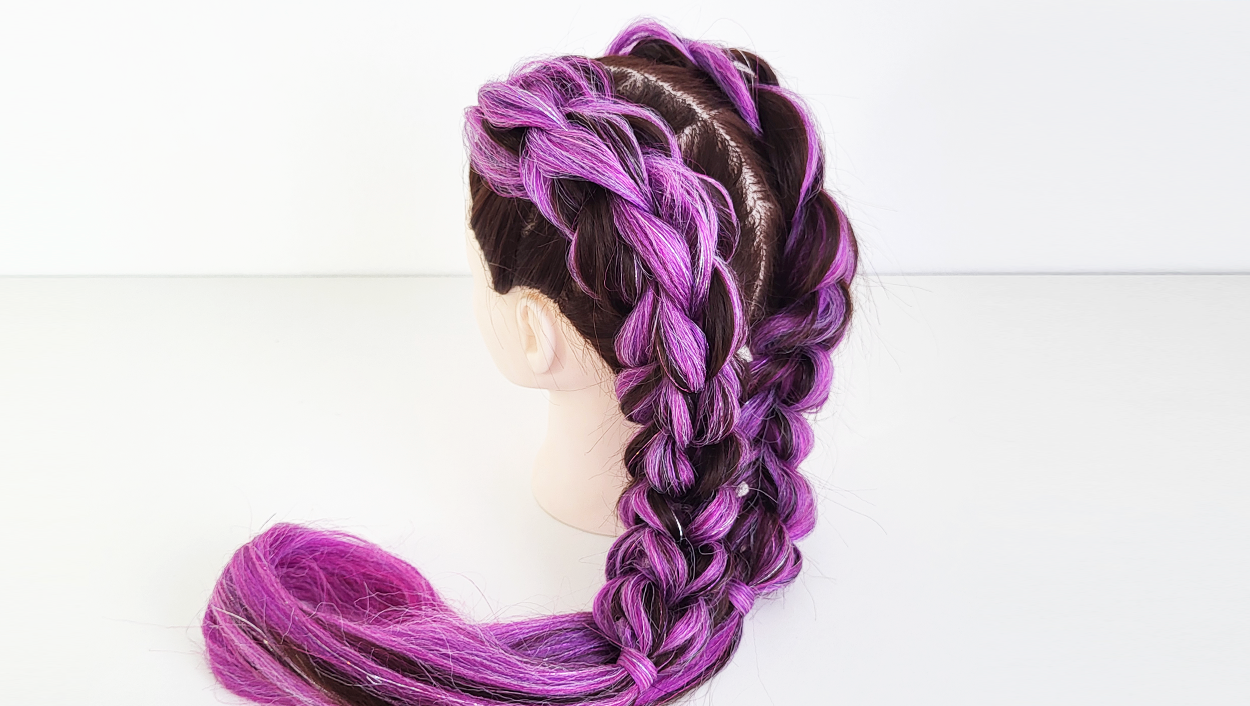
Chain braids are decorative braids designed to create the visual effect of connected links. Instead of looking like a standard three-strand braid, the finished pattern resembles a chain, with repeated loops, woven sections, or linked shapes running through the hair. The result is dimensional, textured, and more graphic than many classic braid styles.
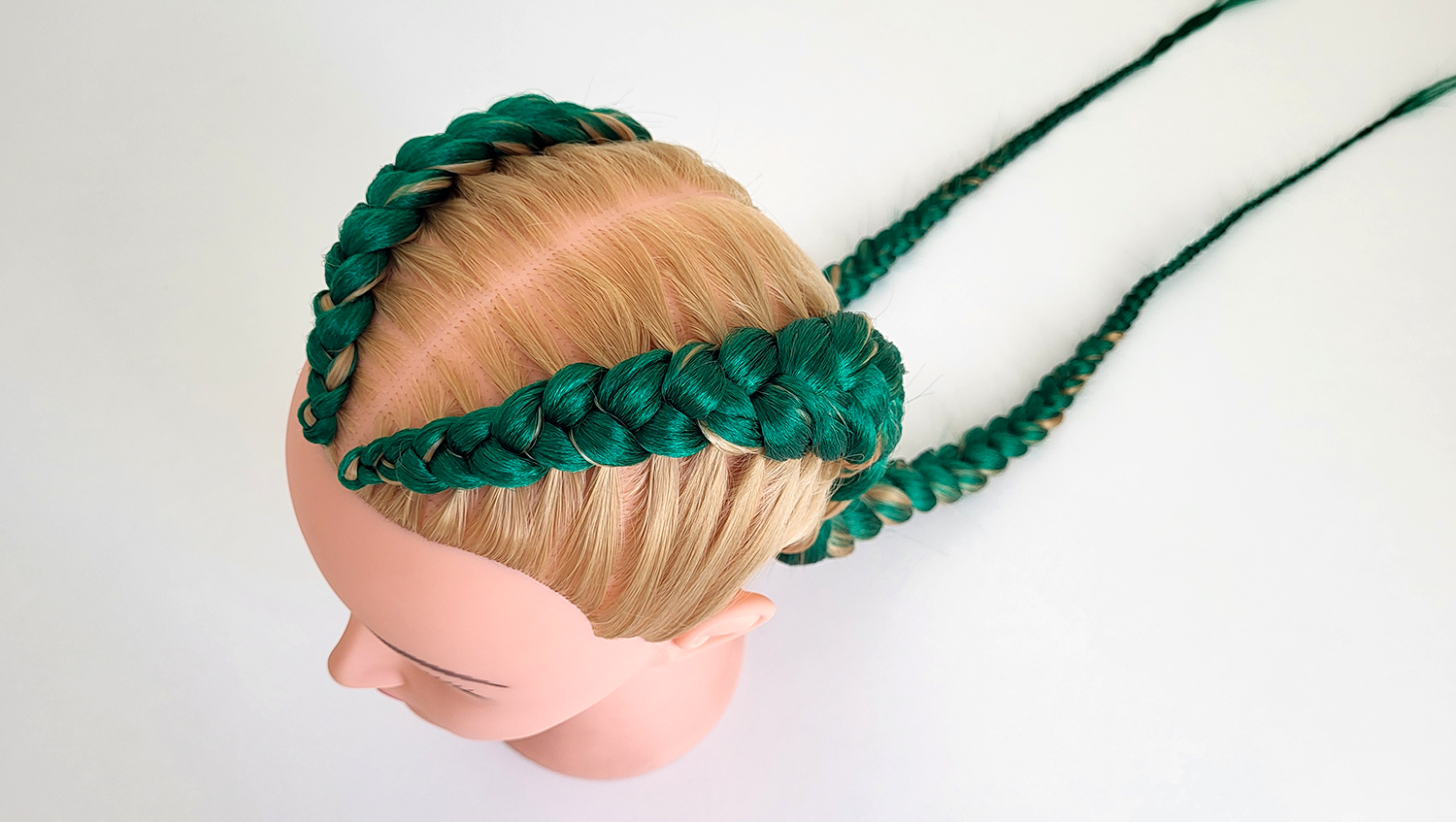
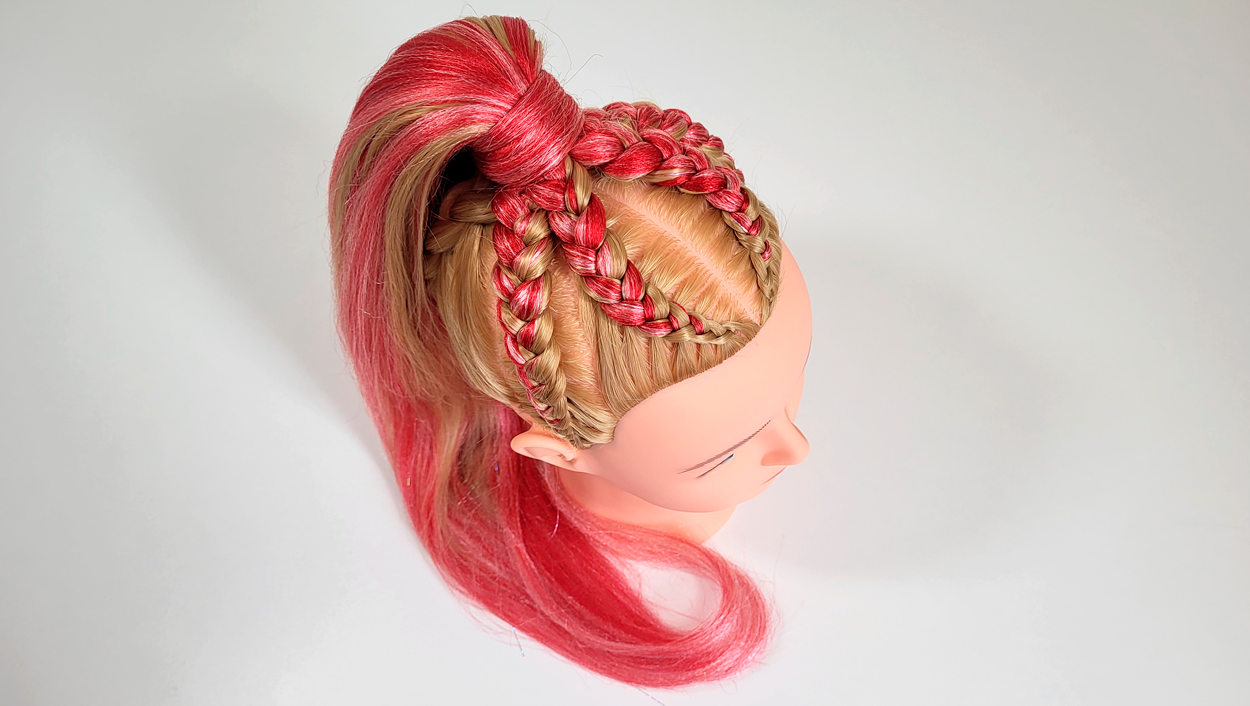
This style can be used as a small accent or as the main feature of a hairstyle. A single chain braid can add detail to loose hair, a ponytail, or a bun. Multiple chain braids can create a more complex design, especially when combined with cornrows, Dutch braids, extensions, or creative parting.
Chain braids are popular in modern hairstyling because they feel artistic and eye-catching. They are not always used as everyday protective styles; instead, they are often chosen for creative looks, tutorials, photoshoots, festival hair, kids’ hairstyles, and editorial beauty. The technique stands out because the pattern looks intentional, structured, and handmade.
What Are Chain Braids?
Chain braids are braids or braid-inspired designs that create a linked pattern through the hair. The “chain” effect can be created in different ways depending on the stylist’s technique. Some versions use looped strands. Some use pull-through methods. Some use small elastic sections. Others use a woven pattern that gives the braid a linked appearance.
Unlike traditional braids, chain braids are not limited to one fixed method. The name describes the visual result more than one universal technique. The common feature is the repeated link-like texture.
Chain braids can be created with natural hair only, or with added hair for length, thickness, color, or stronger definition. They can sit flat against the head as part of a scalp design, hang freely as a decorative braid, or be incorporated into ponytails, buns, and updos.
The style works best when the sectioning is clean and the tension is controlled. Because the pattern is highly visible, uneven sections or loose construction can make the braid look unfinished.
How Chain Braids Differ from Classic Braids
Classic braids usually rely on a repeated over-under structure. A three-strand braid, French braid, Dutch braid, fishtail braid, and rope braid each have a recognizable pattern based on how the strands cross or twist.
Chain braids focus more on creating a linked effect. The pattern may look like loops connected together rather than strands crossing in a simple braid sequence. This gives the style a more dimensional and decorative appearance.
The difference is especially visible in photos and videos. A classic braid creates a smooth woven texture. A chain braid creates stronger visual rhythm, with each link standing out as its own shape.
Because of this, chain braids are often used when the stylist wants the braid itself to become a design feature. They are less about hiding or controlling the hair and more about showcasing technique.
Common Types of Chain Braids
A looped chain braid uses sections of hair pulled or shaped into repeated loops. This creates the clearest chain-like effect and works well as an accent braid.
A pull-through chain braid uses elastics to create linked sections. The stylist sections the hair, secures it, and pulls one section through another to build a chain pattern. This version is useful for clients who want a braid-like look without traditional weaving.
A scalp chain braid lies closer to the head and may be combined with cornrow or lace braid techniques. This version can create a decorative line along the parting, hairline, or side section.
A ponytail chain braid uses the ponytail length as the base for the chain pattern. This creates a bold, graphic finish and works especially well with long hair or extensions.
An accent chain braid is a small chain detail placed inside a larger hairstyle. It can frame the face, decorate loose waves, add detail to a bun, or create a focal point in a half-up style.
A chain braid with extensions uses added hair to create a fuller, longer, or more colorful linked pattern. This is useful when the natural hair is too short or fine for a strong chain effect.
Why Chain Braids Work Visually
Chain braids work because they create repetition. The eye follows each link from one section to the next, which gives the hairstyle rhythm and movement. This makes the braid look more dimensional than a flat or simple braid.
The linked pattern also creates shadow and depth. Each loop or section catches light differently, making the braid stand out even on one-tone hair. On highlighted, colored, or extension-enhanced hair, the chain pattern can look even more dramatic.
Chain braids also create a strong handmade effect. They show the stylist’s control and technique. The viewer can immediately see that the style was built intentionally, link by link.
This is why chain braids are often used in creative styling. They make even a simple hairstyle look more designed.
Chain Braids with Natural Hair
Chain braids can be created with natural hair only when the hair has enough length and density to form visible links. The style can work on straight, wavy, curly, and textured hair, although the technique may need adjustment depending on the hair type.
On straight or smooth hair, the linked pattern usually looks sharper and more graphic. On wavy or curly hair, the braid may look softer and fuller. On coily or highly textured hair, the stylist may stretch or smooth the section first if a cleaner chain shape is desired.
Natural hair chain braids are often used as accents rather than full-head styles. A small chain braid near the face, along the parting, or inside a ponytail can add detail without requiring a complete braid installation.
The style should not be pulled too tightly. Because chain braids often rely on loops or repeated sections, excessive tension can distort the pattern and create discomfort.
Chain Braids with Extensions
Extensions can make chain braids more visible and dramatic. Synthetic braiding hair, colored extensions, or clip-in pieces can add length, thickness, and contrast.
A chain braid with extensions can be used in a long ponytail, festival hairstyle, creative braid design, or editorial look. Added hair helps create larger links and a stronger pattern, especially when the client’s natural hair is short or fine.
Color can also make the chain effect stand out. Blonde, copper, pink, purple, blue, ombré, or two-tone extensions can highlight the linked structure. When multiple colors are used, each loop can show more dimension.
The added hair should be lightweight and balanced. Too much extension hair can make the braid heavy or difficult to control. A professional stylist should choose the amount of hair based on the client’s natural density and the desired final shape.
Chain Braids in Ponytails
A ponytail is one of the best foundations for a chain braid because the hair is already gathered and controlled. The chain pattern can be built down the ponytail length, creating a strong vertical line.
A high chain braid ponytail feels bold and fashion-forward. A low chain braid ponytail feels cleaner and more elegant. A side chain braid ponytail can feel playful or editorial.
This version works well with long hair or extensions because the extra length allows more links to show. The base can be sleek, textured, center-parted, side-parted, or wrapped with hair for a polished finish.
For comfort, the ponytail base should not be too tight, especially if added hair is used. The chain braid may look dramatic, but it should still feel comfortable and wearable.
Chain Braids in Updos and Buns
Chain braids can also be used in updos and buns. A chain braid can wrap around a bun, frame the crown, decorate a chignon, or create texture inside a braided updo.
In formal styling, a chain braid can make an updo look more detailed without adding heavy accessories. It can replace a hairpiece by becoming the main decorative element of the hairstyle.
In creative styling, chain braids can be combined with Dutch braids, cornrows, curls, twists, or hair jewelry. The linked pattern gives the updo a more sculptural finish.
The braid should be pinned carefully so the chain pattern stays visible. If the braid is twisted too tightly into the bun, the linked effect may disappear.
Chain Braids for Kids
Chain braids can be a fun option for kids’ hairstyles because the linked pattern looks playful and different from standard braids. They can be used in pigtails, ponytails, half-up styles, or small accent sections.
For children, comfort is the most important factor. The style should not be tight, and elastics or loops should not pull at the scalp. Soft elastics and lightweight accessories are best.
Chain braids can be combined with bows, beads, ribbons, colorful elastics, or small clips for a cute finish. However, the design should stay age-appropriate and comfortable for school, play, or special events.
A good kids’ chain braid style should be secure enough to hold, but gentle enough to protect the hair and scalp.
Chain Braids for Adults
For adults, chain braids can look modern, editorial, romantic, or edgy depending on the styling. A small chain accent near the face can feel delicate and trendy. A long chain braid ponytail can feel bold and high-fashion. A chain braid wrapped around a low bun can feel elegant and detailed.
Adults often choose chain braids for events, photoshoots, festivals, content creation, or special styling moments. The look is especially effective when the client wants something different from classic braids but still wants braided texture.
The style can be minimal or dramatic. Clean placement and controlled finishing make the difference between a playful braid and a professional beauty look.
Professional Technique Details
A professional chain braid requires clean sectioning and consistent link size. Each section should be similar in thickness unless the stylist intentionally creates a graduated or asymmetrical pattern.
Tension control is important. If the links are too tight, the braid may look stiff and uncomfortable. If they are too loose, the pattern may collapse. The stylist needs to create enough structure for the chain effect while keeping the hair comfortable.
The direction of the braid should be planned before starting. A chain braid can follow a parting, curve around the head, run down a ponytail, or wrap into an updo. The sectioning should support that direction.
Product choice depends on the desired finish. A sleek chain braid may need light gel, mousse, or styling cream. A softer chain braid may need less product and more texture. Too much product can make the links heavy or sticky.
Finishing should be clean. The end can be secured with a small elastic, hidden inside an updo, wrapped with hair, or decorated with accessories.
Maintenance and Wear
Chain braids are often temporary styles. Accent versions may last one day or a few days. Chain ponytails or elastic-based versions may hold longer depending on hair texture, product use, and activity level.
At night, the style should be protected with a satin or silk scarf or pillowcase if the wearer wants to preserve the pattern. However, some chain braid styles may flatten during sleep, especially if the links are large and soft.
Elastics should be removed gently. Pulling them out quickly can cause breakage, especially on fine, curly, coily, or fragile hair. If elastics must be cut, they should be cut carefully away from the hair.
If the style feels tight, pulls at the scalp, or causes soreness, it should be loosened or removed. A chain braid should look structured without causing discomfort.
Styling Options
Chain braids can be worn in many ways. A single chain accent can be placed near the face or along a side part. A chain braid ponytail can create a dramatic length-focused look. Two chain braids can create a playful pigtail effect. A chain braid can also be wrapped around a bun or added to a half-up hairstyle.
Accessories can enhance the style. Small cuffs, pearls, rings, ribbons, or thread can be added, but the chain pattern is already decorative, so accessories should be used with balance.
Chain braids can also be combined with loose curls, sleek ponytails, Dutch braids, cornrows, or bubble braid elements. These combinations create more complex styles for editorial, festival, or performance looks.
The best version depends on the client’s hair length, texture, comfort, and desired level of impact.
Chain Braids in Modern Beauty Culture
Chain braids fit modern beauty culture because they are visually interesting and content-friendly. The linked pattern reads clearly in photos and videos, making it useful for tutorials, reels, and creative hairstyle inspiration.
The style also reflects a larger trend in hairstyling: braid-inspired designs that go beyond basic weaving. Clients and stylists are looking for texture, shape, and detail that feel fresh. Chain braids offer that without requiring a full protective braid installation.
In salons and content creation, chain braids show technical creativity. They demonstrate that braiding can be graphic, sculptural, and playful at the same time.
Why Chain Braids Matter
Chain braids matter because they expand the visual language of braiding. They are not just about crossing strands; they are about building a linked pattern with shape and rhythm.
For clients, chain braids offer a way to try something creative without changing the entire hairstyle. For stylists, they are a technique-focused detail that requires section control, balance, and clean finishing.
When done well, chain braids look dimensional, intentional, and modern. They prove that even a small braid detail can transform the whole mood of a hairstyle.