
Cornrows: The Foundation Braid With History, Precision, and Protective Power
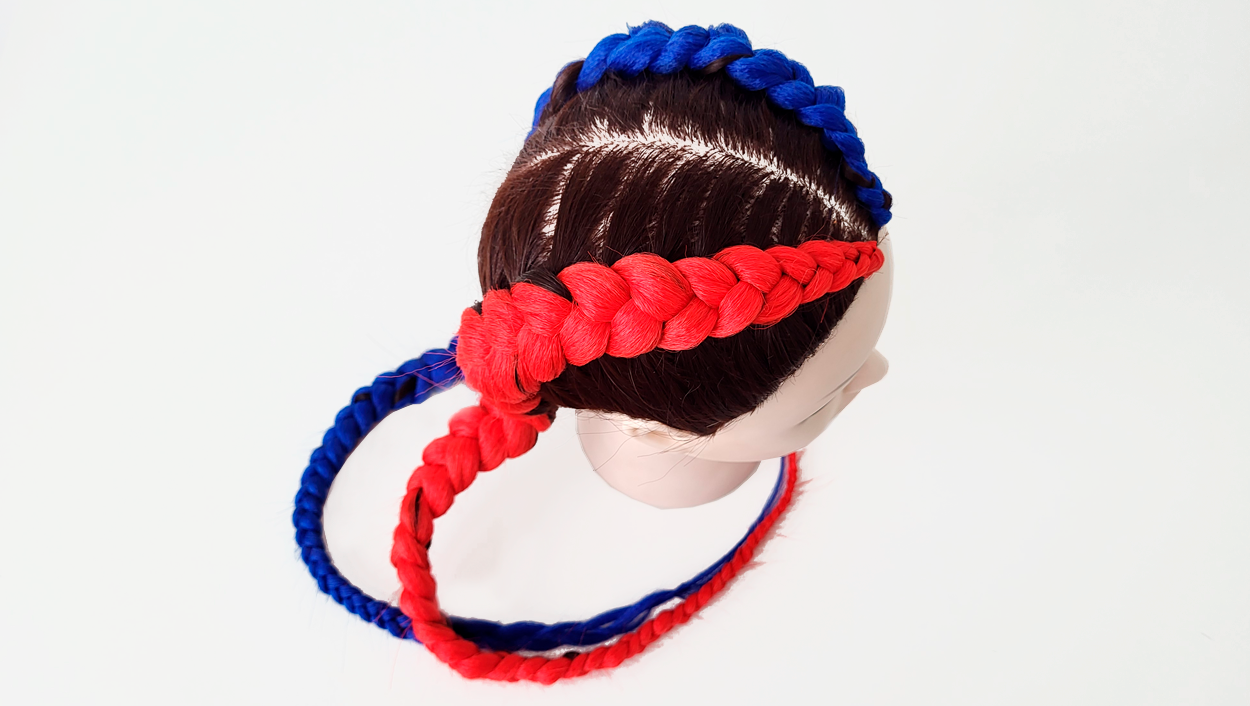
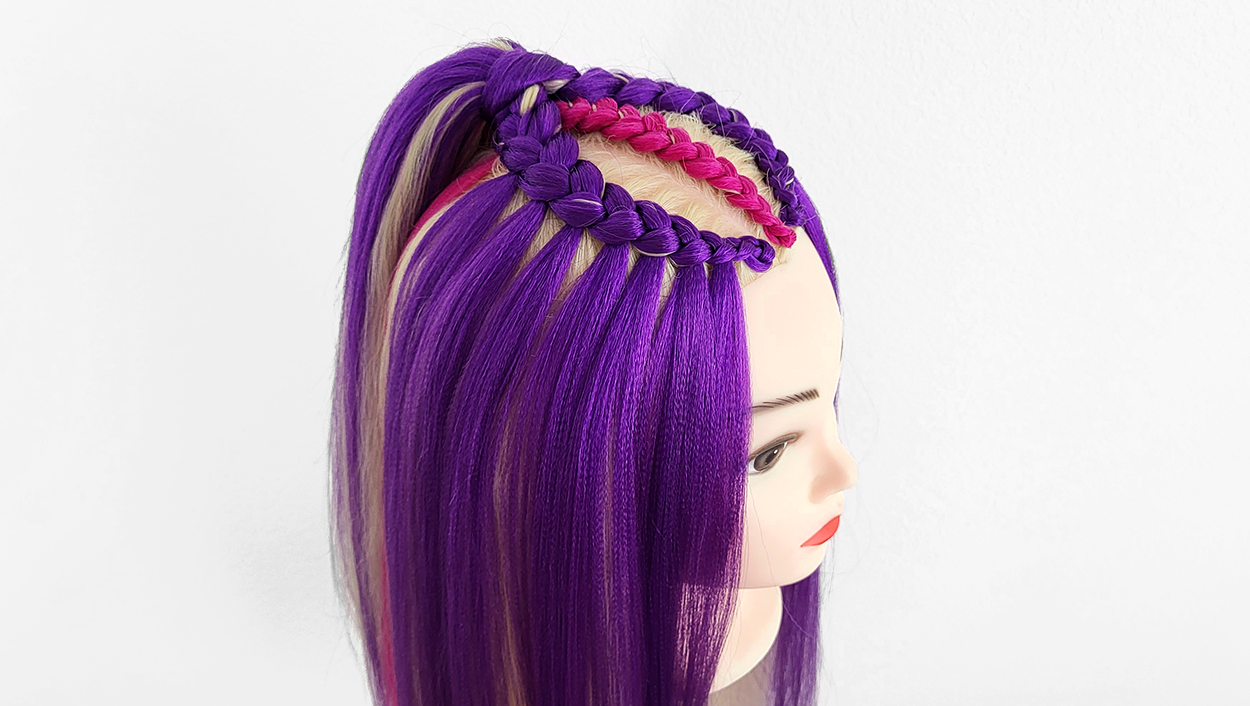
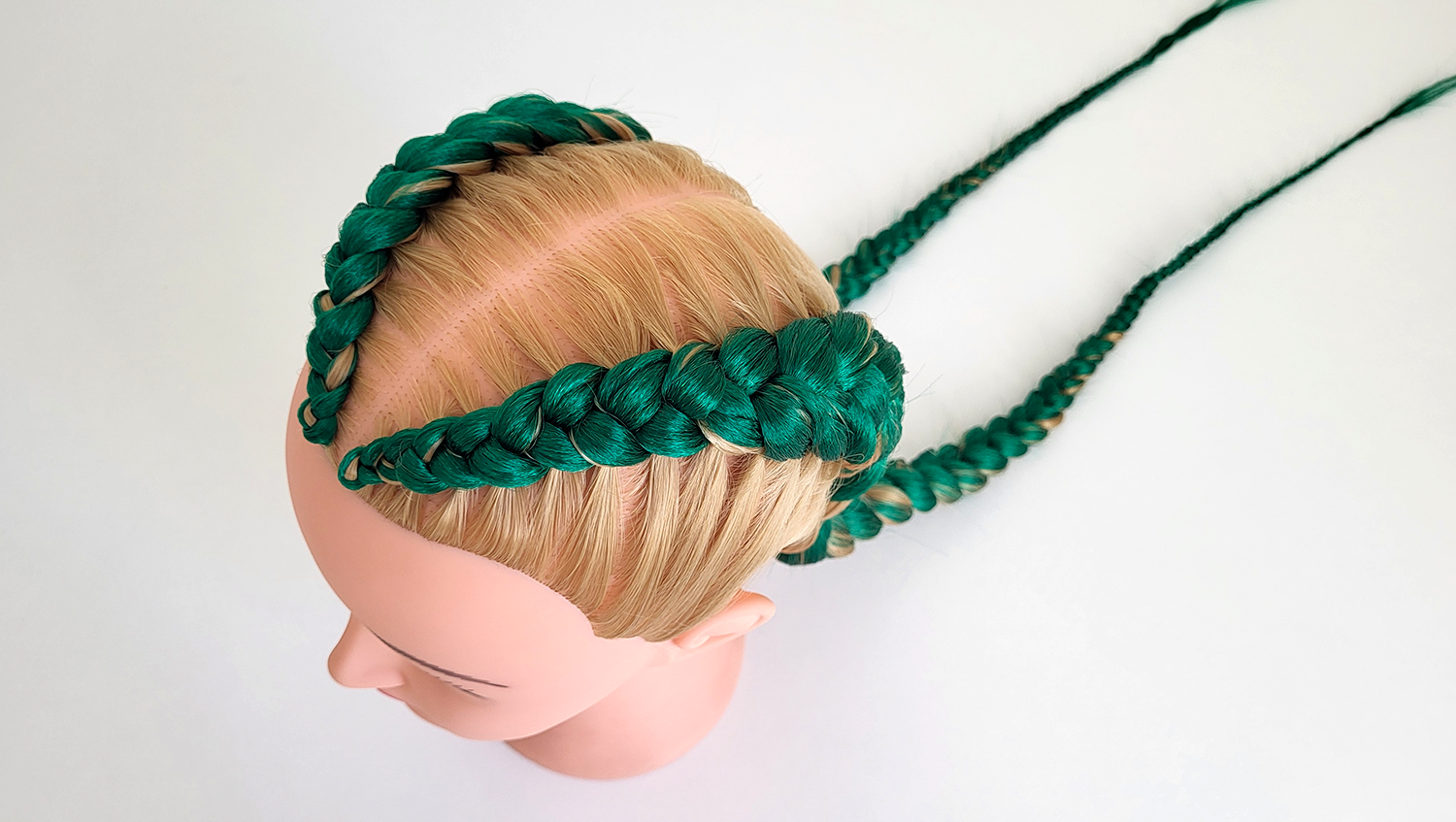
Cornrows are one of the most important and recognizable braiding techniques in the world. The style is created by braiding the hair close to the scalp in continuous raised rows. These rows can move straight back, curve around the head, follow geometric parting, form creative patterns, or feed into ponytails, buns, updos, and extension styles.
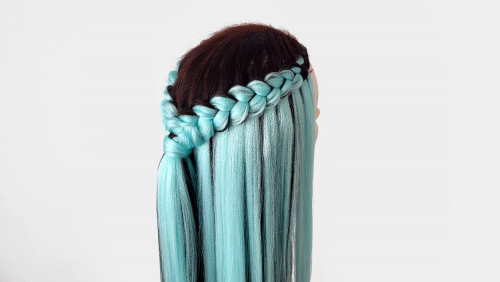
This technique is both practical and artistic. Cornrows can protect natural hair, reduce daily manipulation, keep hair controlled, and create a clean long-lasting style. At the same time, they can become a full design language through parting, direction, braid size, symmetry, accessories, color, and added hair.
In modern beauty culture, cornrows are used in everyday protective styling, kids’ hairstyles, men’s braid designs, athletic looks, editorial hair, festival styling, salon work, and high-fashion beauty. They can be simple, traditional, minimal, bold, technical, or highly creative depending on the braider’s skill and the client’s goal.
What Are Cornrows?
Cornrows are scalp braids created by adding small sections of hair into the braid as it moves across the head. Unlike a loose three-strand braid that hangs freely from a starting point, cornrows are attached to the scalp throughout the braid path. This creates a clean raised line that follows the direction of the parting.
The braid can be created with natural hair only or with added braiding hair. When extensions are added gradually, the style may be called feed-in cornrows, feed-in braids, or stitch braids depending on the technique and finish.
Cornrows can be small, medium, large, straight, curved, diagonal, zigzag, symmetrical, or freestyle. They can end as loose braids, be tucked into a bun, connect into a ponytail, or blend into another hairstyle.
The defining feature is the scalp connection. The braid is built directly onto the head, section by section, creating structure from the root to the end.
Cultural and Historical Background
Cornrows have deep roots in African hair traditions and have been worn for centuries across different regions and communities. Historically, braided patterns could reflect identity, age, family, status, community, artistry, and cultural belonging. The exact meaning of a style varied by place, period, and group.
In the African diaspora, cornrows have remained a powerful part of textured hair culture. They have served as practical protective styles, cultural expressions, family traditions, and beauty statements. Cornrows are often learned through community, passed down through generations, and practiced in homes, salons, and professional braid studios.
Today, cornrows are worn globally, but their cultural origin should not be erased. They are not simply a trend or a visual pattern. They are part of a long history of Black hair care, creativity, survival, beauty, and technical skill.
Modern cornrows continue to evolve, but the foundation remains the same: precise handwork, controlled tension, intentional parting, and respect for the hair.
How Cornrows Are Created
Cornrows begin with sectioning. The braider creates a part that determines the braid’s direction. The section may be straight, curved, diagonal, circular, or shaped into a design. Clean parting is important because the parting controls the final pattern.
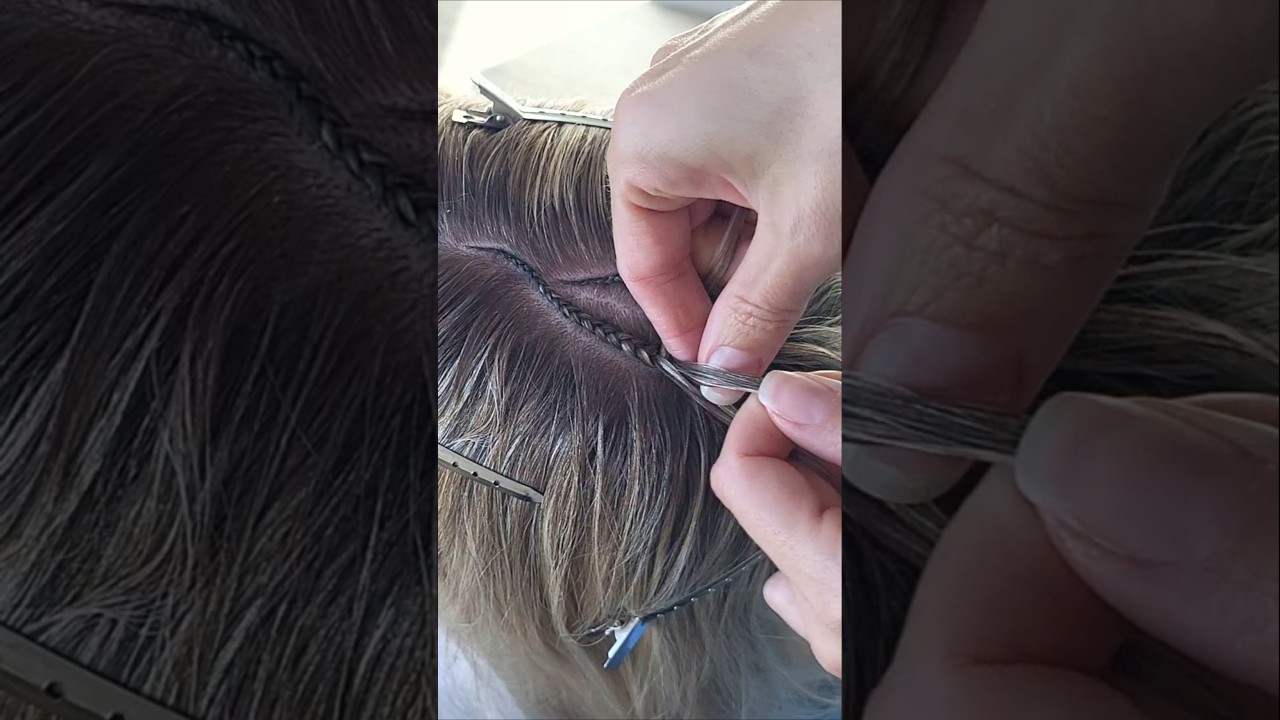
Once the section is prepared, the braider starts at the base and divides the hair into three strands. As the braid moves forward, small amounts of hair are added into the braid from the section. This is what attaches the braid to the scalp.
The tension must be controlled throughout the process. The braid should feel secure, but it should not feel painful. Good cornrows sit close to the scalp, follow the parting cleanly, and keep a consistent shape from start to finish.
The ends can be braided down, sealed, curled, beaded, tucked, or connected into another style. The finishing method depends on the client’s hair length, braid type, extension use, and desired final look.
Cornrows vs. Feed-In Braids
Cornrows and feed-in braids are closely connected, but they are not exactly the same. Cornrows describe the basic scalp-braiding technique. Feed-in braids describe a method where extension hair is gradually added into the braid to create length, thickness, and a smoother transition.
Traditional cornrows may be created with the client’s natural hair only. Feed-in cornrows use added hair in small amounts as the braid progresses. This helps the braid look more natural at the root and fuller toward the length.
Feed-in techniques are especially popular for long straight-back braids, ponytail braids, stitch braids, goddess braids, and decorative cornrow styles. They allow the braider to build size without creating a bulky start.
The best choice depends on the desired look. Natural cornrows can feel light and simple. Feed-in braids can create more length, volume, polish, and styling options.
Cornrows vs. Dutch Braids
Cornrows and Dutch braids can look similar because both create a raised braid. The difference is usually in scale, sectioning, cultural context, and how close the braid sits to the scalp.
Cornrows are typically smaller, tighter to the scalp, and created in rows or patterns. They are often used as protective styles and can last longer when installed correctly.
Dutch braids are usually larger, looser, and often used as temporary styles on many hair types. They are created by crossing sections under the middle strand, which makes the braid sit on top of the hair. Dutch braids often follow larger sections, such as one braid down the center or two braids on each side.
Both techniques are valuable, but cornrows require a specific level of scalp-braiding precision, parting control, and tension awareness, especially on textured hair.
Common Types of Cornrows
Straight-back cornrows are one of the most classic versions. The braids move from the front hairline toward the nape in clean parallel rows. This style is practical, timeless, and widely used for both natural hair and extension braids.
Curved cornrows follow rounded or wave-like parting. They create movement and soften the design. Curved patterns are common in kids’ styles, creative braid designs, and salon work.
Stitch cornrows use very clean horizontal or vertical parting details that create a stitched visual effect. This version looks sharp, technical, and modern.
Feed-in cornrows use added hair gradually for a fuller braid with a smoother root. They are popular for longer braid styles, ponytails, buns, and statement looks.
Cornrows with beads add movement and decoration, especially at the ends. This is common in kids’ styles, Fulani-inspired designs, and creative protective looks.
Cornrows into a bun or ponytail direct the braids toward a central point. This creates a lifted, controlled style that can be elegant, sporty, or protective.
Creative cornrow designs use parting, braid direction, size variation, and accessories to build custom patterns such as hearts, stars, zigzags, swirls, or geometric lines.
Cornrows with Natural Hair
Cornrows can be created with natural hair only. This version is lightweight, practical, and often used as a protective style. It can work on many textures, especially curly, coily, and kinky hair.
Natural hair cornrows are useful because they keep the hair organized and reduce daily manipulation. They can be worn as a finished style or used as a base under wigs, crochet braids, sew-ins, or other protective installations.
The hair should be properly prepared before braiding. Cleansing, conditioning, detangling, and moisturizing help the style look cleaner and make the takedown safer. Some clients prefer the hair stretched before cornrowing, while others braid on natural texture.
The braids should never be painfully tight. Natural hair can be protected by cornrows, but only when the tension, part size, and wear time are appropriate.
Cornrows with Extensions
Extensions can be added to cornrows for length, thickness, color, and durability. Synthetic braiding hair is commonly used because it is available in many colors and textures.
Feed-in cornrows are one of the most popular extension-based versions. The braider adds small pieces of hair gradually, creating a natural-looking start and a fuller braid through the length.
Extensions can also create color without dye. Blonde, brown, copper, burgundy, ombré, pink, blue, purple, or mixed shades can be added into the cornrows for a temporary color effect.
Weight must be controlled carefully. Adding too much hair to a small section can create tension and stress the scalp. A professional braider should match the amount of extension hair to the client’s natural density and scalp comfort.
Cornrows for Kids
Cornrows are a classic choice for kids because they keep hair neat, controlled, and easy to manage. They can work for school, play, sports, holidays, performances, and special events.
Kids’ cornrows can be simple or creative. Straight-back braids, curved parts, heart designs, ponytail cornrows, beads, bows, colorful elastics, and small accent braids are all common options.
Comfort is the most important rule. Children’s scalps can be sensitive, and the hairline, temples, and nape should be handled gently. The braids should not be too tight, and heavy extensions or heavy bead stacks should be used carefully.
A good kids’ cornrow style should be secure enough to last, but soft enough to protect the child’s hair and scalp.
Cornrows for Men
Cornrows are widely worn in men’s hairstyling. They can be simple, athletic, creative, or highly detailed. Men’s cornrows may be straight back, zigzagged, curved, patterned, or combined with fades, undercuts, designs, or longer natural hair.
The style is popular because it keeps hair controlled while creating a clean visual pattern. It can work for natural hair, longer textured hair, and some mixed-texture hair types.
Men’s cornrows often focus heavily on parting and braid direction. Clean lines make the style look sharp, especially when paired with a fresh shape-up or haircut. However, the braids should still be comfortable and should not pull too tightly at the hairline.
Depending on hair length, density, and maintenance, men’s cornrows may last from several days to a few weeks.
Cornrows for Protective Styling
Cornrows are often considered protective because they reduce daily manipulation and help keep the hair organized. They can protect the hair from frequent brushing, heat styling, and friction when worn and maintained properly.
However, a style is only protective if it is installed correctly. Tight braids, heavy extensions, too-small sections, or long wear without scalp care can cause damage instead of protection.
Protective cornrows should respect the client’s hair density, edges, scalp sensitivity, and lifestyle. The part size should be appropriate, the tension should be controlled, and the style should not be left in for too long.
After takedown, the hair should be detangled gently before washing. Shed hair needs to be removed carefully to prevent matting and breakage.
Professional Technique Details
A clean cornrow style requires precision. Parting should be clear and consistent. The braid direction should follow the planned design. The size of each braid should match the size of the section.
Hand position is important. The braider must keep control of the strands while adding hair evenly into the braid. If the sections are added unevenly, the braid may look lumpy, loose, or inconsistent.
Tension control is one of the most important professional skills. Cornrows should be close to the scalp, but not painfully tight. Redness, bumps, headaches, or soreness are signs that the style may be too tight.
The hairline should be treated with extra care. A professional braider should avoid forcing fragile baby hairs, thinning areas, or sensitive edges into tight braids.
The finish matters too. Ends should be neat, balanced, and appropriate for the style. Beads, cuffs, curls, sealed ends, or tucked ends should be added without creating weight or discomfort.
Maintenance and Wear
Cornrow wear time depends on hair texture, braid size, extension use, scalp condition, and lifestyle. Larger cornrows may last a shorter time, while smaller or extension-supported cornrows may hold longer.
At night, the style should be protected with a satin or silk scarf, bonnet, or pillowcase. This helps reduce frizz and preserve the braid pattern.
The scalp should stay clean and comfortable. Lightweight scalp products can be used if needed, but heavy buildup should be avoided. Too much oil, gel, or product can attract dirt and make the braids look older.
Clients should avoid scratching the scalp aggressively or pulling the braids into tight ponytails. If the braids become painful, itchy, too tight, or heavy, they should be adjusted or removed.
Removal should be gentle. The braids should be taken down slowly, and shed hair should be detangled carefully before washing.
Styling Options
Cornrows can be styled in many ways. They can be worn straight back, parted to the side, curved into patterns, braided into a ponytail, shaped into a bun, decorated with beads, or combined with loose curls.
Cornrows can also be used as a foundation. They can support crochet styles, wigs, sew-ins, ponytail extensions, and loc-inspired installations. In these cases, the cornrows may not be fully visible, but they are still essential to the final style.
Accessories can change the look. Beads add movement. Cuffs add shine. Cowrie shells add cultural or natural detail. Thread adds color and texture. Hair jewelry can make the style more editorial or event-ready.
The best design depends on the client’s comfort, hair type, desired wear time, and style goal.
Cornrows in Modern Beauty Culture
Cornrows remain central to modern braiding because they are both foundational and creative. Many advanced braid styles are built from cornrow technique. Feed-in braids, stitch braids, lemonade braids, Ghana braids, tribal braids, braided ponytails, and creative scalp designs all depend on strong cornrow skills.
In beauty content, cornrows are highly visual. The parting, braid direction, and scalp pattern show clearly in photos and videos. This makes the style popular in tutorials, transformations, editorial shoots, and inspiration galleries.
In salons, cornrows are a core professional service. A clean cornrow set shows control, tension awareness, speed, parting accuracy, and respect for the client’s hair health.
Cornrows continue to evolve through new patterns, colors, accessories, and styling combinations, but the technique remains one of the strongest foundations in braiding.
Why Cornrows Matter
Cornrows matter because they combine history, function, beauty, and technical skill. They are protective when done correctly, expressive when designed creatively, and deeply connected to African and African diaspora hair culture.
For clients, cornrows offer control, longevity, style, and versatility. For braiders, they are a foundational technique that supports countless other styles.
When done well, cornrows look clean, comfortable, balanced, and intentional. They can be simple or complex, traditional or modern, everyday or editorial. That range is what makes cornrows one of the most important braid styles in the beauty industry.