
Corset Braids: Lace-Up Braid Styling With Structure, Drama, and Custom Detail
Corset braids are decorative braid styles that use a lace-up effect between two braids or across a braided section. The name comes from the visual similarity to a corset, where ribbon, thread, cord, or another material is woven back and forth to create a crisscross pattern. The result is a structured, eye-catching hairstyle with strong visual detail.
This style is not defined by one single braid technique. Corset braids can be built with Dutch braids, French braids, cornrows, feed-in braids, box braids, ponytail braids, or accent braids. The corset effect comes from the lacing, not only from the braid itself. Two parallel braids often act as the “sides” of the corset, while the ribbon or cord connects them through the center.
Corset braids are popular because they instantly turn a simple braid design into something more creative. They can look sporty, playful, romantic, fantasy-inspired, festival-ready, or editorial depending on the braid type, ribbon color, spacing, and finish.
What Are Corset Braids?
Corset braids are braids decorated with a lace-up pattern. The lacing may run between two braids, across the top of a ponytail, through a mohawk-style braid, around a bun, or along selected accent sections. The material is usually woven through the braids in a repeated crisscross pattern, creating the look of a tied corset.
The base braids can be created with natural hair only or with extensions. The lacing material can be ribbon, satin cord, leather cord, yarn, thread, metallic string, shoelace-style cord, or even small pieces of synthetic hair. The choice of material changes the mood of the style.
A thin black ribbon can make the look sharper and more fashion-focused. A satin ribbon can make it softer and more romantic. Neon cord can make it festival-ready. Metallic thread can make it editorial. Soft pastel ribbon can make it perfect for kids’ hairstyles or fantasy-inspired looks.
The main feature is the visible laced connection. Without that lace-up detail, the style may simply be two braids or a braided design. The corset effect is what gives the hairstyle its name.
Why Corset Braids Stand Out
Corset braids stand out because they create contrast. The braids provide texture and structure, while the lacing adds a second visual layer. This makes the hairstyle look more dimensional than a standard braid.
The crisscross pattern also draws the eye. It creates rhythm, symmetry, and movement across the hairstyle. Even if the braid base is simple, the lacing makes the final look feel more designed and intentional.
Corset braids are also highly customizable. A stylist can change the width of the lacing, the spacing between the braids, the ribbon color, the braid size, and the placement of the corset detail. This allows the same basic idea to look completely different from one client to another.
That flexibility is why corset braids are often used in creative styling. They work well when the goal is a hairstyle that feels special without needing a full-head complex braid installation.
Common Types of Corset Braids
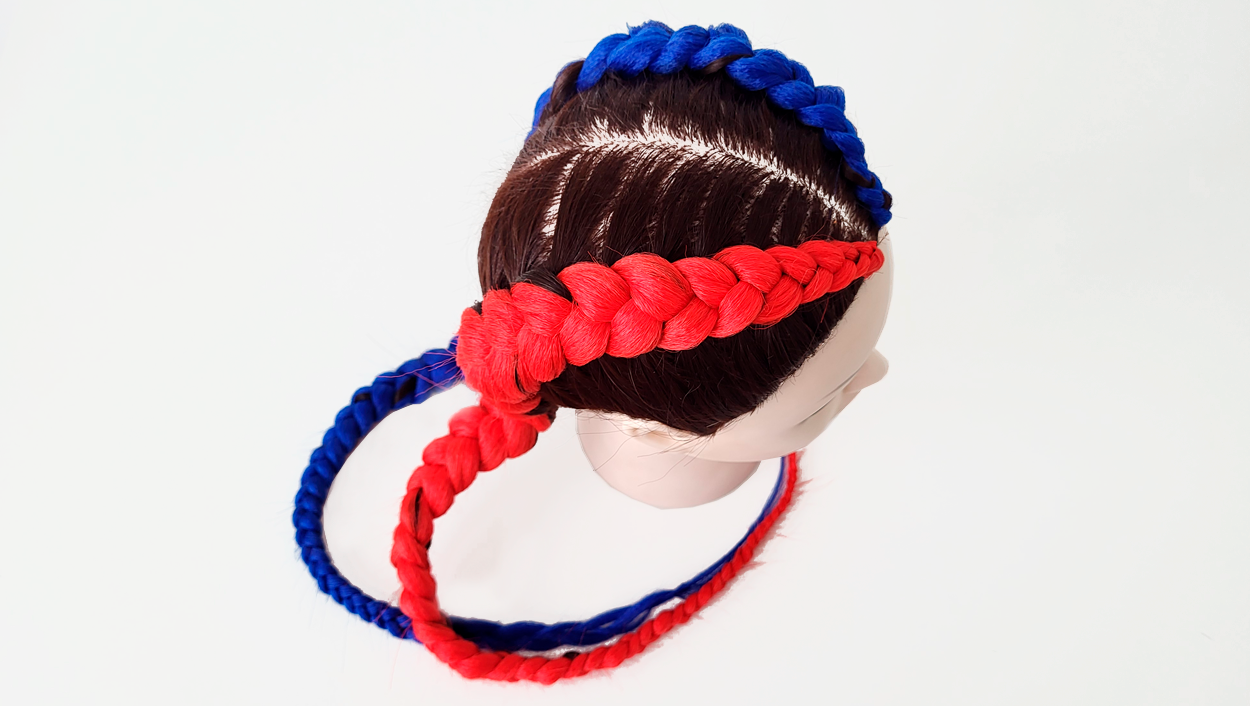
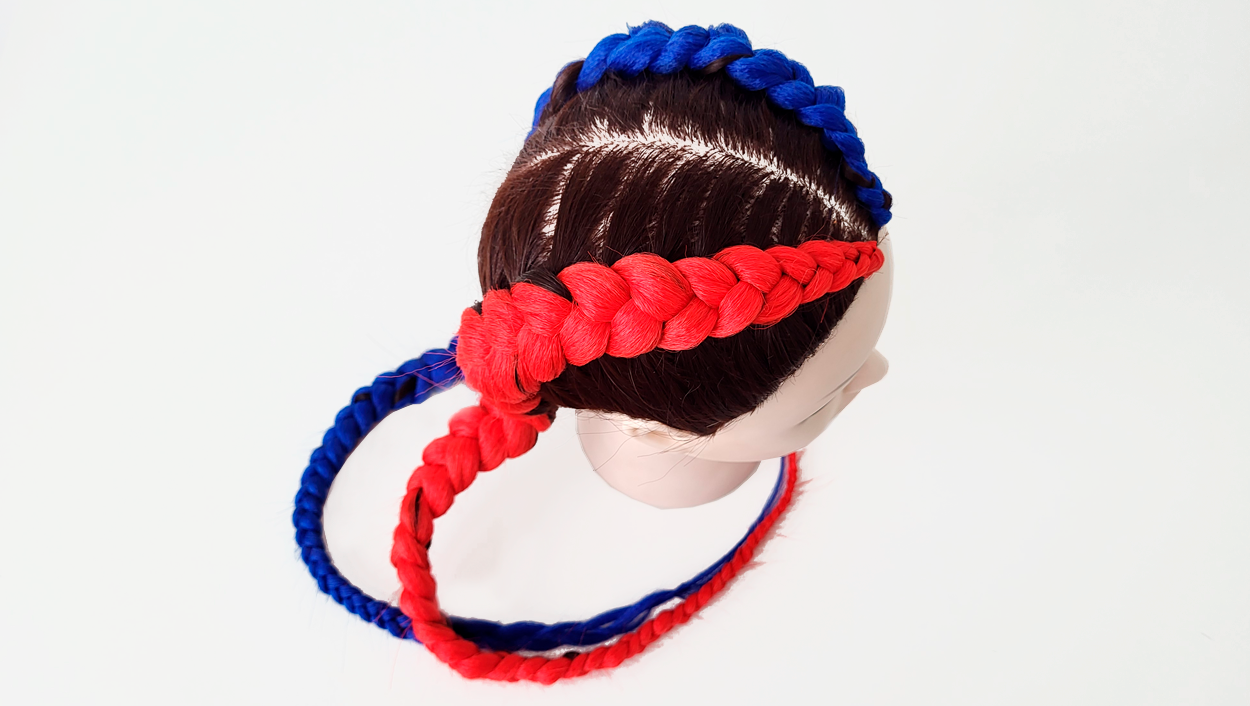
A double Dutch corset braid is one of the most common versions. Two Dutch braids are created parallel to each other, and ribbon is laced between them. The raised braid texture makes the lacing easy to see.
A cornrow corset braid uses scalp braids as the base. Two or more cornrows can be connected with ribbon or thread. This version can look clean, technical, and protective when installed with proper tension.
A ponytail corset braid uses lacing through or around a ponytail braid. The lacing may run down the length of the braid or wrap around sections for a more sculpted effect.
A mohawk corset braid places the lacing through the center of a braided mohawk or between side braids. This creates a bold, dramatic shape with strong editorial energy.
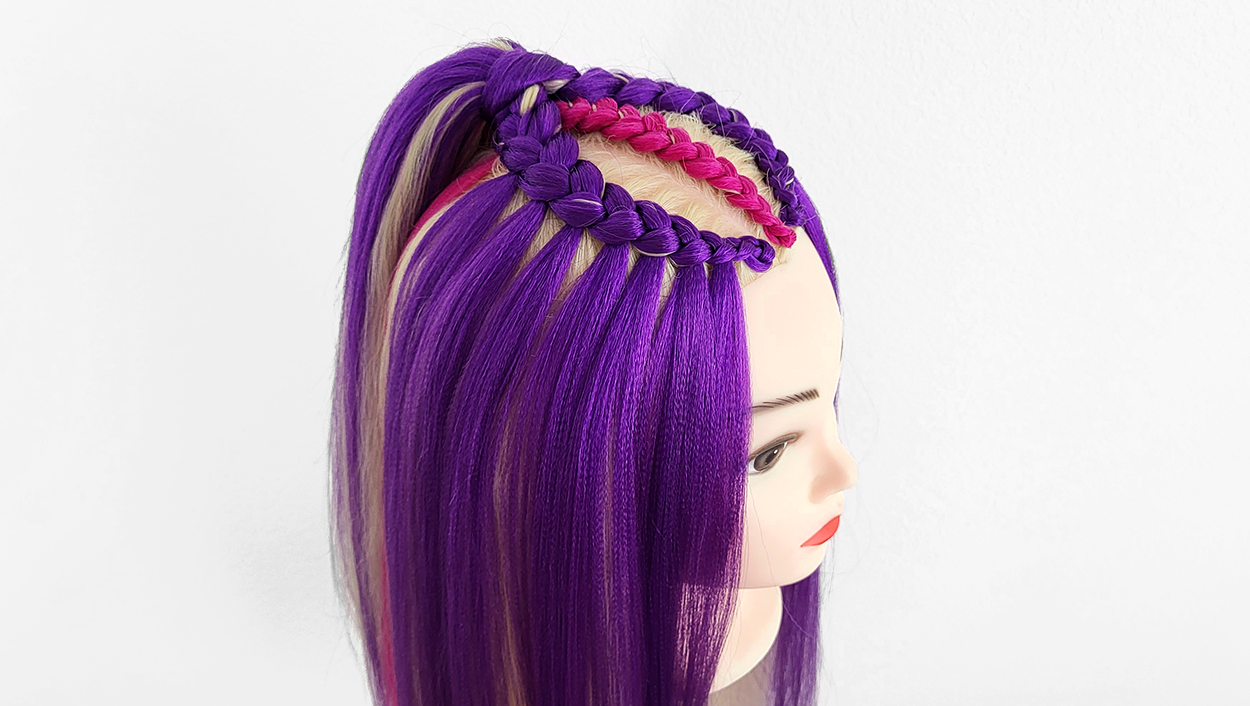
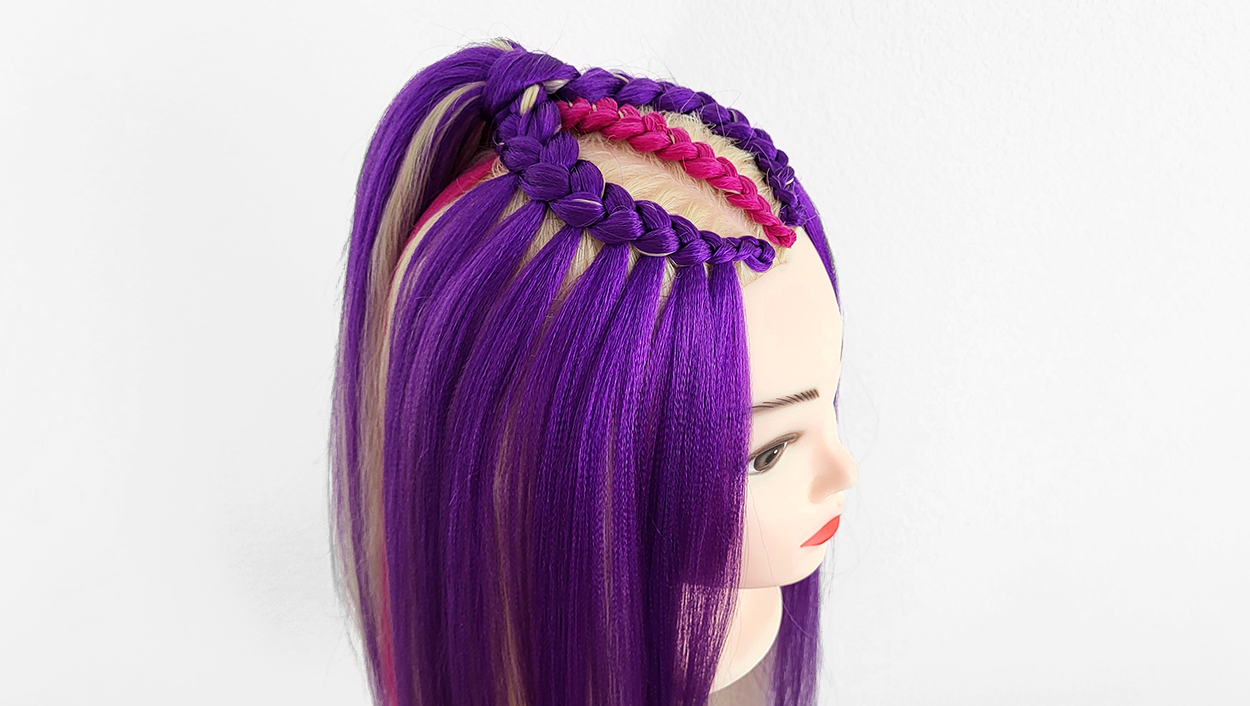
A half-up corset braid uses the top section of the hair while the rest stays loose. This version works well with waves, curls, festival hair, and soft beauty styling.
A kids’ corset braid often uses colorful ribbon, bows, or playful elastic details. It can be created with two braids, pigtails, or a ponytail base.
Corset Braids with Natural Hair
Corset braids can be created with natural hair only. The stylist first creates the braid foundation, then laces ribbon or cord through the braid structure. This version works well when the hair has enough length and density to hold the braid shape.
On straight or wavy hair, corset braids can look smooth and graphic. On curly or coily hair, the style may look fuller and more textured. If the client wants a very clean laced pattern, the hair may be stretched or smoothed before braiding. If the goal is a softer, more natural finish, texture can remain visible.
Natural-hair corset braids are often used for temporary styling. They can be worn for events, school, sports, dance, festivals, photo content, or creative everyday looks.
The braid should not be too tight. The lacing should add detail, not extra tension. If the ribbon is pulled too hard, it can tighten the braids and cause discomfort.
Corset Braids with Extensions
Extensions can make corset braids larger, longer, and more dramatic. Synthetic braiding hair can be added to the base braids to create more length and volume. This is especially useful when the client wants a bold corset braid ponytail, feed-in corset braid, or festival style.
Extensions can also add color. The braid base may be natural while the lacing adds contrast, or the extensions and lacing can be coordinated for a full color story. For example, blonde feed-in braids with black ribbon create a sharp contrast, while pink braids with white ribbon create a softer, playful effect.
Added hair should be balanced carefully. Corset braids already include an extra design element, so the style can become visually heavy if the braid base is too large or the lacing is too thick.
The goal is proportion. The braid, lacing, and head shape should work together.
Best Materials for the Corset Effect
Ribbon is the most common material for corset braids. Satin ribbon creates a smooth, shiny finish and works well for romantic, kids’, bridal-inspired, or festival looks.
Cotton ribbon creates a softer matte effect. It can feel more casual and less slippery than satin.
Leather cord or faux leather cord creates an edgier finish. It works well for mohawk-inspired corset braids, editorial looks, and darker fashion styling.
Yarn or thread creates a softer handmade effect. It can work well with boho braids, kids’ styles, and textured looks.
Metallic cord or metallic thread adds shine. Gold, silver, bronze, or rose-gold details can make the style feel more elevated.
Synthetic hair can also be used as the lacing material. This creates a more blended effect because the “ribbon” looks like hair, but it requires careful control to keep the crisscross pattern visible.
Placement Options
Placement changes the entire mood of corset braids. The most classic placement is between two parallel braids. This creates the clearest corset effect and works well on the top, back, or sides of the head.
A center placement creates a strong focal point. The lacing runs down the middle of the head or through the center of a hairstyle. This version is bold and symmetrical.
Side placement creates a softer or more editorial effect. The laced detail sits on one side, making the style feel more asymmetrical and fashion-forward.
Ponytail placement makes the lacing part of the length. Ribbon can be threaded down a long braid or wrapped between sections of a ponytail.
Bun placement uses lacing around or near a braided bun. This creates a decorative updo effect and can work for events or creative styling.
Face-framing placement uses smaller corset details near the front. This can be delicate, playful, or Y2K-inspired depending on the material used.
Corset Braids for Kids
Corset braids are very popular in kids’ hairstyles because they look fun, colorful, and special. They can be created with Dutch braids, cornrows, pigtails, ponytails, or half-up styles.
Kids’ corset braids often use bright ribbons, pastel colors, bows, glitter parts, or colorful elastics. The style can be made for birthdays, school events, dance, holidays, photo shoots, or everyday fun.
Comfort is the main priority. The braids should not be tight, and the ribbon should not be pulled with too much tension. The lacing should sit on top of the hairstyle and decorate it, not squeeze it.
The material should be soft and lightweight. Heavy cords, sharp accessories, or rough thread should be avoided for children. A good kids’ corset braid should feel secure, cute, and comfortable.
Corset Braids for Adults
For adults, corset braids can look sporty, edgy, romantic, fantasy-inspired, or editorial. The style is often used for festivals, concerts, photoshoots, workouts, themed events, and creative beauty content.
A sleek black ribbon through two Dutch braids can create a strong fashion look. A satin ribbon through a half-up braid can feel soft and feminine. Metallic cord through a braided ponytail can feel polished and high-impact. Leather cord through a braided mohawk can feel bold and rebellious.
Adults often use corset braids when they want something more detailed than a standard braid but less permanent than a full protective installation. The lacing can be changed, removed, or replaced without redoing the entire braid base.
The final mood depends on color, material, braid size, and finish.
Corset Braids in Festival and Editorial Styling
Corset braids are especially popular in festival and editorial styling because they photograph well. The lacing creates a clear pattern that is easy to see in photos and videos. It also adds color and movement without needing heavy hair jewelry.
For festival styles, corset braids may include bright ribbon, glitter, neon cord, colored extensions, face-framing pieces, or loose waves. The style can feel playful and expressive.
For editorial styling, the lacing may be more graphic. Black, white, metallic, or monochrome materials can create a stronger visual statement. The braids may be oversized, sculpted, or placed in unusual directions.
In both cases, the design should stay balanced. The lacing should support the hairstyle, not overpower the braid work.
Professional Technique Details
A clean corset braid starts with a strong braid foundation. The braids should be even, secure, and placed intentionally. If the two base braids are uneven, the corset lacing will also look uneven.
Spacing is important. The distance between the braids determines how wide the corset effect will be. If the braids are too close together, the lacing may look crowded. If they are too far apart, the ribbon may sag or lose structure.
The lacing should be threaded with even tension. Each crisscross should sit neatly and match the spacing of the others. Pulling one section tighter than the next can distort the braid shape.
The ends of the ribbon or cord should be finished cleanly. They can be tied into a bow, tucked under the braid, secured with a small elastic, or left as decorative tails depending on the look.
The stylist should always check comfort after lacing. Sometimes the braid feels fine before the ribbon is added, but the lacing can tighten the style. The finished look should be secure but not painful.
Maintenance and Wear
Corset braids are often temporary styles. Some versions last one day, while more structured cornrow or feed-in versions may last longer with proper care. Wear time depends on the braid base, hair texture, product use, and the lacing material.
At night, the style can be protected with a satin or silk scarf or pillowcase. If the ribbon or cord is bulky, the wearer should position the hair carefully to avoid pressure during sleep.
The lacing material can loosen with movement, especially if it is satin or another slippery material. If the ribbon shifts, it can be gently adjusted.
Removal should be careful. The ribbon or cord should be unlaced before the braids are taken down. Pulling it out too quickly can create frizz, snag the hair, or tighten knots.
If the style feels tight, causes scalp soreness, or pulls at the hairline, the lacing should be loosened or removed.
Styling Options
Corset braids can be styled in many ways. Two Dutch braids with ribbon create a classic corset braid. Cornrows with thread create a cleaner protective-style version. A long braided ponytail with lacing creates a dramatic statement. A braided bun with corset details can feel formal or editorial.
The lacing material can match the outfit, contrast with the hair, or coordinate with accessories. Black ribbon creates drama. White ribbon feels clean and soft. Red ribbon feels bold. Metallic cord feels polished. Neon cord feels playful.
Corset braids can also be combined with curls, waves, beads, cuffs, glitter, bows, or hair rings. The best result usually comes from choosing one strong detail and letting it lead the design.
Corset Braids in Modern Beauty Culture
Corset braids fit modern beauty culture because they are highly visual, customizable, and content-friendly. The lace-up pattern is easy to recognize, and the style looks strong in tutorials, photos, reels, and inspiration galleries.
The style also reflects the current interest in braid hybrids. Many clients want hairstyles that combine braiding with accessories, fashion details, and temporary customization. Corset braids meet that demand because the technique can be simple or elaborate.
For stylists, corset braids show control and creativity. The braid base must be clean, and the lacing must be balanced. The style may look playful, but a polished corset braid requires planning, symmetry, tension control, and finishing skill.
Why Corset Braids Matter
Corset braids matter because they show how braiding can interact with fashion design. The braid becomes the structure, and the lacing becomes the styling detail. Together, they create a hairstyle that feels dimensional and intentional.
For clients, corset braids offer a temporary way to add color, drama, and personality. For stylists, they are a creative tool that can transform simple braids into a custom look.
When done well, corset braids look balanced, comfortable, and visually striking. They prove that one extra design layer can completely change the energy of a braided hairstyle.