
Crochet Braids: The Protective Install Method Built for Speed, Volume, and Style Flexibility
Crochet braids are a protective hairstyle created by attaching extension hair to a braided foundation with a crochet hook or latch hook. The natural hair is usually cornrowed first, then pre-made braids, twists, locs, curls, waves, or loose textured hair are looped through the cornrows and secured. The result can look like a full braid installation, a curly protective style, faux locs, passion twists, box braids, or a natural-textured hairstyle depending on the hair used.
The name can be slightly confusing because crochet braids are not always “braids” in the traditional sense. The word “crochet” describes the installation method. The finished style may be curly hair, locs, twists, waves, or individual-looking braids. What connects all versions is the technique: extension hair is crocheted into a cornrow or braid base.
Crochet braids are popular because they are faster than many individual braid installations, highly versatile, and useful for protective styling. They allow the wearer to try different textures, lengths, colors, and finishes without leaving the natural hair fully exposed. For stylists, crochet work is a practical service that combines foundation braiding, extension placement, blending, and styling.
What Are Crochet Braids?
Crochet braids are extension-based protective styles installed with a crochet tool. The stylist first creates a foundation, usually cornrows, flat twists, or small individual braids. Then the extension hair is pulled through the foundation with the crochet hook and secured with a loop or knot.
The finished look depends entirely on the extension hair. Pre-looped crochet braids can create the appearance of box braids or twists. Crochet locs can create faux locs, butterfly locs, soft locs, or goddess locs. Curly crochet hair can create a voluminous natural curl look. Loose wave hair can create a softer boho or vacation style.
Because crochet braids are installed onto a hidden base, the style can give the appearance of a full head of hair or individual braids while reducing the time required for installation. The method is especially useful when the client wants volume, texture, or length without sitting for a very long individual braid service.
How Crochet Braids Are Installed
A crochet braid installation begins with hair preparation. The natural hair should be cleansed, conditioned, detangled, and moisturized before the foundation is braided. This step matters because the natural hair will be tucked away for the full wear period.
Next, the stylist creates the cornrow pattern. The foundation pattern depends on the final style. For curly crochet hair, straight-back or beehive cornrows may be used to create even coverage. For side parts or middle parts, the cornrows must be arranged to support the parting. For individual-looking crochet styles, the front and perimeter may require smaller sections for a more natural finish.
After the base is complete, the stylist uses a crochet hook to pull the extension hair through the cornrow. The loop is opened, the hair is pulled through, and the extension is secured. Some crochet hair comes pre-looped, which makes installation faster. Loose hair may require more careful knotting and blending.
The style is then shaped, trimmed, fluffed, separated, or arranged depending on the texture. A clean crochet installation should cover the foundation, feel secure, and look balanced from every angle.
Crochet Braids vs. Traditional Braids
Traditional braids are created by physically braiding the client’s hair with or without extensions. Box braids, knotless braids, feed-in braids, and cornrows all require the braider to build each braid by hand.
Crochet braids use a different system. The natural hair is braided into a base first, and the extension hair is attached afterward. This often makes the service faster, especially when pre-made crochet braids, twists, or locs are used.
Traditional individual braids may offer more natural movement at the root because each braid has its own base. Crochet styles may have a fuller or more uniform look because the extensions are attached to cornrows underneath. However, individual crochet methods can create a more natural appearance around the front or parting area.
Neither method is automatically better. The choice depends on the client’s desired look, time, budget, hair condition, scalp sensitivity, and maintenance expectations.
Common Types of Crochet Braids
Curly crochet braids use curly or coily extension hair to create a full natural-textured look. This version can imitate twist-outs, braid-outs, afro curls, deep waves, or defined ringlets.
Crochet box braids use pre-made box braid extensions attached to the cornrow base. This gives the appearance of box braids with a shorter installation time.
Crochet twists use pre-twisted extension hair, such as Senegalese twists, passion twists, spring twists, or Marley twists. They are popular for clients who want a lightweight twist look.
Crochet faux locs use pre-made loc extensions, including soft locs, butterfly locs, goddess locs, boho locs, or distressed locs.
Crochet waves use loose wavy or beach-wave hair for a softer, flowy finish. This style is common for vacations, boho looks, and everyday volume.
Individual crochet braids use small individual braid bases, usually around the perimeter or full head, to make crochet extensions look more natural and flexible.
Crochet Braids with Curly Hair
Curly crochet braids are one of the most popular versions of the technique. They create volume quickly and can imitate many natural curl patterns. The hair may be tight and coily, soft and curly, fluffy and afro-textured, or long and wavy.
This version is useful for clients who want a natural-looking protective style without manipulating their own hair daily. The natural hair is braided underneath, while the crochet curls create the visible shape.
The installation must be balanced. Too much crochet hair can make the style bulky, hot, or heavy. Too little hair can expose the cornrow foundation. A professional stylist places the hair strategically to create fullness without overloading the scalp.
Curly crochet hair may need separating, trimming, and shaping after installation. The final shape should frame the face and feel intentional, not simply packed onto the head.
Crochet Box Braids and Twists
Crochet box braids and twists are created with pre-made braid or twist extensions. This method can reduce installation time compared with traditional individual braids or twists.
The final look can be neat and consistent because the extensions are already formed. Crochet box braids may come in different lengths, sizes, colors, and textures. Crochet twists can include passion twists, spring twists, Marley twists, rope twists, and Senegalese-style twists.
The root appearance depends on the foundation. A standard cornrow base may look less individual at the scalp, especially if the hair is parted often. Individual crochet installation around the perimeter can create a more natural look and allow more styling flexibility.
This version works well for clients who want the look of braids or twists but need a faster service.
Crochet Locs
Crochet locs are pre-made loc extensions attached with a crochet method. They can create faux locs, butterfly locs, soft locs, goddess locs, boho locs, or distressed loc styles.
This method is popular because hand-wrapped faux locs can take many hours. Crochet locs make the style more accessible by using pre-formed loc extensions. The stylist still needs to create a clean foundation and place the locs carefully so the finished look feels natural and balanced.
Some crochet loc styles are installed over cornrows. Others use individual crochet bases, where the client’s natural hair is braided or twisted in small sections and the crochet loc is looped through the base. Individual crochet locs usually create more movement and a more natural root appearance.
The quality of the loc hair matters. Good crochet locs should feel flexible, not overly stiff or rough. They should also be lightweight enough for comfortable wear.
Foundation Patterns for Crochet Braids
The foundation is one of the most important parts of crochet braids. Even though it is often hidden, it controls comfort, coverage, parting, volume, and how the style falls.
Straight-back cornrows are common because they are simple and secure. They work well for many curly, wavy, and loc crochet styles.
A beehive braid pattern curves around the head and can help create more even coverage for full curly crochet styles.
A middle-part foundation allows the crochet hair to fall naturally around a center part. A side-part foundation supports a side-swept style.
Individual perimeter braids can make the hairline look more natural. This technique is often used when the client wants to pull the hair up or wear more flexible parting.
The foundation should be flat, secure, and comfortable. Bulky cornrows can make the crochet style look uneven. Tight cornrows can create scalp pain or tension.
Hair Used for Crochet Braids
Crochet hair comes in many forms. Pre-looped hair is already prepared with a loop, which makes installation faster. Loose crochet hair may need more careful handling and knotting.
Synthetic hair is most common because it is affordable, lightweight in many textures, and available in many styles. It can come as curls, waves, braids, twists, locs, or textured bulk hair.
Human hair can be used for certain crochet styles, especially when the client wants a softer, more natural movement. However, it is usually more expensive and may require more maintenance.
The texture should match the desired finish. Water wave hair creates soft movement. Kinky curly hair creates a natural-textured look. Marley hair creates a fuller afro-textured style. Pre-made braids and twists create a more structured finish.
The hair choice determines the final look, wear experience, and maintenance routine.
Why Crochet Braids Became Popular
Crochet braids became popular because they offer major style variety with less installation time than many traditional methods. Clients can switch from curls to locs, from twists to braids, from short bobs to long waves, without changing their natural hair permanently.
The method also supports protective styling. The natural hair is tucked into a braided base, which reduces daily manipulation. This can be helpful for clients who want a break from heat styling, brushing, or constant restyling.
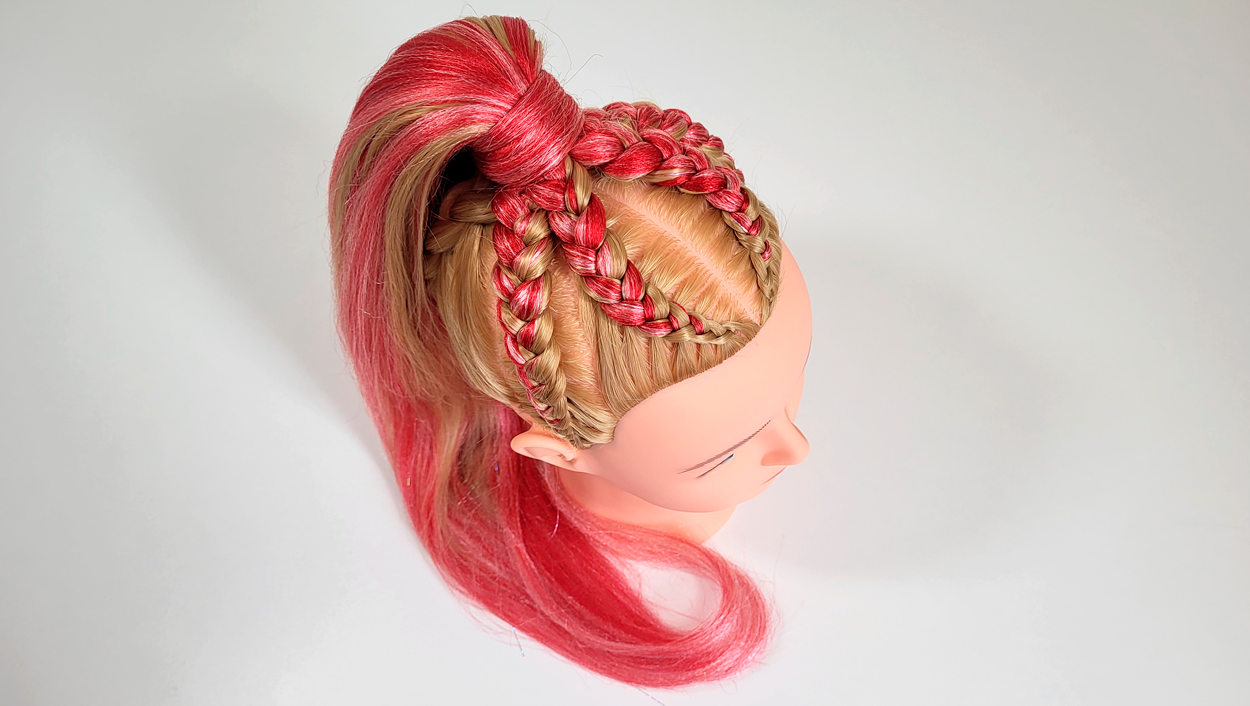
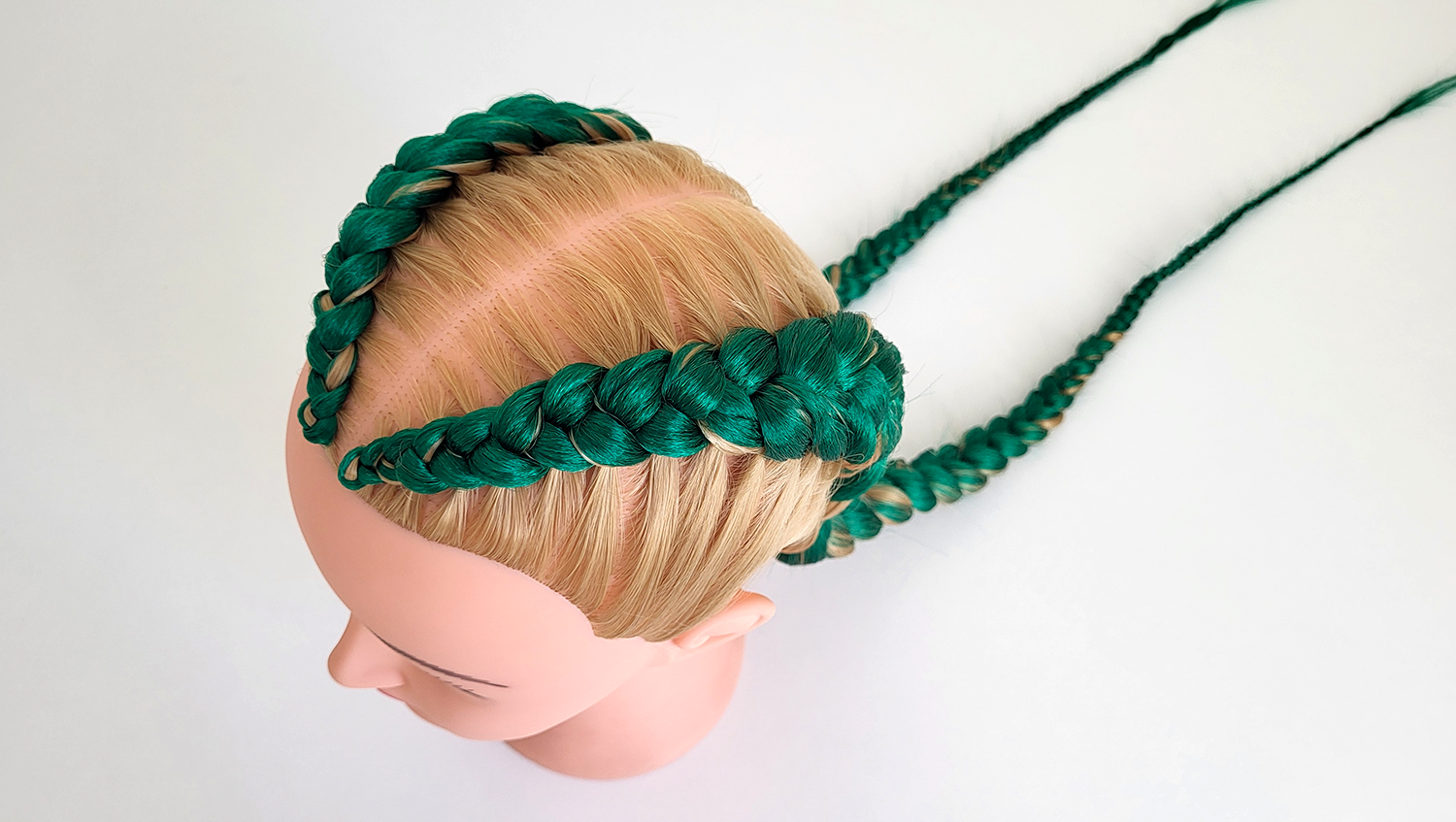
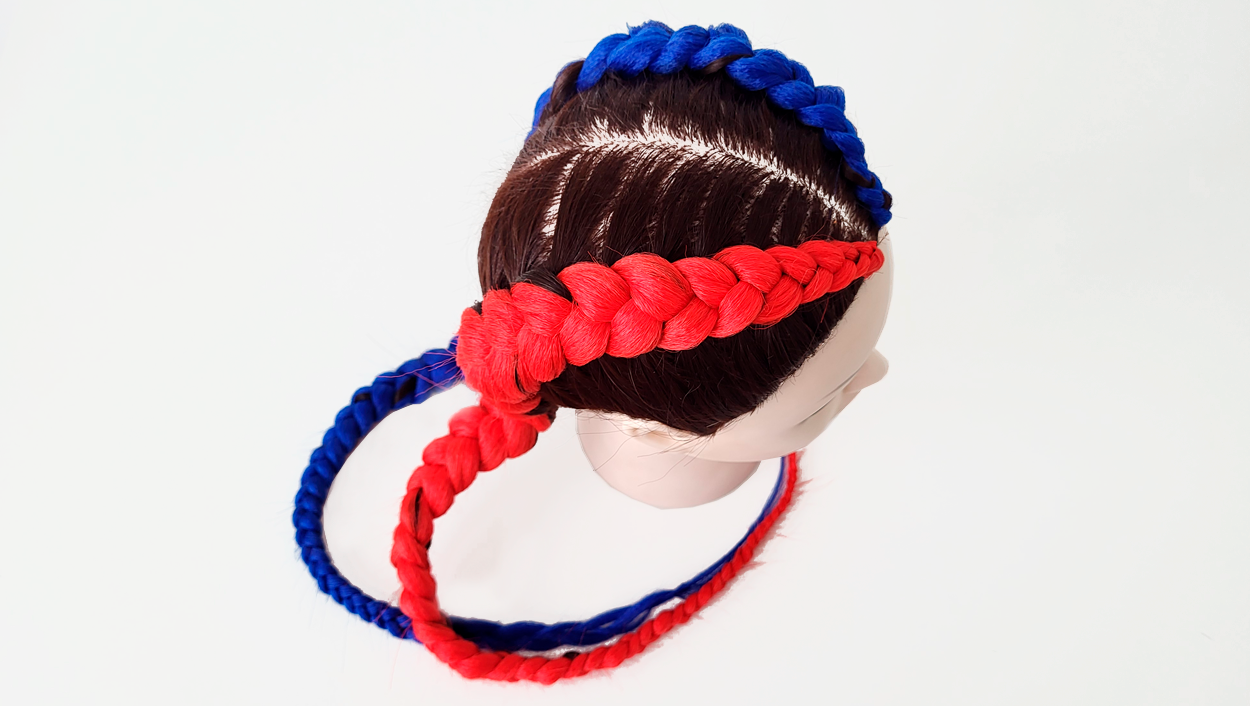
Crochet braids also allow creative color. Blonde, copper, burgundy, ombré, gray, pastel, or bright fashion colors can be installed without dyeing the natural hair.
Another reason for popularity is accessibility. Many crochet styles are faster, more affordable, and easier to refresh than full individual braid installations.
Who Are Crochet Braids Best For?
Crochet braids are best for clients who want a versatile protective style with many texture and length options. They are useful for people who want curls, twists, locs, or braids without committing to a long installation time.
This method can work for many hair types, especially when the natural hair can be braided into a secure foundation. It is often chosen by clients with curly, coily, kinky, natural, relaxed, or transitioning hair.
Crochet braids are also useful for clients who want temporary color, volume, or a new texture while keeping their own hair protected underneath.
However, the style should be customized. Clients with sensitive scalps, fragile edges, thinning areas, or recent breakage should avoid tight foundations and heavy crochet hair. The style should be protective in practice, not just in name.
Professional Technique Details
A professional crochet braid installation requires more than looping hair through cornrows. The stylist must plan the foundation, control the density, place the hair strategically, and shape the final look.
The cornrow base should match the final style. A part-heavy style needs a different foundation than a full curly style. A ponytail-friendly style needs perimeter planning. A loc style needs placement that supports natural movement.
Spacing matters. If crochet hair is placed too close together, the style can become too bulky and heavy. If it is spaced too far apart, the foundation may show. The stylist must balance fullness with comfort.
Knots should be secure but not rough. The crochet loop should not pull tightly on the natural hair. The extension should sit comfortably against the cornrow without creating pressure points.
After installation, shaping is essential. Curly crochet styles usually need trimming and blending. Locs and twists may need placement adjustments. Braids may need end checks and symmetry.
Maintenance and Wear
Crochet braids can last several weeks depending on the hair type, installation method, scalp care, and lifestyle. Curly crochet styles may require more maintenance because the hair can frizz, tangle, or lose shape over time. Crochet locs and twists may last longer with less daily styling.
At night, the style should be protected with a satin or silk scarf, bonnet, or pillowcase. Curly crochet hair may need to be loosely gathered or pineappled to preserve volume and reduce tangling.
The scalp should stay clean and comfortable. Lightweight scalp products may be used when needed, but heavy oils and creams can create buildup on the cornrow base.
The wearer should avoid excessive pulling, tight ponytails, and rough detangling. Crochet hair is attached to a foundation, so pulling on the extension can pull on the natural hair underneath.
Removal should be gentle. The crochet hair should be cut or unlooped carefully without cutting the natural hair or the cornrow base. After removal, the natural hair should be detangled slowly before washing.
Crochet Braids and Hair Health
Crochet braids can support hair health when installed and removed correctly. The natural hair is tucked away, which can reduce manipulation and help protect the ends.
However, crochet braids can cause problems if the foundation is too tight, the extensions are too heavy, the style is worn too long, or removal is rushed. A protective style should never cause scalp pain, bumps, breakage, or thinning edges.
The hair should be properly moisturized before installation. The scalp should be monitored during wear. The style should be removed before the natural hair begins to mat underneath.
After takedown, the hair often needs cleansing, conditioning, detangling, and a rest period before another long-term protective style.
Styling Options
Crochet braids can be styled in many ways depending on the hair used. Curly crochet hair can be shaped into a rounded afro, side part, middle part, half-up style, ponytail, or loose layered look. Crochet locs can be worn loose, half-up, in low ponytails, or in loose buns. Crochet twists can be styled similarly to traditional twists.
Accessories can add detail. Gold cuffs, beads, shells, thread, scarves, headbands, or hair jewelry can personalize the style.
Parting options depend on the foundation. A crochet style with a fixed cornrow base may have limited parting. A style installed with individual perimeter sections may offer more flexibility.
The best styling choices depend on the weight of the hair, the foundation pattern, and the wearer’s comfort.
Crochet Braids in Modern Beauty Culture
Crochet braids remain important in modern protective styling because they offer speed, variety, and creative freedom. They appear in salons, at-home styling, natural hair communities, vacation looks, editorial beauty, and social media tutorials.
The style is especially valuable because it allows fast transformation. A client can wear a curly look, a loc look, a twist look, or a braid look using the same basic installation concept.
In the beauty industry, crochet braids show that technique is not only about the visible hair. The hidden foundation, the placement strategy, the hair quality, and the final shaping all determine whether the style looks professional.
For stylists, crochet braids require planning, not just installation speed. A polished crochet style should look natural, feel comfortable, and support the client’s hair health.
Why Crochet Braids Matter
Crochet braids matter because they make protective styling more flexible and accessible. They give clients the ability to explore different textures, lengths, colors, and finishes while keeping the natural hair tucked away.
For clients, crochet braids offer variety and convenience. For stylists, they require foundation design, density control, extension placement, and finishing skill.
When done well, crochet braids look full, balanced, comfortable, and intentional. They prove that a protective style can be fast, creative, and highly customizable without sacrificing the health of the natural hair.