
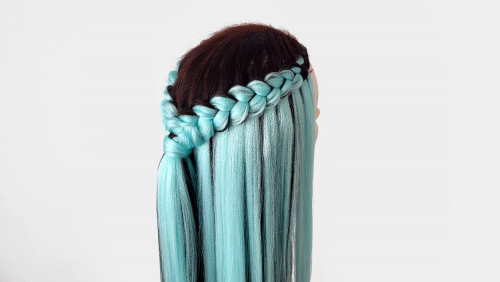
Crown Braids: A Regal Wrapped Braid Style With Shape, Elegance, and Timeless Detail
Crown braids are braid styles that wrap around the head to create the visual effect of a crown or halo. The braid usually follows the hairline, circles the head, or frames the top of the head in a continuous shape. The result is elegant, structured, and highly recognizable.
This hairstyle is known for its graceful silhouette. Unlike loose braids that fall down the back or shoulders, crown braids lift the hair upward and around the head. This gives the style a polished, face-framing finish while keeping the hair controlled and off the neck.
Crown braids can look soft and romantic, clean and formal, natural and protective, or bold and editorial. The style can be created with natural hair only, with added braiding hair, with cornrows, Dutch braids, French braids, individual braids, twists, or braided extensions. The final look depends on braid size, placement, texture, volume, accessories, and how the braid is pinned or connected.
What Are Crown Braids?
Crown braids are braids arranged around the head in a circular or semi-circular shape. The braid may be created as one continuous braid that moves around the head, or it may be created with two braids that meet and are pinned together to form a crown effect.
The style can sit close to the hairline, slightly behind the front section, across the top of the head, or lower around the nape. Some crown braids fully circle the head, while others create a partial crown or half-crown design.
The defining feature is the wrapped placement. The braid becomes the main frame of the hairstyle, creating the appearance of a braided crown.
Crown braids can be worn as a standalone style or combined with loose curls, a low bun, a braided updo, flowers, pearls, hair jewelry, ribbons, or decorative pins.
Crown Braids vs. Halo Braids
Crown braids and halo braids are closely related, and the terms are often used interchangeably. Both describe a braid that wraps around the head and creates a circular, crown-like effect.
A halo braid usually suggests a softer, rounder, more continuous look. It often sits around the head like a halo and may have a romantic or bohemian finish.
A crown braid can be broader as a category. It may be sleek, sculpted, formal, braided close to the scalp, created with two braids, or built into an updo. The crown effect may be full, partial, high, low, loose, or structured.
In real salon language, the best way to define the desired result is through reference photos, because many clients use “crown braid” and “halo braid” to describe similar looks.
Crown Braids vs. Milkmaid Braids
Crown braids are also sometimes compared with milkmaid braids. Milkmaid braids are usually created by making two loose braids and pinning them across the top of the head. They often sit more like a headband and have a soft, vintage-inspired appearance.
Crown braids tend to wrap more fully around the head and may be braided directly into the shape rather than pinned after braiding. They can look more integrated with the hairline and scalp.
Milkmaid braids often feel casual, rustic, or romantic. Crown braids can feel more structured, protective, bridal, cultural, or editorial depending on the technique.
Both styles use the idea of braids forming a head-framing shape, but crown braids usually have a stronger circular or regal silhouette.
Common Types of Crown Braids
A classic crown braid wraps around the head in one continuous braid or in two braids pinned together. It creates a balanced, elegant look and can be worn for casual or formal styling.
A Dutch crown braid uses an underhand braiding technique that makes the braid sit raised on top of the hair. This version creates strong texture and is very visible from all angles.
A French crown braid has a smoother, flatter effect because the braid is woven closer into the hair. It often looks softer and more blended.
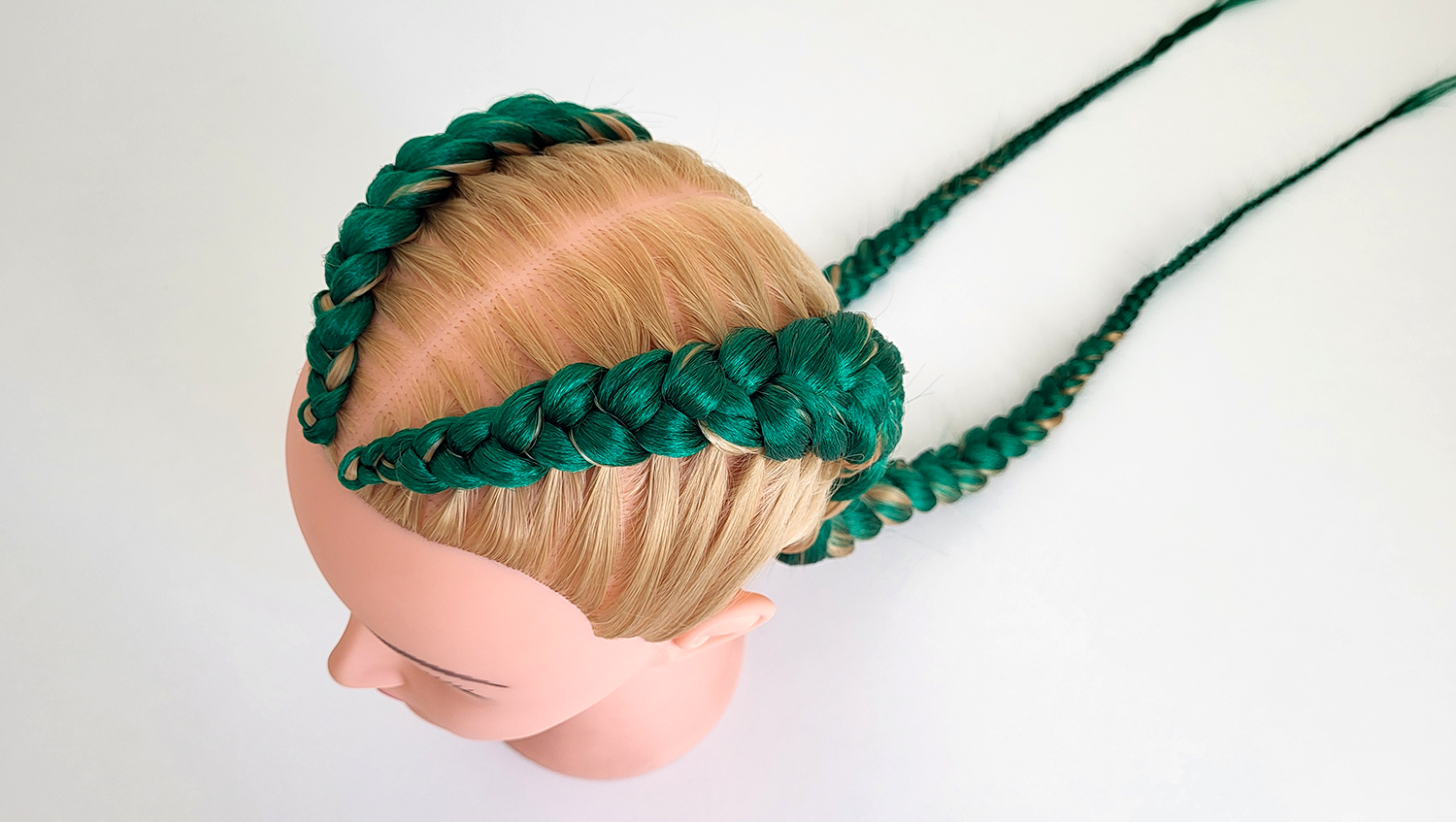
A cornrow crown braid is braided close to the scalp and follows a circular or curved path around the head. This version can be protective, long-lasting, and highly polished when installed correctly.
A loose crown braid is expanded slightly after braiding to create a fuller, softer, more romantic shape. This version is common in bridal hair, boho styling, and event looks.
A half-crown braid wraps around only part of the head, often from one side to the other, while the rest of the hair remains loose. This version is popular with waves, curls, and soft everyday styling.
Crown Braids with Natural Hair
Crown braids can be created with natural hair only. This version works best when the hair has enough length to wrap around the head or when two braids can be joined to create the illusion of a full crown.
On straight or wavy hair, crown braids can look smooth and classic. On curly or coily hair, they can look fuller, softer, and more textured. The hair may be stretched first for a cleaner braid shape, or left in its natural texture for a more organic finish.
Natural-hair crown braids are useful for low-manipulation styling because they keep the hair contained and lifted. They can be worn for work, school, events, protective styling, or casual beauty looks.
The braid should be secure but not tight. Since crown braids often follow the hairline, tension must be controlled carefully to avoid stress around the edges, temples, and nape.
Crown Braids with Extensions
Extensions can help create a fuller, longer, or more dramatic crown braid. Synthetic braiding hair may be added to increase thickness, build a larger braid, or create a more continuous wrapped shape.
Extensions are especially helpful when the client’s natural hair is short, fine, layered, or not long enough to complete the full crown. Added hair can create the appearance of a thicker braid and a more polished finish.
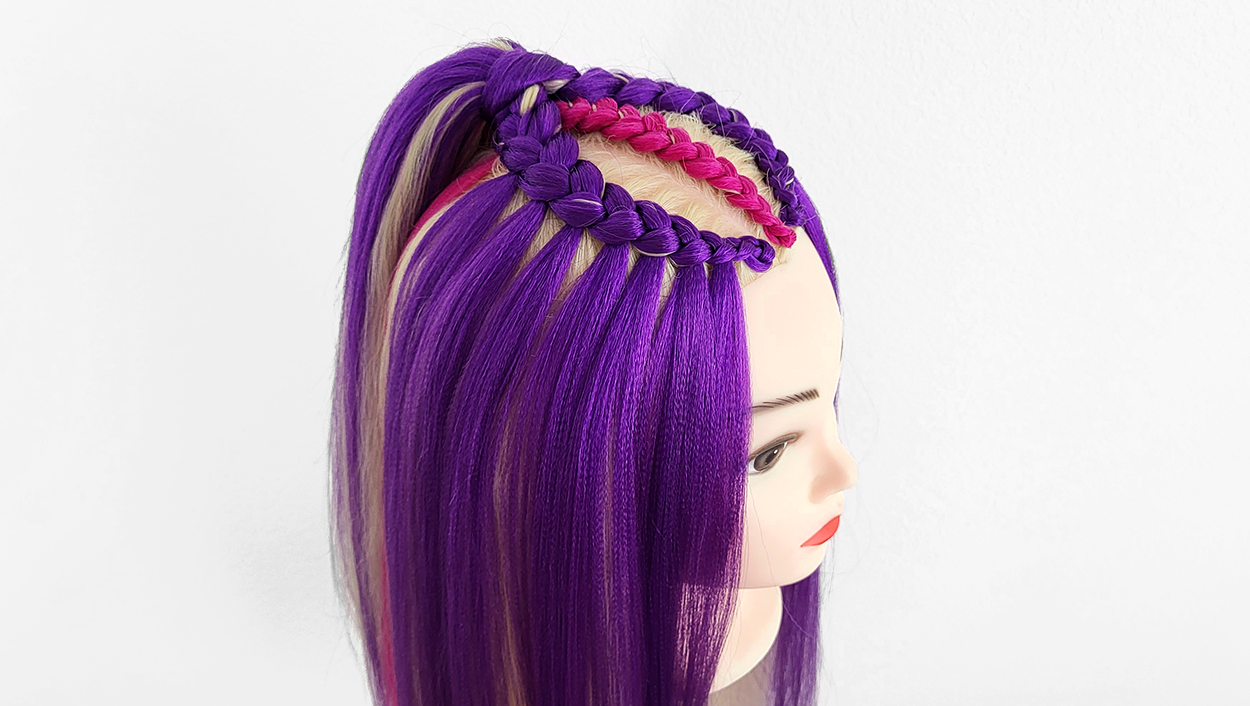
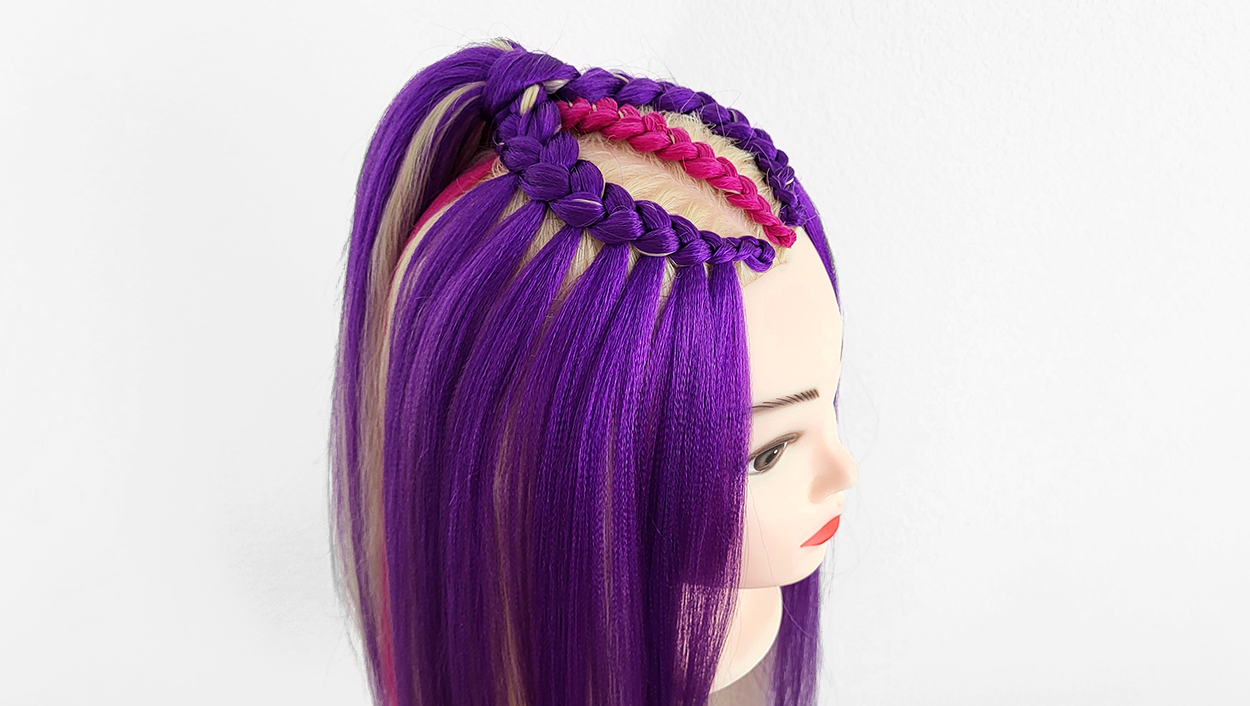
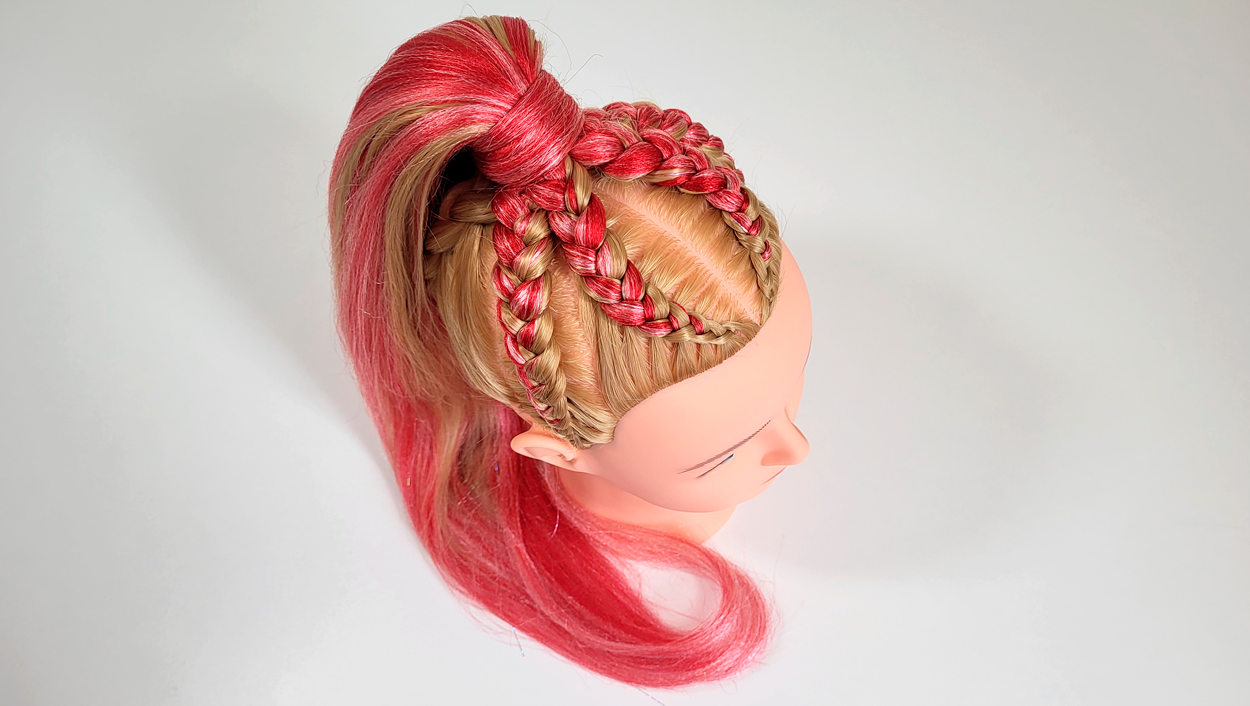
Color can also be added through extensions. Blonde, brown, copper, burgundy, ombré, pink, purple, or mixed shades can make the crown braid more expressive without coloring the natural hair.
The added hair should be balanced carefully. A crown braid sits around the head, so too much weight can create pulling. The style should feel comfortable, not heavy or tight.
Crown Braids for Protective Styling
Crown braids can function as protective styles when they are installed with proper tension and care. The hair is braided and lifted away from the shoulders, which can reduce friction and daily manipulation.
Cornrow crown braids and extension-supported crown braids can be especially useful for clients who want a neat protective style that looks elegant rather than casual. The style keeps the ends contained and can be easier to manage than loose hair.
However, the style is only protective when it respects the hairline and scalp. A tight crown braid can cause tension around the edges, especially if the braid is heavy or pulled too firmly near the front.
A protective crown braid should feel secure, lightweight, and comfortable. It should not cause headaches, bumps, soreness, or pulling.
Crown Braids for Formal Events
Crown braids are popular for formal events because they create a polished shape without needing a loose updo. The style frames the face, keeps the hair controlled, and looks complete from the front, sides, and back.
For weddings, crown braids can be soft and romantic with loose curls, face-framing pieces, flowers, pearl pins, or delicate hair jewelry. For evening events, the braid can be sleek and smooth with a clean finish. For editorial styling, the braid can be oversized, sculpted, or combined with bold accessories.
A crown braid also works well with veils, floral crowns, decorative pins, and soft makeup looks. Because the braid creates a strong frame, it can make the overall beauty look feel intentional and elevated.
The key to formal crown braids is balance. The braid should not look too heavy on one side, and the pinned areas should be hidden or polished.
Crown Braids for Kids
Crown braids can be beautiful for kids because they keep the hair neat and lifted while creating a sweet, special-occasion look. They can be worn for school events, birthdays, holidays, performances, weddings, or everyday styling.
Kids’ crown braids may include ribbons, bows, beads, flowers, small clips, or soft curls. The style can be simple and practical or more decorative for special events.
Comfort is the main priority. The braid should not be tight around the hairline or nape. Children’s scalps can be sensitive, so the style should be gentle and lightweight.
A good kids’ crown braid should stay secure, look cute, and feel comfortable enough for movement, play, and daily wear.
Crown Braids for Adults
For adults, crown braids can look romantic, professional, bohemian, protective, or high-fashion. The style is often chosen when the client wants hair away from the face but still wants a finished, feminine, or artistic look.
A sleek crown braid can work for professional or formal settings. A loose crown braid with texture can work for casual weekends, festivals, and outdoor events. A cornrow crown braid can work as a protective style with cultural and technical depth.
Adults may also use crown braids as a practical styling solution for long hair. Instead of leaving the hair down or tying it into a basic bun, the crown braid creates a structured updo with braid detail.
The style can be minimal or decorative depending on the client’s personality and occasion.
Professional Technique Details
A professional crown braid starts with planning the placement. The stylist must decide whether the braid will sit close to the hairline, around the crown, across the top of the head, or lower around the nape.
Sectioning is important because the braid path controls the entire shape. A clean circular section creates a balanced crown. Uneven sectioning can make the braid look tilted, bulky, or disconnected.
Tension control is essential. Since crown braids often travel around sensitive areas such as the hairline, temples, and nape, the braid should feel secure without pulling. The stylist should avoid forcing fragile edges into the braid.
If extensions are used, the added hair should be introduced smoothly and distributed evenly. The braid should not suddenly become bulky in one area or heavy on one side.
The finish should be clean. Ends can be tucked, pinned, braided down, curled, or hidden under the braid. Pins should be secure but not painful, and the braid should look polished from every angle.
Maintenance and Wear
Wear time depends on the technique. A loose crown braid may last one day or through an event. A Dutch or French crown braid may last a few days with proper protection. A cornrow crown braid or extension-supported crown braid may last longer.
At night, the style can be protected with a satin or silk scarf, bonnet, or pillowcase. This helps reduce frizz and preserve the braid shape.
The scalp and hairline should remain comfortable. If the braid causes soreness, headaches, pulling, or small bumps, it is too tight and should be loosened or removed.
If the style includes pins, they should be placed carefully and removed gently. Rough pin removal can snag the hair or disturb the braid.
For longer-wear protective crown braids, the scalp should be kept clean and the style should not be worn beyond the point where the hair begins to mat or the braid becomes uncomfortable.
Styling Options
Crown braids can be styled in many ways. A full crown braid creates a complete wrapped look. A half-crown braid leaves the rest of the hair down. A crown braid with curls creates a romantic finish. A crown braid with a bun creates a more structured updo.
Accessories can change the mood. Flowers create a soft bridal or bohemian effect. Pearls make the style more formal. Gold cuffs add shine. Ribbon adds softness or color. Hair jewelry creates an editorial finish.
The braid can be sleek, textured, oversized, tight, loose, symmetrical, or slightly undone. It can sit high for a regal look or lower for a softer, more wearable shape.
The best version depends on the client’s hair length, texture, comfort, occasion, and desired level of polish.
Crown Braids in Modern Beauty Culture
Crown braids remain popular because they combine tradition, elegance, and braid technique. They appear in bridal styling, protective hair culture, natural hair looks, festival beauty, kids’ hairstyles, editorial shoots, and social media tutorials.
The style is highly visual because it creates a clear shape around the head. It photographs well from multiple angles and works with many textures. A crown braid can feel timeless, but it can also look modern when paired with clean parting, bold size, creative accessories, or natural texture.
In the beauty industry, crown braids show a stylist’s control over shape and direction. The braid must move smoothly around the head, hold its structure, and remain comfortable. A strong crown braid is not only beautiful; it is technically balanced.
Why Crown Braids Matter
Crown braids matter because they show how a braid can become a full hairstyle shape. The braid is not just a detail; it becomes the frame, structure, and focal point of the look.
For clients, crown braids offer elegance, protection, comfort, and versatility. For stylists, they require planning, sectioning, tension control, pinning, and proportion.
When done well, a crown braid looks graceful, secure, and intentional. It can be romantic, regal, protective, bohemian, formal, or editorial. That range is what keeps crown braids timeless in both everyday styling and professional beauty work.