
Lemonade Braids: Side-Swept Cornrow Style With Sleek Direction, Bold Movement, and Iconic Beauty Impact
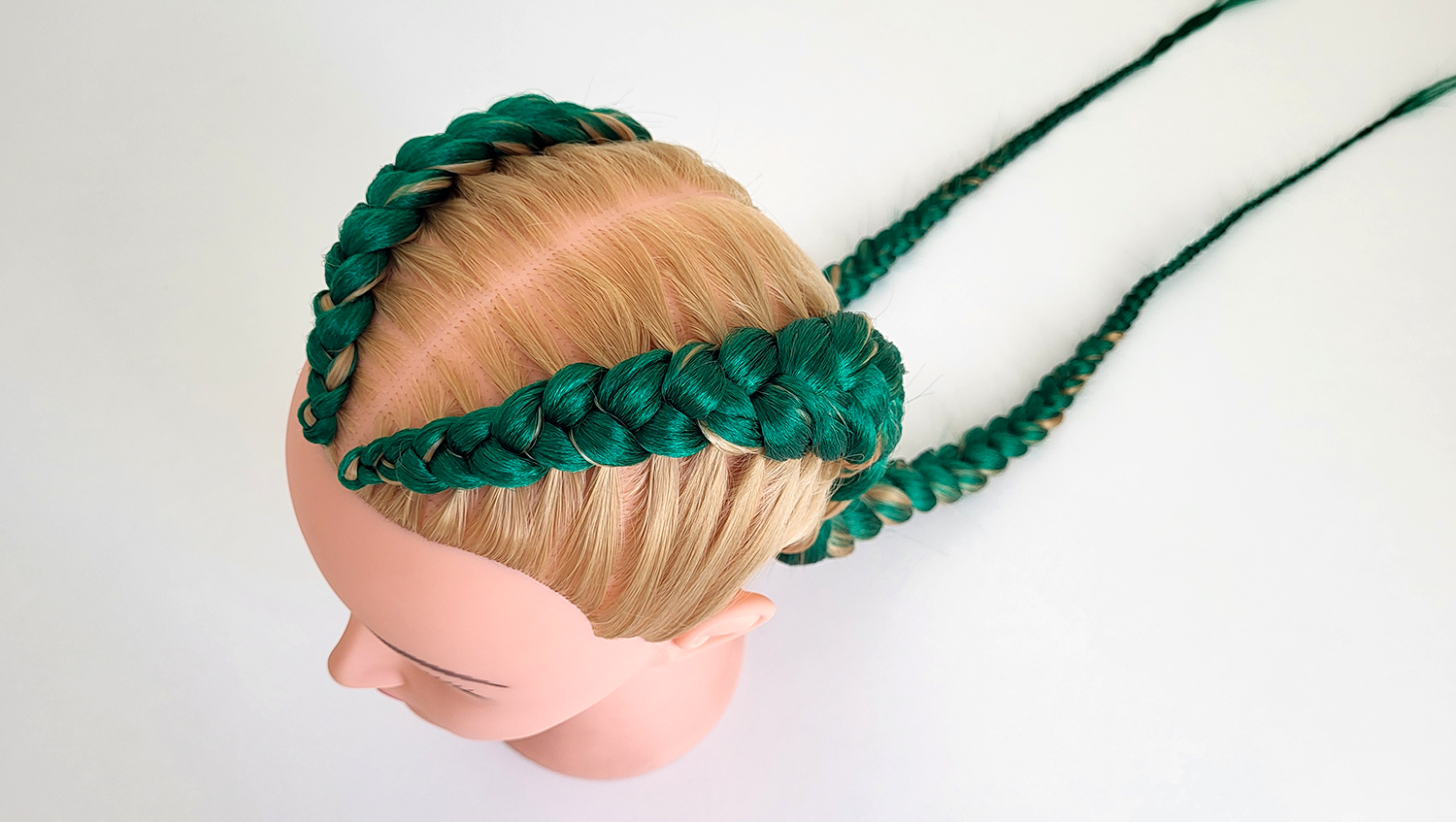
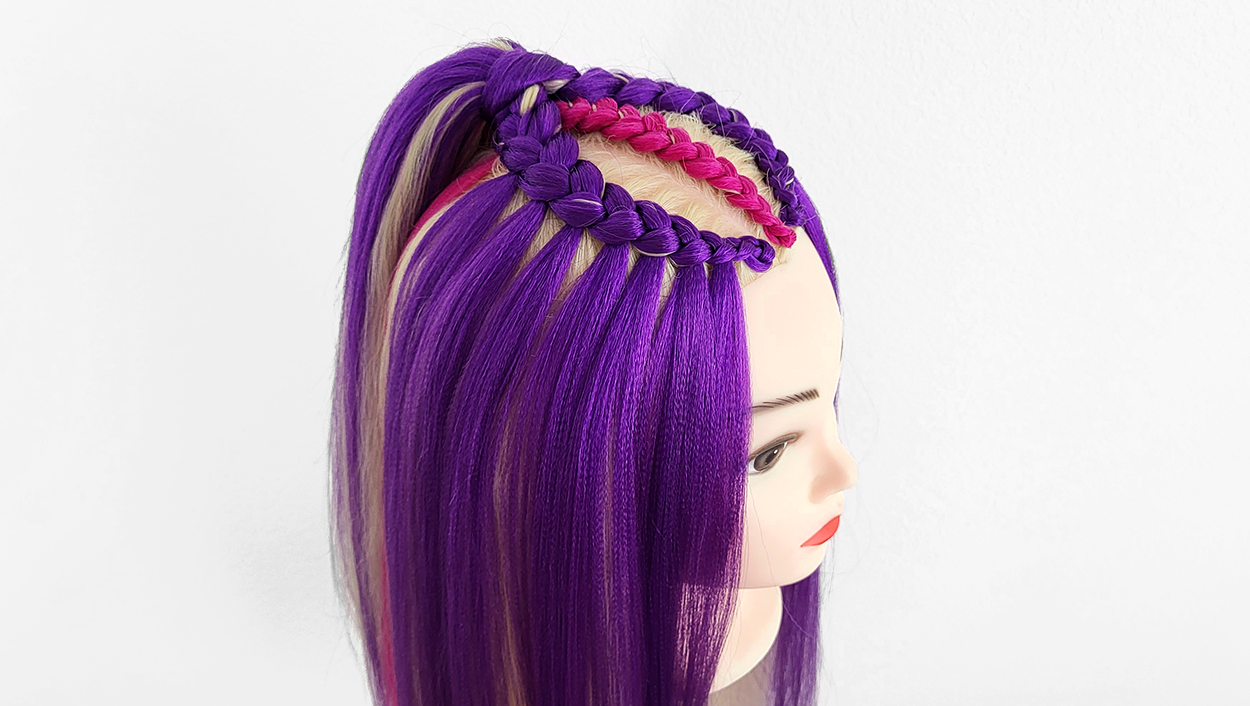
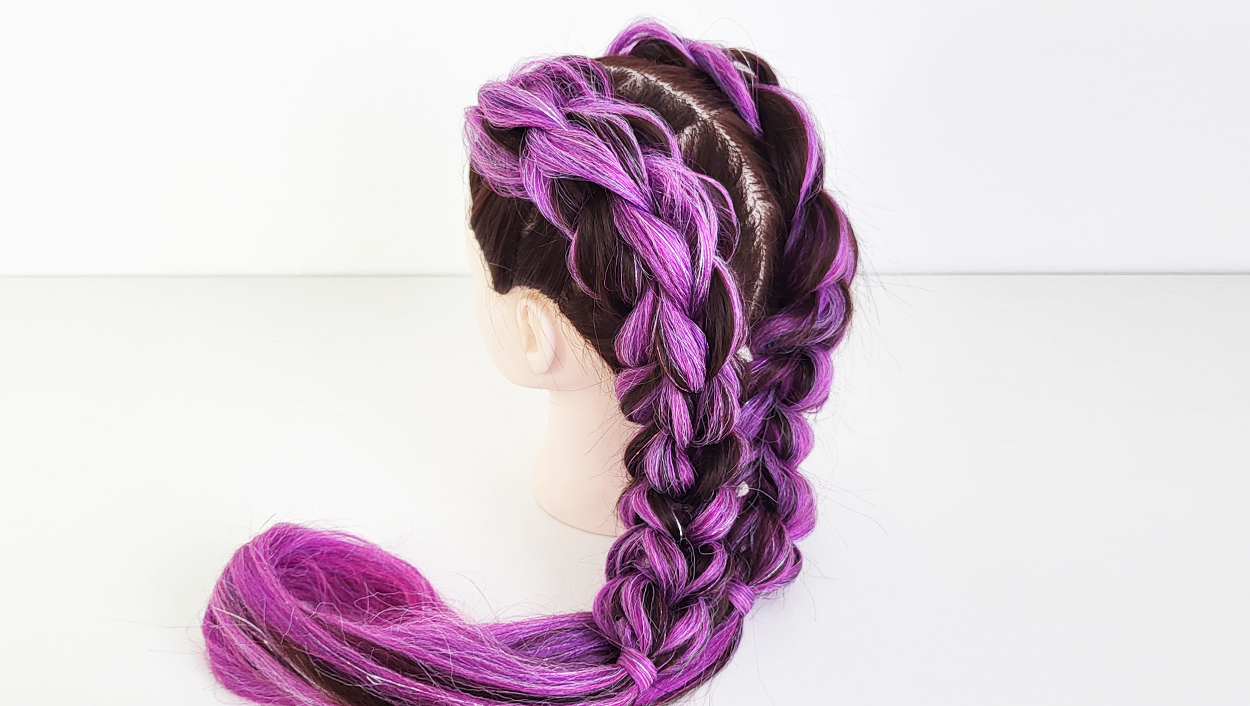
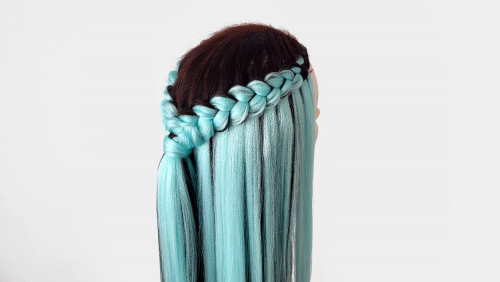
Lemonade braids are side-swept cornrow braids that travel across the scalp and fall toward one side of the head. The style is known for its sleek direction, clean parting, and bold asymmetrical flow. Instead of moving straight back, the braids are angled, curved, or swept from one side to the other, creating a polished braid pattern with strong visual movement.
The name became widely popular after Beyoncé’s Lemonade era, when side-swept cornrow styles became closely associated with confident, glamorous, and high-impact braid beauty. However, the technique itself comes from long-standing cornrow traditions and scalp braid artistry. Lemonade braids are a modern naming and styling category for a classic side-directed cornrow look.
Lemonade braids can be thin, medium, large, jumbo, long, short, feed-in, stitch-detailed, curly-ended, beaded, colored, or accessorized. They can be created with natural hair only or with synthetic braiding hair for length, fullness, and stronger shape. When installed correctly, the style can protect the natural hair, reduce daily manipulation, and create a sleek, camera-ready finish.
What Are Lemonade Braids?
Lemonade braids are cornrow-based braids that are styled in a side-swept direction. The braids usually begin on one side or near the front hairline and move diagonally or horizontally across the head before falling over the opposite shoulder or side.
The pattern can be simple, with evenly spaced side-swept cornrows, or more detailed with curved parts, stitch sections, small accent braids, zigzag parts, heart details, or mixed braid sizes. The defining feature is the directional flow. The braids should clearly sweep to one side instead of going straight back.
Most Lemonade braids use added braiding hair, especially when the client wants long, sleek braids. Feed-in technique is commonly used because it creates a smooth start and allows the braid to grow gradually in thickness.
The style can be bold and dramatic or soft and wearable depending on braid size, length, parting, and finishing.
Why Lemonade Braids Stand Out
Lemonade braids stand out because of their asymmetry. The side-swept direction gives the style movement and attitude. It frames the face differently from straight-back cornrows and creates a strong silhouette from the front, side, and back.
The style also looks polished and intentional. Clean parting lines and consistent braid direction make Lemonade braids visually sharp. Even simple versions can look dramatic because all the braids move together in one direction.
Lemonade braids are also versatile. They can be neat and minimal for everyday wear, extra-long and glamorous for events, colorful for festivals, beaded for kids, or detailed with stitch lines for a high-definition salon finish.
Another reason this style remains popular is practicality. The hair is braided close to the scalp, the ends are controlled, and the look can last for weeks with proper care.
Lemonade Braids vs. Regular Cornrows
Lemonade braids are a type of cornrow style, but they have a specific side-swept pattern. Regular cornrows can move straight back, upward, downward, diagonally, or in creative shapes. Lemonade braids usually move across the head and fall to one side.
The difference is the direction and silhouette. Straight-back cornrows create a balanced, symmetrical look. Lemonade braids create a more angled, asymmetrical look.
Regular cornrows may focus on rows and spacing. Lemonade braids focus on flow, side direction, and face-framing movement.
Both styles use close-to-scalp braiding, but Lemonade braids have a more recognizable styling identity because of the side-swept finish.
Lemonade Braids vs. Feed-In Braids
Lemonade braids and feed-in braids often overlap, but they are not the same thing. Feed-in braids describe a technique where extension hair is added gradually into the braid. Lemonade braids describe a side-swept cornrow style.
Many Lemonade braids are created with feed-in technique because it gives the roots a smooth, natural start and creates longer, fuller braid lengths. However, Lemonade braids can also be done with natural hair only or with other extension methods.
Feed-in braids can be straight-back, ponytail-style, stitch-style, or curved. Lemonade braids specifically sweep to one side.
A simple way to explain it: feed-in is a method; Lemonade braids are a style direction.
Lemonade Braids vs. Side Cornrows
Lemonade braids and side cornrows are very similar. In many salon settings, the terms may describe the same general look. Side cornrows is a broader term for cornrows directed to one side. Lemonade braids is the more trend-driven name for a polished, side-swept version of the style.
Side cornrows can be casual, simple, or small. Lemonade braids often suggest a more styled, glamorous, and intentional look with longer braid lengths or a dramatic side flow.
The difference is mostly naming and styling expectation. If a client asks for Lemonade braids, they usually expect the braids to sweep across the scalp and create a strong side-falling finish.
Reference photos are important because braid size, length, parting, and direction can vary widely.
Lemonade Braids vs. Tribal Braids
Lemonade braids and tribal braids can overlap when the style includes creative parting, beads, or Fulani-inspired details. However, they are not the same category.
Lemonade braids are defined by side-swept cornrow direction. Tribal braids usually refer to braid styles inspired by traditional African braid aesthetics, often including center braids, side braids, beads, patterns, and layered details.
A tribal braid style may include straight-back cornrows, individual braids, feed-in braids, or Fulani-style front details. A Lemonade braid style usually focuses on the sweeping side pattern.
Both can be protective and decorative. Lemonade braids feel sleek and directional. Tribal braids often feel more patterned, layered, and culturally styled.
Common Types of Lemonade Braids
Classic Lemonade braids use clean side-swept cornrows with consistent braid size.
Small Lemonade braids create a detailed, sleek style with many thin braids.
Medium Lemonade braids balance installation time, comfort, and visual impact.
Large Lemonade braids create a bold look with fewer, thicker braids.
Jumbo Lemonade braids create oversized side-swept braids for a dramatic finish.
Feed-in Lemonade braids use gradual extension placement for smooth roots and longer braid lengths.
Stitch Lemonade braids use precise parting lines for a sharp, high-definition pattern.
Lemonade braids with curls add soft curly ends or loose curly pieces.
Lemonade braids with beads or color add decorative detail and personal style.
Classic Lemonade Braids
Classic Lemonade braids are side-swept cornrows installed in a clean, consistent pattern. The braids usually move from one side of the head toward the other, then fall over one shoulder or side.
This version is polished, recognizable, and versatile. It can be worn in natural black, brown, blonde, burgundy, copper, or any extension color. The braid length can be shoulder-length, mid-back, waist-length, or longer.
Classic Lemonade braids work well for everyday wear, vacations, events, photoshoots, and protective styling. The style gives the scalp a sleek pattern while allowing the braid length to create movement.
A strong classic Lemonade braid style should have clean parts, even braid direction, smooth roots, and comfortable tension.
Small Lemonade Braids
Small Lemonade braids use thin side-swept cornrows for a detailed and elegant finish. Because the braids are smaller, the style can look more intricate and may offer a smoother overall flow.
This version usually takes longer to install than medium or large Lemonade braids, but it can look very refined. Small braids also allow more detailed parting and more braid density.
The stylist must keep the tension gentle. Smaller sections should not be pulled tightly, especially around the hairline and temples. Thin braids can look sleek without needing painful tension.
Small Lemonade braids are a strong choice for clients who want a polished, detailed, and long-lasting side-swept look.
Medium Lemonade Braids
Medium Lemonade braids are one of the most popular versions because they balance detail, comfort, installation time, and styling impact. They are visible enough to create a strong pattern but not as heavy or bulky as larger versions.
This size works well for many clients because the braids can be long and sleek while still feeling manageable. Medium Lemonade braids can be worn casually or dressed up with accessories, color, or curls.
Medium braid size also allows clean side-swept direction without overloading the scalp. The parting remains visible, and the braids still have enough flexibility to move naturally.
A professional medium Lemonade braid style should look even, smooth, and balanced from every angle.
Large Lemonade Braids
Large Lemonade braids use fewer, thicker braids for a bold and graphic effect. The side-swept pattern becomes more dramatic because each braid has stronger visual weight.
This version can take less time to install than small Lemonade braids. It works well for clients who want a statement look without a very long appointment.
Large Lemonade braids can be beautiful, but tension and weight control are very important. Each braid must be supported by a section that can safely carry the extension hair. Heavy long braids should not pull at the hairline or temples.
A good large Lemonade braid style should look bold and sleek without feeling tight or heavy.
Jumbo Lemonade Braids
Jumbo Lemonade braids are the oversized version of the style. They create maximum impact with thick, side-swept braids and fewer sections.
This style is dramatic, confident, and high-fashion. It works well for photoshoots, festivals, vacations, birthdays, and bold protective styling. Jumbo braids can look especially striking when created with long length or color.
The main challenge is weight. Jumbo Lemonade braids can become heavy if too much extension hair is used. Because the braids move across the scalp, pulling can happen around the parting, temples, and hairline if the installation is too tight.
A professional jumbo Lemonade braid style should look powerful while still protecting scalp comfort.
Feed-In Lemonade Braids
Feed-in Lemonade braids are one of the most common versions of the style. The stylist starts each braid with natural hair, then gradually adds extension hair to build length and fullness.
This technique creates a smooth, natural-looking start and reduces bulk at the root. It also helps the braids look sleek as they sweep across the scalp.
Feed-in Lemonade braids can be small, medium, large, or jumbo. They can include straight parts, curved parts, stitch lines, or creative designs. The added hair can match the natural hair or create contrast with color.
A strong feed-in Lemonade braid style should have smooth extension transitions, clean direction, and balanced braid weight.
Stitch Lemonade Braids
Stitch Lemonade braids combine the side-swept Lemonade pattern with sharp stitch braid parting. The stitch effect creates small, precise section lines along each braid, giving the style a clean and high-definition finish.
This version is popular for salon portfolios, social media, events, and clients who want a very polished braid design. The stitch detail makes the side-swept pattern look more graphic and modern.
Stitch Lemonade braids require strong section control, consistent spacing, and careful product use. The braid should look crisp without being painful.
A good stitch Lemonade braid style should be sharp, symmetrical in rhythm, and comfortable at the scalp.
Lemonade Braids with Curly Ends
Lemonade braids with curly ends combine sleek side-swept braids with softness at the bottom. The braids may be completed through most of the length, then released into curls or waves.
This version feels more feminine, romantic, and vacation-ready than fully braided ends. It can soften the strong direction of the braids while still keeping the scalp pattern clean.
Curly ends may be created with human hair, synthetic curly hair, water wave hair, deep wave hair, rods, or hot water setting. The transition from braid to curl should look intentional.
Curly-ended Lemonade braids require more maintenance because curls can frizz or tangle over time.
Lemonade Braids with Beads
Beads can make Lemonade braids more decorative and expressive. They are often placed at the ends, along selected braids, or around face-framing sections.
Clear beads create a classic look. Wooden beads feel natural and earthy. Gold or metallic beads create a polished finish. Bright beads can make the style playful, especially for kids.
Because Lemonade braids usually fall to one side, bead placement can create beautiful movement and sound. However, bead weight should be considered carefully, especially on long braids.
A good beaded Lemonade braid style should feel stylish without adding uncomfortable pull.
Lemonade Braids with Color
Color can make Lemonade braids more expressive and easier to see. Since the braids sweep in one direction, color movement becomes very visible.
Natural black and brown shades create a sleek classic finish. Honey blonde, caramel, copper, auburn, and burgundy add warmth. Platinum, silver, gray, and white create a more editorial look.
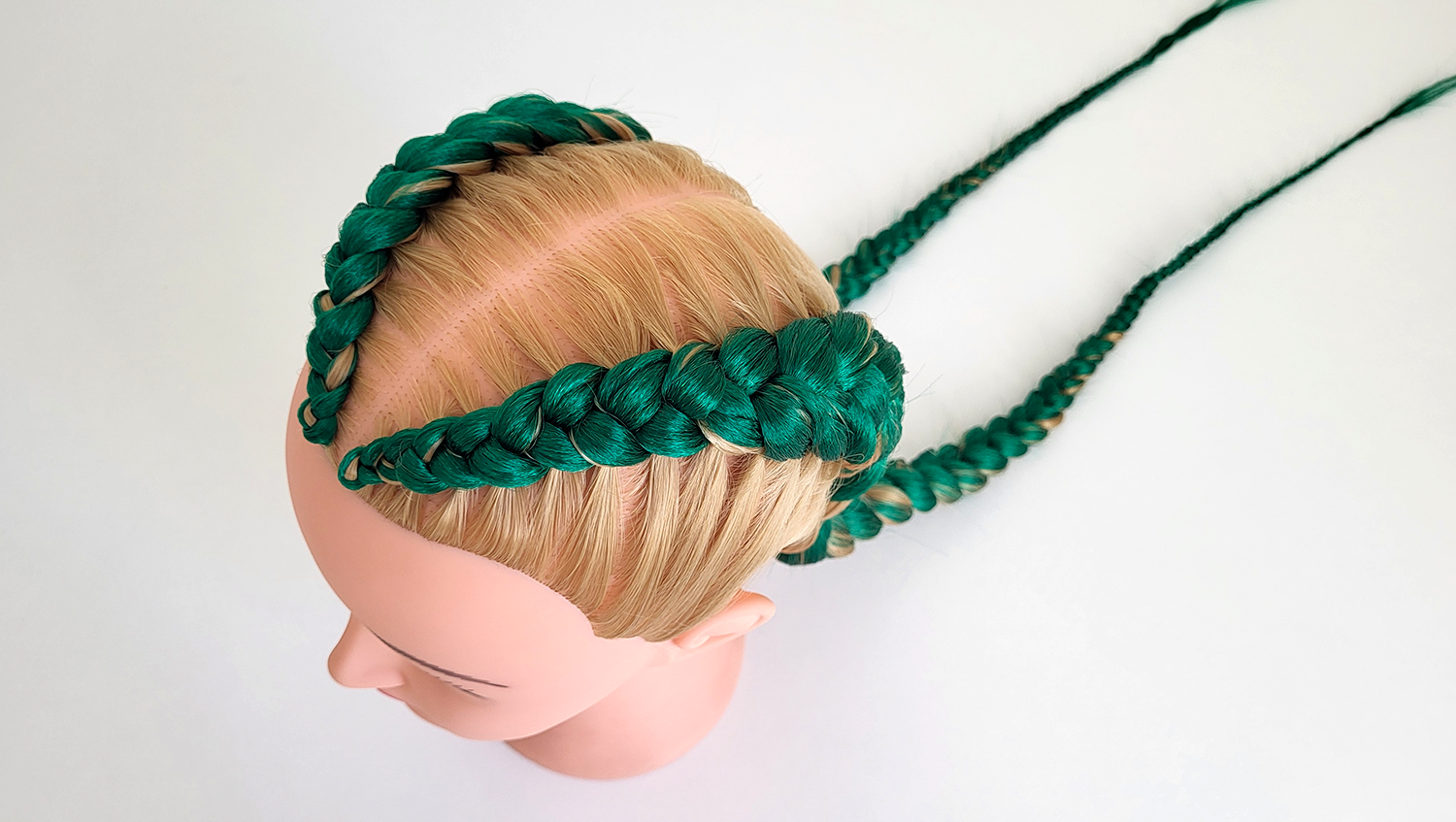
Bright shades such as pink, purple, blue, green, red, orange, or neon colors can create festival or creative beauty energy. Ombré braiding hair works beautifully because the color transition follows the braid length.
Color can be used throughout the full style or only as accent braids. Face-framing color pieces can make the style feel more custom and modern.
Lemonade Braids with Accessories
Accessories can personalize Lemonade braids. Cuffs, rings, beads, thread, cowrie shells, charms, pearls, ribbons, bows, clips, and hair jewelry can all be used.
Because the style has a strong side direction, accessories should be placed where they support the flow. A few cuffs along the visible side can highlight the pattern. Beads at the ends can add movement. Thread or yarn can add color to selected braids.
For kids, bows, colorful beads, and elastics can make the style playful. For adults, cuffs, shells, and minimal metallic details can make it more polished.
Accessories should enhance the style without making the braids heavy.
Lemonade Braids for Protective Styling
Lemonade braids can function as a protective style because the natural hair is braided close to the scalp and often tucked into extension hair. This reduces daily manipulation and helps keep the hair organized.
However, the style is protective only when tension and weight are controlled. Side-swept braids can create uneven pulling if the direction is forced or if the braids are too tight.
The hairline, temples, crown, and nape should be handled gently. The braids should not cause pain, bumps, headaches, burning, or pulling.
A healthy Lemonade braid style should feel secure, smooth, and comfortable from the first day.
Lemonade Braids for Kids
Lemonade braids can be adapted beautifully for kids when the style is gentle, lightweight, and age-appropriate. Kids’ versions may include medium or small side-swept braids, beads, bows, colorful elastics, ribbons, or shorter lengths.
The style works well for school, birthdays, holidays, dance, photoshoots, vacations, and everyday protective styling. It keeps hair controlled while still looking cute and stylish.
Children’s scalps can be sensitive, so the braids should not be tight around the hairline or temples. Heavy extensions and extra-long lengths should usually be avoided.
A good kids’ Lemonade braid style should be cute, comfortable, secure, and easy to remove.
Lemonade Braids for Adults
For adults, Lemonade braids can look sleek, glamorous, edgy, professional, vacation-ready, or bold. A classic medium set can feel polished and wearable. A long feed-in set can feel dramatic. A stitch version can look sharp and modern. Curly ends can create a softer finish.
Adults often choose Lemonade braids for protective styling, vacations, birthdays, festivals, concerts, photoshoots, events, and low-maintenance beauty routines.
The style can be minimal in natural colors or expressive with bright shades, beads, cuffs, or creative parting.
The best adult version depends on hair density, scalp comfort, desired length, lifestyle, and styling preference.
Lemonade Braids for Short Hair
Lemonade braids can often be installed on short natural hair if the hair is long enough to grip safely and braid close to the scalp. Feed-in technique can help create longer braid lengths even when the natural hair is shorter.
Short hair should not be forced into tight sections. If the hair is very short or fragile, smaller, lighter braids may be safer than large heavy braids.
The stylist may use gel, mousse, or braid product to help control shorter pieces, but product should not replace safe tension and proper sectioning.
A safe Lemonade braid installation on short hair should feel secure without painful pulling.
Lemonade Braids for Long Hair
Long natural hair can support Lemonade braids, but it requires careful control during installation. The stylist must keep the natural hair smooth as it is braided into the side-swept pattern.
Long hair can make the style look fuller, but it can also add weight. If extensions are added, the stylist should consider total braid weight to avoid pulling.
Long Lemonade braids can fall over one shoulder, down the back, or to the side. They can be styled with curls, beads, color, or accessories for extra impact.
A strong Lemonade braid style on long hair should look sleek, balanced, and comfortable.
Parting and Direction Planning
Parting and direction are the foundation of Lemonade braids. The stylist must decide where the braids begin, how they sweep across the scalp, and where they fall.
The parting may be straight, curved, diagonal, zigzag, or stitch-detailed. The direction should flow naturally with the head shape and hairline. If the braids are forced across the scalp, the style can feel uncomfortable and look uneven.
The side-swept pattern should be clear from the front and side. The braids should look like they were designed to move together, not randomly pulled in one direction.
A professional Lemonade braid style begins with a clean map of braid direction before installation starts.
Tension and Scalp Comfort
Tension control is essential in Lemonade braids. Because the braids sweep to one side, uneven pulling can happen if the stylist braids too tightly or adds too much extension hair.
The hairline and temples need special care. These areas are often involved in the side-swept design and can become stressed if the braids are too tight.
The client should not experience headaches, bumps, burning, or sharp pulling after installation. A sleek style should not require painful tension.
A good Lemonade braid style should feel secure, flexible, and comfortable while maintaining clean direction.
Professional Technique Details
A professional Lemonade braid service begins with consultation. The stylist should discuss braid size, direction, length, parting style, extension color, stitch detail, accessories, scalp sensitivity, and wear time.
The natural hair should be clean, detangled, moisturized, and sectioned. The braid pattern is planned before braiding begins. If feed-in technique is used, extension hair should be prepared in consistent amounts.
The stylist braids each section in the planned side-swept direction, adding hair gradually if needed. Each braid should follow the pattern smoothly without pulling across the scalp.
The finished style should have clean parts, consistent braid size, smooth feed-in transitions, and comfortable tension.
Maintenance and Wear
Lemonade braids can last several weeks depending on braid size, hair texture, installation method, product use, lifestyle, and scalp care. Smaller and medium versions may last longer than very large or jumbo versions.
At night, the style should be protected with a satin or silk scarf, bonnet, or pillowcase. Since the braids fall to one side, they can be gathered loosely to reduce friction and pulling.
The scalp should stay clean and comfortable. Lightweight scalp mist, braid spray, or light oil can be used when needed. Heavy products should be avoided because they can create buildup around the parts.
The wearer should avoid constantly pulling the braids tighter to one side. Repeated tension can stress the roots.
If the style becomes painful, itchy, too heavy, loose, or matted at the roots, it should be refreshed or removed.
Washing Lemonade Braids
Lemonade braids can be washed carefully, with the main focus on the scalp. A diluted shampoo or gentle scalp cleanser can help remove sweat, oil, and buildup.
The scalp should be cleansed gently between the parts without rough rubbing. The braids should not be scrubbed aggressively because friction can create frizz and loosen the style.
Rinsing should be thorough so shampoo does not remain at the roots. Drying is important because long braids and scalp braids can hold moisture.
After washing, a light mousse or braid spray can help smooth frizz and refresh the braids. Heavy product should be avoided.
Takedown and Hair Health
Takedown should be gentle and patient. Accessories should be removed first. The braids should be unraveled from the ends upward.
If the braids are long, the wearer may cut below the natural hair length, but only after clearly identifying where the real hair ends. Cutting too high can damage the natural hair.
Product buildup near the roots should be softened and separated carefully. Shed hair should be separated before washing to prevent matting.
After removal, the hair should be cleansed, conditioned, detangled, and moisturized. If the scalp feels tender or the hairline looks stressed, the hair should rest before another tight or directional braid style.
Styling Options
Lemonade braids can be styled in many ways. They can be worn loose to one side, tucked behind the ear, swept over the shoulder, gathered into a low ponytail, styled half-up, wrapped into a side bun, or decorated with beads and cuffs.
Curly ends can make the style softer. Stitch lines can make it sharper. Bright color can make it more expressive. Natural shades can keep it sleek and classic.
For kids, Lemonade braids pair well with beads, bows, colorful elastics, and shorter lengths. For adults, they can be elevated with long feed-in braids, minimal cuffs, ombré color, or clean stitch detail.
The best styling choice depends on braid size, length, weight, scalp comfort, and occasion.
Lemonade Braids in Modern Beauty Culture
Lemonade braids remain popular because they combine traditional cornrow technique with modern side-swept styling. They are protective, stylish, recognizable, and highly customizable.
The style appears in salon braid services, vacation beauty, kids’ hairstyles, celebrity-inspired looks, social media tutorials, festival styling, and everyday protective routines. It continues to evolve through stitch parts, feed-in methods, boho curls, color blends, beads, heart details, and extra-long lengths.
For stylists, Lemonade braids require more than basic cornrowing. They require direction planning, clean parting, feed-in control, tension awareness, and an understanding of how braids should flow across the head.
The style stays relevant because it feels sleek, confident, and expressive.
Why Lemonade Braids Matter
Lemonade braids matter because they show how braid direction can transform a classic cornrow technique into a bold, modern hairstyle. The side-swept flow gives the style attitude, movement, and a distinctive visual identity.
For clients, Lemonade braids offer protection, confidence, length, convenience, and strong beauty presence. For stylists, they build skill in directional braiding, parting, extension balance, and scalp-safe tension.
When done well, Lemonade braids look sleek, clean, comfortable, and intentional. They prove that protective styling can be iconic, practical, and full of personality at the same time.