
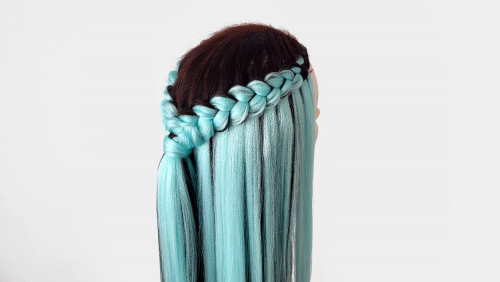
Milkmaid Braids: Romantic Crown Braids With Soft Wraparound Shape, Vintage Charm, and Elegant Everyday Beauty
Milkmaid braids are a classic braided updo where the hair is divided into two braids and wrapped over the top or around the crown of the head. The result is a soft, halo-like style that keeps the hair lifted while creating a romantic and timeless shape. The look can feel vintage, cottagecore, bohemian, bridal, playful, or elegant depending on how the braids are placed and finished.
The style is usually created by making two braids, crossing them over the head, and pinning them securely in place. The braids may be simple three-strand braids, Dutch braids, French braids, fishtail braids, rope braids, or textured braids. The finish can be sleek and polished or soft and loosened with face-framing pieces.
Milkmaid braids are loved because they look beautiful while also being practical. They keep the hair away from the face and neck, making them useful for warm weather, weddings, festivals, school, work, dance, photoshoots, and everyday styling. When done correctly, milkmaid braids should feel secure, balanced, and comfortable without pulling tightly at the hairline, temples, crown, or nape.
What Are Milkmaid Braids?
Milkmaid braids are wraparound braids that create a crown-like effect. Traditionally, the hair is parted into two sections, braided into two pigtail braids, then brought up and pinned across the top of the head.
The style may sit close to the front hairline, across the crown, or slightly farther back depending on the desired look. Some versions wrap the braids fully around the head, while others create a partial crown with the braid ends tucked underneath.
Milkmaid braids can be created with natural hair only or with extensions for extra thickness and length. They work best when the hair has enough length to cross over the head, but shorter hair can still be adapted with pinned braids, added hair, or crown-style braid placement.
The defining feature is the wrapped braid shape. The braids are not simply hanging down; they are lifted, crossed, and secured into a crown or halo-style updo.
Why Milkmaid Braids Stand Out
Milkmaid braids stand out because they create elegance with a simple structure. The basic technique is approachable, but the finished style can look refined and romantic.
The style also frames the face beautifully. A braid placed near the crown or hairline can soften the features, highlight the cheekbones, and create a gentle vintage-inspired shape. Loose face-framing pieces can make the style even softer.
Milkmaid braids are also practical. They keep the hair contained and lifted, which makes them comfortable for warm weather, long events, dancing, travel, and active days. Unlike loose curls or waves, the braid structure helps the style stay organized.
Another reason milkmaid braids remain popular is their styling range. They can look polished for bridal hair, soft for cottagecore styling, playful for kids, relaxed for festivals, or clean for everyday wear.
Milkmaid Braids vs. Crown Braids
Milkmaid braids and crown braids are closely related, but they are not always the same. Milkmaid braids are usually created by making two separate braids and pinning them over the head. Crown braids are often braided directly around the head using French, Dutch, or lace braid technique.
A milkmaid braid is usually a pinned wraparound style. A crown braid is often a continuous scalp braid that follows the head shape.
Milkmaid braids may be easier for beginners because the braids are created first and pinned after. Crown braids may require more advanced braiding skill because the braid must move around the scalp while hair is added.
Both styles create a halo-like finish. Milkmaid braids feel classic and soft. Crown braids can feel more integrated and sculpted.
Milkmaid Braids vs. Halo Braids
Milkmaid braids and halo braids are often used interchangeably, especially in beauty content. Both create a braid that circles or crowns the head.
The difference is usually styling language. A halo braid often suggests a seamless braid that wraps around the entire head, sometimes created as one continuous braid. Milkmaid braids often suggest two braids crossed and pinned over the crown.
Halo braids can look more circular and continuous. Milkmaid braids may show a center part and two braid sections crossing over the top.
In salon language, reference photos are important because many clients use these names differently.
Milkmaid Braids vs. Dutch Crown Braids
Dutch crown braids are created with an underhand braid technique that makes the braid sit raised on top of the hair as it wraps around the head. Milkmaid braids may use Dutch braids, but they do not have to.
A Dutch crown braid is usually braided directly around the scalp. A milkmaid braid is often made from two separate braids that are lifted and pinned.
Dutch crown braids look more dimensional and connected to the scalp. Milkmaid braids can look softer, more relaxed, and easier to loosen.
Both styles can be expanded for volume. Dutch crown braids are more technical, while milkmaid braids are often more accessible and flexible.
Milkmaid Braids vs. Braided Updos
Milkmaid braids are a specific type of braided updo. A braided updo can include buns, chignons, rolled braids, pinned braids, braided crowns, braided ponytails, and sculpted formal styles.
Milkmaid braids are defined by the wraparound crown placement. They create a braid that sits over or around the head rather than forming a bun or low pinned shape.
Braided updos can look formal, sculptural, or complex. Milkmaid braids often look softer, simpler, and more romantic.
The difference is the silhouette. Milkmaid braids create a crown. Other braided updos may create a bun, roll, knot, or sculpted shape.
Common Types of Milkmaid Braids
Classic milkmaid braids use two simple braids crossed over the top of the head.
Loose milkmaid braids are gently pulled apart for a softer, wider finish.
Dutch milkmaid braids use raised Dutch braid texture before wrapping.
French milkmaid braids create a smoother, more blended crown effect.
Fishtail milkmaid braids use fishtail texture for a detailed romantic look.
Messy milkmaid braids include loose strands and soft texture for a relaxed finish.
Sleek milkmaid braids use smooth hair, clean parting, and polished pinning.
Milkmaid braids with flowers, pearls, ribbons, or accessories create a bridal or festival finish.
Milkmaid braids with extensions add length, fullness, and a stronger crown shape.
Classic Milkmaid Braids
Classic milkmaid braids are usually created by parting the hair into two sections, braiding each side, and pinning the braids over the top of the head. The ends are tucked underneath so the finished style looks clean and continuous.
This version is timeless and easy to recognize. It works well for everyday wear, weddings, picnics, festivals, school, work, and romantic styling.
Classic milkmaid braids can be worn with a center part, side part, or soft face-framing pieces. The braids can be tight and polished or gently loosened for more volume.
A strong classic milkmaid braid style should look balanced, secure, and comfortable from every angle.
Loose Milkmaid Braids
Loose milkmaid braids create a softer and more romantic version of the style. After the braids are made and pinned, the sections are gently expanded to create width and volume.
This version works especially well for weddings, engagement photos, cottagecore styling, festivals, and soft everyday looks. Loose pieces around the face can make the style feel effortless and feminine.
The braid should be loosened carefully. If too much hair is pulled out, the style may lose its hold. If the braids are too tight, the style may look stiff and less romantic.
A polished loose milkmaid braid should look soft but still secure.
Dutch Milkmaid Braids
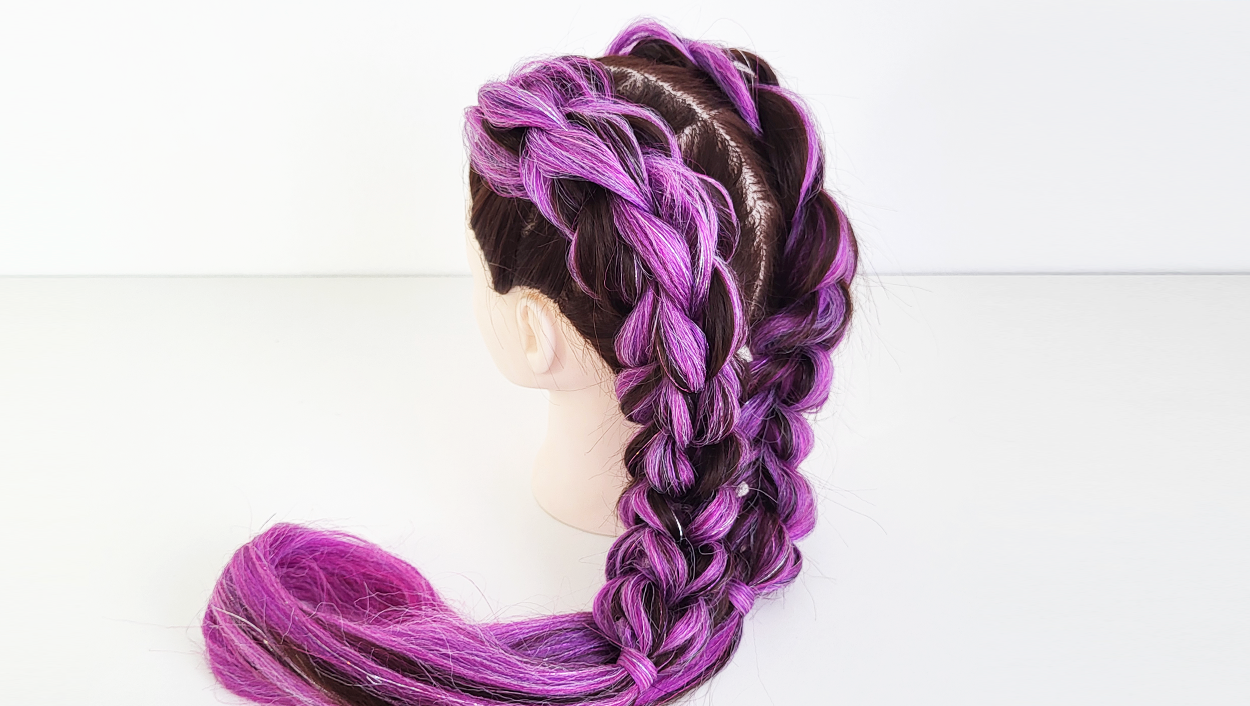
Dutch milkmaid braids use an underhand braid technique, creating a raised braid texture. The braids may be Dutch-braided down each side before being wrapped, or two Dutch braids may be crossed and pinned over the head.
This version creates more dimension than a simple three-strand braid. It works well when the client wants the braid shape to stand out clearly.
Dutch milkmaid braids can look bohemian, bridal, festival-ready, or sporty depending on the finish. They pair beautifully with loose waves, soft curls, flowers, ribbons, and pearls.
The raised braid should come from technique, not tight pulling. A clean Dutch milkmaid style should feel comfortable and balanced.
French Milkmaid Braids
French milkmaid braids use a smoother overhand braid technique. The braids can be French-braided along the sides before being wrapped, or French braid texture can be used to create a softer crown effect.
This version looks more blended and subtle than Dutch milkmaid braids. It is a good option for clients who want romantic structure without a very raised braid.
French milkmaid braids work well for bridal styling, kids’ hairstyles, school styles, soft formal looks, and everyday updos. They can be polished or slightly undone.
A professional French milkmaid braid style should look smooth, elegant, and secure without appearing too tight.
Fishtail Milkmaid Braids
Fishtail milkmaid braids use fishtail braid texture to create a detailed and romantic crown. The small crossing sections of a fishtail braid make the style look delicate and intricate.
This version is beautiful for weddings, photoshoots, festivals, and bohemian styling. It works especially well on highlighted, balayage, ombré, or multi-tonal hair because the fishtail texture shows color movement.
Fishtail braids can be gently expanded before pinning to make the crown look fuller. The ends should be tucked carefully because fishtail braids can be more delicate than standard braids.
A strong fishtail milkmaid braid should look detailed, soft, and secure.
Messy Milkmaid Braids
Messy milkmaid braids are intentionally soft, loose, and slightly undone. The braids may be expanded, face-framing pieces may be left out, and the finish may include texture rather than sleek polish.
This version is popular for casual styling, festivals, beach looks, cottagecore outfits, and romantic everyday hair. It can make the style feel less formal and more effortless.
Messy does not mean careless. The braids should still be pinned securely and shaped intentionally. Too much looseness can make the style fall apart.
A good messy milkmaid braid should look relaxed, not unfinished.
Sleek Milkmaid Braids
Sleek milkmaid braids are smooth, polished, and controlled. The hair is usually prepared with smoothing product, parted cleanly, braided neatly, and pinned with the ends hidden.
This version works well for formal events, professional styling, dance performances, editorial looks, and clean everyday updos. It can look elegant and refined while still feeling timeless.
Sleek milkmaid braids may use gel, cream, mousse, edge control, or light finishing spray depending on the hair texture.
The style should be smooth without being tight. A sleek finish should not cause scalp discomfort.
Milkmaid Braids with Natural Hair
Milkmaid braids can be created with natural hair only when the hair has enough length to cross over the head or be pinned into a crown shape. This version is lightweight and comfortable.
Straight hair can create a smooth classic finish. Wavy hair adds softness. Curly hair adds volume. Coily and kinky textures can create beautiful full milkmaid braids when the hair is stretched, moisturized, or braided with texture control.
Natural-hair milkmaid braids may need pins, small elastics, and light product to hold the shape. The stylist should tuck the ends carefully so the crown looks clean.
A natural-hair milkmaid braid should feel secure without excessive tension.
Milkmaid Braids with Extensions
Extensions can help create fuller, longer, or more dramatic milkmaid braids. Clip-ins, braiding hair, wefts, or added braid pieces may be used depending on the style.
Extensions are especially useful when the natural hair is too short or fine to create a full crown. Added hair can make the braids look thicker and help the style wrap more easily across the head.
The extension placement should be hidden, and the added hair should match the natural hair texture or desired finish. Too much added hair can make the crown heavy and uncomfortable.
A professional milkmaid braid with extensions should look seamless, balanced, and comfortable.
Milkmaid Braids with Color
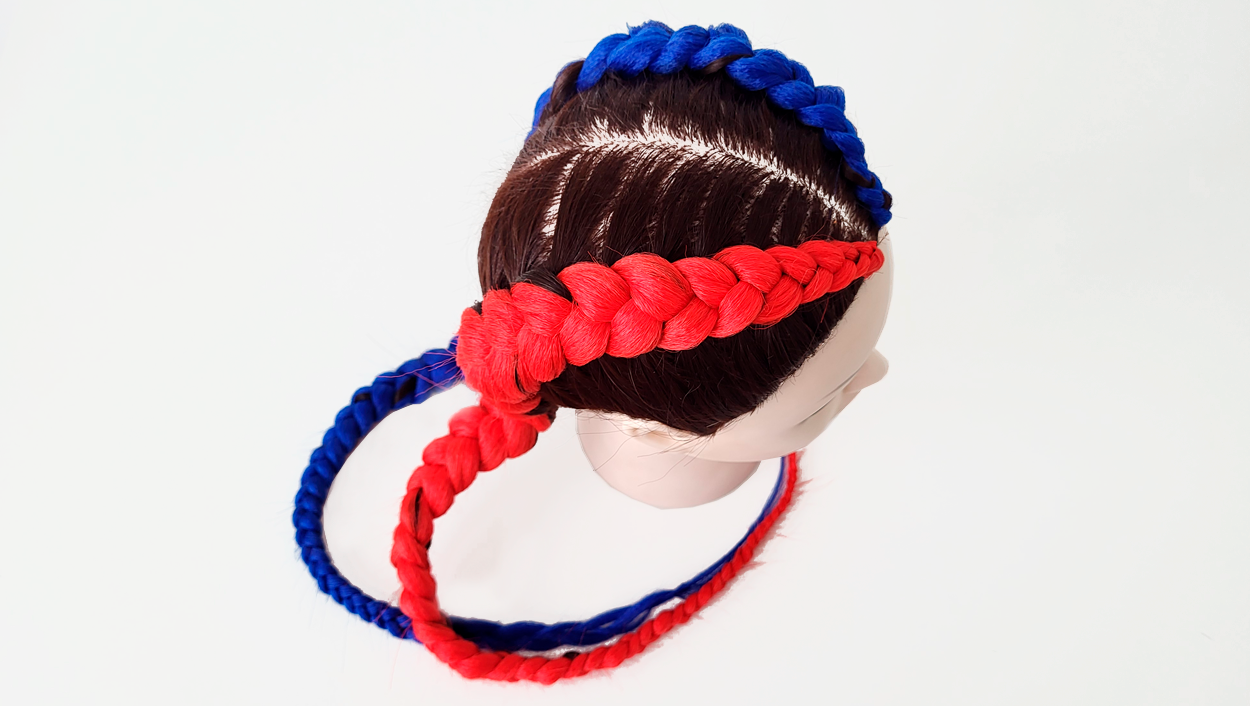
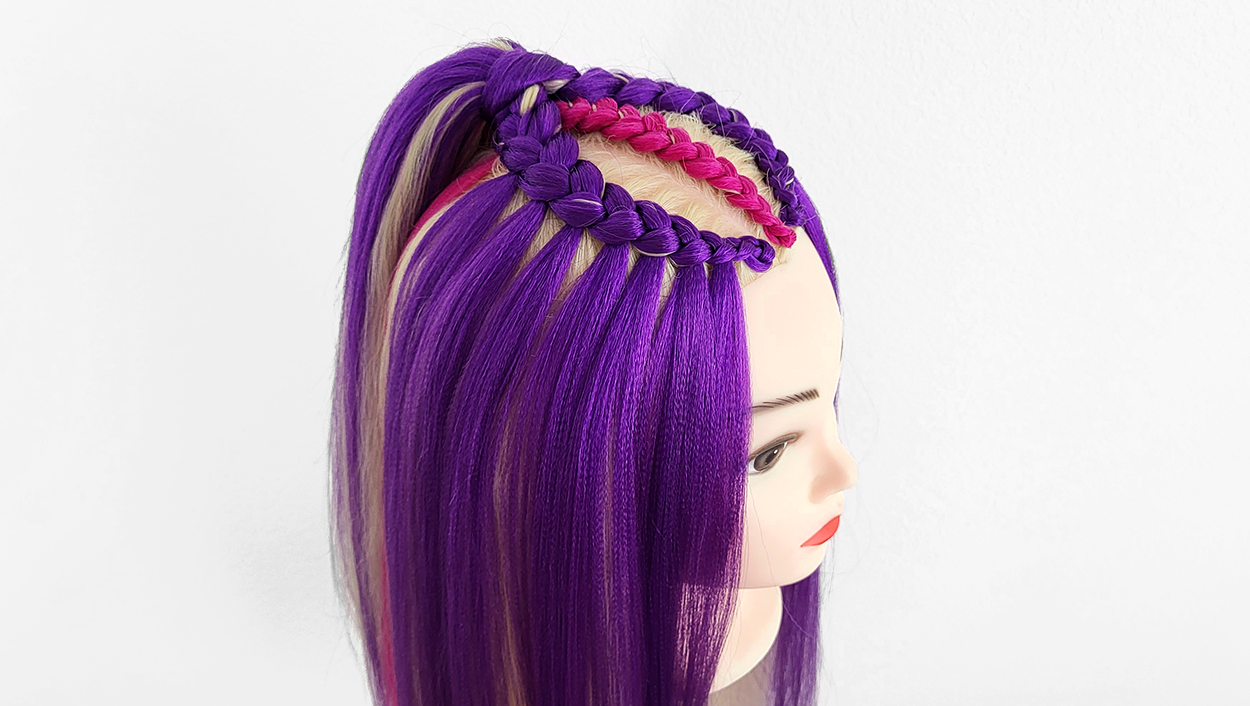
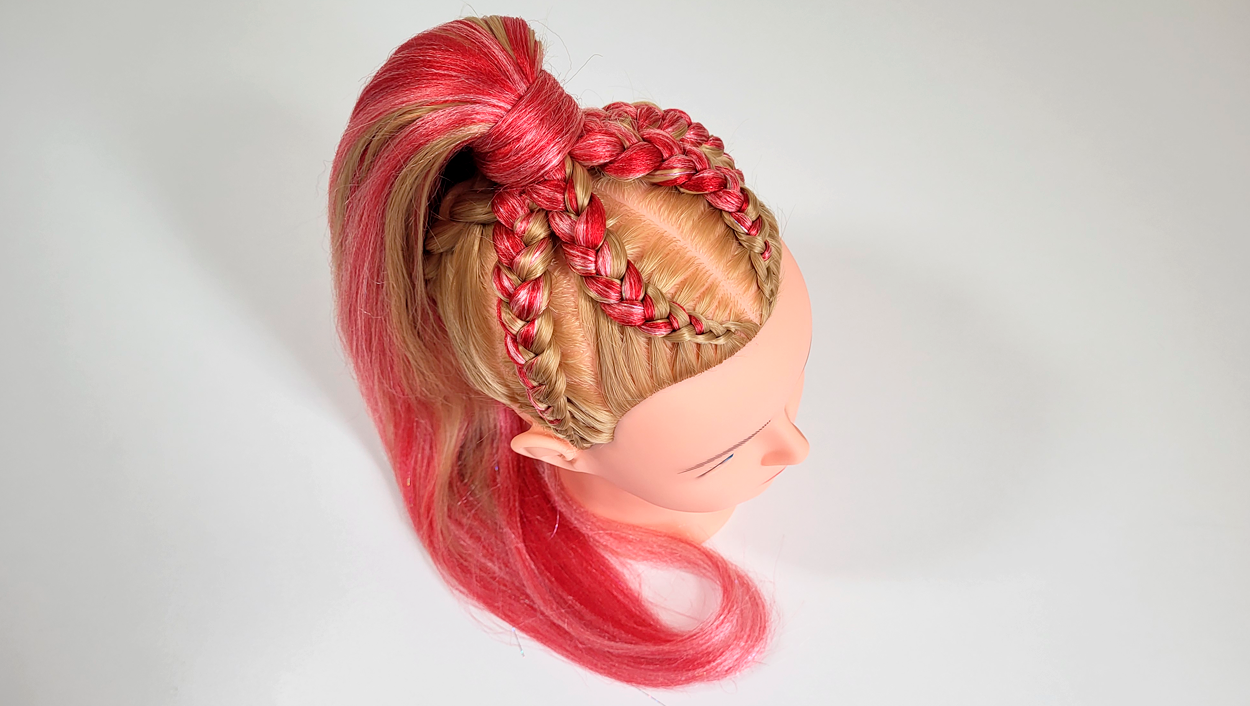
Color can make milkmaid braids more dimensional. Highlights, balayage, ombré, copper tones, blonde ribbons, burgundy shades, pastel colors, or vivid fashion shades can all make the braid texture more visible.
Because milkmaid braids sit near the top of the head, color placement is easy to notice. A highlighted braid crown can look bright and romantic. Pastel colors can make the style feel fantasy-inspired. Natural browns and blondes can make it feel soft and classic.
Color can come from permanent color, temporary color, colored extensions, ribbons, or thread.
The best color placement supports the braid shape and makes the crown effect more visible.
Milkmaid Braids with Flowers
Flowers are one of the most popular accessories for milkmaid braids. They can make the style feel bridal, bohemian, cottagecore, romantic, or festival-ready.
Small flowers can be tucked along the braid crown. Larger flowers can be placed on one side for a statement effect. Fresh flowers create a natural look, while artificial flowers offer more control and durability.
Flower placement should highlight the braid without hiding it completely. The flowers should be secured gently so they do not pull on the hair or fall out.
Milkmaid braids with flowers are especially beautiful for weddings, garden parties, photoshoots, and summer events.
Milkmaid Braids with Pearls and Hair Jewelry
Pearls and hair jewelry can make milkmaid braids feel elegant and formal. Pearl pins, crystal clips, small cuffs, delicate chains, and decorative pins can be placed along the braid or near the crown.
Pearls create a bridal and romantic effect. Metallic accessories can make the style feel more modern. Crystal pieces can add sparkle for evening events.
Accessories should be lightweight and placed carefully. Heavy jewelry can pull on the braid or make the style uncomfortable.
A good accessory finish should enhance the crown shape without overwhelming the braid texture.
Milkmaid Braids with Ribbons
Ribbons can add softness, color, and personality to milkmaid braids. They may be woven into the braids, tied at the ends, wrapped around the crown, or used as bows near the braid base.
This version works well for kids, cottagecore looks, romantic styling, holidays, photoshoots, and festivals. Satin ribbons look polished. Cotton or linen ribbons feel softer and more vintage. Bright ribbons can make the style playful.
Ribbons should be secured so they do not slip out during wear. They should also be smooth enough not to snag the hair.
Milkmaid braids with ribbons can look sweet, elegant, or whimsical depending on the color and placement.
Milkmaid Braids for Protective Styling
Milkmaid braids can be a low-manipulation style because the hair is braided and lifted away from the face and neck. For some clients, this reduces brushing, heat styling, and daily manipulation.
However, milkmaid braids are usually a short-term protective or styling option rather than a long-term extension protective style. The pins, elastics, and braid placement should be gentle.
The style should not pull tightly at the hairline, temples, or crown. Heavy extensions or accessories should be avoided if they create discomfort.
A healthy milkmaid braid style should keep the hair controlled while staying easy to remove.
Milkmaid Braids for Kids
Milkmaid braids are beautiful for kids because they can look sweet, practical, and special. The style keeps hair up and away from the face while creating a cute crown effect.
Kids’ milkmaid braids can include ribbons, bows, flowers, beads, colorful elastics, or small clips. They work well for school events, birthdays, holidays, dance, photoshoots, and everyday styling.
Children’s scalps can be sensitive, so the braids should not be tight. The pins should be secure but not uncomfortable. Heavy accessories should be avoided.
A good kids’ milkmaid braid should be cute, gentle, secure, and easy to take down.
Milkmaid Braids for Adults
For adults, milkmaid braids can look romantic, elegant, vintage, bohemian, professional, or creative. A sleek version can work for formal events. A loose version can work for festivals and cottagecore styling. A flower-decorated version can work beautifully for weddings.
Adults often choose milkmaid braids for summer events, travel, work, date nights, photoshoots, weddings, garden parties, and low-maintenance updos.
The best adult version depends on hair length, texture, outfit, occasion, and desired finish.
A polished adult milkmaid braid should look intentional, balanced, and comfortable.
Milkmaid Braids for Short Hair
Milkmaid braids can be adapted for shorter hair, but the hair may need to be long enough to braid and pin across the head. If the hair is not long enough, extensions or pinned braid pieces can help create the crown effect.
Short hair may also support a faux milkmaid braid, where smaller braids are pinned in sections to create the illusion of a wraparound crown.
Product, pins, and small elastics may be needed to control shorter pieces. Loose face-framing pieces can help make shorter styles look soft and intentional.
A short-hair milkmaid braid should focus on secure placement and balanced shape.
Milkmaid Braids for Long Hair
Long hair is ideal for milkmaid braids because the braid length can easily wrap over the head. Long hair also creates fuller braids and allows more flexibility in placement.
The braids can be crossed over the crown, wrapped around the head, or pinned into a more dramatic halo shape. Longer hair can also support fishtail, Dutch, or textured milkmaid variations.
The main challenge with long hair is weight. The braids should be pinned securely with weight distributed across the crown so the style does not pull.
A long-hair milkmaid braid should look full, elegant, and comfortable.
Parting and Placement
Parting and placement define the milkmaid braid shape. A center part creates a classic symmetrical look. A side part creates softness and asymmetry. No visible part can create a smoother crown effect.
The braids can be placed close to the front hairline for a more visible crown, or farther back for a softer updo look. The placement should complement the face shape and hairline.
The ends should be tucked under the opposite braid or hidden with pins. Visible bulky ends can make the style look unfinished.
A strong milkmaid braid begins with a clear plan for where the braids will cross and how the weight will be secured.
Tension and Comfort
Tension control is important in milkmaid braids. The braids should be secure enough to stay in place but not tight enough to cause pulling.
Because the braids are lifted and pinned over the head, discomfort can happen if the pins pull too much or if the braid weight is not balanced. The hairline and temples should not feel stretched.
Pins should be placed in a way that supports the braid without scratching or pressing into the scalp. Extensions and accessories should be lightweight.
A professional milkmaid braid should feel comfortable throughout the day.
Professional Technique Details
A professional milkmaid braid service begins with choosing the finish: sleek, loose, bridal, messy, festival, vintage, or everyday. The stylist should also decide whether the braids will be three-strand, Dutch, French, fishtail, rope, or mixed technique.
The hair should be detangled and prepared according to texture. Smooth styles may need smoothing cream or gel. Loose romantic styles may need texture spray, curls, or soft waves before braiding.
The hair is usually divided into two sections and braided. The braids are then crossed over the head, tucked, pinned, and adjusted for volume and symmetry. Face-framing pieces or accessories may be added last.
A polished milkmaid braid should look balanced, secure, and soft from the front, sides, and back.
Maintenance and Wear
Milkmaid braids are usually short-term styles, often worn for one day or for a special event. Some tighter versions may last longer, but the pinned crown shape is usually best refreshed after sleep.
To maintain the style, the wearer should avoid pulling on the braids or removing pins during wear. A light finishing spray can help control flyaways.
If the style is worn overnight, a satin or silk scarf may help reduce frizz, but the crown shape may need adjustment the next day.
Accessories should be removed gently before takedown. Pins should be taken out carefully, then the braids should be undone from the ends upward.
If the style feels tight or uncomfortable, it should be loosened or removed.
Styling Options
Milkmaid braids can be styled in many ways. They can be classic, loose, sleek, messy, Dutch, French, fishtail, rope-braided, flower-decorated, ribbon-wrapped, pearl-pinned, or combined with curls and face-framing pieces.
They can sit near the front hairline, across the crown, or slightly farther back. They can be worn with a center part, side part, soft bangs, loose curls, or a polished smooth finish.
For kids, milkmaid braids can be playful with bows and flowers. For adults, they can be bridal, romantic, vintage, cottagecore, or refined.
The best styling choice depends on hair length, hair texture, comfort, outfit, and occasion.
Milkmaid Braids in Modern Beauty Culture
Milkmaid braids remain popular because they combine vintage charm with modern styling flexibility. They appear in bridal hair, cottagecore fashion, festival styling, kids’ hairstyles, editorial shoots, natural hair styling, and everyday updos.
The style continues to evolve through loose texture, fishtail details, Dutch braid volume, flower crowns, pearl pins, ribbons, colored extensions, and soft face-framing pieces.
For stylists, milkmaid braids require more than simple braiding. They require balance, pinning control, weight distribution, texture planning, and clean finishing.
The style stays relevant because it is romantic, practical, photogenic, and adaptable across many aesthetics.
Why Milkmaid Braids Matter
Milkmaid braids matter because they turn simple braids into a timeless crown-style updo. They offer beauty, practicality, softness, and elegance in one wearable style.
For clients, milkmaid braids offer a romantic lifted look that keeps the hair controlled and comfortable. For stylists, they build skill in braiding, wrapping, pinning, symmetry, and finishing.
When done well, milkmaid braids look soft, balanced, secure, and intentional. They prove that a classic braid style can still feel modern, beautiful, and versatile.