
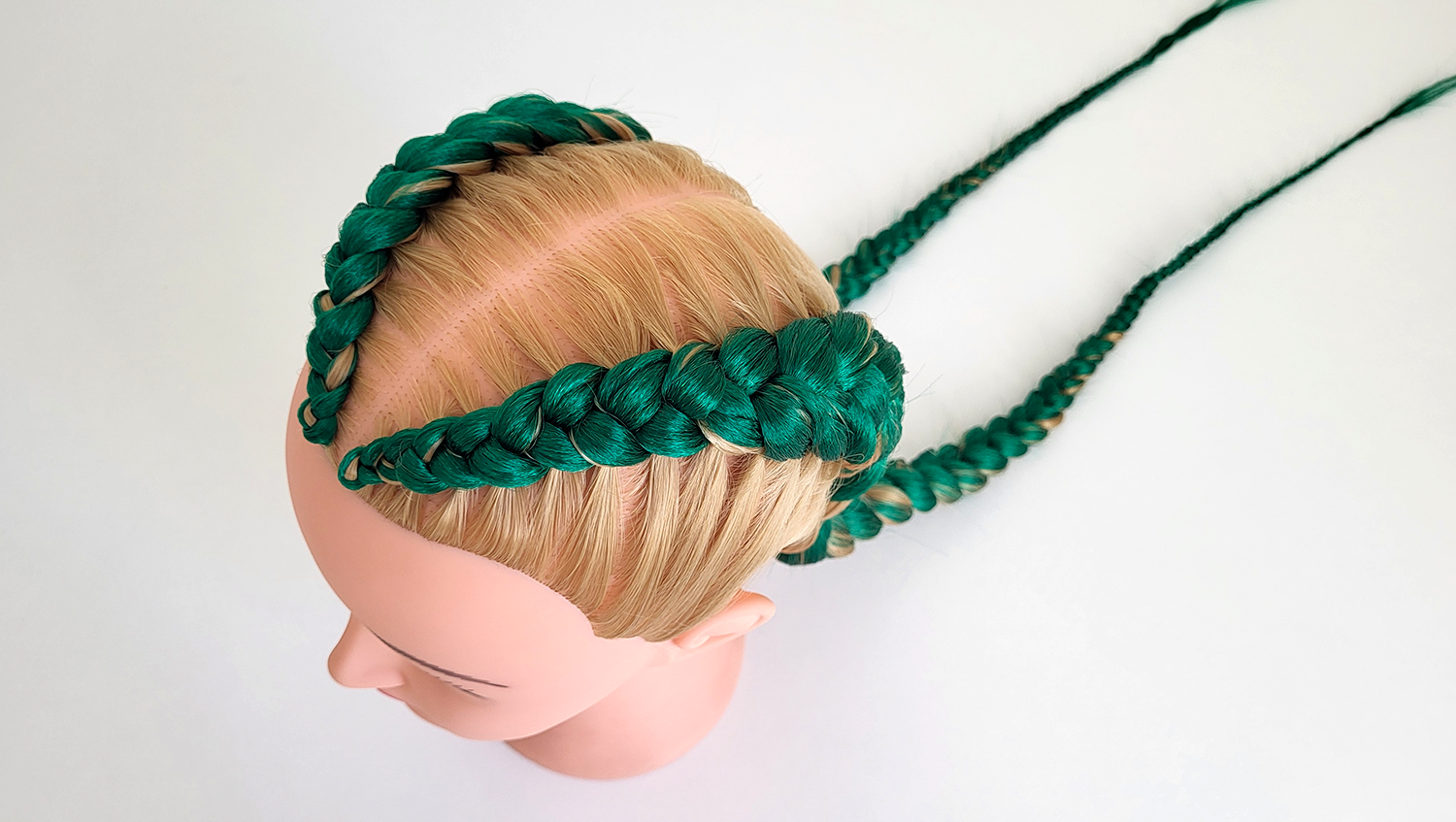
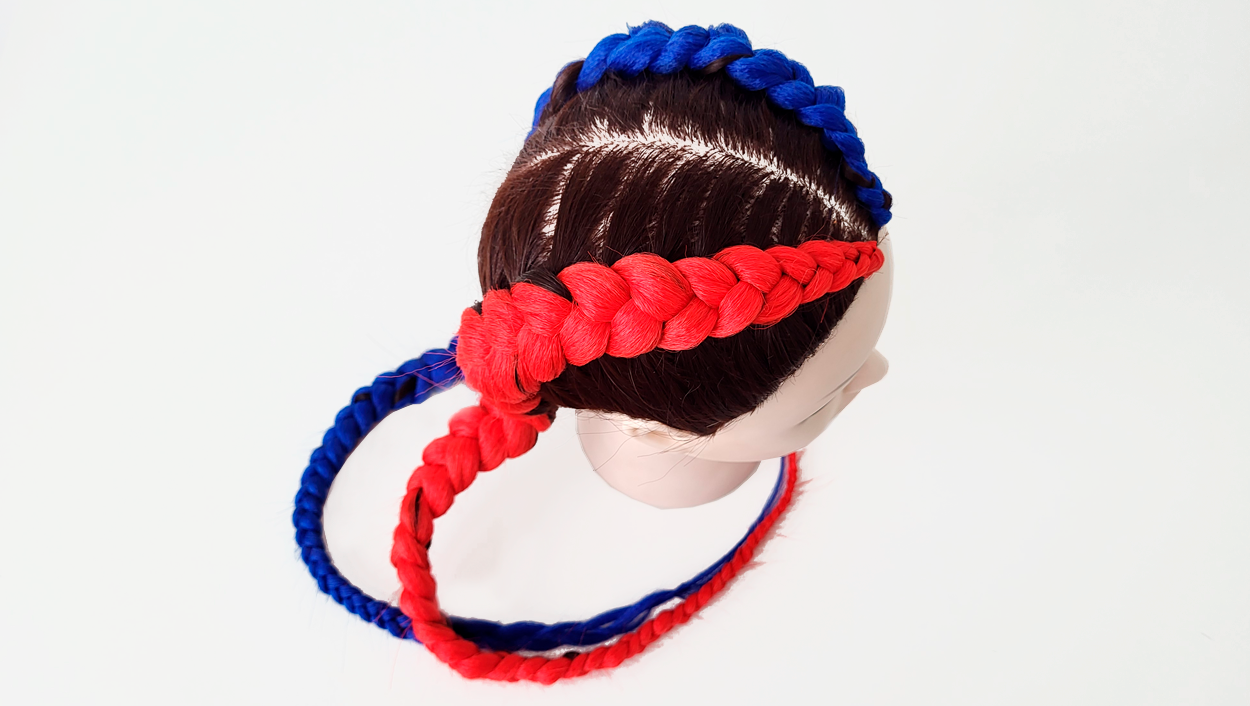
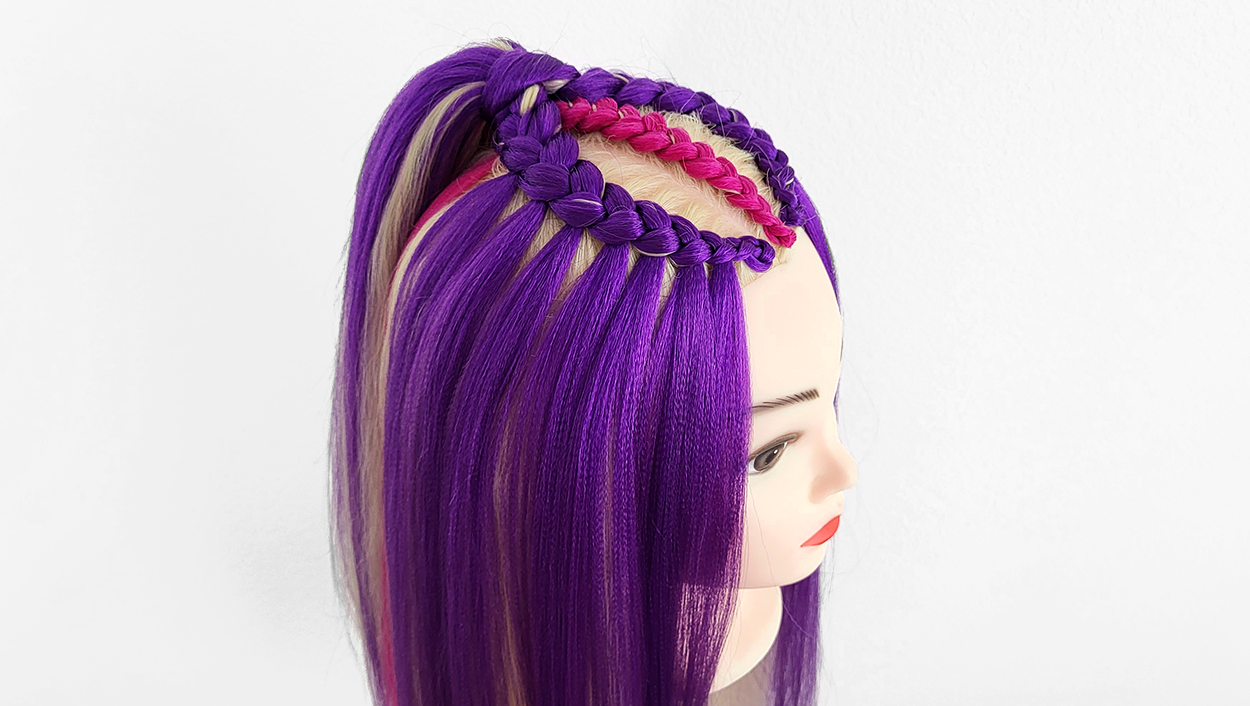
Rope Braids: Twisted Two-Strand Braids With Sleek Texture, Clean Shape, and Everyday Styling Versatility
Rope braids are braid-inspired styles created by twisting two sections of hair around each other to form a rope-like pattern. Even though they are commonly called braids, the technique is closer to twisting than traditional three-strand braiding. The result is a clean, rounded, spiral texture that can look sleek, sporty, romantic, elegant, or playful depending on the placement and finish.
The beauty of rope braids is simplicity. They can be created as one braid, two braids, ponytail braids, half-up styles, side braids, crown accents, buns, updos, or extension styles. They work on natural hair, straight hair, wavy hair, curly hair, textured hair, and synthetic hair when the sections are controlled properly.
Rope braids are popular because they are visually neat and easier for many beginners than French or Dutch braiding. A professional rope braid should look smooth, even, and balanced, with a consistent twist direction and comfortable tension from root to end.
What Are Rope Braids?
Rope braids are two-strand twist braids created by twisting two sections of hair individually and then wrapping them around each other in the opposite direction. This opposite-direction tension helps the braid hold its rope-like shape.
The technique can be used on loose hair, ponytails, scalp sections, or extension hair. A rope braid may hang freely, wrap into a bun, form a crown, decorate a half-up style, or become part of a more complex braid design.
Rope braids can be temporary everyday styles or part of longer-wear protective styling when created with extensions or textured hair. The style does not permanently change the natural hair and can be removed by gently unraveling the twist.
The defining feature is the spiral rope effect. Instead of three strands woven over and under, two sections twist together in a rounded pattern.
Why Rope Braids Stand Out
Rope braids stand out because they create a clean spiral texture with a simple technique. The style looks polished without requiring complex braiding skill.
They are also very versatile. A rope braid can look sleek for a formal ponytail, playful for kids’ pigtails, romantic for a bridal updo, or sporty for active styling. The same technique can be adapted to many hair lengths and textures.
Rope braids are especially useful for ponytails and buns because the twist gives the hair structure and visual interest. A simple ponytail can look more styled when the length is twisted into a rope braid.
Another reason rope braids remain popular is speed. Once the twist direction is understood, the technique can be fast, practical, and easy to repeat.
Rope Braids vs. Regular Braids
Regular braids usually use three strands woven over and under each other. Rope braids use two sections twisted around each other.
Regular braids create a flatter woven pattern. Rope braids create a rounded spiral pattern. Regular braids may hold better on slippery hair without product, while rope braids often need correct twist direction, elastics, or light styling product to stay secure.
Regular braids can look classic and structured. Rope braids can look sleek, twisted, and polished.
Both styles are versatile, but rope braids are often easier for beginners who find three-strand section control difficult.
Rope Braids vs. Two-Strand Twists
Rope braids and two-strand twists are closely related, but the finish can differ depending on technique. A basic two-strand twist may simply wrap two sections around each other. A rope braid usually requires each section to be twisted individually in one direction, then wrapped together in the opposite direction.
This creates a tighter, more defined rope effect. The opposite tension helps the twist hold its shape and look cleaner.
Two-strand twists are often used in natural hair styling and protective routines. Rope braids are often used in ponytails, updos, decorative braids, and sleek styling.
The difference is often purpose and finish. Rope braids usually look more polished and spiral-shaped.
Rope Braids vs. Fishtail Braids
Fishtail braids use two main sections, but the technique is different. In a fishtail braid, small pieces are crossed from the outside of one section to the opposite side. In a rope braid, two sections are twisted and wrapped around each other.
Fishtail braids create a detailed, scale-like texture. Rope braids create a smooth spiral texture.
Fishtail braids usually take more time and require repeated small section transfers. Rope braids are usually faster once the twist direction is understood.
Both styles can look elegant, romantic, or creative, but rope braids feel cleaner and more rounded, while fishtail braids feel more intricate and woven.
Rope Braids vs. French Rope Braids
A basic rope braid is created from a fixed amount of hair, often in a ponytail or loose section. A French rope braid adds hair into the twist as it moves along the scalp, similar to how a French braid adds hair while braiding.
French rope braids can create a beautiful twisted line along the head. They are useful for crown styles, side twists, half-up looks, and updos.
French rope braids require more control because the stylist must twist, wrap, and add hair while maintaining the rope direction.
A basic rope braid is easier and faster. A French rope braid is more advanced and scalp-connected.
Common Types of Rope Braids
Classic rope braids use two sections twisted into one clean spiral braid.
Ponytail rope braids turn a ponytail length into a sleek rope effect.
Double rope braids create two twisted braids, often worn as pigtails or side braids.
French rope braids add hair along the scalp for a connected twisted pattern.
Rope braid crowns wrap twisted sections around the head for a romantic halo effect.
Rope braid buns coil the twisted braid into a bun or chignon.
Rope braids with extensions add length, fullness, and color.
Rope braids with curls combine twist structure with soft loose texture.
Rope braids with accessories use beads, cuffs, ribbons, pearls, or hair jewelry for decoration.
Classic Rope Braids
Classic rope braids are created by dividing the hair into two sections, twisting each section in one direction, then wrapping the two sections around each other in the opposite direction.
This version is clean, simple, and easy to recognize. It can be worn down the back, over one shoulder, or as part of a ponytail.
Classic rope braids work well for everyday styling, school, work, dance, sports, and quick polished looks. They can be sleek and tight or softly loosened depending on the desired finish.
A strong classic rope braid should have a consistent spiral and should not unravel quickly.
Ponytail Rope Braids
Ponytail rope braids are one of the most popular versions. The hair is first secured into a ponytail, then the ponytail length is twisted into a rope braid.
This style can look sleek, modern, athletic, or glamorous depending on the ponytail height and finish. A high rope braid ponytail feels bold and youthful. A low rope braid ponytail feels elegant and minimal.
Ponytail rope braids work well with natural hair, straightened hair, extensions, and synthetic ponytail pieces. The base should not be too tight, especially for long or heavy hair.
A polished ponytail rope braid should look smooth at the base and even through the length.
Double Rope Braids
Double rope braids create two rope braids, usually one on each side of the head. They can be worn as pigtails, low side braids, or sporty twin braids.
This version is popular for kids, school, workouts, dance, festivals, and casual styling. It can look playful, athletic, or cute depending on the sectioning and accessories.
The two sides should be balanced in size and tension. The twists should move in a consistent direction so the style looks even.
A good double rope braid style should feel secure without pulling at the hairline or scalp.
French Rope Braids
French rope braids are created by adding hair into the two twisted sections as the braid travels along the scalp. This creates a twisted line that sits close to the head.
This version is more advanced than a basic rope braid. It can be used for side twists, crown styles, half-up looks, low updos, and elegant event hairstyles.
French rope braids work well when the stylist wants a softer twisted look instead of a traditional French braid. They can be sleek or loosened for a more romantic finish.
A professional French rope braid should have clean pickups, even tension, and a smooth spiral path.
Rope Braid Crowns
Rope braid crowns wrap twisted sections around the head to create a halo or crown effect. The rope braid may be created from two side sections, pinned across the crown, or worked around the scalp using a French rope technique.
This style is romantic, feminine, and beautiful for weddings, garden parties, kids’ styles, festivals, and cottagecore looks.
Rope braid crowns can be decorated with flowers, pearls, ribbons, or delicate pins. Loose face-framing pieces can make the style softer.
A strong rope braid crown should be balanced, secure, and comfortable without tight pulling or heavy pins.
Rope Braid Buns
Rope braid buns are created by twisting the hair into a rope braid and then wrapping it into a bun. The bun may be high, low, side-positioned, sleek, messy, or formal.
The rope texture adds dimension to the bun and makes a simple updo look more detailed. This works well for bridal styling, dance, work, formal events, and everyday polished looks.
A rope braid bun can be created from one large rope braid or several smaller rope braids pinned together.
A polished rope braid bun should feel secure without pinching the scalp or pulling the hairline.
Rope Braids with Extensions
Extensions can add length, fullness, and color to rope braids. Clip-ins, ponytail extensions, synthetic braiding hair, textured extension hair, or colored strands may be used depending on the look.
Extensions are especially useful for long rope braid ponytails, thick twist crowns, fantasy styles, and color-accented looks. Added hair can make the spiral shape more dramatic and visible.
The extension weight should be balanced. Heavy extensions can pull at the scalp, especially in high ponytails or crown styles.
A professional rope braid with extensions should look seamless, full, and comfortable.
Rope Braids with Synthetic Hair
Synthetic hair can be used to create bold rope braid styles with length, color, and structure. It is common in festival braids, ponytail braids, kids’ creative styles, and extension twist looks.
Pre-stretched braiding hair can create a smoother rope braid, while textured synthetic hair can create a softer or more natural finish. Colored synthetic hair can make the spiral pattern more visible.
The hair should be added evenly so the rope braid does not become lopsided or too heavy.
A good synthetic rope braid should look full and clean while still feeling comfortable.
Rope Braids with Natural Hair
Rope braids can be created with natural hair only. On straight hair, they can look smooth and sleek. On wavy hair, they can look soft and romantic. On curly, coily, or kinky hair, they can create beautiful textured twists when the hair is moisturized and controlled.
Natural hair rope braids may need product to help the sections hold. Curl cream, mousse, gel, or light styling cream can help depending on the hair texture.
On natural textured hair, rope braids can also be used as a low-manipulation style or as a twist-out preparation method.
A natural-hair rope braid should feel soft, secure, and gentle on the scalp.
Rope Braids with Color
Color can make rope braids more expressive and dimensional. Highlights, balayage, ombré, vivid colors, pastel shades, or colored extension pieces can show beautifully in the spiral pattern.
Blonde, caramel, copper, burgundy, auburn, silver, and gray can create soft dimension. Pink, purple, blue, green, red, orange, or neon shades can create festival or fantasy energy.
Color placement can be subtle or bold. A few colored strands twisted into the rope braid can create a ribbon-like effect. Full-color extensions can create a strong statement look.
The best color plan supports the spiral texture and makes the rope pattern easier to see.
Rope Braids with Accessories
Accessories can personalize rope braids. Ribbons, cuffs, beads, rings, pearls, flowers, shells, clips, charms, thread, and hair jewelry can all be used.
Ribbons can be twisted into the rope braid for a decorative wrapped effect. Pearls and flowers can make rope braid crowns more bridal. Cuffs and rings can make ponytail rope braids look modern or festival-ready.
Accessories should be lightweight and smooth so they do not snag or pull on the twist.
A good accessory finish should enhance the rope shape without hiding the spiral pattern.
Rope Braids for Protective Styling
Rope braids can be low-manipulation or protective depending on the hair type, technique, and wear time. On natural hair, rope twists can keep the hair organized and reduce daily combing.
However, many rope braid styles are short-term decorative styles rather than long-term protective styles. Tight ponytail bases, small elastics, or heavy extensions can create tension if not handled carefully.
The style should not pull at the hairline, temples, crown, or nape. If the rope braid is used as a protective style, the sections should be gentle and the hair should be moisturized.
A healthy rope braid style should feel comfortable during installation, wear, and removal.
Rope Braids for Kids
Rope braids are great for kids because the technique can be quick, cute, and secure. They can be worn as ponytails, pigtails, crown twists, side braids, buns, or school hairstyles.
Kids’ rope braids may include bows, ribbons, beads, colorful elastics, clips, flowers, or small accessories. They work well for school, dance, sports, birthdays, holidays, and everyday routines.
Children’s scalps can be sensitive, so the twists should not be tight. Elastics should be removed gently, and heavy accessories should be avoided.
A good kids’ rope braid style should be cute, comfortable, secure, and easy to remove.
Rope Braids for Adults
For adults, rope braids can look sleek, romantic, sporty, elegant, bohemian, or modern. A high rope braid ponytail can feel bold and polished. A low rope braid bun can feel elegant. A rope crown can feel soft and bridal.
Adults often choose rope braids for work, workouts, weddings, proms, festivals, vacations, date nights, photoshoots, and quick everyday styling.
The best adult version depends on hair length, texture, outfit, occasion, and desired finish.
A polished adult rope braid should look intentional, smooth, and balanced.
Rope Braids for Short Hair
Rope braids can work on short hair when the hair is long enough to twist and secure. Shorter hair may support rope braid accents, half-up rope twists, side twists, or small crown details.
Product, pins, or small elastics may help hold shorter layers. Extensions can be added for longer rope braid effects when the natural hair can support them safely.
Short hair should not be forced into tight rope braids. If the sections are too short, the twist may slip or create tension.
A short-hair rope braid should focus on secure placement, comfort, and clean shape.
Rope Braids for Long Hair
Long hair is ideal for rope braids because the spiral pattern can continue through the length. Long rope braids can look dramatic, sleek, and elegant.
Long hair can be styled into ponytail rope braids, side rope braids, double rope braids, rope braid buns, or crown styles. The longer the hair, the more visible the twist pattern becomes.
The main challenge with long hair is keeping the twist direction consistent. The stylist should maintain even tension so the rope braid does not unravel or twist unevenly.
A strong long-hair rope braid should look smooth, balanced, and secure.
Parting and Placement
Parting and placement shape the final rope braid style. A center part can create double rope braids or symmetrical crown twists. A side part can create a romantic side rope braid. No visible part can create a sleek ponytail rope braid.
Placement depends on the style goal. A high ponytail rope braid feels bold. A low side rope braid feels soft. A crown rope braid feels romantic. A bun feels polished.
Clean sectioning helps the twist look professional. For looser romantic styles, the sections can be softened after the braid is secured.
A strong rope braid begins with clear placement and controlled sections.
Twist Direction and Technique
Twist direction is the key to a clean rope braid. Each of the two sections is twisted in one direction, then the sections are wrapped around each other in the opposite direction.
This opposing motion helps lock the rope braid into place. If both motions go the same direction, the twist may unravel quickly.
For example, the stylist may twist each section to the right, then wrap the sections around each other to the left. The exact direction can vary, but the principle must remain consistent.
A professional rope braid should have even twist tension and a clear spiral pattern from top to bottom.
Tension and Scalp Comfort
Tension control is important in rope braids. The twist should feel secure but not painful. Tight ponytail bases, tight scalp twists, or heavy extensions can create discomfort.
The hairline, temples, crown, and nape should be protected. This is especially important for kids, clients with fine hair, or clients wearing extensions.
If pins or elastics are used, they should hold the style without pulling or snagging. The wearer should not feel headaches, burning, or sharp pulling.
A comfortable rope braid should feel secure, flexible, and easy to wear.
Professional Technique Details
A professional rope braid service begins with choosing the placement and finish. The stylist should decide whether the look will be classic, ponytail, double, French rope, crown, bun, sleek, loose, bridal, sporty, or festival-inspired.
The hair should be detangled and prepared according to texture. Smooth styles may need gel, serum, or cream. Soft textured styles may need mousse, curl cream, or light spray. Extension styles require careful weight and color planning.
The stylist divides the hair into two sections, twists each section evenly, then wraps them in the opposite direction to create the rope pattern. The ends are secured, tucked, curled, or pinned depending on the style.
A polished rope braid should have a consistent spiral, clean finish, secure hold, and comfortable tension.
Maintenance and Wear
Many rope braids are short-term styles worn for one day, an event, or everyday styling. Some natural-hair rope twists or extension rope twist styles may last longer depending on hair texture and installation method.
To maintain a short-term rope braid, the wearer should avoid pulling on the twist or brushing through it. A light finishing spray can help reduce flyaways.
At night, a satin or silk scarf or pillowcase can reduce friction if the style will be worn again the next day. Loose rope braids may need refreshing after sleep.
Removal should be gentle. Elastics, pins, and accessories should be removed first, then the twist should be unraveled from the ends upward.
If the style feels tight, heavy, or uncomfortable, it should be loosened or removed.
Styling Options
Rope braids can be styled in many ways. They can be worn as classic rope braids, ponytail rope braids, double rope braids, side rope braids, French rope braids, rope braid crowns, rope braid buns, half-up twists, festival braids, bridal updos, or kids’ pigtails.
They can be paired with curls, waves, synthetic hair, colored extensions, ribbons, bows, beads, cuffs, pearls, shells, flowers, glitter, and hair jewelry.
For kids, rope braids can be playful and practical. For adults, they can be sleek, romantic, modern, bridal, sporty, or editorial.
The best styling choice depends on hair length, texture, comfort, occasion, and desired finish.
Rope Braids in Modern Beauty Culture
Rope braids remain popular because they are simple, clean, and highly adaptable. They appear in kids’ hairstyles, bridal styling, ponytail trends, festival looks, natural hair routines, social media tutorials, and everyday quick styling.
The style continues to evolve through high ponytail rope braids, rope braid crowns, extension rope braids, colorful synthetic hair, ribbon-wrapped twists, and sleek formal updos.
For stylists, rope braids require more than twisting hair casually. They require consistent direction, section control, tension awareness, and clean finishing.
The style stays relevant because it is beginner-friendly, elegant, practical, and easy to personalize.
Why Rope Braids Matter
Rope braids matter because they offer a simple technique with a polished visual result. They make twisted styling accessible while still allowing creative, elegant, and professional finishes.
For clients, rope braids offer structure, speed, beauty, and versatility. For stylists, they build skill in twist control, symmetry, extension balance, and finishing.
When done well, rope braids look smooth, secure, comfortable, and intentional. They prove that braid-inspired styling can be simple, beautiful, and highly versatile at the same time.