
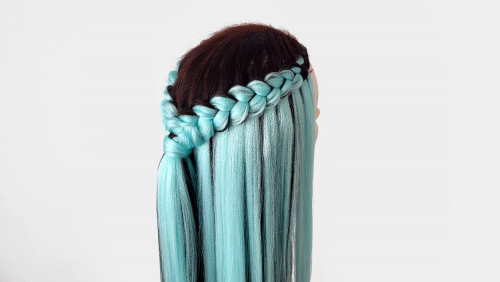
Sphinx of Braids: A Sculptural Fantasy Braid Concept With Mystery, Power, and Editorial Detail
Sphinx of Braids is not a widely standardized salon term like cornrows, box braids, knotless braids, or Senegalese twists. It works best as a creative braid concept: a sculptural, fantasy-inspired hairstyle built around mystery, symmetry, strength, and highly intentional braid design. The name suggests something powerful and iconic — a hairstyle that feels less like everyday braiding and more like wearable hair art.
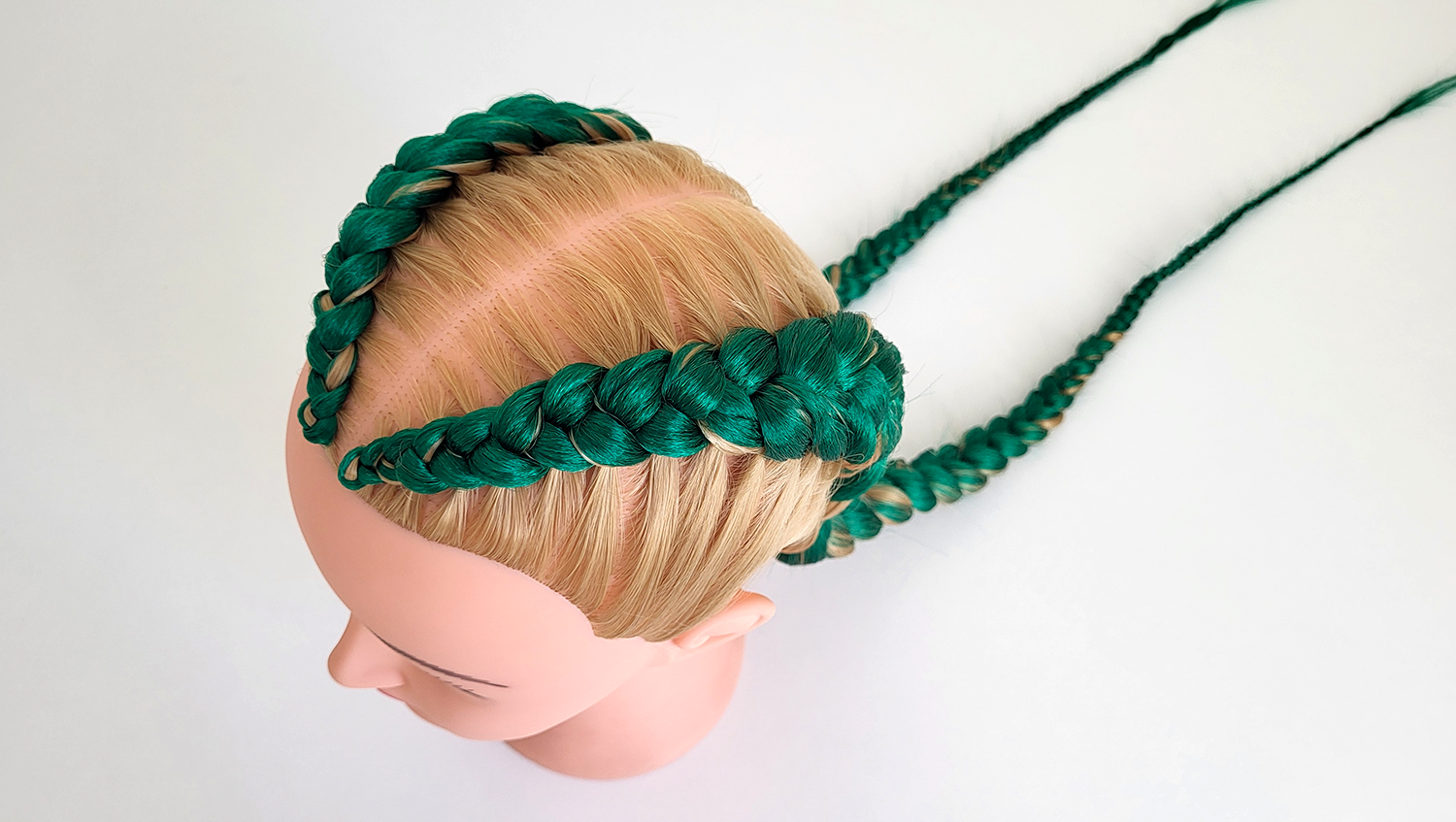
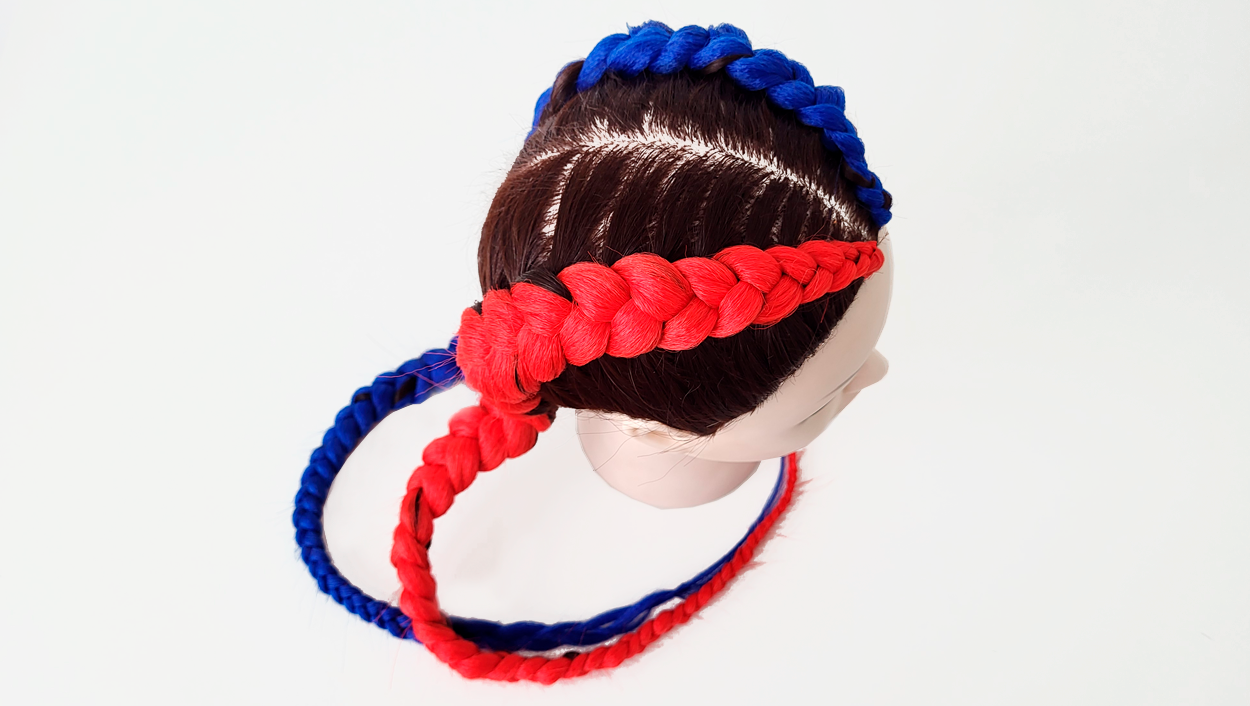
This type of braid look can be interpreted in several ways. It may include cornrow patterns that frame the head like a crown, long extension braids that fall like a mane, braided panels shaped close to the scalp, gold cuffs, thread, shells, beads, or hair jewelry. It can also include high braided ponytails, braided headpieces, loc-inspired details, or sculptural sections that create a dramatic profile.
The idea behind Sphinx of Braids is not one single technique. It is a styling direction. The braid work should feel strong, balanced, mysterious, and architectural. The finished look should have presence from every angle: front, side, back, and profile.
What Is Sphinx of Braids?
Sphinx of Braids can be described as a fantasy braid style inspired by sculptural form, ancient beauty references, and protective braid artistry. The hairstyle usually depends on clean parting, bold structure, and a powerful silhouette.
The look may be created with cornrows, stitch braids, feed-in braids, box braids, knotless braids, loc-inspired braids, twists, or a combination of several techniques. What makes the style feel like “Sphinx of Braids” is the final mood: regal, mysterious, symmetrical, and visually commanding.
A soft everyday braid style may not fit this name. Sphinx of Braids should feel more elevated. It can be used for editorial photoshoots, beauty campaigns, fantasy styling, performance hair, festival looks, costume design, content creation, or artistic salon work.
The hairstyle is less about casual convenience and more about braid design as identity, shape, and visual storytelling.
Key Visual Features
The strongest feature of a Sphinx of Braids look is structure. The braids should not feel random. Every line should have direction. Every part should support the overall shape. The style may include a central part, curved side patterns, symmetrical cornrows, or a crown-like layout around the head.
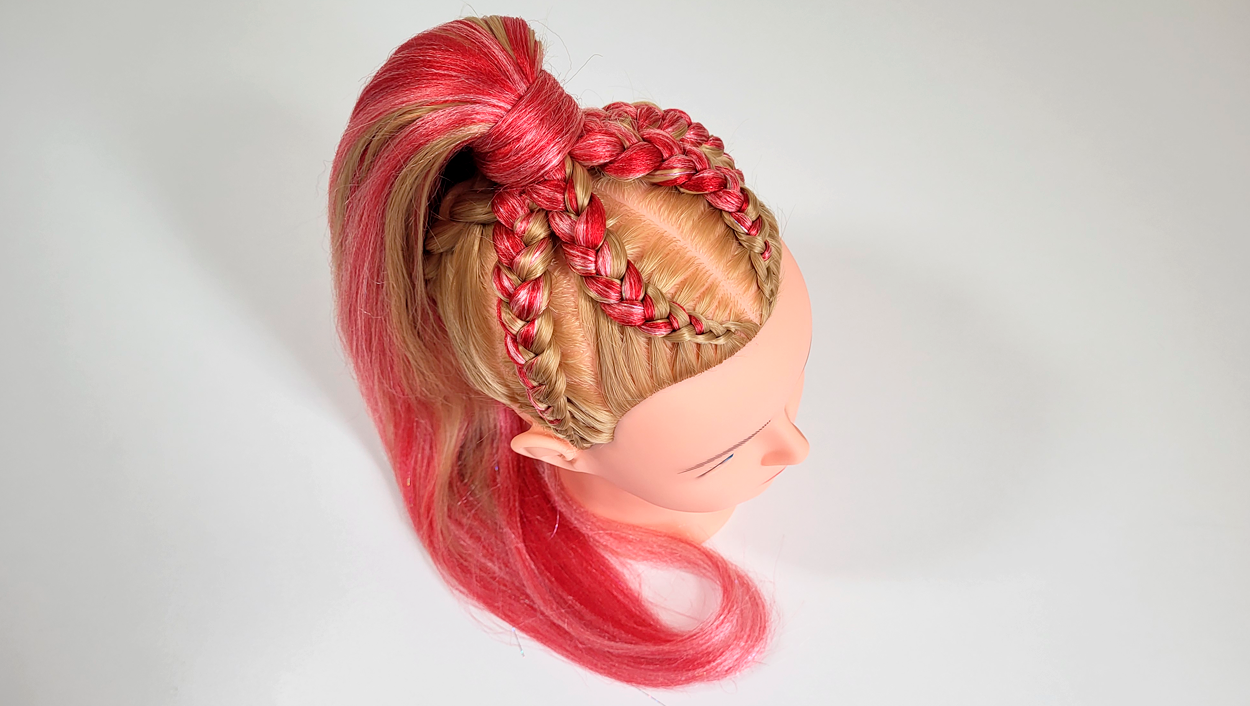
Another key feature is silhouette. The style may create height at the crown, length through the back, or a strong face-framing shape. Long braids can create the feeling of a mane. Braided side panels can create a sculpted profile. A high braided ponytail can add drama and vertical power.
Decorative details also matter. Gold cuffs, metallic thread, cowrie shells, beads, braid rings, chains, or wrapped accents can make the style feel more iconic. These details should be placed carefully, not overloaded.
The result should feel intentional, artistic, and polished.
Possible Techniques Used
Cornrows can create the foundation of a Sphinx of Braids style. They allow the stylist to design clean scalp patterns, curved lines, geometric shapes, or symmetrical sections.
Stitch braids can make the look sharper. The stitch effect adds clean visual rhythm and makes the design feel technical and high-definition.
Feed-in braids can add length and volume while keeping the root area smooth. This is useful when the style needs long braids, a braided ponytail, or dramatic extension length.
Box braids or knotless braids can be added to create movement and fullness. They may fall from the back or sides while the front remains sculpted with cornrows.
Loc-inspired braids or faux loc details can add texture and a more ancient, powerful feeling. These details work well when the style is meant to look bold, grounded, and symbolic.
Twists can soften the design. They can be used at the ends, around the face, or in mixed-texture sections.
Design and Parting
Parting is the backbone of this style. A Sphinx of Braids look should have clear visual planning before the first braid begins. The stylist may use a central line, triangular sections, curved panels, diamond parts, or crown-shaped divisions.
Symmetry often works well because it creates a regal effect. Matching braid patterns on both sides of the head can make the style look balanced and powerful. However, asymmetry can also work if the design is editorial and intentional.
Negative space is important. The scalp pattern should have room to breathe. Too many small details can make the design look crowded. A few strong lines may create more impact than many random sections.
The parting should support the head shape and face shape. A strong center design can elongate the face. Side curves can soften the look. Crown placement can create height. Back sections can create flow and length.
Hair Extensions and Length
Extensions can help create the full Sphinx of Braids effect. Synthetic braiding hair can add length, thickness, color, and shape. Long braids can make the style feel more dramatic and statue-like, while shorter sculpted braids can make it feel more modern and editorial.
The amount of added hair must be controlled. A dramatic style does not need to be painful or heavy. Too much extension hair can pull on the scalp, distort the braid pattern, or make the style difficult to wear.
Length can change the mood. Shoulder-length braids feel bold but wearable. Mid-back braids feel classic and protective. Waist-length or extra-long braids create a stronger fantasy effect.
Color also matters. Natural black, espresso brown, bronze, copper, honey blonde, platinum, burgundy, silver, or gold-threaded blends can all support the Sphinx-inspired mood. Metallic accents can make the look feel more ceremonial or editorial.
Accessories and Finishing Details
Accessories can define the style. Gold cuffs are one of the strongest choices because they add shine and a regal finish. Cowrie shells can add cultural and natural symbolism. Metallic thread can emphasize braid direction. Chains can create an editorial edge. Beads can add movement at the ends.
Placement should be precise. Accessories near the face create focus. Accessories at the crown create power. Accessories at the ends emphasize length. Scattered accessories create texture, but too many can weaken the design.
The finish should be clean. Flyaways may be controlled with mousse, gel, or finishing foam depending on the hair type and braid technique. Ends may be sealed, curled, dipped, wrapped, or decorated.
The best version looks bold without looking messy. The accessories should support the braid work, not hide it.
Who Is Sphinx of Braids Best For?
Sphinx of Braids is best for someone who wants a statement hairstyle. It is ideal for clients who want something more artistic than a standard braid set and are comfortable with a strong visual look.
This style works well for photoshoots, music videos, fashion editorials, beauty campaigns, festivals, performances, themed events, creative content, or personal branding. It can also work for a client who wants a protective style with a more elevated artistic concept.
It may not be the best choice for someone who wants a very simple, low-attention everyday hairstyle. The look is designed to be noticed.
Clients with sensitive scalps, fragile edges, thinning areas, or recent breakage should choose a lighter version. The design can still be dramatic without heavy extensions or tight braiding.
Professional Technique Details
A professional Sphinx of Braids style requires planning before installation. The stylist should define the shape, braid direction, section size, extension amount, color placement, accessory placement, and final finish.
Tension control is essential. Strong visual design should never depend on painful tightness. The braids should sit securely without pulling the hairline, temples, crown, or nape.
The design should be checked from all angles. A style like this needs a strong front view, clean side profile, and balanced back view. The silhouette matters as much as the individual braids.
If accessories are used, they should be lightweight and smooth. Sharp or heavy pieces can snag hair or create discomfort. Chains and cuffs should be secured carefully so they do not pull during wear.
The final result should feel wearable, even if it looks dramatic.
Maintenance and Wear
Wear time depends on the techniques used. A temporary editorial version may last one day. A cornrow-based version may last longer. A full protective braid installation with extensions may last several weeks if it is installed and maintained properly.
At night, the style should be protected with a satin or silk scarf, bonnet, or pillowcase. Long braids should be gathered loosely to reduce tension and tangling.
Accessories should be checked during wear. If a cuff, shell, chain, or charm becomes loose, sharp, or uncomfortable, it should be removed or adjusted.
The scalp should remain comfortable. Pain, bumps, tightness, or headaches are signs that the style needs to be loosened or removed.
Removal should be slow and careful, especially if the style includes thread, chains, beads, or wrapped details.
Why Sphinx of Braids Matters
Sphinx of Braids matters because it represents braiding as sculpture, not only styling. It shows how braid techniques can move beyond function and become a full visual concept.
For clients, the style offers power, fantasy, beauty, and self-expression. For stylists, it is a chance to combine technical braiding, design planning, accessory work, and editorial vision.
When done well, Sphinx of Braids looks bold, balanced, mysterious, and unforgettable. It turns the head into a canvas and the braids into architecture.