
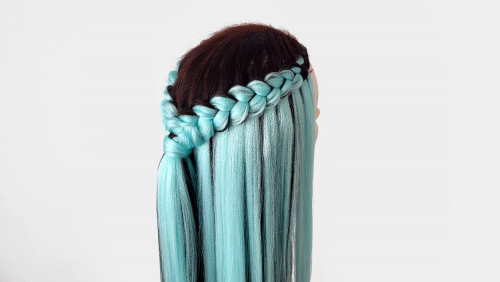
Straight-Back Braids: Clean Direction, Scalp Control, and Timeless Protective Structure
Straight-back braids are one of the most recognizable and practical braid styles in the beauty industry. The braids begin near the front hairline and travel toward the back of the head in a clean, consistent direction. The result is structured, neat, and easy to wear.
This style is most often created as cornrows, but it can also include feed-in braids, stitch braids, Ghana braids, small scalp braids, large straight-back braids, or braided extension styles. The defining feature is direction: the braids move backward in rows instead of curving, crossing, or forming decorative shapes.
Straight-back braids are popular because they combine simplicity with function. They can protect the hair, reduce daily manipulation, keep the scalp accessible, and create a polished look that works for school, work, sports, travel, protective styling, and everyday beauty. The style can be minimal and natural or bold and dramatic depending on braid size, parting, length, extensions, and finish.
What Are Straight-Back Braids?
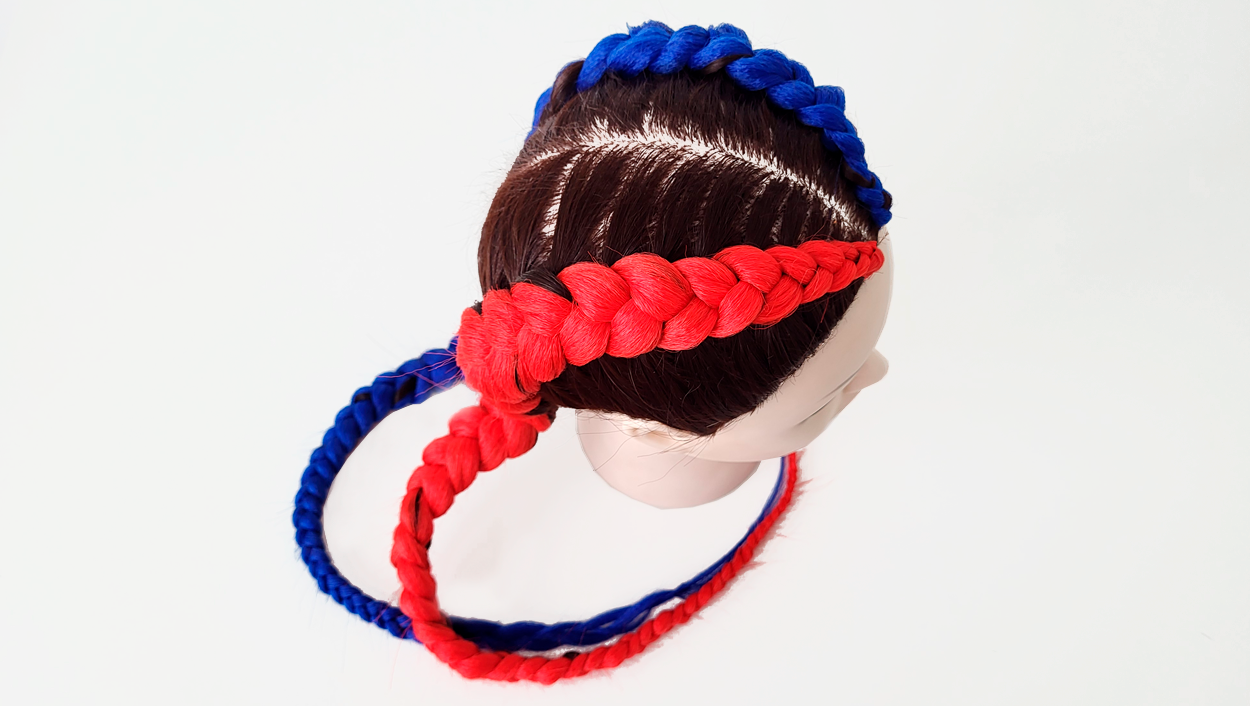
Straight-back braids are scalp braids that move from the front of the head toward the nape or back section. The braid path is direct, usually following clean vertical or slightly angled parts. Each braid is formed close to the scalp while hair is added section by section as the braid moves backward.
The style can be done with natural hair only or with synthetic braiding hair added for extra length, fullness, and durability. When extensions are added gradually, the style is often called feed-in straight-back braids. When the braid includes highly defined parting lines, it may be described as stitch straight-back braids.
Straight-back braids can be small, medium, jumbo, simple, sleek, long, short, or highly detailed. They can end at the nape, continue into long braids, gather into a ponytail, or be finished with beads, cuffs, curls, or sealed ends.
The main feature is the straight backward movement. The design is clean, directional, and easy to identify.
Why Straight-Back Braids Are So Popular
Straight-back braids are popular because they are practical and timeless. The style keeps the hair organized and controlled while still allowing many different looks. It can be worn casually, professionally, athletically, or as a base for more advanced styling.
The style is also efficient. Compared with complex creative cornrow patterns, straight-back braids are easier to plan because the direction is clear. This makes them a common choice for clients who want a clean protective style without excessive design detail.
Straight-back braids also work well with many hair textures. Curly, coily, kinky, relaxed, transitioning, and textured hair can all be braided into this style when properly prepared. Extensions can be added when the client wants more length, thickness, or color.
For stylists, straight-back braids are a foundational service. They test parting, tension control, braid consistency, scalp comfort, and clean finishing.
Straight-Back Braids vs. Cornrows
Straight-back braids are usually a type of cornrow style. Cornrows describe the technique: hair is braided close to the scalp while new hair is added into the braid as it progresses. Straight-back describes the direction and layout.
Not all cornrows are straight-back braids. Cornrows can curve, swirl, zigzag, cross, form hearts, move into ponytails, or create freestyle designs. Straight-back braids are cornrows arranged in a direct backward pattern.
This difference matters because the name tells the stylist what kind of design the client wants. A client asking for cornrows may want any scalp-braid style. A client asking for straight-back braids usually wants clean rows moving from front to back.
The technique is cornrowing; the design is straight-back.
Common Types of Straight-Back Braids
Classic straight-back cornrows are created with natural hair only or minimal added hair. They are clean, lightweight, and practical.
Feed-in straight-back braids use synthetic hair added gradually so the braid starts smaller and becomes longer or fuller. This creates a smooth, natural-looking beginning.
Stitch straight-back braids use precise sectioning to create a stitched effect along the braid. The parts look sharp, repeated, and highly defined.
Jumbo straight-back braids use larger sections and thicker braids. They create a bold look and usually install faster, but they may not last as long as smaller braids.
Small straight-back braids use narrow sections and more rows. They can last longer and create a more detailed look, but they take more time to install.
Straight-back braids with beads add decoration and movement at the ends.
Straight-back braids into a ponytail direct the braids backward and gather them into one ponytail or bun.
Straight-Back Braids with Natural Hair
Straight-back braids can be created with natural hair only. This version is lightweight, simple, and useful for low-manipulation styling. It is often chosen for kids, men’s styles, athletic hair, protective bases, and clients who do not want added extension hair.
Natural hair should be cleansed, conditioned, detangled, and moisturized before braiding. Some clients prefer the hair stretched before installation for smoother parts and cleaner braids. Others prefer to keep more natural texture for a softer finish.
The final braid length depends on the client’s natural hair. The ends may be braided down, coiled, tucked, beaded, or secured with small elastics.
Natural-hair straight-back braids usually feel lighter than extension braids and place less weight on the scalp. They are a strong option when comfort and simplicity are priorities.
Straight-Back Braids with Extensions
Extensions can transform straight-back braids by adding length, thickness, color, and durability. Synthetic braiding hair is often used because it is lightweight, widely available, and comes in many colors and textures.
Feed-in technique is common for extension straight-back braids. The stylist starts with the natural hair and gradually adds small pieces of extension hair into the braid. This creates a smoother start and helps avoid a bulky knot at the hairline.
Extensions can make straight-back braids more dramatic. The braids may extend down the back, reach waist length, or create a sleek long protective style. Color can also be added through the extension hair, allowing clients to try blonde, copper, burgundy, ombré, pink, purple, blue, or other shades without dyeing their natural hair.
The amount of added hair should be balanced carefully. Too much hair can make the braids heavy and create tension, especially at the front hairline.
Stitch Straight-Back Braids
Stitch straight-back braids are a modern salon version of the style. They use clean, repeated parting lines to create a stitched visual effect along each braid. The result looks sharp, graphic, and highly polished.
This style requires precision. The stylist must keep the parting even, the stitch sections consistent, and the braid direction clean. Product is often used to smooth the hair and define the sections, but too much product can create buildup.
Stitch straight-back braids can be done in small, medium, or large sizes. They are often paired with feed-in extensions for length and a smooth finish.
This version is popular because it looks crisp in photos and videos. It is a strong choice for clients who want a clean, modern, high-definition braid style.
Straight-Back Braids for Protective Styling
Straight-back braids can function as a protective style when they are installed with healthy tension, appropriate sectioning, and balanced weight. They keep the hair organized, reduce daily styling, and help protect the ends from constant manipulation.
They are also commonly used as a base under wigs, crochet braids, sew-ins, and other protective installations. In that case, the braids should be flat and comfortable so the final style sits smoothly.
However, straight-back braids are only protective when they do not damage the scalp or hairline. Tight braiding, heavy extensions, or repeated tension at the front can cause breakage or thinning.
A good protective straight-back braid style should feel secure but not painful. The scalp should not feel sore, tight, or irritated.
Straight-Back Braids for Kids
Straight-back braids are very common for kids because they are neat, practical, and easy to maintain. They keep hair controlled for school, play, sports, dance, and daily routines.
Kids’ straight-back braids can be simple or decorated with beads, bows, colorful elastics, ribbons, or small cuffs. The style can be done with natural hair only or with very light extension hair when appropriate.
Comfort is the priority. Children’s scalps and hairlines are sensitive, so the braids should not be tight. Heavy extensions should be avoided, especially on small sections.
A good kids’ straight-back braid style should be lightweight, secure, age-appropriate, and easy to remove.
Straight-Back Braids for Adults
For adults, straight-back braids can look clean, sporty, elegant, protective, or bold. They can be worn as a low-maintenance style, a vacation look, a gym-friendly style, a salon-fresh braid set, or a base for wigs and extensions.
Small straight-back braids can feel detailed and long-lasting. Medium braids create a balance between neatness and comfort. Jumbo straight-back braids create a bold statement and install faster.
Adults may also customize the style with color, stitch parts, curly ends, beads, cuffs, or longer braid length. A simple straight-back braid set can become more modern with clean feed-in work and precise parting.
The best version depends on lifestyle, scalp comfort, desired wear time, and personal style.
Straight-Back Braids for Men
Straight-back braids are one of the most common braid styles for men. They work well on medium to long hair and can be paired with fades, shape-ups, undercuts, or natural full-head hair.
Men’s straight-back braids are often clean, simple, and practical. They can keep hair controlled for sports, work, training, and daily wear. The style can also look sharp when the parting is clean and the hairline is freshly shaped.
The braids may be small, medium, or large depending on hair density and desired look. Some men prefer natural-hair straight backs, while others add extensions for length or style.
The scalp should remain comfortable. A masculine or athletic look should still be gentle on the roots and hairline.
Parting and Braid Size
Parting is one of the most important parts of straight-back braids. Clean parts make the style look polished. Uneven parts can make the entire braid set look messy, even if the braiding itself is strong.
Braid size changes the final look and wear experience. Small braids create more detail and may last longer, but they take more time to install. Medium braids are versatile and practical. Large braids are bold and faster, but they may loosen sooner.
The stylist should match braid size to the client’s hair density and scalp condition. Sections that are too small can create stress. Sections that are too large may not hold the braid neatly.
A strong straight-back braid style depends on balance: clean parts, even rows, consistent braid size, and comfortable tension.
Professional Technique Details
A professional straight-back braid installation starts with preparation. The hair should be detangled and sectioned before braiding. The scalp should be clean, and the hair should have enough moisture and control for smooth braiding.
The braider must maintain consistent direction. Each braid should travel backward without drifting sideways unless the design intentionally angles. The rows should look balanced from the front, top, sides, and back.
Tension control is essential, especially at the hairline. The braid should grip the hair securely without pulling tightly. The first few stitches should be gentle because that area carries the most visible tension.
If extensions are added, they should be introduced smoothly. The added hair should match the braid size and not create sudden bulk. The braid should taper or finish neatly depending on the desired look.
The final result should feel comfortable, clean, and stable.
Maintenance and Wear
Wear time depends on braid size, hair texture, extension use, scalp care, and lifestyle. Natural-hair straight-back braids may last several days to a couple of weeks. Extension straight-back braids can last longer when installed and maintained properly.
At night, the style should be protected with a satin or silk scarf, bonnet, or pillowcase. This helps reduce frizz and preserve the parting.
The scalp should stay clean and comfortable. Lightweight scalp care can be used if needed, but heavy oils and thick products may create buildup.
The wearer should avoid pulling the braids into tight ponytails or buns unless the style was designed for that. Repeated pulling can stress the roots and hairline.
If the braids become painful, itchy, loose, matted, or too frizzy, they should be refreshed or removed.
Takedown and Hair Health
Straight-back braids should be removed gently. The ends should be loosened first, then the braid should be taken down slowly toward the root. If extensions are used, the stylist or wearer should avoid cutting too close to the natural hair.
After removal, shed hair should be separated before washing. This is especially important if the braids were worn for several weeks. Shed strands can collect at the roots and may cause tangling if rushed.
The hair should be cleansed, conditioned, detangled, and moisturized after takedown. If the scalp feels sensitive, a rest period before the next braid installation is helpful.
A protective braid style is only successful when installation, wear, and removal all support hair health.
Styling Options
Straight-back braids can be styled in many ways. They can be worn straight down, gathered into a ponytail, wrapped into a bun, styled half-up, decorated with beads, or finished with curls.
Long straight-back braids can create a sleek protective look. Short natural straight backs can feel clean and athletic. Stitch straight backs can look sharp and salon-polished. Beaded straight backs can feel playful or cultural. Curly-end straight backs can create a softer finish.
Accessories can personalize the style. Cuffs add shine. Beads add movement. Thread adds color. Shells add natural detail. Hair jewelry can make the style more editorial.
The best styling choice depends on braid length, density, comfort, occasion, and desired finish.
Straight-Back Braids in Modern Beauty Culture
Straight-back braids remain important because they are classic, functional, and adaptable. They appear in kids’ styling, men’s grooming, women’s protective styles, athletic hair, salon portfolios, wig foundations, crochet bases, and social media braid tutorials.
The style is also a foundation for education. Many braiders learn straight-back cornrows before moving into curved parts, stitch designs, feed-in patterns, creative cornrows, and advanced scalp-braid work.
In modern beauty culture, straight-back braids can be minimal or highly polished. A simple row pattern can look timeless, while stitch detailing and long feed-in extensions can make the style feel current and trend-forward.
The style continues to stay relevant because it works.
Why Straight-Back Braids Matter
Straight-back braids matter because they represent one of the clearest forms of scalp braiding. The style teaches direction, parting, tension, consistency, and protective styling fundamentals.
For clients, straight-back braids offer simplicity, comfort, protection, and versatility. For stylists, they are a core technical skill that supports many advanced braid services.
When done well, straight-back braids look clean, balanced, comfortable, and intentional. They prove that a simple braid direction can create a powerful, timeless, and highly useful hairstyle.