
Viking Braids: Warrior-Inspired Braiding With Strength, Texture, and Nordic Edge
Viking braids are warrior-inspired braided hairstyles associated with strength, texture, and dramatic visual structure. In modern beauty culture, the term does not describe one single historical braid technique. Instead, it refers to a broad styling category influenced by Norse and medieval-inspired imagery, fantasy costuming, warrior aesthetics, festival hair, and screen-inspired braid designs.
A Viking braid look often combines several techniques in one hairstyle. It may include Dutch braids, French braids, fishtail braids, rope twists, small side braids, scalp braids, braided ponytails, loose waves, textured volume, shaved-side effects, metal cuffs, leather cords, beads, rings, or thread. The finished style usually feels bold, rugged, sculptural, and intentionally undone.
The key to Viking braids is contrast. Tight braided sections sit next to loose textured hair. Small accent braids frame larger center braids. Clean scalp braids can be paired with messy waves. Metal details can soften or sharpen the look depending on placement. This mix of structure and raw texture is what makes Viking braids visually powerful.
What Are Viking Braids?
Viking braids are braided hairstyles inspired by warrior-like, Nordic, medieval, and fantasy styling. They are usually built with multiple braid types rather than one fixed method. The style may be symmetrical, asymmetrical, full-head, half-up, side-focused, or built around one strong central braid.
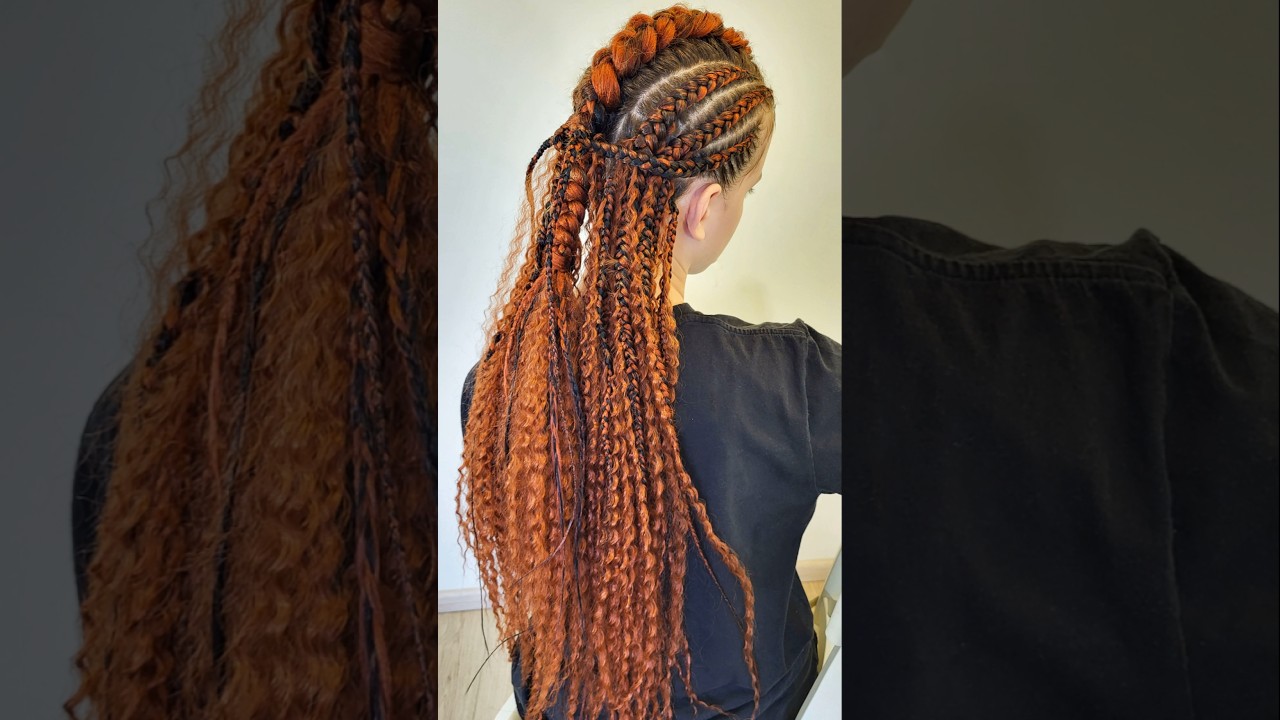
A classic modern Viking braid may include a large Dutch braid down the center with smaller braids on the sides. Another version may use tight side cornrows or Dutch braids to create a shaved-side effect while the rest of the hair stays loose and wavy. Some styles use fishtail braids for a more textured, ancient-looking finish.
Viking braids can be created with natural hair only or with added extensions for length, thickness, color, and stronger shape. They can be worn for festivals, performances, photoshoots, cosplay, themed events, editorial beauty, or bold everyday styling.
The defining feature is not historical accuracy alone. It is the visual mood: strong, textured, powerful, and braid-heavy.
Historical Inspiration and Modern Interpretation
The popular idea of Viking braids comes from a mix of historical influence, archaeology, art, literature, film, television, fantasy styling, and modern braid culture. Norse people did groom their hair, and braided or tied hair appears in various historical and cultural interpretations, but many modern “Viking braid” styles are creative reconstructions rather than exact historical replicas.
Modern Viking braids are often shaped by entertainment and fashion. Television series, fantasy films, gaming characters, festival culture, and editorial hairstyling have all contributed to the look. As a result, today’s Viking braid styles often exaggerate texture, height, and braid complexity for visual impact.
This does not make the style less valuable. It simply means Viking braids should be understood as a modern beauty category inspired by historical imagery, not as one verified ancient hairstyle.
In salon language, Viking braids usually mean bold textured braids with a warrior-inspired finish.
Key Visual Features
Viking braids usually have strong structure. A center braid, side braid, or braided mohawk often becomes the main focal point. This gives the style height, direction, and a powerful silhouette.
Texture is another major feature. The style often includes loose waves, teased volume, rougher braid expansion, or slightly undone pieces. Unlike sleek formal braids, Viking braids often look stronger when they are not too perfect.
Multiple braid sizes are common. Large braids create impact, while small accent braids add detail. This layering makes the style look more complex and handcrafted.
Accessories also help define the look. Metal cuffs, rings, beads, leather cord, thread, chains, and rustic pins can add a warrior-inspired or fantasy finish.
The overall effect should feel intentional, dramatic, and strong, not messy by accident.
Common Types of Viking Braids
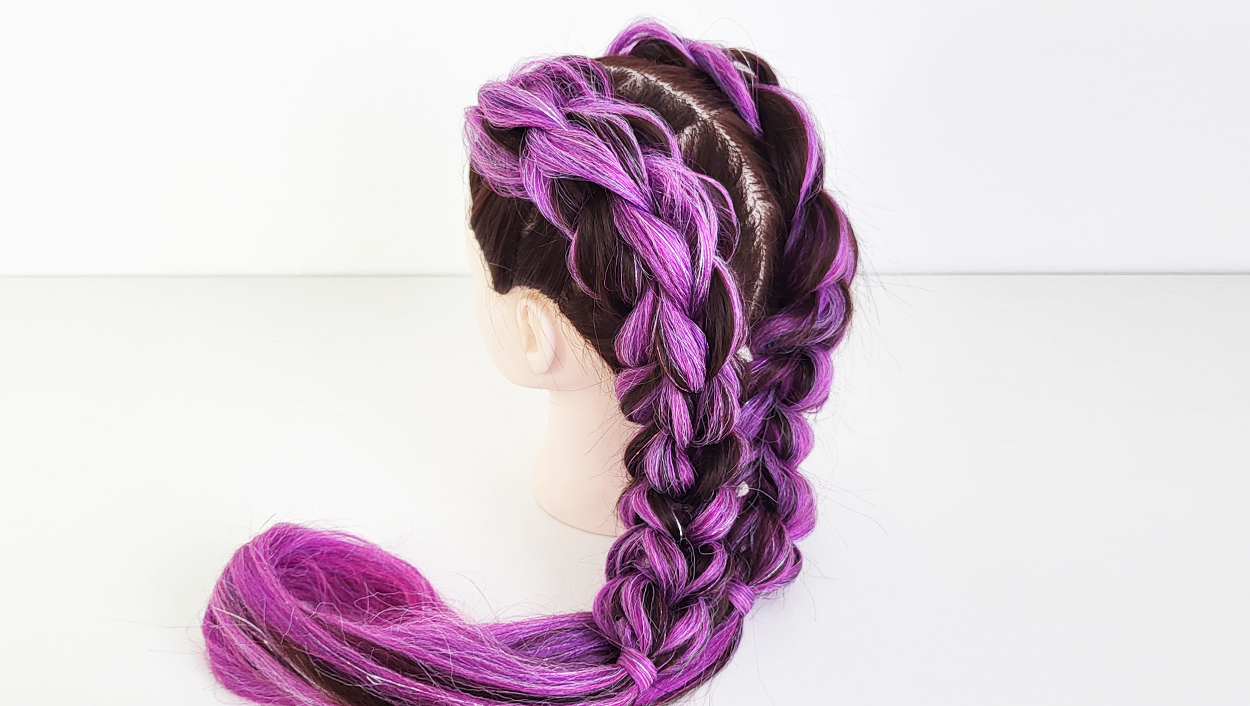
A center Viking braid uses one large braid through the top or middle of the head. This braid may be Dutch, French, fishtail, or a combination technique.
A Viking braid mohawk uses tight side sections and a raised center braid to create a mohawk effect without shaving the hair.
Side Viking braids use one or more tight braids on one side of the head. This creates an undercut-inspired look while the rest of the hair remains loose.
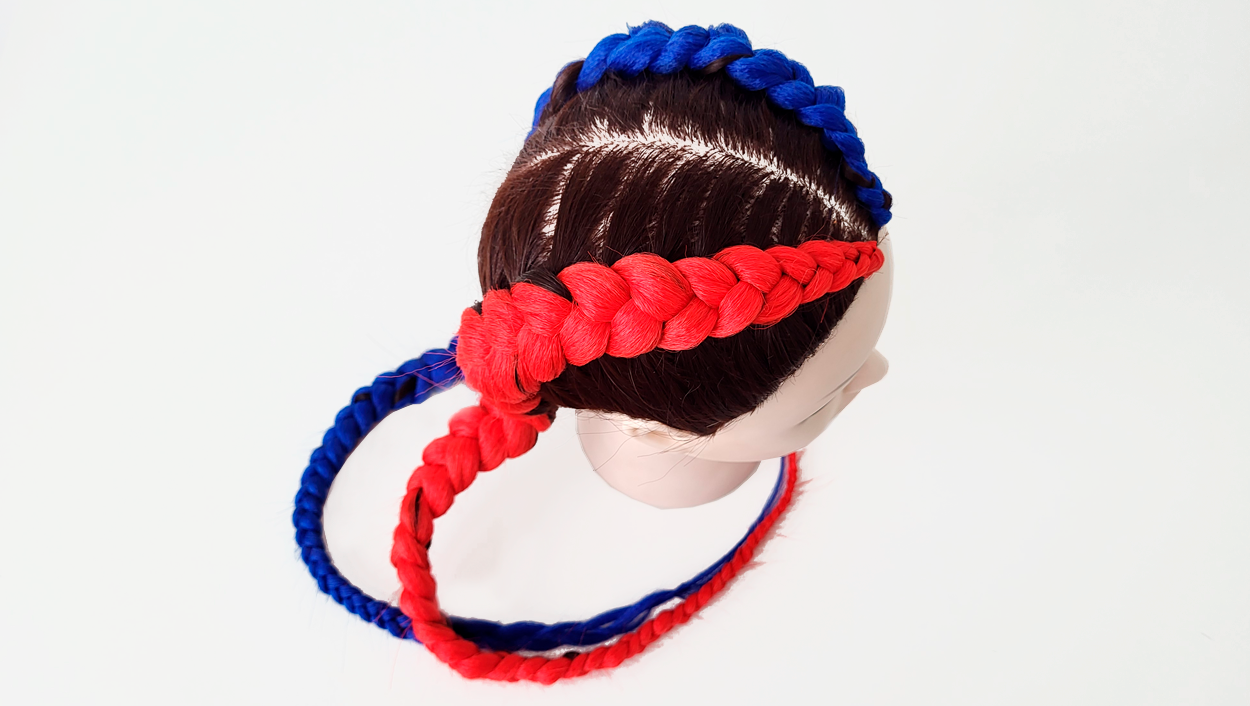
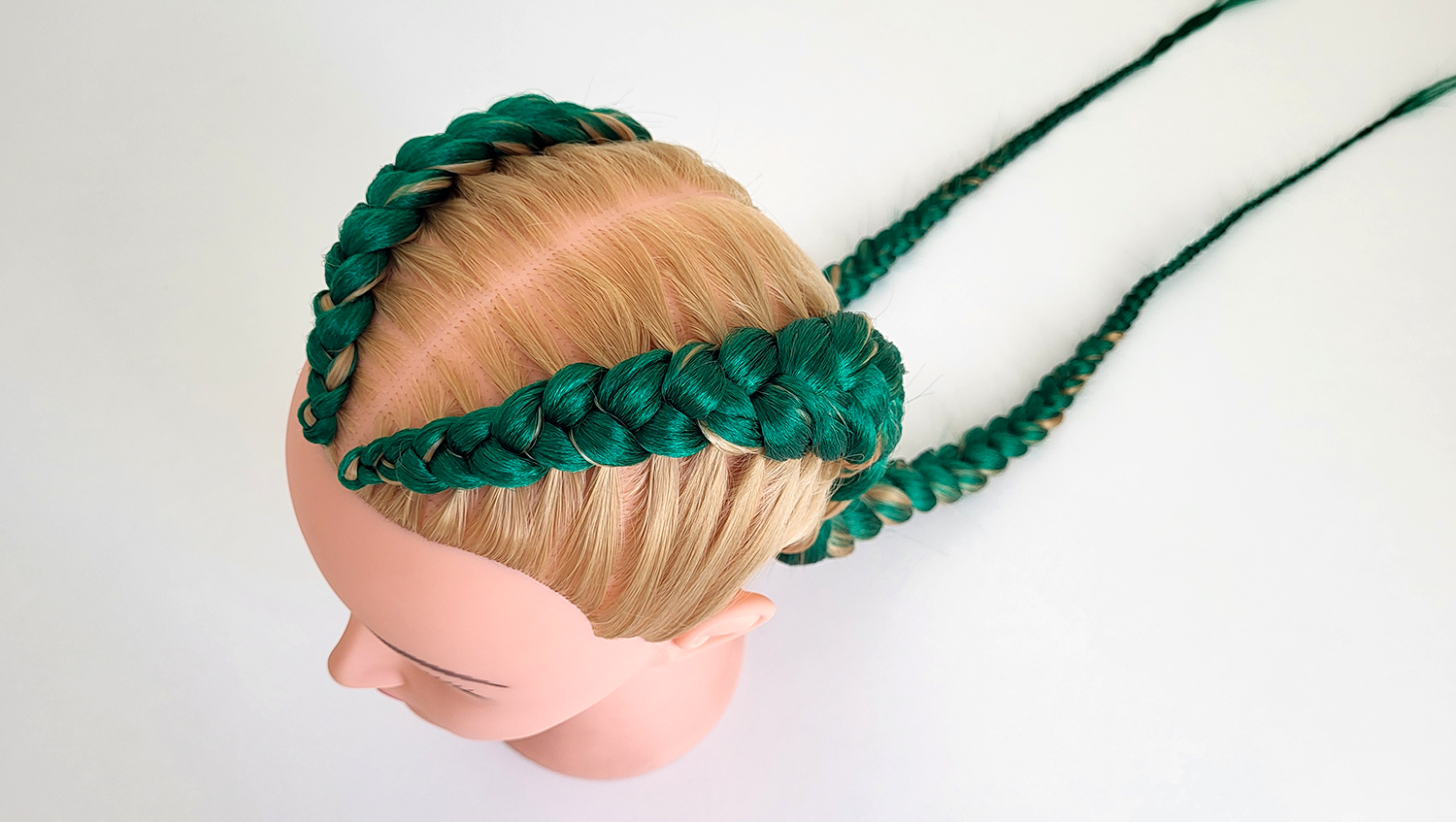
Double Viking braids use two strong braids, usually running from the front toward the back. They can be clean and symmetrical or textured and expanded.
Viking fishtail braids use fishtail technique for a more detailed, woven texture. This version often feels more ancient, rugged, or fantasy-inspired.
Viking ponytail braids combine scalp braids with a high, mid, or low ponytail. The ponytail may be braided, twisted, waved, or wrapped.
Viking braids with extensions add length, thickness, color, or dramatic volume.
Viking Braids with Dutch Braids
Dutch braids are one of the most common foundations for Viking braid styles. Because Dutch braids sit raised on top of the hair, they create strong texture and are easy to see from a distance.
A large Dutch braid down the center can create the main warrior silhouette. Smaller Dutch braids on the sides can add structure and make the style look more detailed. Two Dutch braids can create a symmetrical, powerful look.
Dutch braids also work well with expanded texture. After braiding, the stylist may gently pull the braid edges to make the braid wider and more dramatic. This technique helps create the bold, rugged shape associated with modern Viking hair.
For a cleaner finish, the Dutch braid can be tight and controlled. For a more fantasy-inspired finish, the braid can be loosened and paired with waves or curls.
Viking Braids with Fishtail Braids
Fishtail braids are often used in Viking braid styling because they create a detailed, scale-like texture. The pattern looks more intricate than a standard three-strand braid and can feel more ancient or handcrafted.
A fishtail braid can be used as the main braid, an accent braid, or the end section of a larger braided style. It can also be combined with Dutch braids, rope twists, or loose textured hair.
Fishtail braids work especially well when slightly pulled apart. A tight fishtail looks clean and detailed, while a loosened fishtail looks more rugged and organic.
Because fishtail braiding uses small sections, it can take longer than a standard braid. The stylist must keep the sections even enough to maintain the pattern while still allowing the final look to feel textured.
Viking Braids with Cornrows or Scalp Braids
Cornrows and other scalp braid techniques can be used to create a sharper Viking-inspired design. Tight side cornrows can imitate a shaved-side or undercut effect without cutting the hair. This is common in festival styling, fantasy looks, and editorial braid designs.
Scalp braids can also create geometric or directional patterns that support the overall warrior aesthetic. They may run backward, diagonally, or toward a ponytail.
When cornrows are used in Viking-inspired styling, technique and cultural awareness matter. Cornrows have deep African and African diaspora roots, so they should not be erased or incorrectly credited as a Norse technique. In modern styling, a Viking-inspired look may combine many braid traditions, but the technical origin of scalp braiding should still be respected.
A professional stylist should focus on clean parting, controlled tension, and correct technique while acknowledging the braid method accurately.
Viking Braids with Natural Hair
Viking braids can be created with natural hair only when the hair has enough length and density to hold the desired shape. This version is often used for temporary styling, photoshoots, festivals, themed looks, or creative everyday hair.
Straight hair creates a cleaner, sharper braid pattern. Wavy hair adds natural movement and helps the style look more rugged. Curly hair creates volume and texture. Coily or highly textured hair can be styled into Viking-inspired braids with the right sectioning, stretching, or texture-specific technique.
Natural-hair Viking braids are usually short-term styles. They may last one day or a few days depending on hair texture, product use, and braid tension.
The style should never be painfully tight. Viking-inspired does not mean harsh on the scalp. Strong styling can still be comfortable and hair-safe.
Viking Braids with Extensions
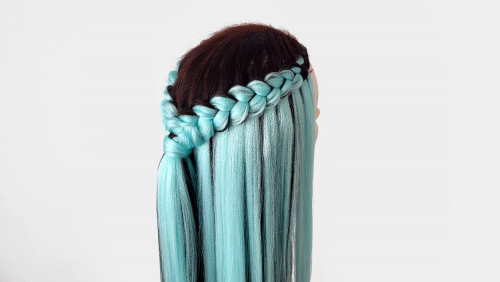
Extensions can make Viking braids longer, thicker, and more dramatic. Synthetic braiding hair, clip-in extensions, ponytail extensions, or colored pieces can be added depending on the final look.
Added hair can help create a larger center braid, longer fishtail, fuller ponytail, or stronger braided mohawk. Extensions are also useful when the client’s natural hair is too short or fine for the desired volume.
Color can intensify the style. Blonde, ash brown, silver, copper, platinum, black, burgundy, or fantasy colors can all work with Viking-inspired braid looks. A few contrast strands can highlight the braid pattern without changing the entire head.
The amount of added hair should be balanced. Too much extension hair can make the braid heavy or uncomfortable. The style should look powerful, but it should not pull at the roots or cause scalp stress.
Accessories for Viking Braids
Accessories are a major part of the modern Viking braid aesthetic. Metal cuffs, braid rings, beads, chains, leather cord, thread, charms, and rustic pins can all add detail.
Silver and antique gold accessories are especially common because they create a stronger warrior-inspired finish. Leather cord can add a rugged handmade effect. Small metal rings can highlight accent braids. Beads can add movement and texture.
Placement is important. Accessories near the face create focus. Accessories through the main braid emphasize structure. Accessories at the ends add movement. Too many accessories can make the style look crowded, so balance matters.
The accessories should be smooth and lightweight. Heavy metal pieces or sharp edges can snag the hair or create discomfort.
Viking Braids for Festivals and Events
Viking braids are popular for festivals because they combine practicality with visual impact. The braided sections keep hair controlled, while loose waves and accessories create drama. The style can handle movement better than fully loose hair while still looking expressive.
For music festivals, the style may include glitter, colored extensions, rings, thread, or dramatic side braids. For themed events, it may be more rugged with leather cords, metal cuffs, and strong braid placement. For editorial shoots, the style can be oversized, textured, or sculptural.
Viking braids also work well for cosplay, Renaissance fairs, fantasy shoots, warrior-inspired costumes, and performance hair. The style reads clearly on camera and from a distance because the braid shapes are strong.
Comfort still matters. A long event style should not create headaches, pulling, or scalp pain.
Viking Braids for Men
Viking braids are often used in men’s styling, especially for medium to long hair. Common versions include a single braid down the back, side braids with loose hair, braided top sections with shaved sides, high ponytail braids, or small accent braids near the temples.
Men’s Viking braid styles often focus on shape and texture. A braid can control long hair while keeping the style rugged and masculine. Paired with an undercut, beard, or textured length, the braid can create a strong warrior-inspired silhouette.
The style can be clean or messy depending on the desired mood. A polished braid works for a modern look. A rougher braid with loose texture feels more fantasy-inspired.
Hair length and density determine what is possible. Shorter hair may need small accent braids or extensions, while longer hair can support larger braid designs.
Viking Braids for Women
For women, Viking braids can range from soft fantasy styling to bold warrior looks. A half-up Viking braid with waves can feel romantic and powerful. A braided mohawk can feel edgy and editorial. Side braids with loose curls can create an undercut effect without shaving the hair.
Women’s Viking braid styles often combine texture, volume, and multiple braid types. Dutch braids, fishtails, rope twists, and small accent braids can all appear in one look.
The style can be adapted for festivals, themed events, beauty content, photoshoots, or dramatic everyday wear. It can be feminine, fierce, rugged, polished, or bohemian depending on the finish.
Accessories, color, and braid placement play a major role in defining the final mood.
Viking Braids for Kids
Viking-inspired braids can also be adapted for kids, especially for costumes, performances, themed parties, or playful creative hairstyles. The style should be simplified and made comfortable.
Kids’ versions may include two Dutch braids, small side braids, a braided ponytail, or a half-up braid with loose hair. Accessories should be lightweight and age-appropriate.
Comfort is the priority. The braids should not be tight, and accessories should not be heavy or sharp. Children’s scalps can be sensitive, especially around the hairline and temples.
A good kids’ Viking braid look should feel fun, secure, and easy to remove.
Professional Technique Details
A professional Viking braid style starts with planning. The stylist should decide the main focal point: center braid, side braid, mohawk, ponytail, fishtail, or full braided design.
Sectioning controls the shape. Clean sections make the style look intentional, even if the final texture is slightly messy. The stylist may use triangular sections, center panels, side panels, or diagonal parts to build the design.
Texture preparation matters. Smooth hair may need grip, mousse, or texture spray. Curly or wavy hair may need frizz control or curl definition. Fine hair may need volume support before braiding.
Braid expansion should be controlled. Pulling the braid apart can create a fuller warrior look, but too much pulling can weaken the structure. The braid should look textured, not collapsed.
The style should be checked from all angles. Viking braids rely heavily on silhouette, so the front, side, crown, and back views should all look balanced.
Maintenance and Wear
Most Viking braid styles are temporary. They are usually worn for a day, an event, or a short period. The wear time depends on braid tightness, hair texture, product use, and how much loose hair is included.
At night, the style can be protected with a satin or silk pillowcase, but loose textured sections may need refreshing the next day. Fully braided versions may last longer than half-up or loose-wave versions.
Accessories should be checked during wear. Metal rings, cuffs, and chains can shift or snag if they are not secured properly.
The braids should be removed gently. If the style includes teasing, texture spray, thread, or accessories, removal should be slow to avoid breakage.
The style should not cause scalp pain. If a braid feels too tight or heavy, it should be loosened.
Styling Options
Viking braids can be styled in many ways. A single center braid creates a clean warrior effect. A braided mohawk creates height and drama. Side braids create a shaved-side illusion. Fishtail braids add intricate texture. Rope twists add a strong cord-like finish.
Loose waves can soften the look. A high ponytail can make the style more powerful. A low braid can feel more rustic. Multiple accent braids can make the style more detailed.
Accessories can shift the mood. Metal cuffs make it stronger. Leather cord makes it rugged. Thread adds color. Beads add movement. Chains make it editorial. Colored extensions make it festival-ready.
The best version depends on hair length, texture, comfort, occasion, and the desired level of drama.
Viking Braids in Modern Beauty Culture
Viking braids remain popular because they combine braid technique with storytelling. The style instantly communicates strength, adventure, fantasy, and individuality. It is highly visual, which makes it strong for photos, video content, cosplay, festivals, and editorial beauty.
The look also reflects a larger trend in hairstyling: hybrid braid designs. Clients often want styles that combine several techniques rather than one classic braid. Viking braids fit this trend because they can mix Dutch braids, fishtails, twists, cornrows, ponytails, waves, and accessories in one design.
In the beauty industry, Viking braid styling shows a stylist’s ability to build shape, texture, and mood. It is not only about making a braid. It is about creating a character, silhouette, and visual identity through hair.
Why Viking Braids Matter
Viking braids matter because they show how braiding can become storytelling. The style uses texture, direction, height, accessories, and contrast to create a powerful visual mood.
For clients, Viking braids offer strength, drama, and self-expression. For stylists, they offer room to combine technical braid work with editorial design.
When done well, Viking braids look bold, textured, comfortable, and intentional. They are not just braids; they are a full styling concept built around movement, structure, and warrior-inspired beauty.