
Pro Braiding Tips
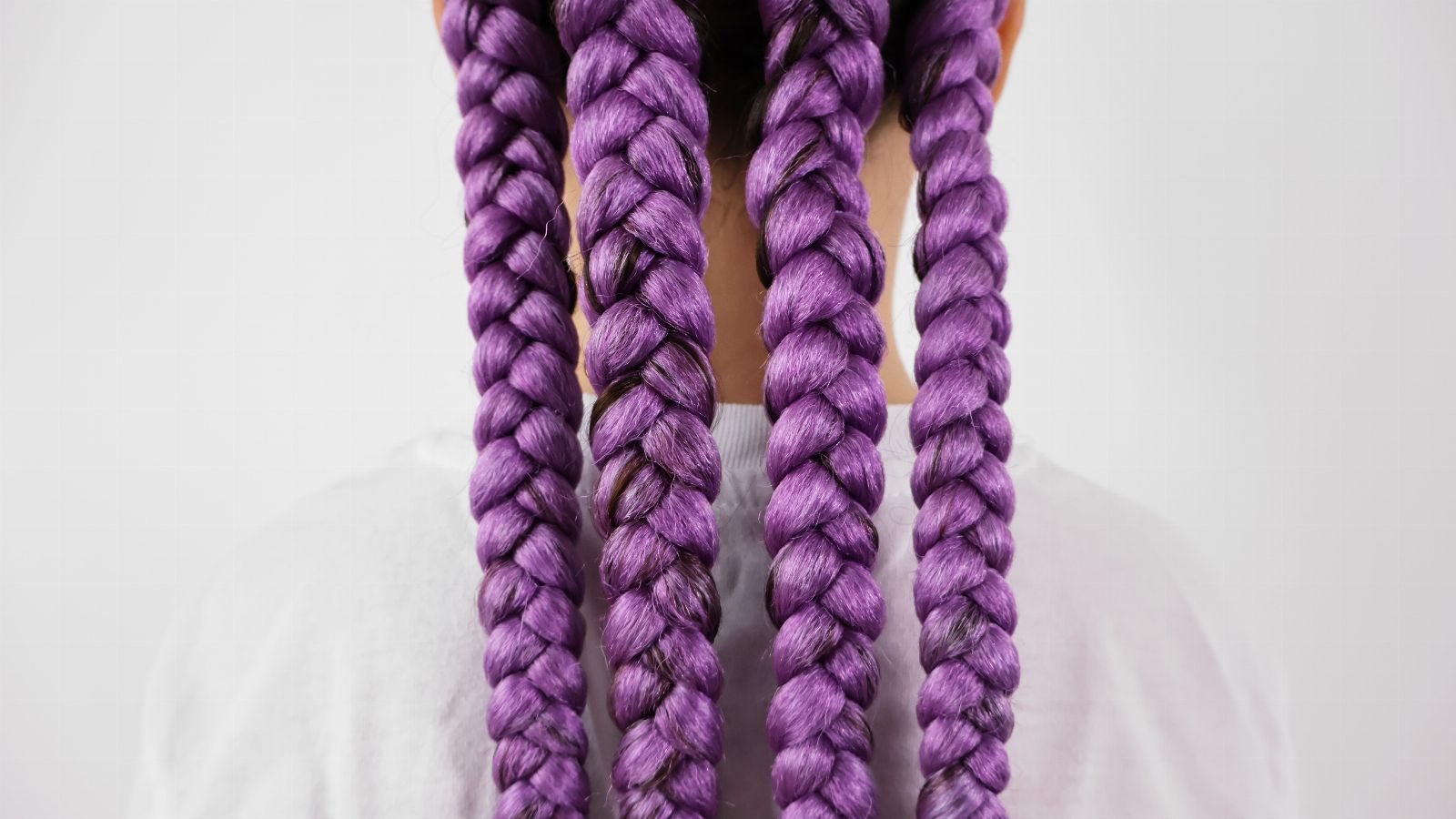
Balanced extension weight helps braids feel lighter, move better, and reduce unnecessary stress on the scalp and natural hair.
Tension & Hairline Safety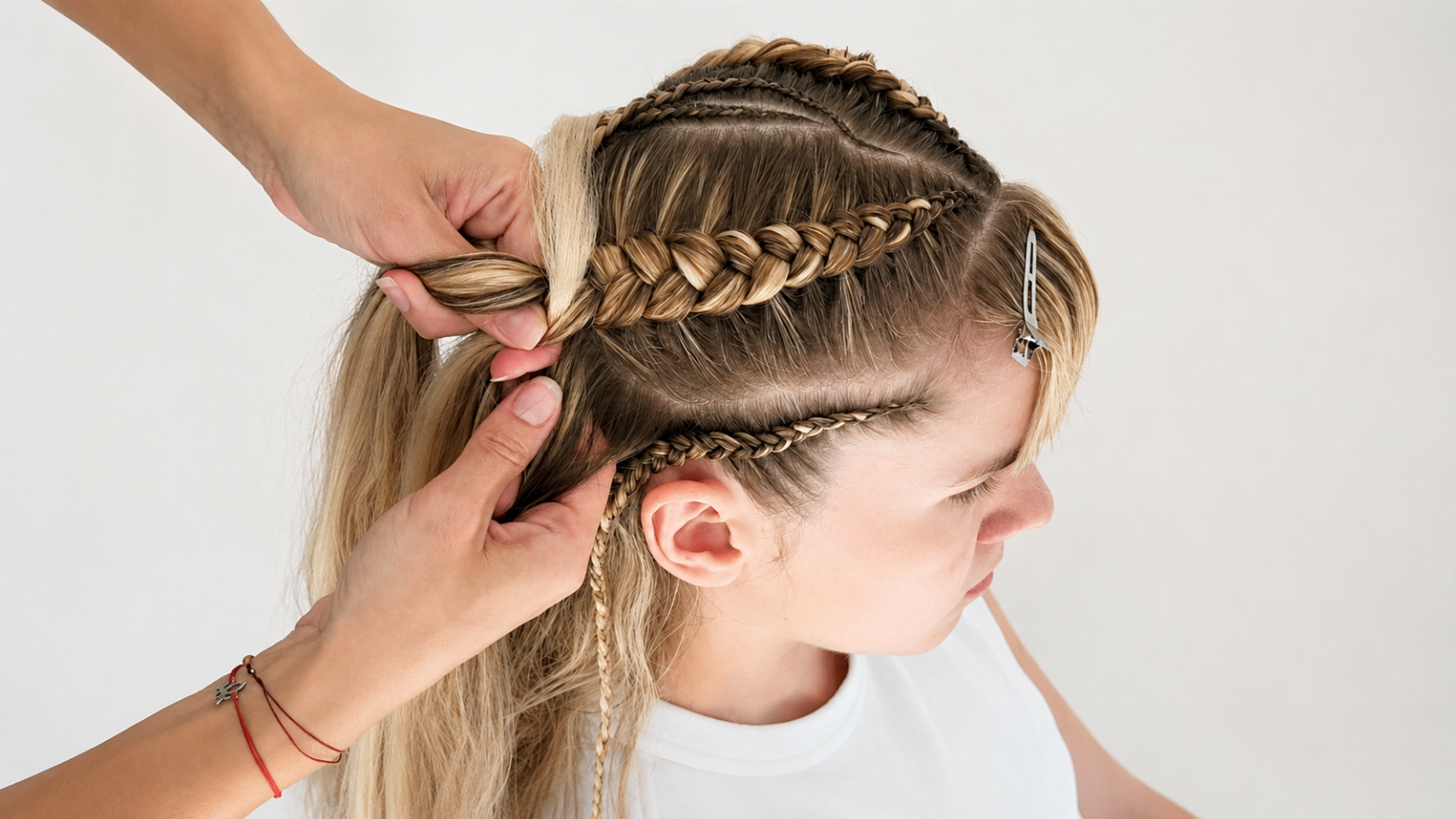
Smooth feed-ins depend on placement, timing, and piece size, not simply adding more hair into the braid.
Synthetic Hair & Feed-In Technique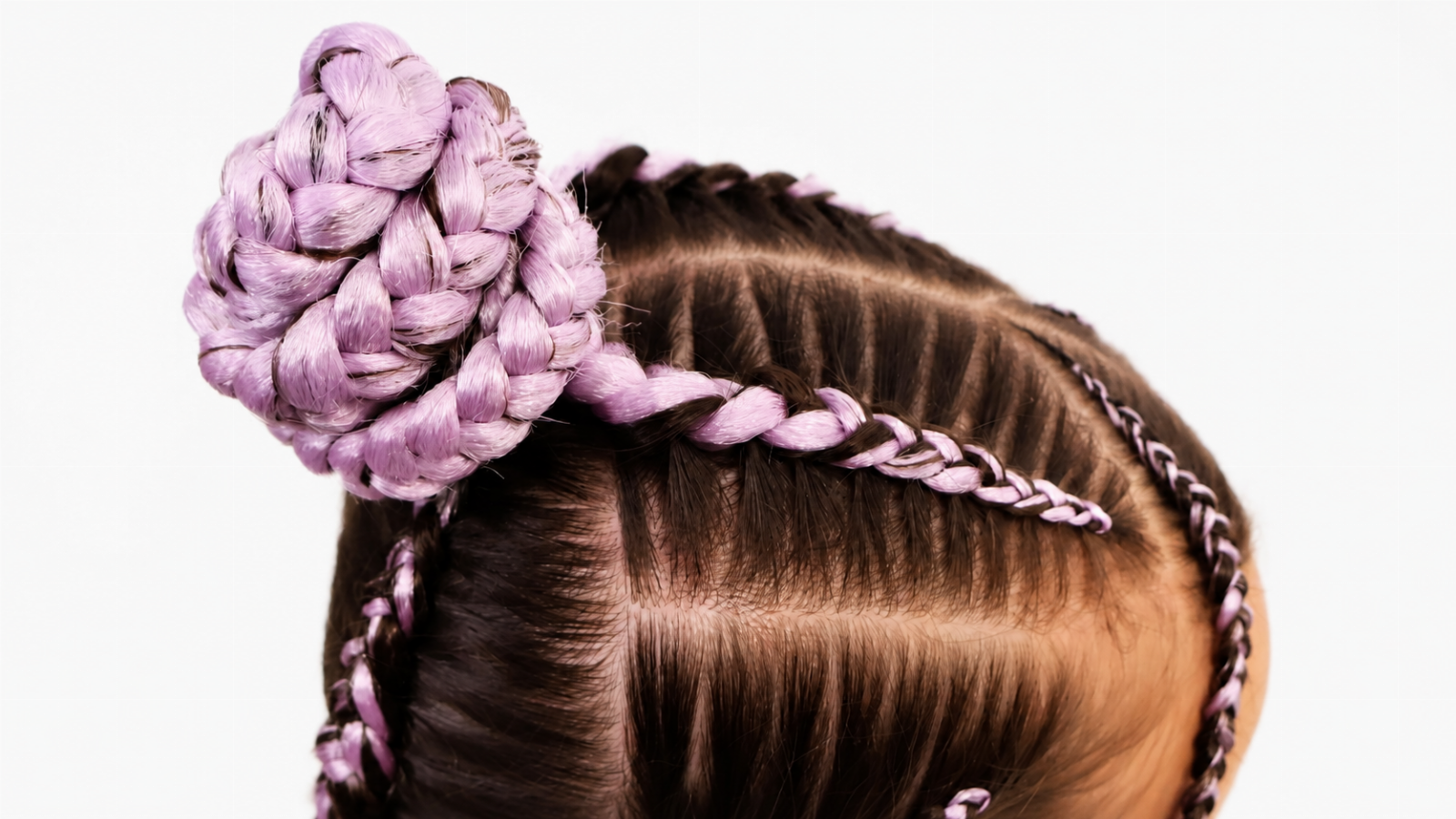
Tucking helps hide natural hair inside extensions for a cleaner finish, stronger color blend, and more professional braid result.
Synthetic Hair & Feed-In Technique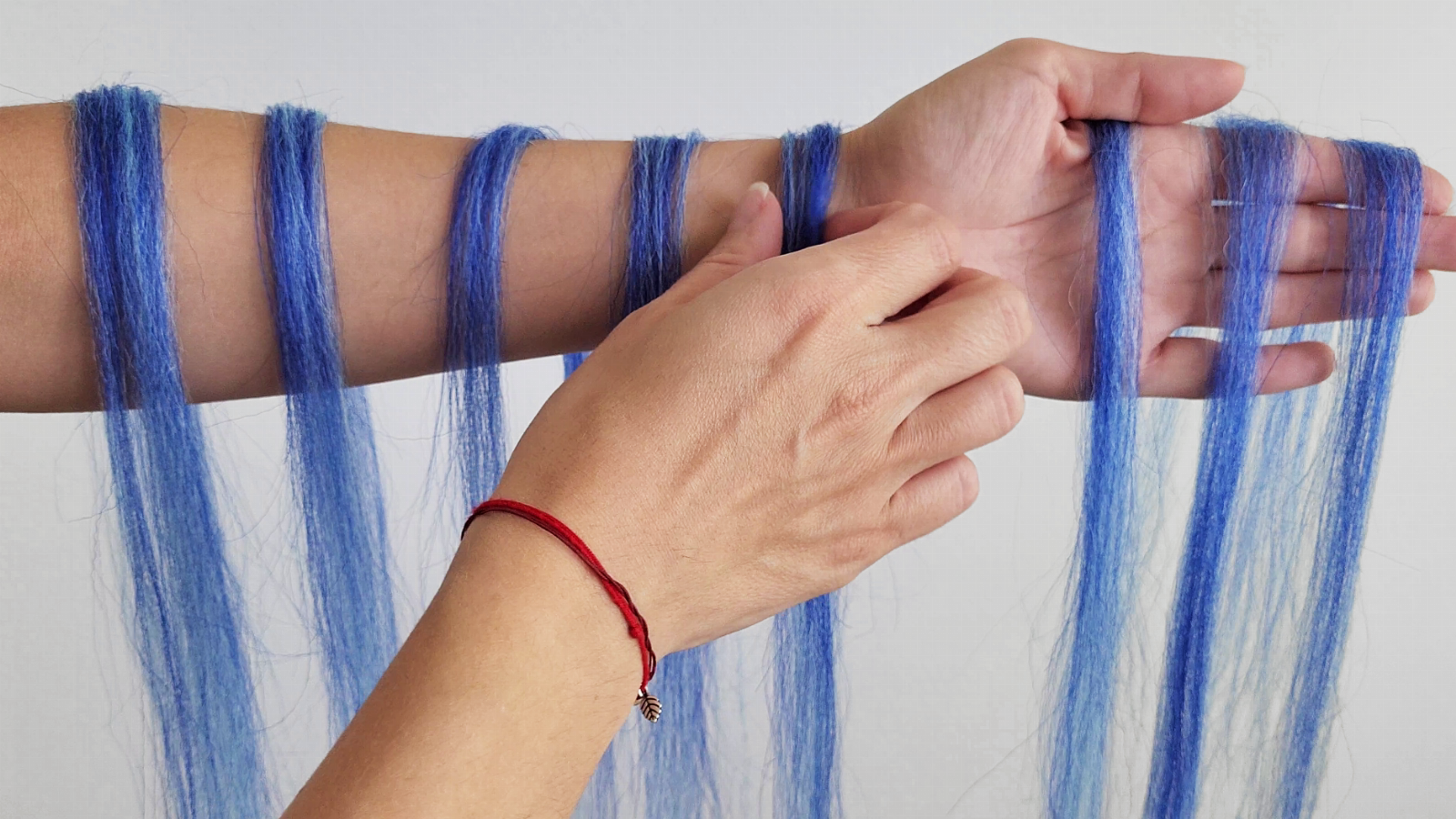
Professional preparation of synthetic hair improves grip, reduces tangling, supports smoother feed-ins, and helps the installation move faster.
Synthetic Hair & Feed-In Technique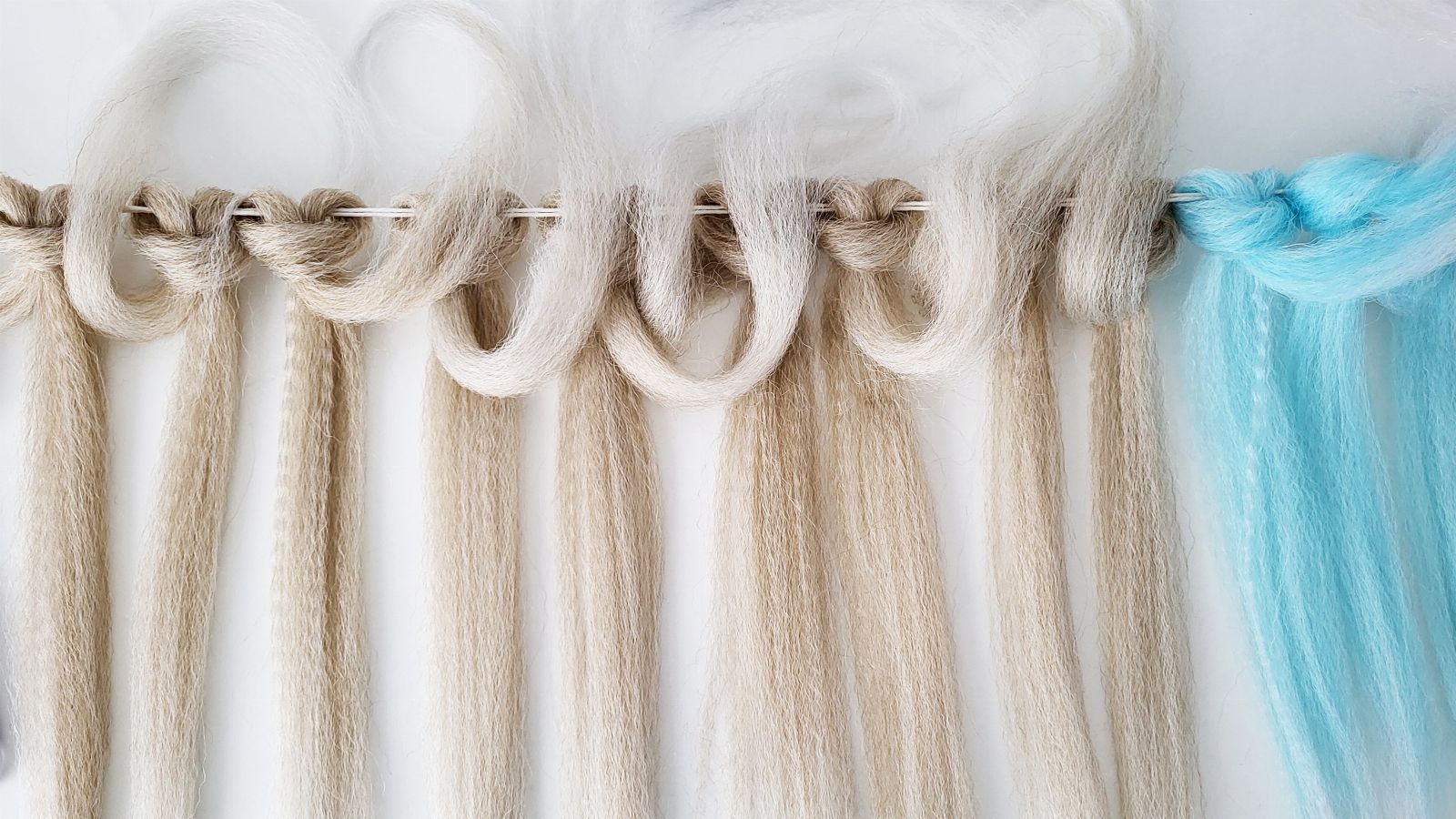
Pre-stretched braiding hair saves prep time, creates tapered ends, and helps produce smoother, more consistent braid finishes.
Synthetic Hair & Feed-In Technique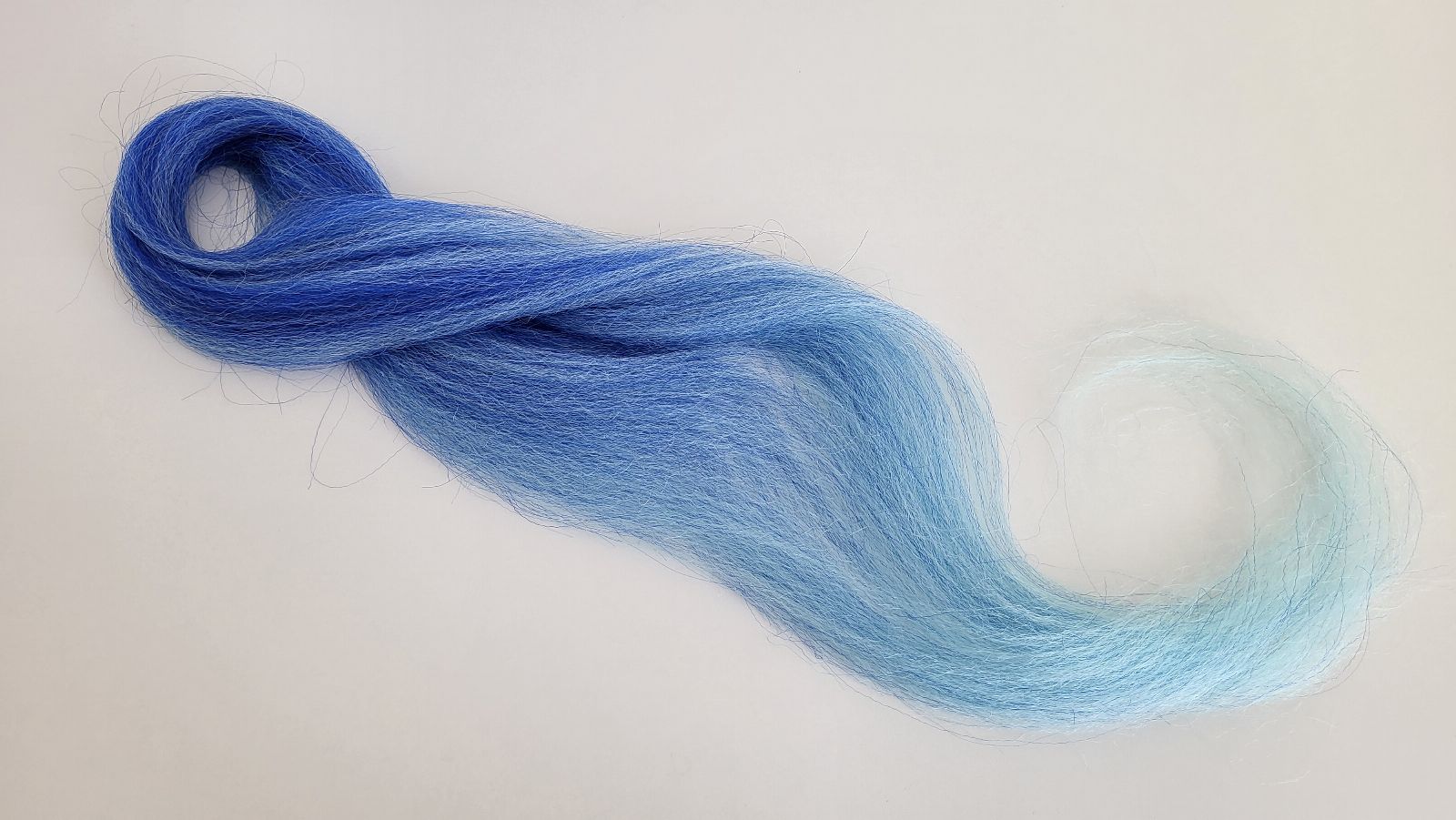
Hand-mixing braiding hair gives stylists more control over ombré effects, highlights, lowlights, and custom color placement.
Synthetic Hair & Feed-In Technique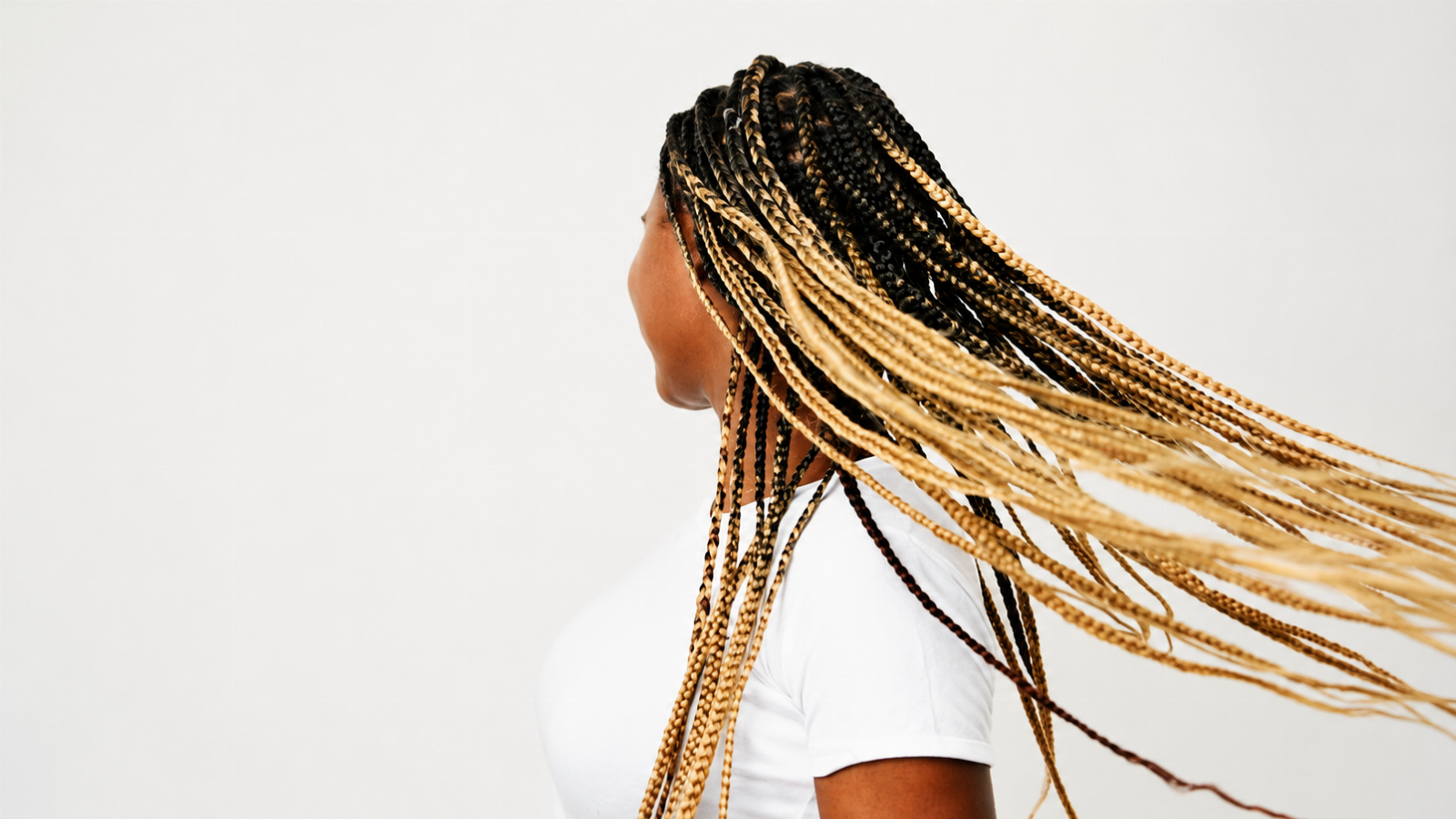
Lightweight Knotless Braids depend on gradual feed-in placement, controlled braid size, proper sectioning, and balanced extension weight.
Box Braids & Knotless Braids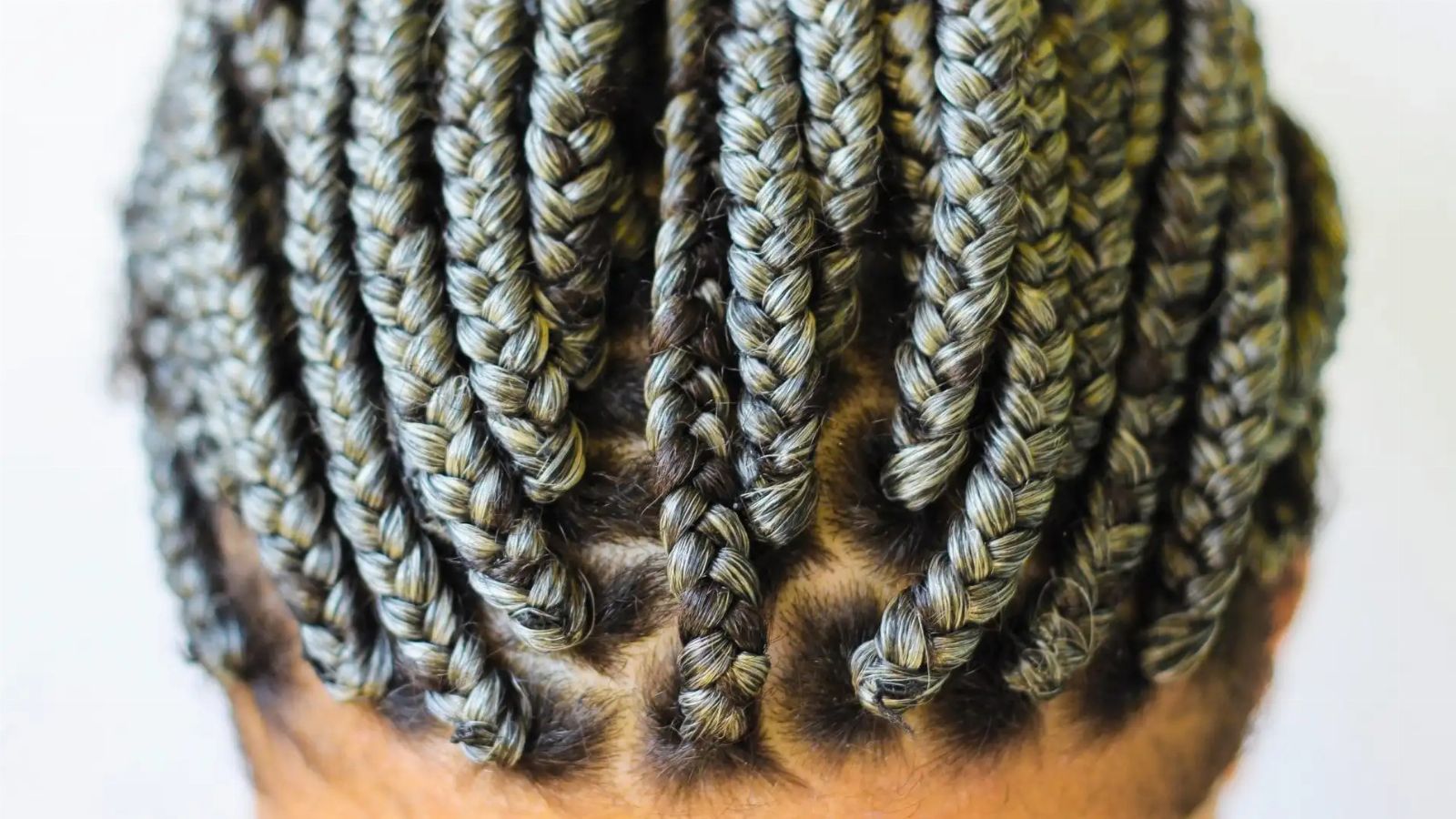
Clients choose better when they understand the difference between the classic Box Braids base and the softer Knotless Braids start.
Box Braids & Knotless Braids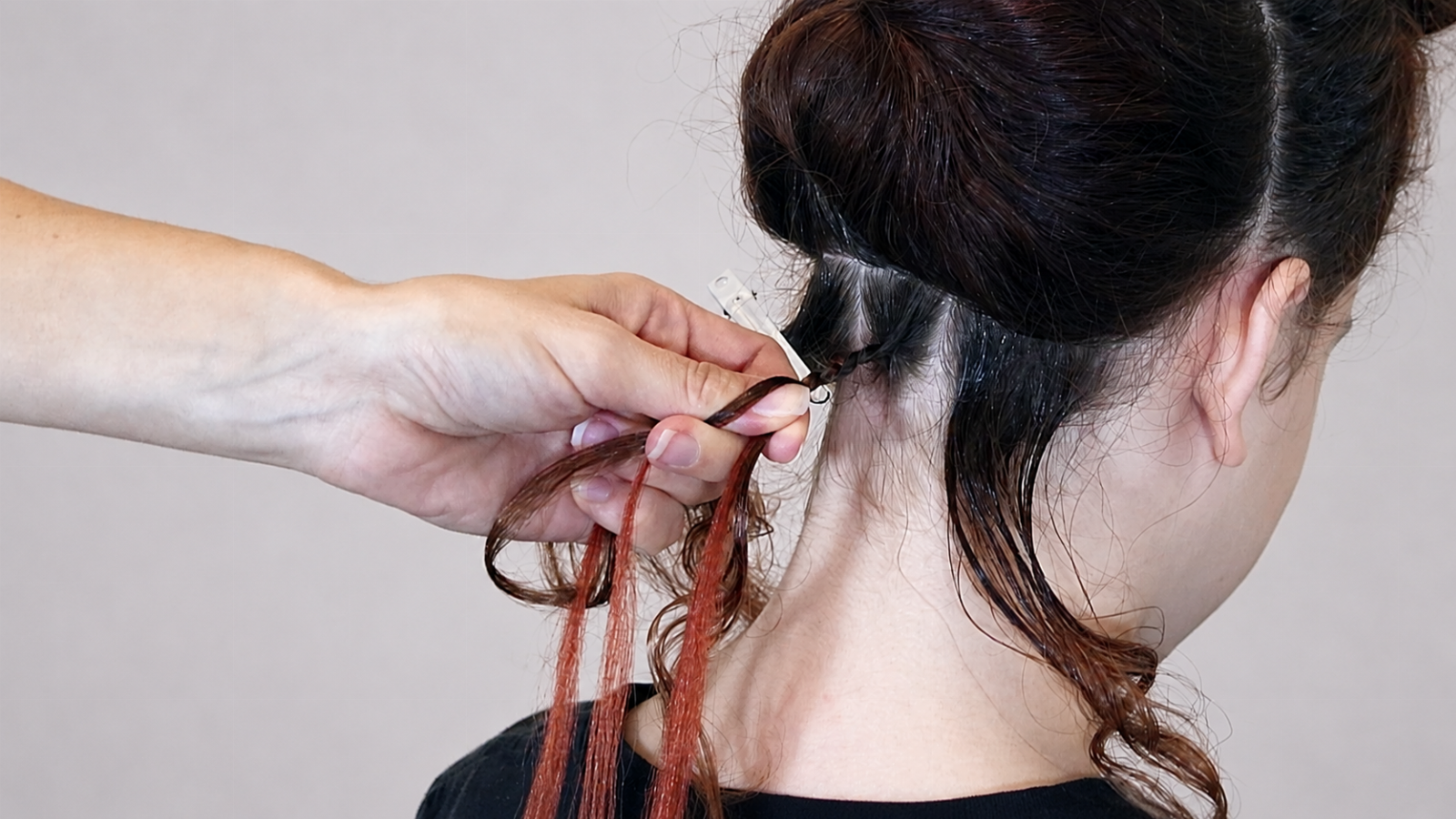
A natural-looking Knotless Braids start depends on small feed-in pieces, clean base control, and a gradual increase in braid size.
Box Braids & Knotless Braids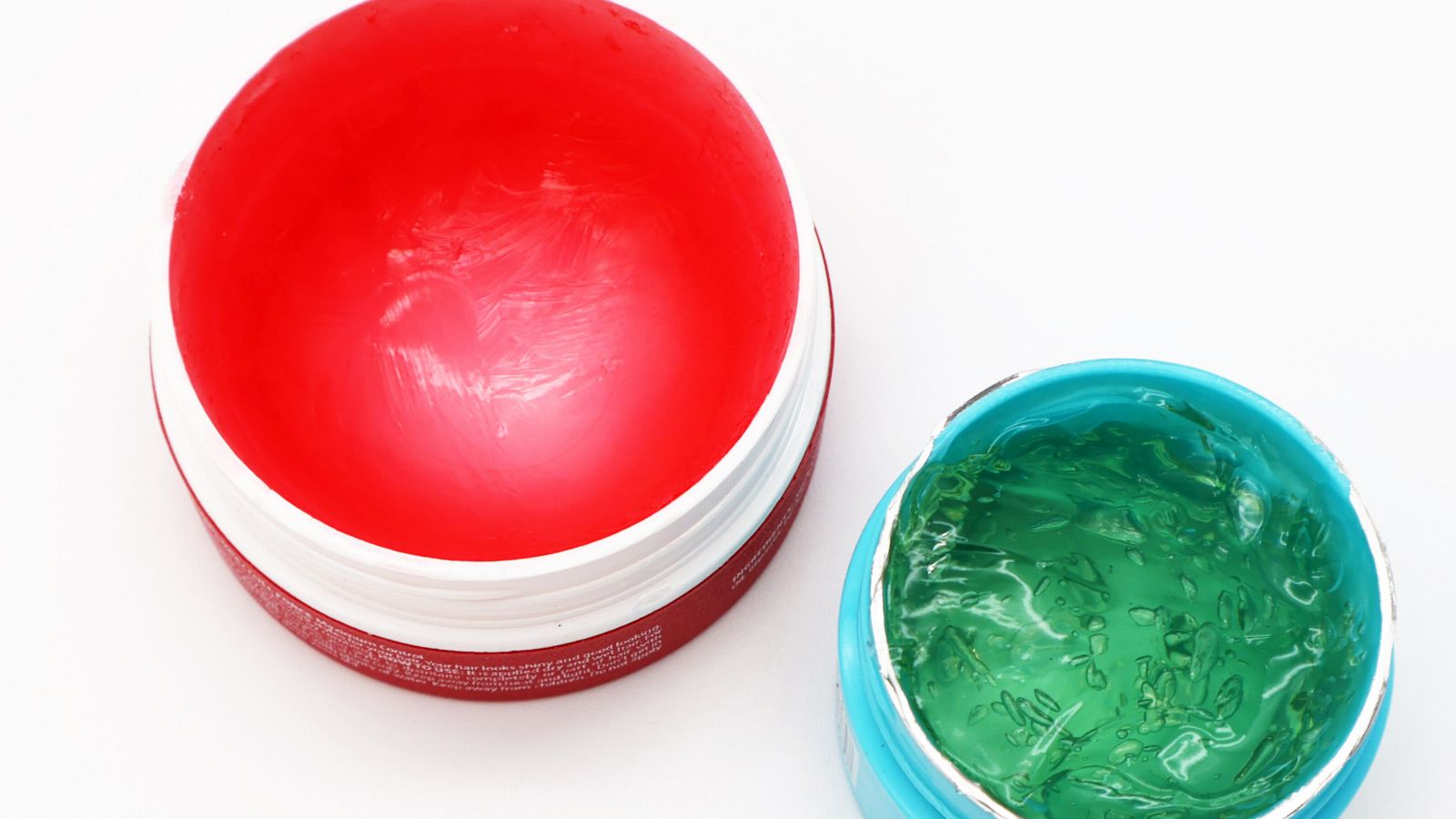
Braiding gel can help with grip and shine, but overuse can create flakes, residue, stiffness, and scalp buildup.
Products & Finishing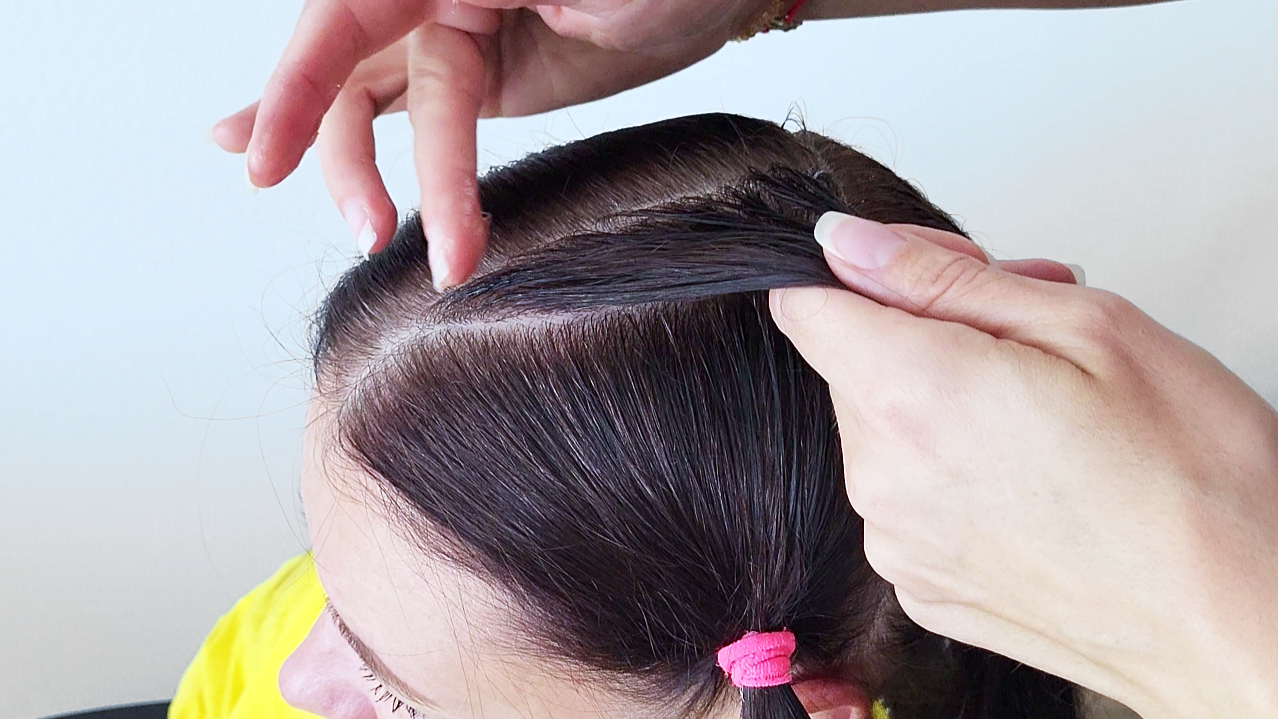
White gel residue usually comes from product overload, incompatible formulas, or product sitting on top of the hair instead of being worked in.
Products & Finishing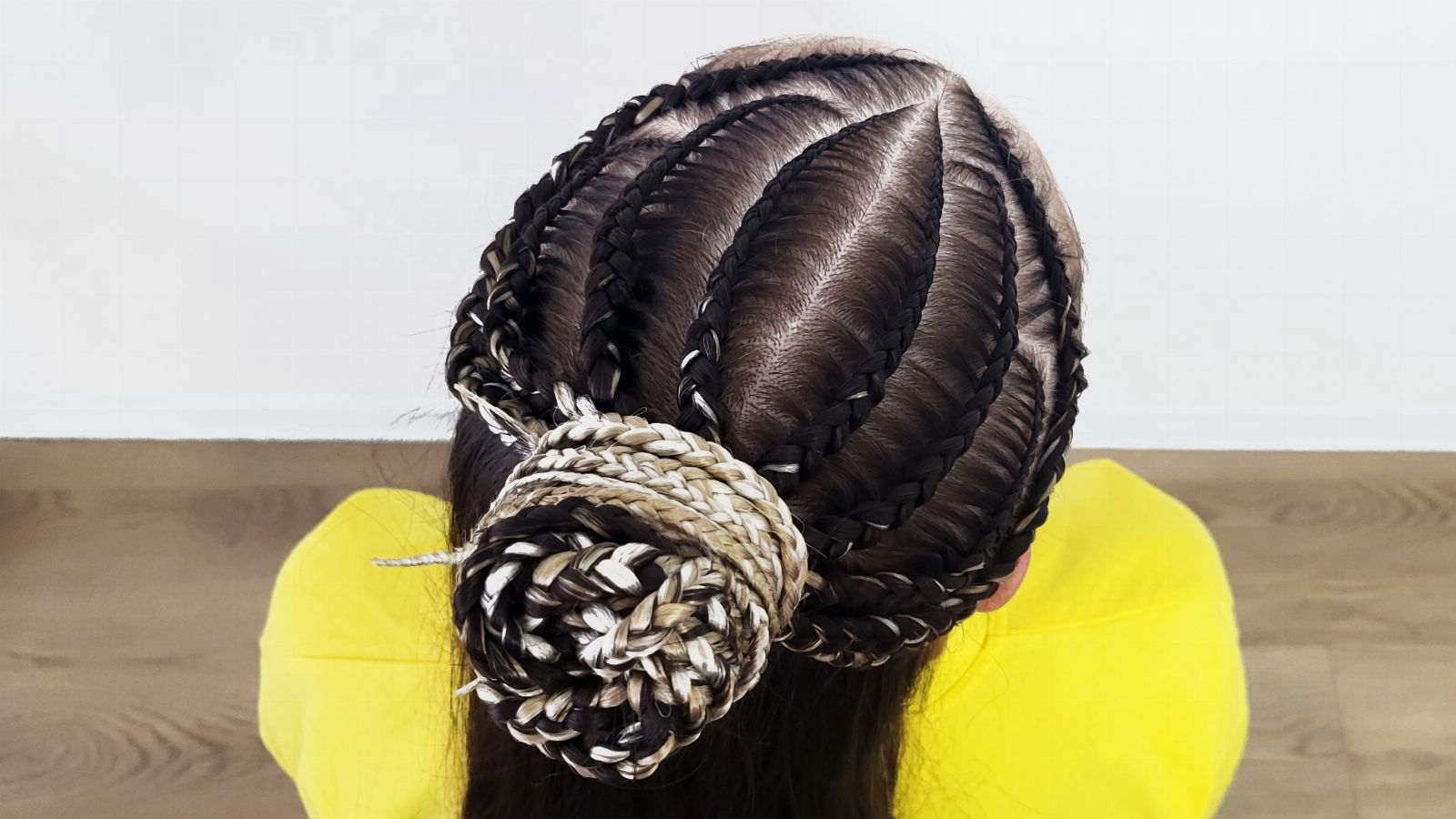
Mousse and wrap strips can help smooth flyaways, set the braid surface, and give finished braids a cleaner salon look.
Products & Finishing