
The Mousse Set: How to Smooth Braids with Mousse and Wrap Strips
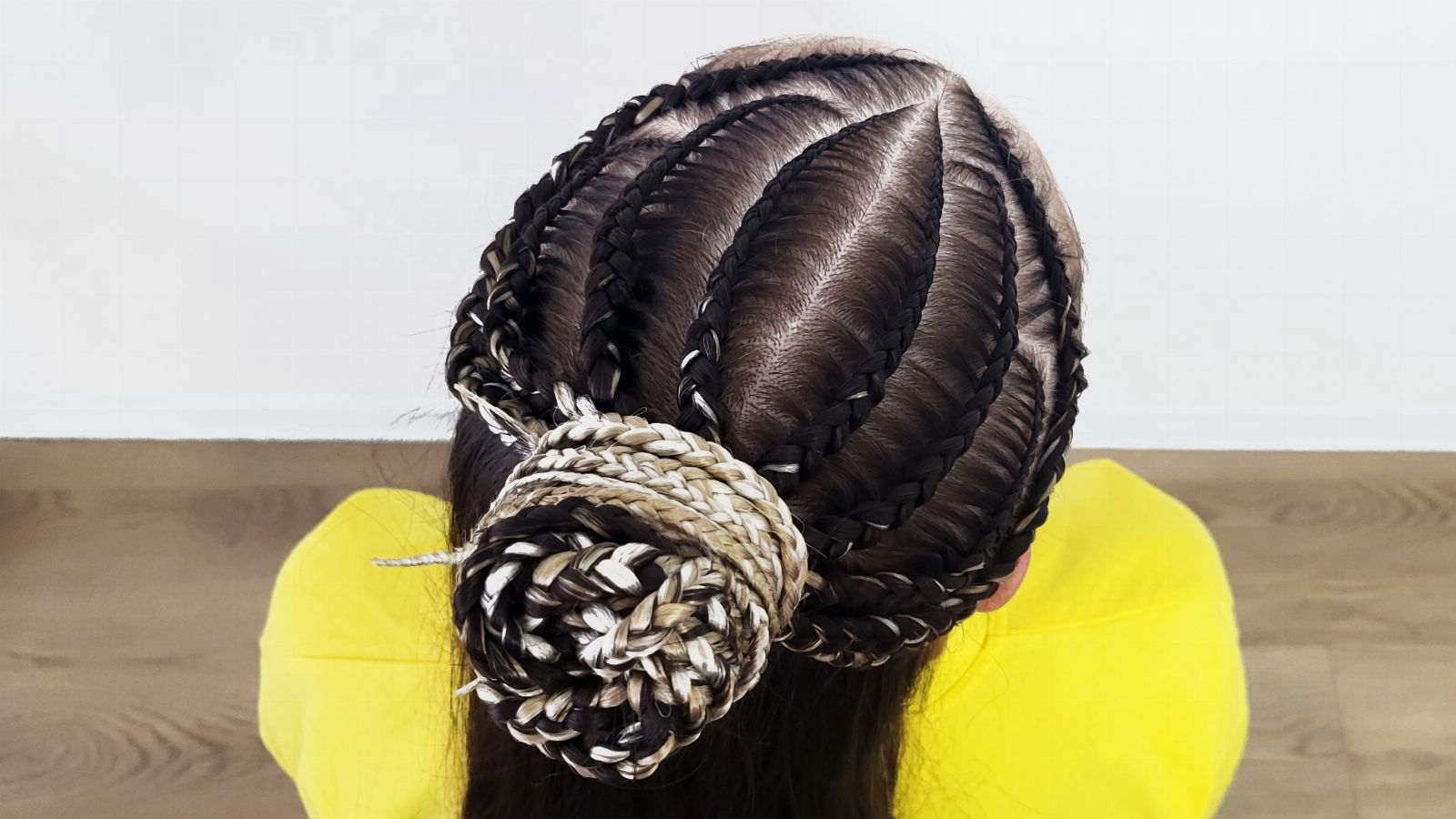
A mousse set can make fresh braids look smoother, cleaner, and more polished when it is used correctly. It is one of those finishing steps that seems simple from the outside, but in professional braid work it has a clear purpose. Mousse helps calm surface frizz, soften flyaways, refine the root area, and give the finished style a more salon-ready look. Wrap strips help hold the hair in place while the product sets. Together, they can improve the final finish of Box Braids, Knotless Braids, Cornrows, Feed-In Braids, Senegalese Twists, Braided Ponytails, and other braid styles where the surface needs to look clean without adding heavy product. The key is to use mousse as a finishing tool, not as a way to cover weak technique.
Use Mousse as the Final Polish
The first thing to understand is that mousse cannot fix a poor foundation. If the sections are uneven, the tension is inconsistent, the braid is too loose at the root, or the natural hair was not tucked properly, mousse may smooth the surface for a short time, but it will not correct the structure. A professional mousse set works best when the braids are already clean. The parting is controlled, the braid direction is clear, the added hair is balanced, and the roots are not overloaded with gel. In that case, mousse becomes the final polish. It helps the style settle, gives the surface a cleaner look, and makes small flyaways less noticeable without making the braids feel stiff or coated.
The amount of mousse matters. Too little may not give enough control, but too much can leave the style damp, sticky, heavy, or dull. Dense braids and long braids can hold moisture longer than expected, especially near the roots and inside thicker sections. If the braider saturates the whole head, the style may take too long to dry and the finish can feel product-heavy instead of soft. A better method is to apply mousse in controlled sections, focusing on the surface of the braids, the part lines, the hairline, and any areas where flyaways are visible. The goal is to lightly coat and smooth the outside of the style, not soak the braids all the way through.
Smooth in the Direction of the Braid
Mousse should be applied in the direction of the braid. This sounds simple, but it changes the finish. Rubbing mousse back and forth across the braid can lift flyaways and create more frizz. Smoothing downward along the braid helps the product lay the hair in the same direction as the braid pattern. Around the roots, the braider should use gentle pressure and avoid disturbing the parting. Around the hairline, the touch should be even lighter because the edges are more delicate. The mousse should support the finish, not force the hair flat. A smooth result comes from controlled hands and clean application, not from pressing product aggressively into the scalp.
Wrap strips are useful because they hold the surface in place while the mousse dries. They are especially helpful around the hairline, part lines, and the top of the style, where flyaways are most visible. The strip should be placed smoothly, without wrinkles, bunching, or tight pulling. If the wrap is too tight, it can press fresh braids into the scalp and create discomfort. If it is too loose, it will not help set the surface. The goal is light, even pressure. The wrap should guide the hair into a smoother finish while still allowing the client to feel comfortable. A professional set should never make the client feel squeezed, restricted, or sore.
The drying step is just as important as the mousse and wrap. If the wrap is removed while the mousse is still wet, the flyaways can lift again and the finish may not hold. The style should be allowed to dry fully or set with comfortable airflow, depending on the client, the product, and the braid density. A hooded dryer, handheld dryer on a safe setting, or air drying may all be used, but heat should be controlled. The scalp should not feel hot, and synthetic hair should not be exposed to unnecessary high heat. The purpose of drying is to set the surface, not to bake product into the hair.
Refine the Surface Without Adding Heavy Product
A mousse set is especially helpful after styles that use added hair because synthetic fiber and natural hair do not always behave the same way. Natural hair may expand, show flyaways, or pop out slightly around the braid surface. Synthetic hair may have its own texture, shine, or static. A light mousse set can help bring the two surfaces together visually. It can soften the contrast between natural hair and extension hair, especially near the root and along the first few inches of the braid. This is useful for Knotless Braids, Feed-In Braids, Box Braids, and styles where the natural hair is tucked inside synthetic hair.
The mousse set can also improve how the style photographs. Fresh braids often look best when the surface is smooth and the parting is visible without loose hairs distracting the eye. A controlled mousse finish can reduce fuzz around the roots and create a cleaner shape under light. This is why many professional braiders use mousse before taking final photos or videos. But the finish should still look natural. If the braids look wet, overly shiny, crunchy, or heavy, too much product was used. A camera-ready braid should look polished, not coated.
Check Product Layering Before Applying Mousse
Product layering has to be considered before applying mousse. If the style already has a lot of braiding gel, edge control, oil, or leave-in product, mousse may react with those products and create buildup, stickiness, or white residue. This is especially common when heavy gel was used during parting or when edge control was layered around the hairline. A professional braider should check the surface before adding mousse. If the roots already feel coated, adding more product may make the problem worse. In that case, the better choice may be a lighter finish, a damp cloth correction, or less product on future sections. Mousse works best when it is part of a clean product system.
The hairline requires extra care during a mousse set. Many clients want a sleek front, but delicate edges should not be brushed, wrapped, or pressed too aggressively. If the hairline is sensitive, thinning, irritated, or already under tension from the braid style, the finish should stay soft. A small amount of mousse can help smooth the area, but the wrap should not pull the edges backward or hold them under pressure. A professional finish protects the frame of the face while still making the style look refined. Sometimes a softer edge finish looks more modern and healthier than a hairline that has been forced flat with too much product and tension.
Adjust the Mousse Set for Each Braid Style
For Cornrows and Feed-In Braids, the mousse set can help define the braid pattern and smooth the spaces between rows. The braider should apply mousse carefully along the direction of each braid and avoid flooding the scalp. The wrap should hold the top surface gently so the style sets without flattening the braid shape too much. For Box Braids and Knotless Braids, mousse can be applied through the root area and lightly down the braid length to reduce surface frizz. For Senegalese Twists, the mousse should be smoothed in the direction of the twist so the pattern stays defined. Each style needs the same product, but not the same pressure or application method.
Clients also need to understand that mousse is not a daily fix. Reapplying mousse too often can create buildup, especially when combined with oils, sprays, edge products, and scalp treatments. A mousse set is useful at installation and sometimes during a controlled refresh, but it should not become a habit that replaces proper care. To keep braids fresh, the client still needs night protection, light scalp care, minimal product layering, and a realistic wear-time plan. If the style becomes frizzy after several weeks, more mousse may not be the right solution. The braids may need a refresh, perimeter touch-up, cleansing, or safe takedown.
Set Braids with Light Control, Not Product Overload
A good mousse set should make the braids look smoother and feel lighter, not heavier. It should reduce visible flyaways without making the hair hard. It should polish the finished style without hiding poor installation. When used correctly, mousse and wrap strips can give braids a clean, professional finish that looks intentional from the first photo to the first few days of wear. The technique is simple, but the judgment behind it matters. Use the right amount, smooth in the right direction, wrap with light pressure, dry fully, and avoid unnecessary product layering. That is how a mousse set becomes a professional finishing step instead of just another product on the hair.