
Redness, Bumps, and Pain: Warning Signs Braiders Should Never Ignore
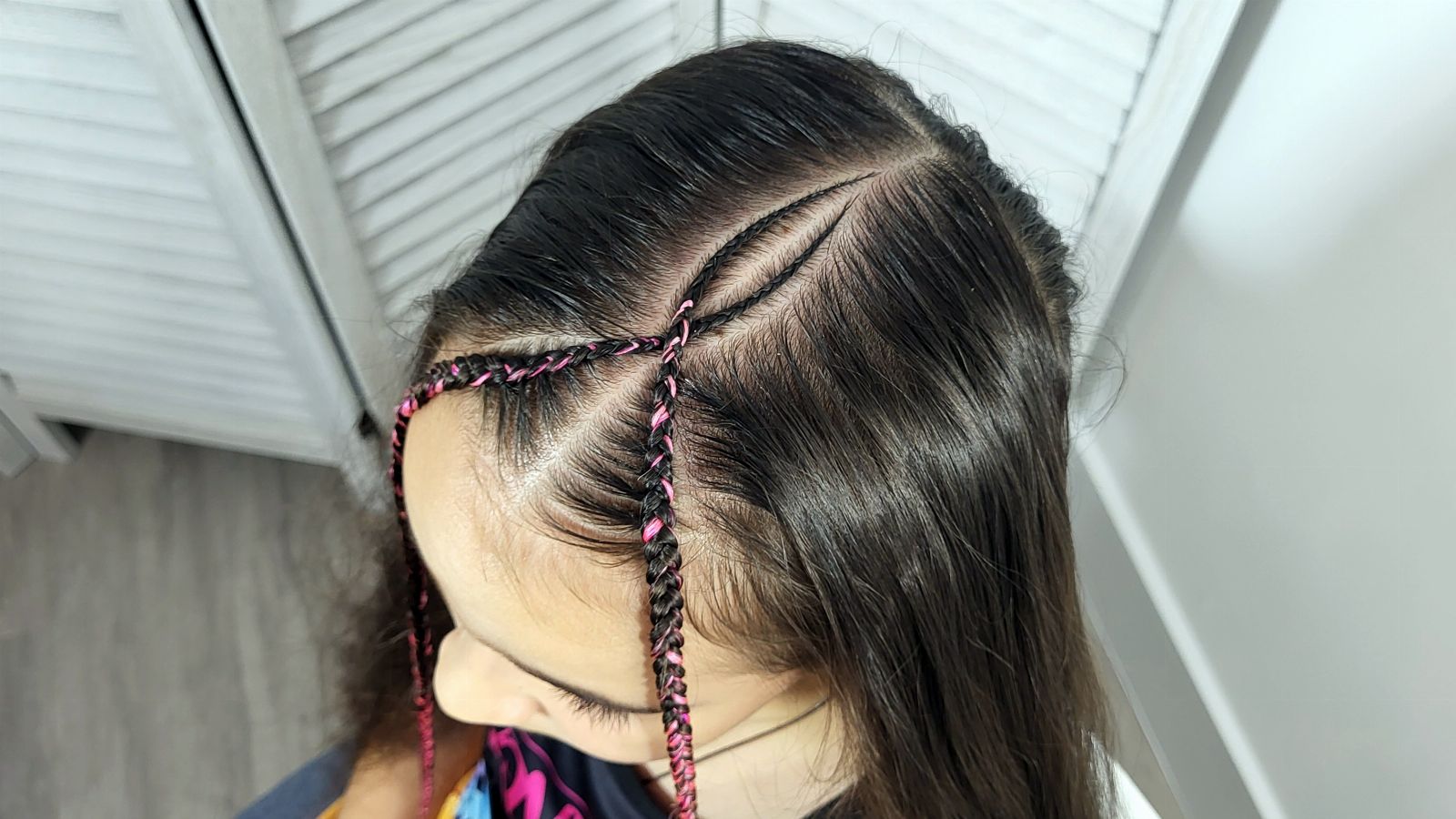
Redness, bumps, and pain during or after braiding should never be treated as a normal part of the service. A fresh braid style can feel snug, especially when the hair has been sectioned cleanly and the braid sits close to the scalp, but snugness is not the same as pain. When the scalp becomes red, tender, swollen, or covered with small bumps near the braid base, the body is giving feedback. A professional braider needs to know how to read that feedback before the style turns from beautiful to uncomfortable or potentially damaging. Clean braiding is not only about the final photo; it is also about how the client feels while wearing the style.
Understand the Warning Signs
One of the biggest mistakes in braiding culture is the idea that pain means the style will last longer. In reality, pain often means the braid is too tight, too heavy, placed in the wrong direction, or attached to a base that is too small for the amount of hair it is carrying. A braid can be secure without being painful. It can look polished without pulling the scalp aggressively. When a client says the style hurts, or when the scalp shows visible irritation, that should not be dismissed with “it will loosen up.” Sometimes a braid may soften slightly after a day or two, but sharp pain, burning, bumps, or redness are warning signs that the technique needs to be adjusted.
Redness around the braid base often means the scalp is under stress. It may appear during installation, right after the service, or later that day. The skin may look stretched, shiny, or irritated around the section. This can happen when the braid is pulled too tightly at the root, when the parting direction fights the natural growth pattern, or when added hair creates too much weight for the base. Redness is especially important to watch around the hairline, temples, nape, and areas above the ears because these zones often have finer, more delicate hair. A braid that feels acceptable in the crown can still be too much for the edges.
Small bumps can be another sign that the scalp or follicles are reacting to tension. They may show up as tiny raised spots near the base of the braid, often along the hairline or wherever the style is pulling most strongly. For a braider, this is not the moment to keep going and hope the bumps disappear. It is the moment to pause and check the section size, braid direction, and amount of extension hair. If the braid is too tight, loosening or removing the problem area is the safer choice. If the scalp already looks irritated, continuing to braid over that area can make the client more uncomfortable and can damage trust.
Listen to Client Comfort and Protect Sensitive Areas
Pain is one of the clearest warning signs because the client can feel it before the braider sees anything. Some clients will speak up right away, but others may stay quiet because they think braids are supposed to hurt. That is why a professional braider should ask specific questions during the service. Instead of asking, “Is it okay?” ask, “Does this feel secure or does it feel tight?” Secure means the braid feels stable. Tight means the scalp feels pulled, stretched, or pressured. This language helps clients explain what they are feeling. It also helps the braider correct the issue before a full row or full head is finished.
There are different types of pain, and they do not all mean the same thing. A mild awareness of a fresh braid may happen when the hair is newly styled, but sharp pulling, burning, throbbing, headache, or pain when blinking, smiling, or turning the head should be taken seriously. If the client cannot sleep comfortably, move the braids, or relax the face because of scalp tension, the style is too tight or too heavy. A professional result should not force the client to “survive” the first few days. The style should be wearable from the beginning, with enough comfort for normal movement.
The hairline needs extra protection because it is usually the first place where tension problems become visible. Edges, baby hairs, and temple areas can be shorter, finer, or more fragile than the rest of the head. When these hairs are forced into tight braids or used to anchor heavy extensions, the scalp may react quickly. Redness and bumps around the edges are a sign to reduce tension, use less added hair, change the braid direction, or leave fragile hairs out. A clean hairline should never be created by forcing every short hair into the braid. Sometimes the most professional choice is to protect the edge instead of making it look overly controlled.
Adjust Weight, Product, and Technique Early
Extension weight is another major factor. A braid may not feel painfully tight during the first few stitches, but once long or heavy synthetic hair is added, the base has to carry more load. This is important for Box Braids, Knotless Braids, Feed-In Braids, Senegalese Twists, Double-Ended Braids, and other protective styles with added hair. If the base is too small or the extension piece is too heavy, the natural hair can be pulled too strongly. The scalp may become sore during wear, especially when the braids are wet, styled into a ponytail, or pulled back. A professional braider should think about how the style will feel after the client leaves, not only how it looks in the chair.
Product irritation can also contribute to discomfort, so the braider should not assume every bump or redness comes only from tension. Some clients may react to gel, edge control, mousse, synthetic hair, fragrance, or buildup on the scalp. If the client reports itching, burning, or unusual sensitivity, it is important to stop and assess what has been applied. The safest professional approach is to avoid heavy product layering, keep the scalp clean, and ask about sensitivities before installation. If irritation continues, becomes severe, or looks unusual, the client should be advised to contact a licensed medical professional. Braiders should not diagnose scalp conditions, but they should know when something is outside normal styling feedback.
A warning sign should lead to a practical correction. If the braid is pulling, loosen it. If the section is too small, rebuild the base. If the extension hair is too heavy, reduce the material. If the braid direction is fighting the growth pattern, adjust the angle. If the hairline is too fragile, create a lower-tension option. If the scalp is already irritated, avoid adding more pressure to that area. These corrections may take extra time, but they protect the client and the quality of the service. A braid that has to be redone early is better than a style that causes pain for days.
Professional braiding also requires honest aftercare guidance. Clients should know that pain, bumps, redness, swelling, or persistent tenderness after installation are not signs of a successful style. They should be told not to ignore discomfort just because the braids look good. If a style feels too tight, the client should contact the braider quickly, not wait until the scalp becomes more irritated. If symptoms are strong, spreading, or not improving, the client should seek appropriate medical advice. This type of guidance does not weaken the service; it makes it more professional.
The strongest braiders understand that beauty and comfort should work together. A style can be sharp, clean, and long-lasting without creating pain at the root. Redness, bumps, and pain are not small details to brush off. They are signs that the braid plan may need to change. When a braider pays attention to them early, the work becomes safer, more comfortable, and more trustworthy. Clients remember how the style looked, but they also remember how it felt. A professional braid should leave them feeling confident, not sore.