
How to Refresh Frizzy Braids Without Redoing the Whole Style
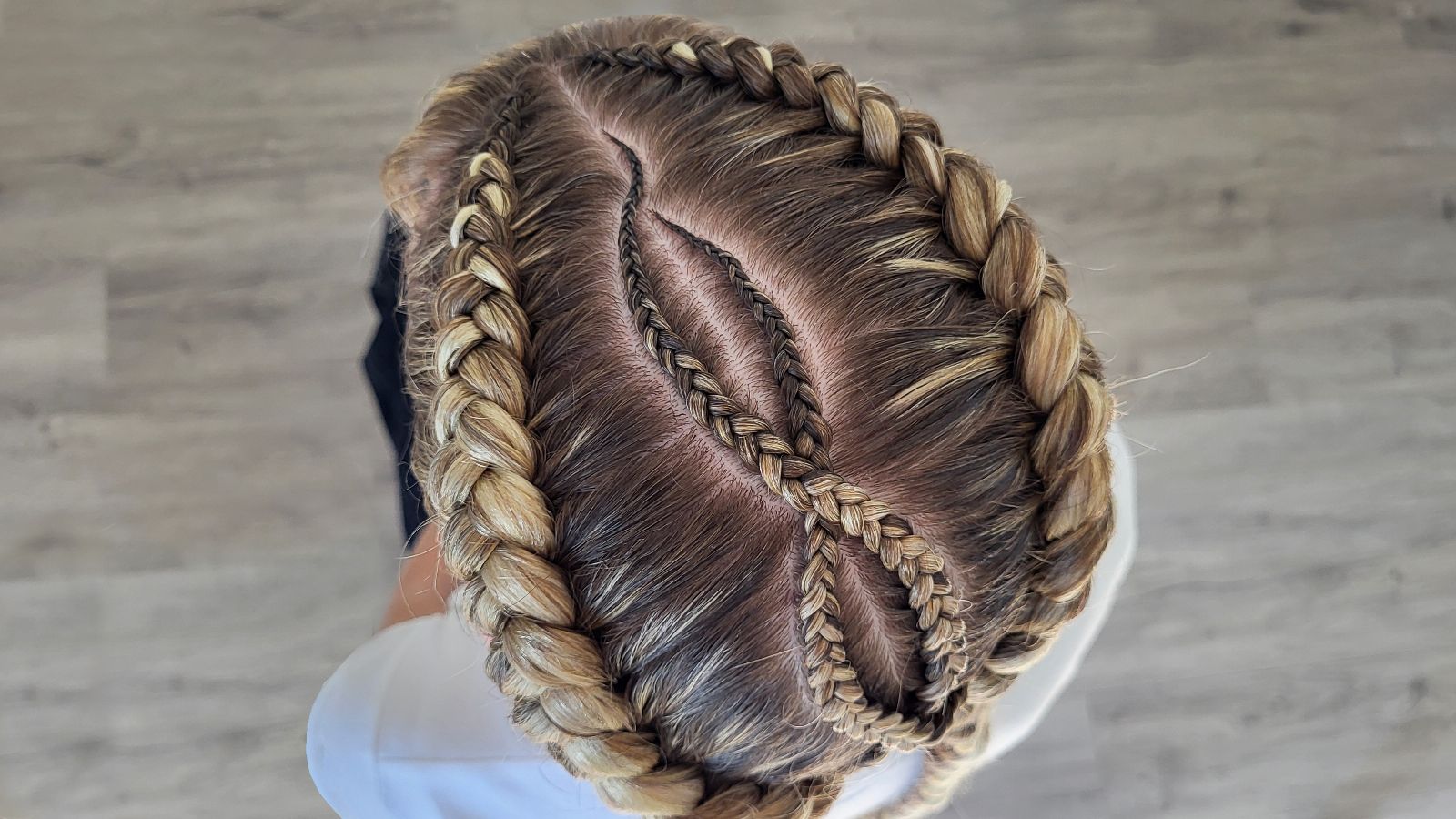
Frizzy braids do not always mean the whole style needs to be redone. In many cases, the structure is still good, the parts are still readable, and the braids are still wearable, but the surface has started to lift. Natural hair expands, short pieces move, synthetic hair creates friction, and daily styling changes the finish over time. A smart refresh can make the style look cleaner without reinstalling the entire head. The professional goal is to understand what kind of frizz you are dealing with: light surface frizz, fuzzy roots, loose natural ends, product buildup, or a braid that has actually lost its base. Each situation needs a different correction.
Decide Whether the Braids Are Refreshable
The first step is to decide whether the braids are refreshable. Some frizz is normal after wear, especially around the hairline, crown, nape, and part lines. If the braid pattern is still secure and the roots are not painful, matted, or heavily grown out, a refresh may be enough. But if the braid is loose at the base, the new growth is tangled, the scalp is sore, or the style has heavy buildup, adding more product will not fix the real problem. A professional refresh should improve the look and feel of the style. It should not cover up a style that is already past its safe wear time.
Surface frizz is usually the easiest to correct. This type of frizz appears as small hairs lifting from the braid, often along the top layer or around the first few inches near the root. The correction should be gentle. Smooth the hair in the direction of the braid with light product control, not rough brushing or heavy gel. A small amount of mousse can help calm the surface and give the style a cleaner finish, but the braids should not be soaked. Too much mousse can make the style damp, sticky, or heavy, especially if the braids are thick or long. The goal is to smooth the outside layer, not saturate the whole braid.
Clean Buildup Before Smoothing the Surface
Before adding any product, check for buildup. Frizz and buildup often appear together, but they need different treatment. If the roots feel coated, sticky, flaky, or dusty, adding mousse or gel on top may make the style look worse after a few hours. In that case, a light cleanse or a damp cloth refresh may be needed first. Work along the parts and roots with gentle pressure, removing visible residue without scrubbing across the braids. Once the area is cleaner and mostly dry, a small amount of finishing product can be used to smooth the surface. Refreshing works best when the hair is not already overloaded.
The hairline usually needs the most careful attention because it is the first area people notice and often the most delicate. Edges can become fuzzy from sleeping, sweating, scarves, hats, workouts, and repeated styling. It can be tempting to apply heavy edge control and brush everything flat again, but that is not always the safest or cleanest choice. If the hairline is sensitive, thinning, or already under tension, keep the refresh soft. Use a small amount of product, smooth gently, and avoid pulling the edge hair tightly backward. A softer hairline can still look polished. It does not have to be scraped flat to look professional.
Refresh Visible Zones Instead of the Whole Head
For Box Braids and Knotless Braids, a refresh often works best when the focus is on visible zones instead of the entire head. The front row, crown, and part lines usually make the style look older before the interior does. Cleaning up these areas can change the overall impression without disturbing every braid. If the perimeter is very fuzzy but the rest of the style is still clean, the braider may choose to redo only the front few braids or selected rows. This kind of partial refresh saves time, reduces stress on the natural hair, and gives the client a cleaner look without a full reinstall.
For Cornrows and Feed-In Braids, the refresh has to be more controlled because the braid pattern is fixed close to the scalp. If the rows are still secure, mousse and a light wrap can help smooth flyaways and define the surface again. The product should be applied in the direction of the braid, not rubbed across the pattern. Rubbing side to side can lift more frizz and blur the parts. If the roots are grown out or the braid has lifted from the scalp, a surface refresh will only do so much. Cornrows and Feed-In Braids show new growth quickly, so the braider has to be honest about whether the style can be refreshed or should be removed.
Handle Boho Braids and Loose Curls Separately
Boho Braids and styles with loose curls need a different approach. The curls can become frizzy, tangled, or uneven before the braid base is ready to come down. A refresh should separate the curls gently with fingers, remove obvious tangles, and redefine only the pieces that need attention. Heavy brushing can ruin the curl pattern and make the style look puffier. If the loose curls are synthetic, the braider should consider the fiber type before adding water, mousse, or heat. If the curls are human hair, the refresh may need a lighter moisturizing approach. The braid and the curl are part of the same style, but they do not always need the same product.
A mousse set can be useful during a braid refresh, but only when the braids are clean enough to receive product. Apply mousse lightly over the frizzy areas, smooth downward with the hands, and use wrap strips or a scarf to hold the surface in place while it sets. The wrap should be firm enough to guide the flyaways down, but not so tight that it presses fresh tension into the scalp. The style should dry fully before the wrap is removed. If the braids stay damp under a scarf, the client may end up with odor, discomfort, or a heavy feeling at the roots. A good refresh should leave the braids cleaner and lighter, not wetter and more coated.
Redo Only the Braids That Truly Need It
Sometimes a refresh needs a small amount of re-braiding. If a few braids near the hairline are fuzzy, loose, or showing too much natural hair, it may be cleaner to redo those individual braids instead of layering product over them. This is especially true when the base has lost structure. A braid with a loose or twisted base cannot be fully repaired from the outside. Redoing a small section can make the whole style look fresher and more professional. The key is to avoid turning a refresh into repeated tension on the same fragile areas. If the front has already been redone too many times, the client may need takedown instead.
Product choice matters during a refresh. Heavy gel can make frizzy braids look smooth for a short time, but it may create flakes, white residue, and buildup later. Oil can add shine, but too much oil can attract lint and make the braid surface look dull. Mousse can smooth, but daily mousse can make the style feel coated. A professional refresh uses the lightest effective product and applies it only where needed. The goal is not to make the braids look brand new by force. The goal is to restore polish while keeping the hair and scalp comfortable.
Extend the Style Without Resetting the Clock
Clients should also be taught how to maintain the refresh after leaving the chair. Night protection matters. A satin or silk scarf, bonnet, or pillowcase helps reduce friction and keeps the smoothed surface from lifting again. Tight ponytails and high buns should be avoided if the roots are already grown out or sensitive. Heavy daily product should be avoided because buildup will shorten the life of the refresh. A good refresh can extend the style, but it cannot reset the clock completely. The client still needs a realistic takedown plan.
The safest professional question is always whether the refresh supports the hair underneath. If the braids are frizzy but comfortable, clean, and structurally sound, refreshing can be a smart option. If the braids are painful, matted, heavily coated, or pulling at the roots, removal is the better choice. A braid style should not be kept just because the client wants one more week. When a braider knows the difference between a refreshable style and a style that needs takedown, the service becomes more trustworthy.
Refresh the Finish Without Compromising the Hair
Refreshing frizzy braids without redoing the whole style is about judgment. Smooth the surface when the structure is still good. Clean the roots before adding more product. Focus on visible zones instead of disturbing the entire head. Redo only the braids that truly need it. Keep product light, protect the hairline, and make sure the style is still comfortable to wear. A successful refresh should make the braids look cleaner, feel lighter, and last a little longer without creating buildup or unnecessary tension. That is the professional balance: improve the finish without compromising the natural hair underneath.