
Pro Braiding Tips
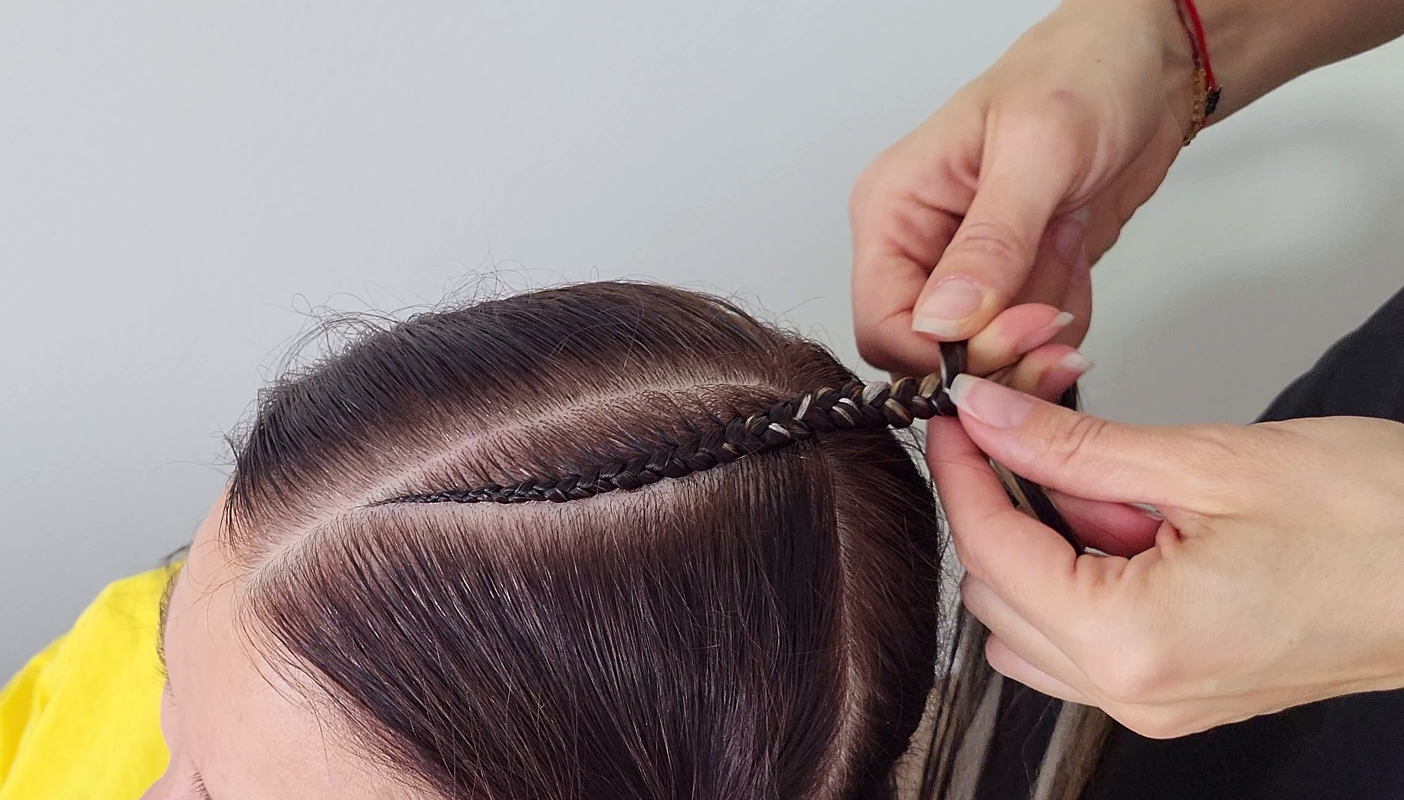
A clear guide to improving hand placement, finger control, and strand movement so beginner braiders can build cleaner technique without rushing.
Braiding Fundamentals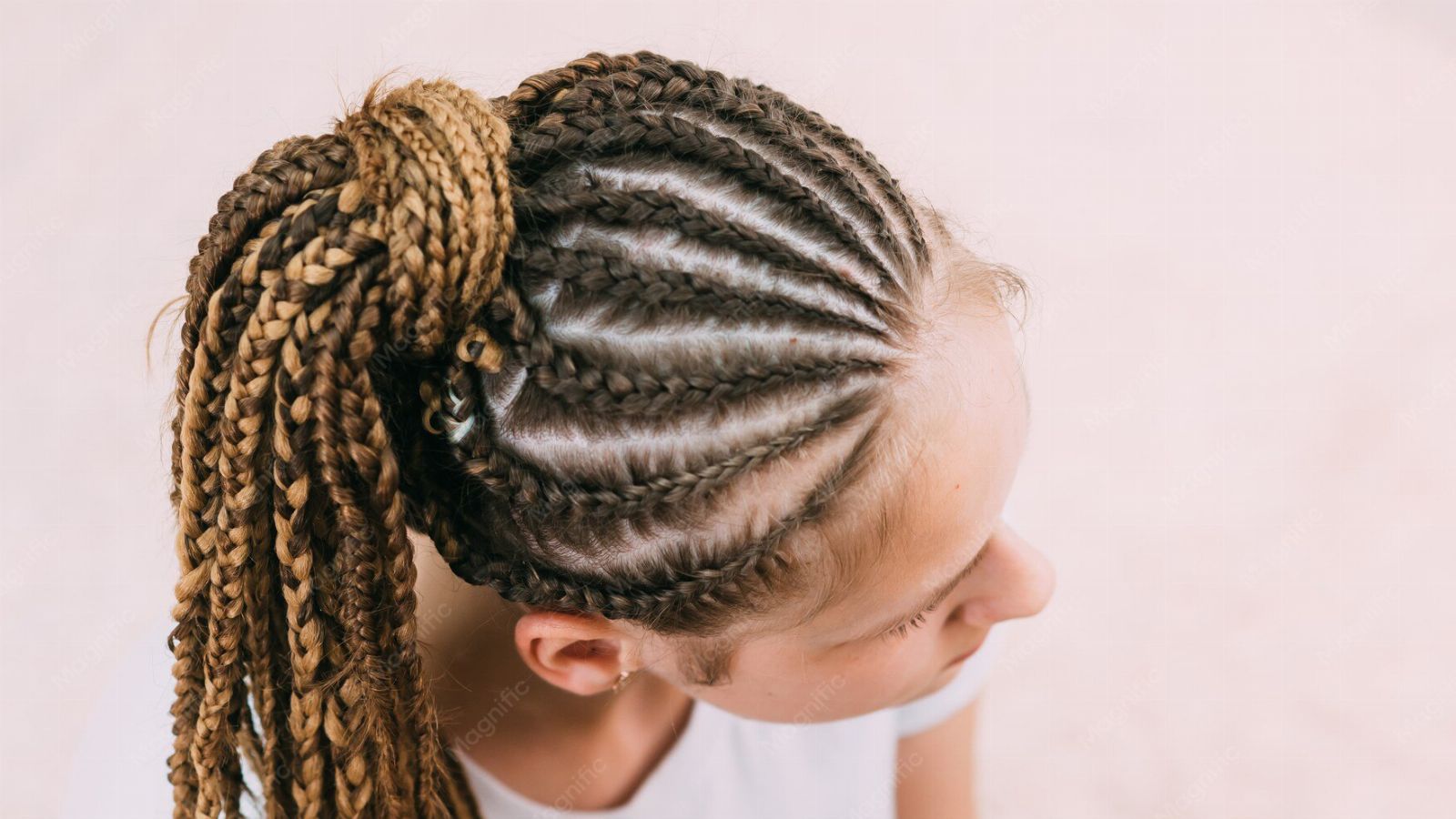
Messy braids usually come from predictable technical issues: uneven sections, weak tension control, poor strand placement, or product overload.
Braiding Fundamentals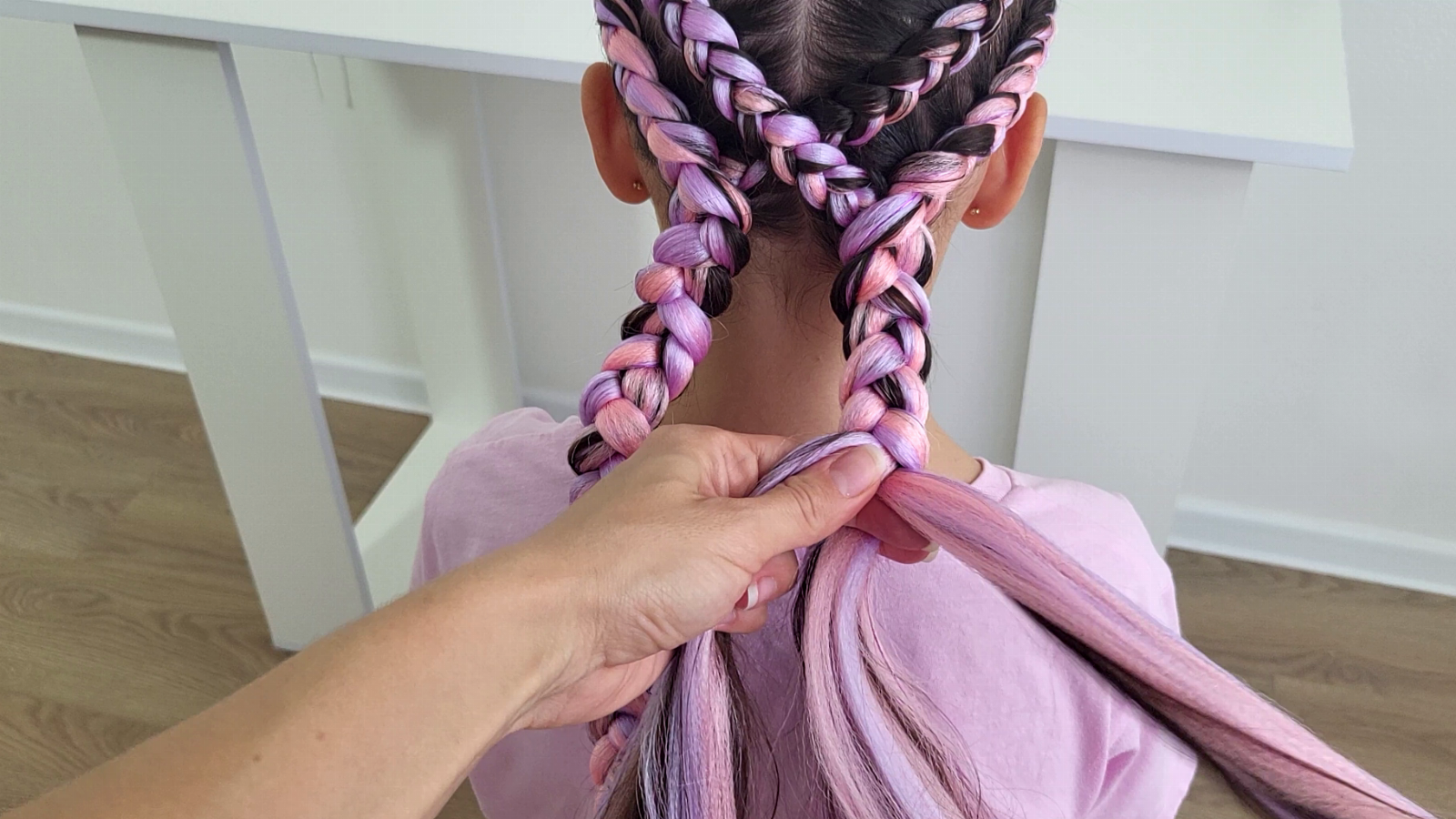
A practical fix for uneven strand size, thinning sections, and braid patterns that start clean but lose balance halfway down.
Braiding Fundamentals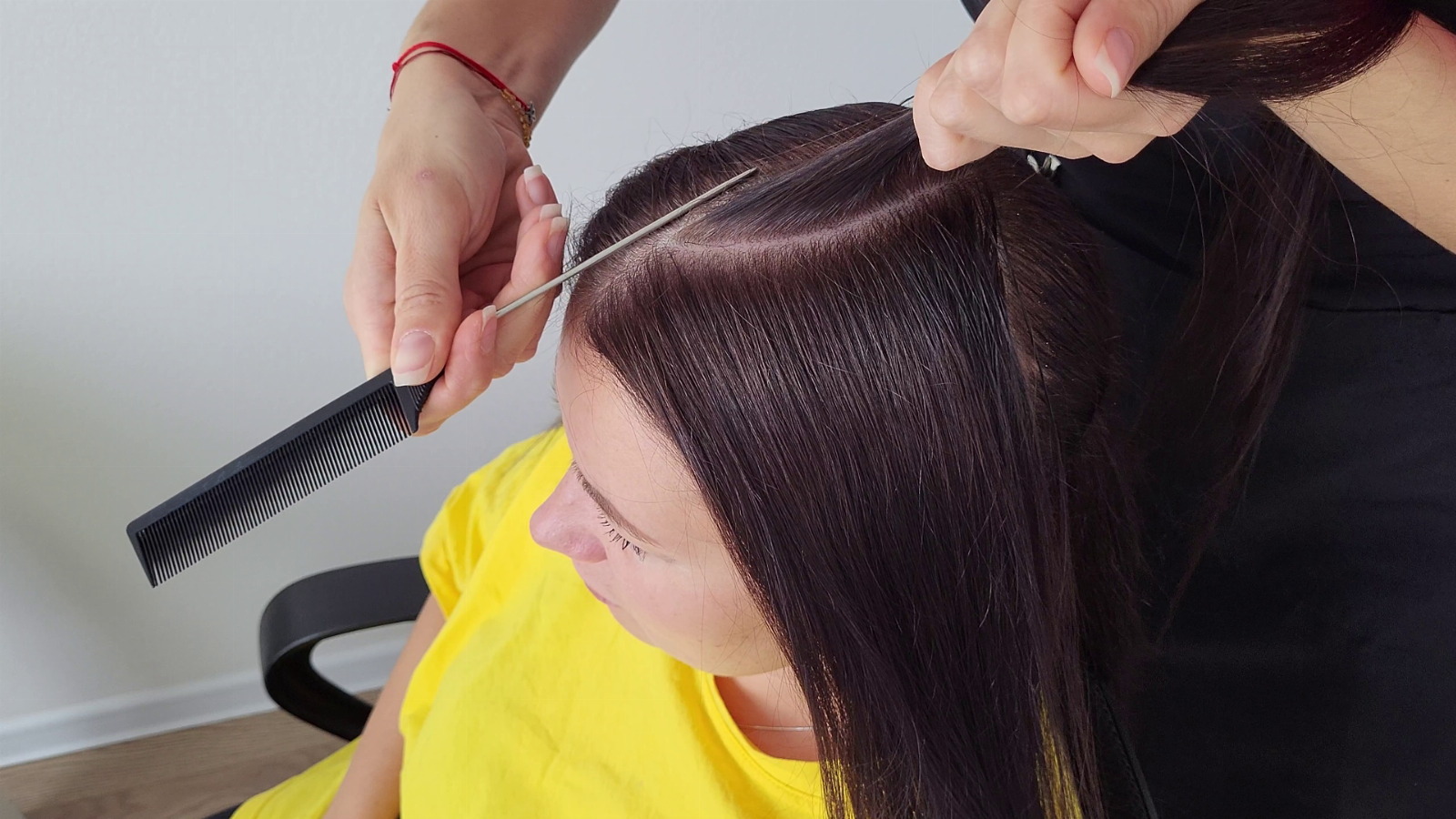
Cleaner parts start with the way the comb is held, angled, and guided through the hair before the first braid is created.
Parting & Sectioning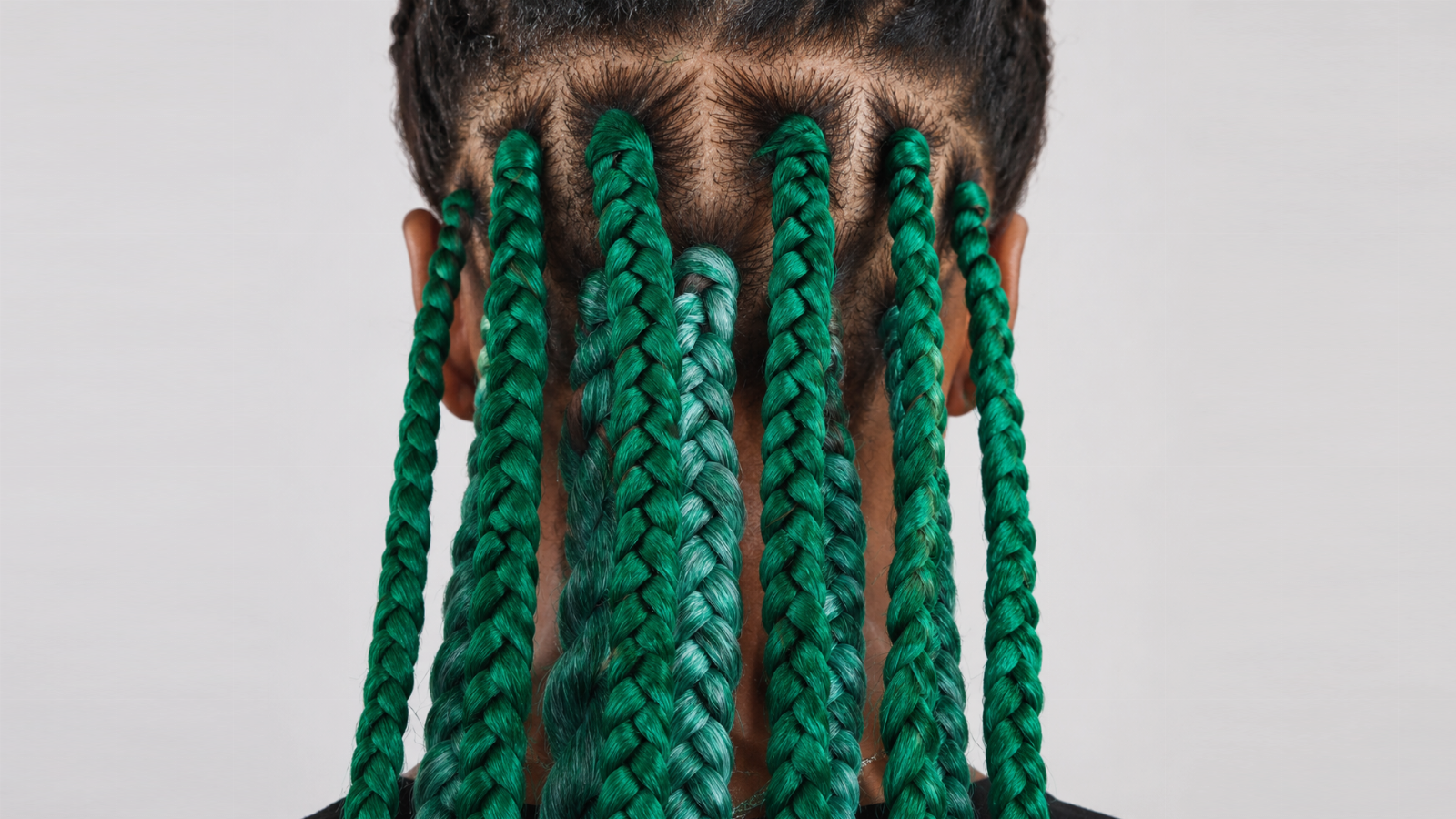
Different sectioning grids change coverage, weight distribution, and how full a braid style looks once the hair starts moving.
Parting & Sectioning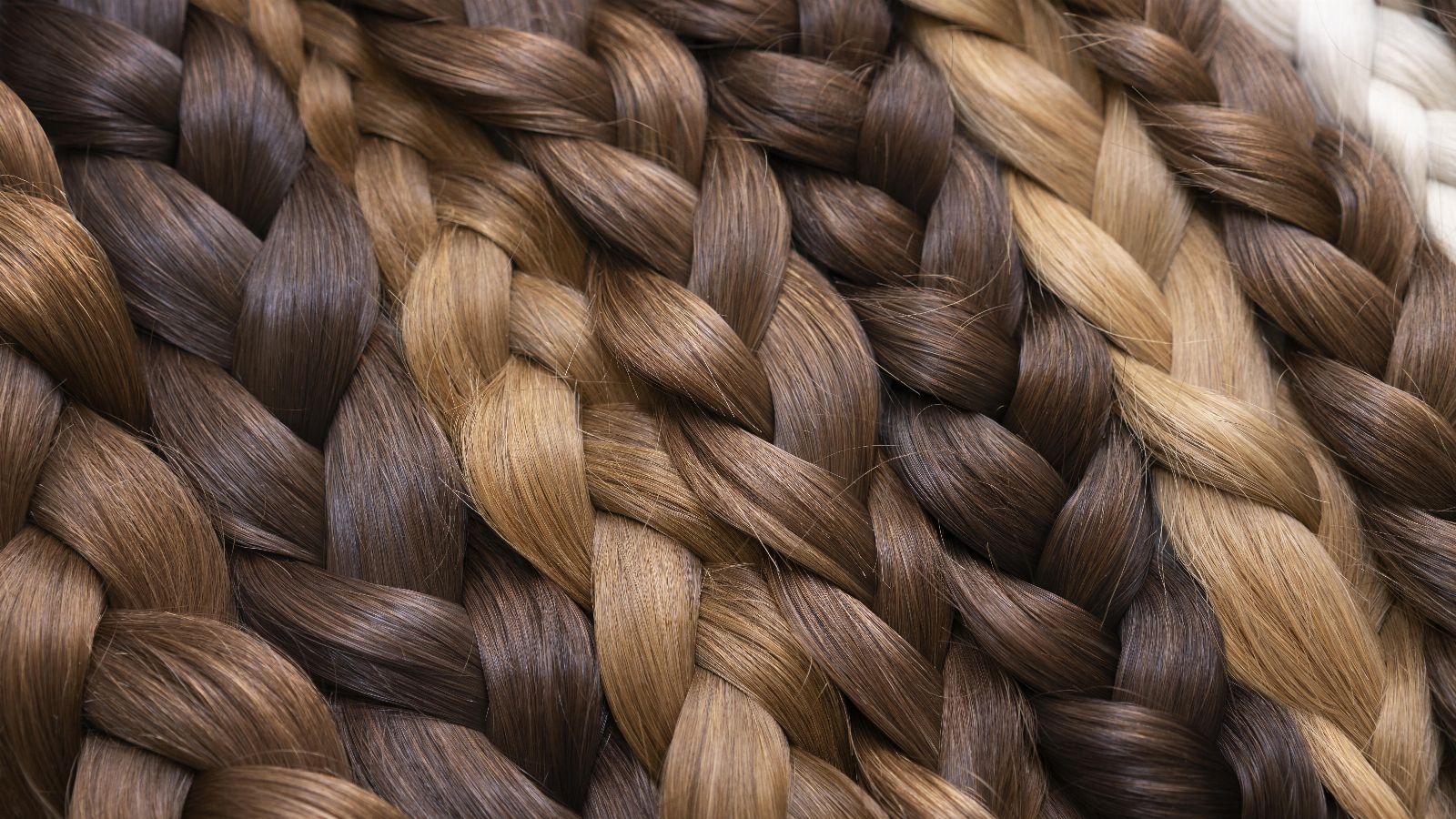
Braid size should be chosen by hair density, scalp comfort, lifestyle, wear time, and the weight of added material.
Parting & Sectioning
Tiny sections can look neat, but when they carry too much tension or extension weight, they can create breakage and scalp stress.
Parting & Sectioning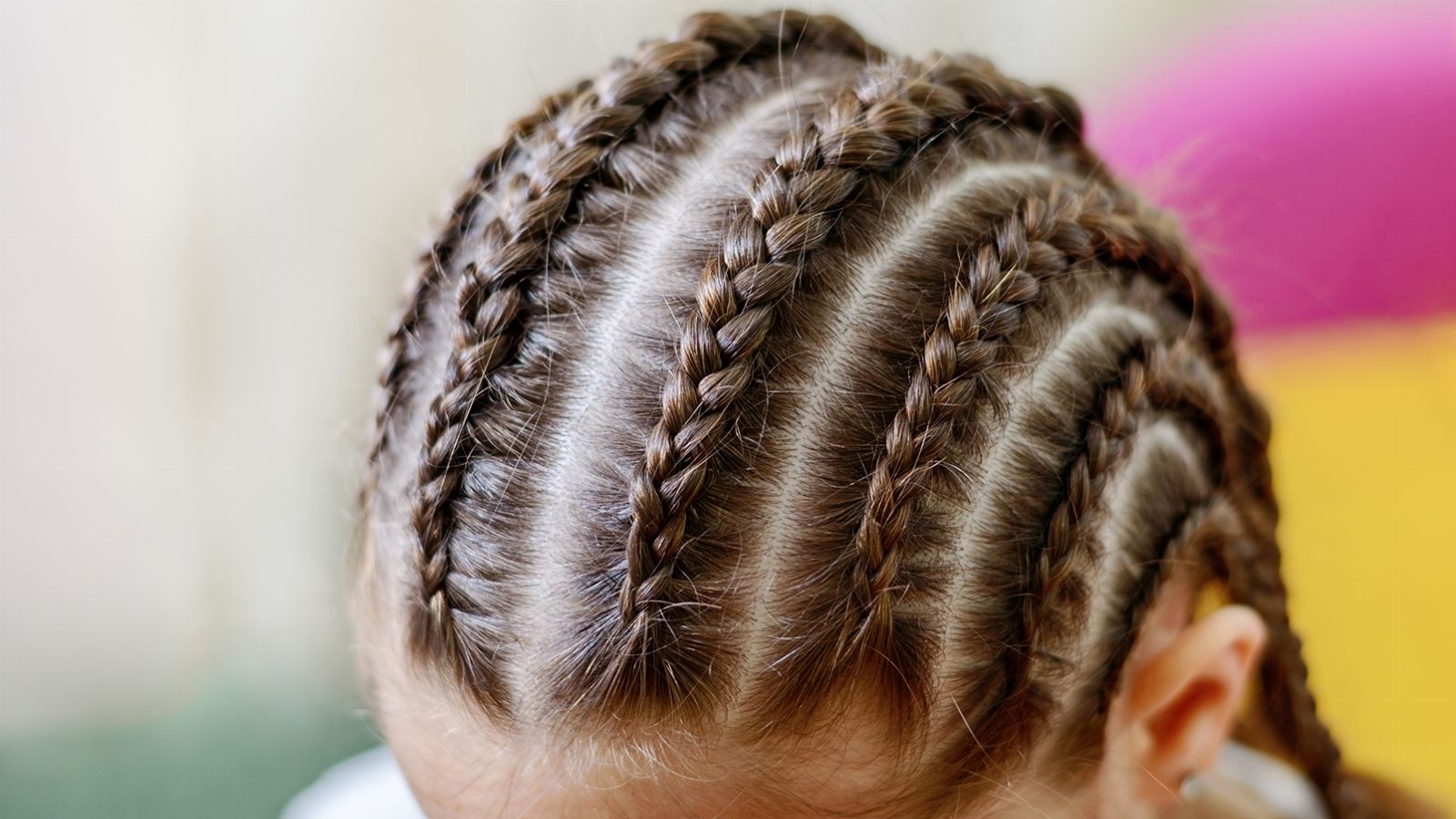
Secure braids come from balanced tension and clean structure, not from pulling the hair as tightly as possible.
Tension & Hairline Safety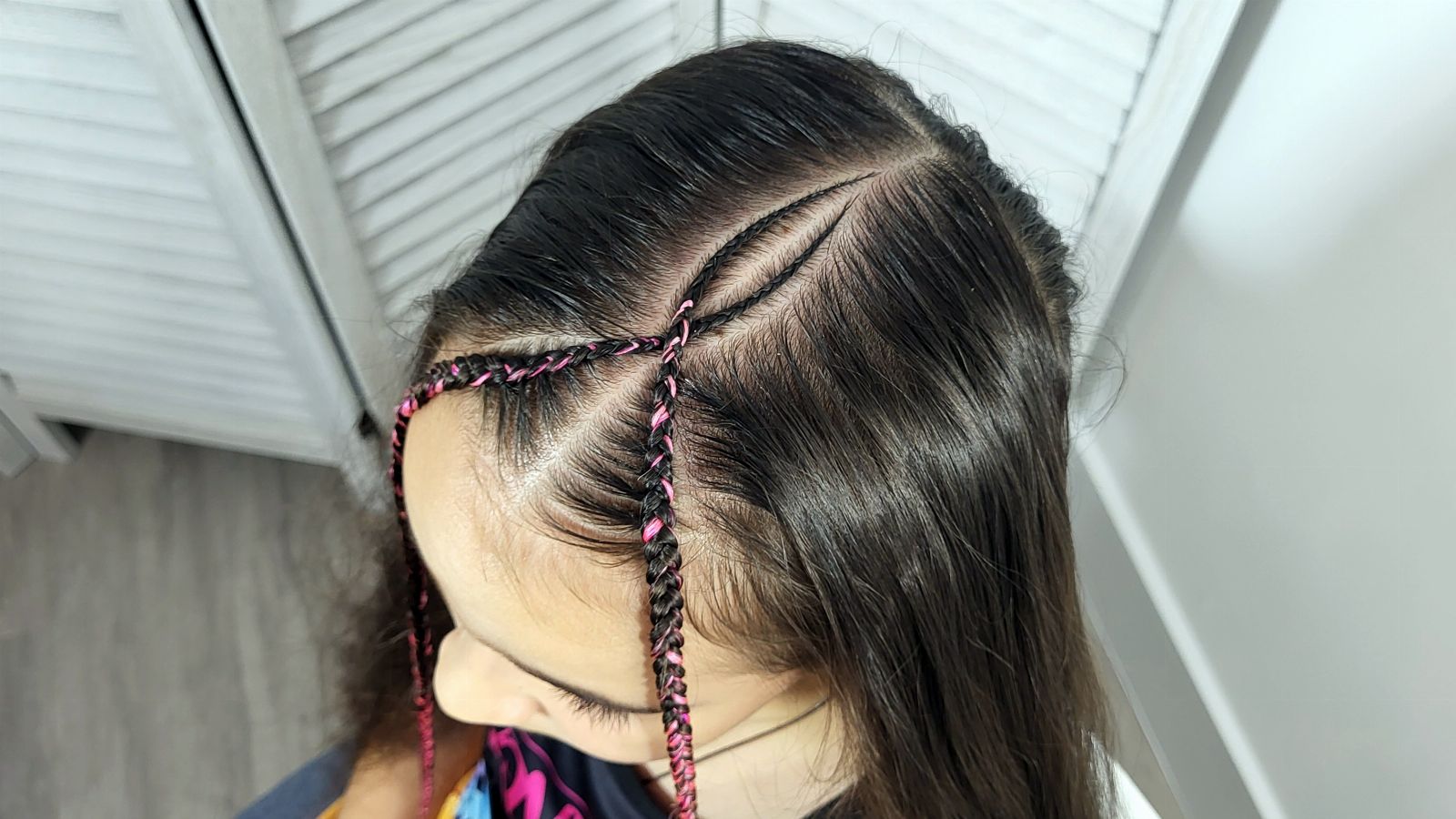
Scalp discomfort is not just a customer-service issue; it can be an early warning sign that the style is too tight or too heavy.
Tension & Hairline Safety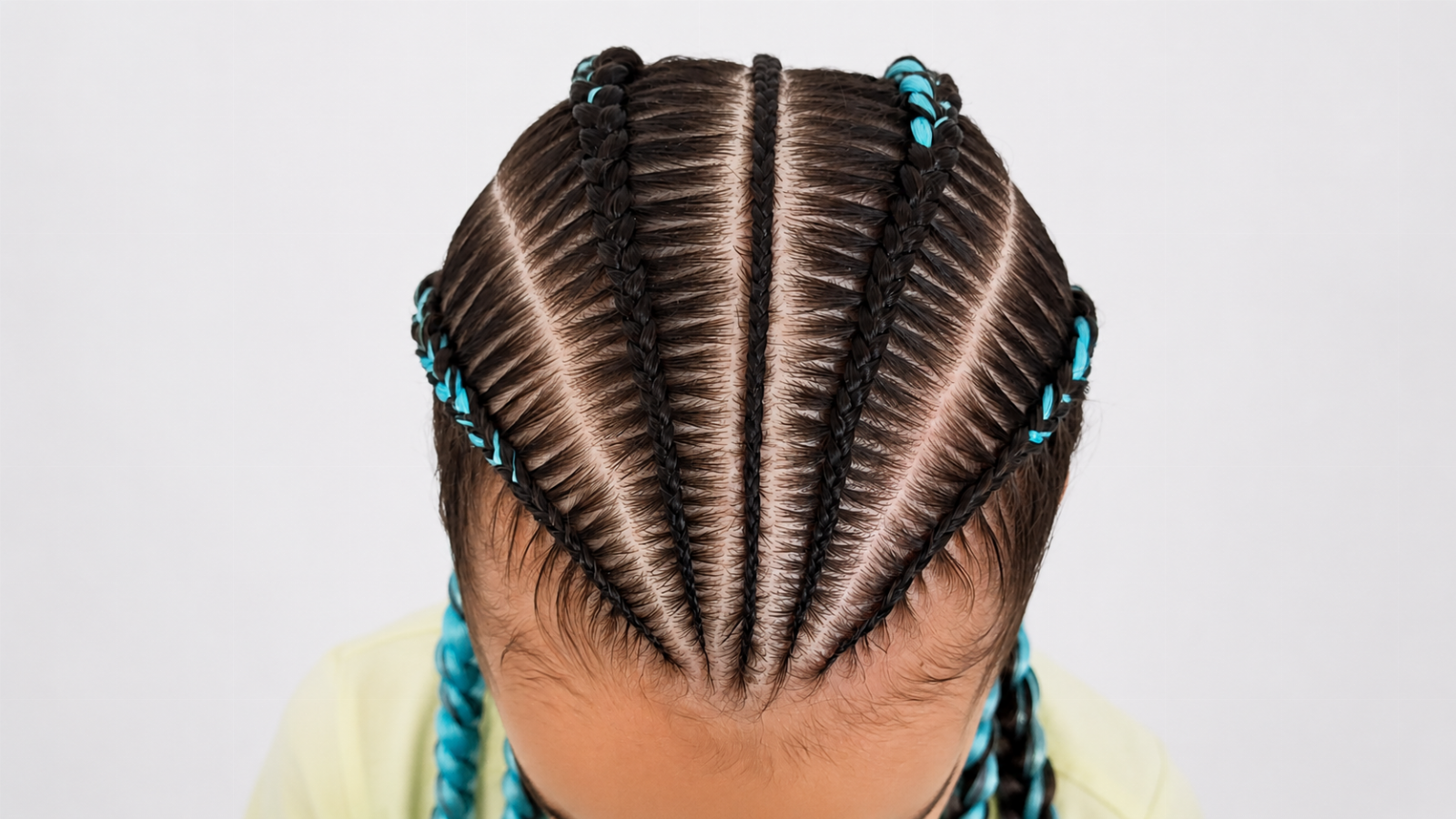
The hairline needs lighter sections, softer tension, and careful material placement because it is one of the most fragile areas in braid work.
Tension & Hairline Safety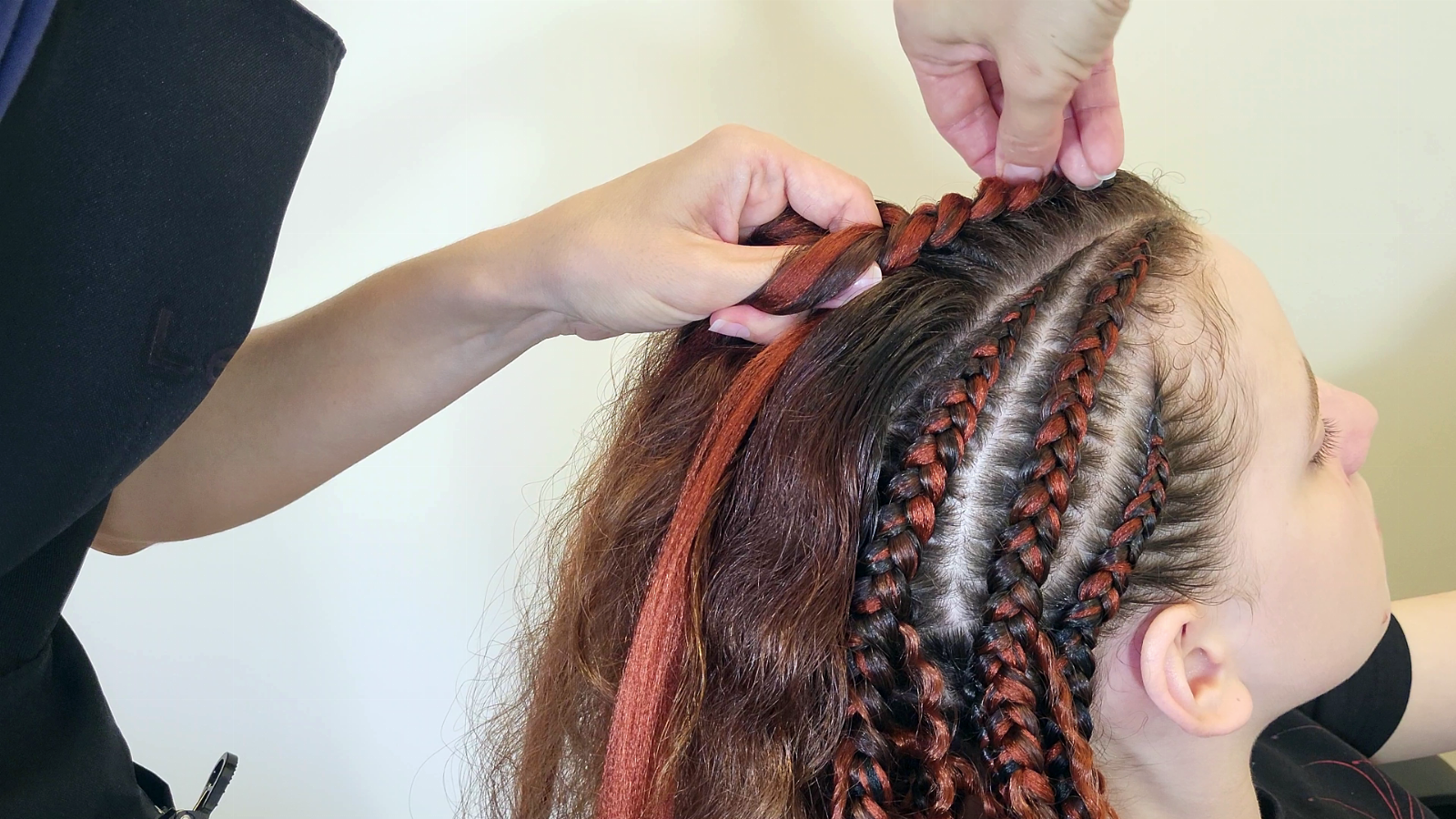
Sensitive edges require softer sectioning, lighter material, and a braiding direction that does not force fragile hair against its natural growth.
Tension & Hairline Safety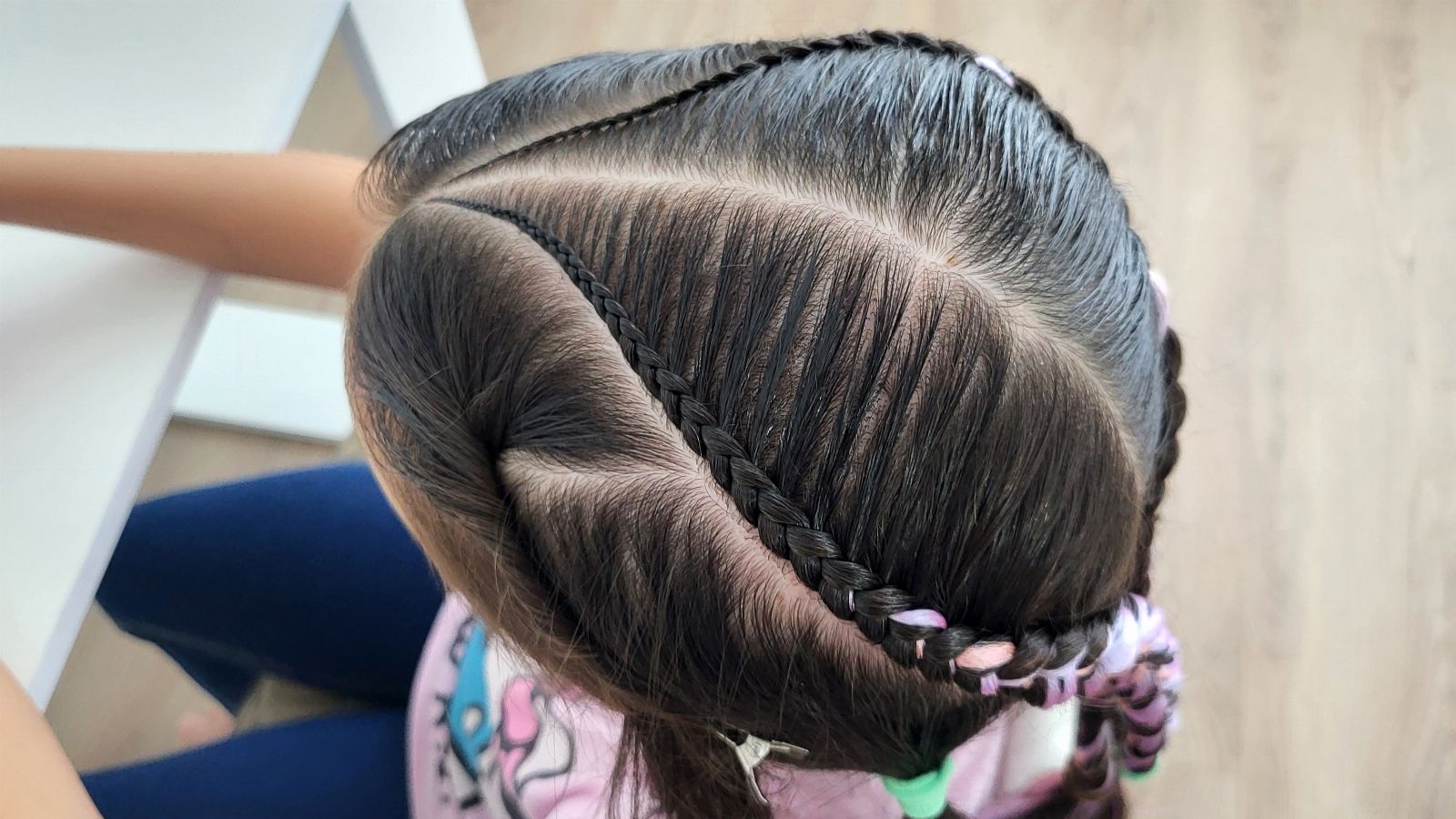
Tension tuning teaches braiders how to keep the braid secure while reducing pressure on clients with sensitive scalps.
Tension & Hairline Safety