
The Beginner Braider’s Guide to Better Hand Control
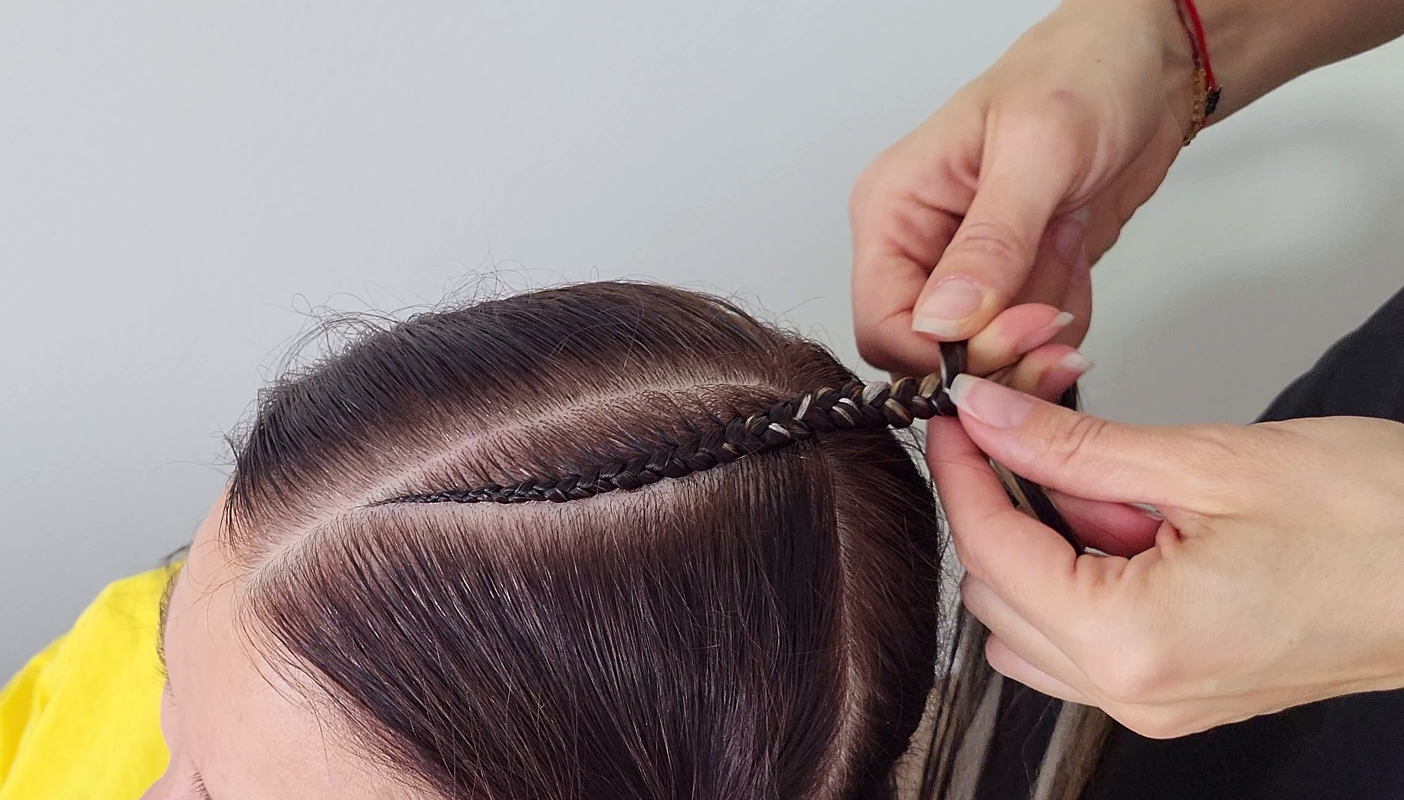
Strong hand control is one of the first skills that separates a clean braid from a braid that only looks finished from one angle. When a braider is still learning, the focus often goes to the pattern itself: which strand crosses over, where the pickup goes, how to remember the direction. But in real braiding work, the pattern is only one part of the result. The hands have to manage tension, strand size, finger placement, scalp comfort, and the direction of the braid at the same time. That is why better hand control is not just a beginner topic. It is the foundation for Three-Strand Braids, French Braids, Dutch Braids, Feed-In Braids, decorative patterns, and any style where the braid needs to look clean from the root to the ends.
Build Control Before Speed
The first thing to understand is that the hands should guide the hair, not fight it. Many new braiders hold the strands too tightly because they are afraid of losing control. It feels logical in the beginning: tighter grip, cleaner braid. In practice, it often does the opposite. When the fingers squeeze too hard, the hands become stiff, the movement gets slower, and the braid starts looking forced. The scalp can also feel more pulling than necessary. A more professional approach is to keep the strands separated with the fingers, but allow enough softness for the hair to move through the pattern. The braid should feel organized, not trapped. That balance is what makes the difference between a braid that looks tense and one that looks smooth, confident, and wearable.
A good drill is to practice one simple braid without trying to finish a full hairstyle. Take three even sections and braid slowly, paying attention to how each strand feels between the fingers. The goal is not speed. The goal is to notice when one section becomes thinner, when the braid starts turning, or when the hands begin opening too wide. After a few stitches, stop and check the shape. If the braid is already uneven, the issue started in the hand movement before it became visible in the braid. This kind of slow practice is more valuable than repeating the same mistake quickly on a full head. Once the basic movement becomes cleaner, the same control can be used with pickups, added hair, and more advanced braid structures.
Control the Root, Pickups, and Direction
One common mistake is moving the hands too far away from the scalp. When the hands travel too wide, the braid loses direction and the root can become loose or uneven. Cleaner braiding usually happens with smaller, closer movements. The fingers should stay near the working area, and each strand should be transferred with intention. This does not mean the braid should be tight. It means the hand path should be controlled. There is a difference between secure technique and aggressive pulling. A secure braid is built with clean sectioning, steady strand placement, and balanced tension. A tight braid often comes from trying to fix weak control by using force. That is not a professional solution, especially when working on clients, kids, sensitive scalps, or hairlines that need extra care.
Another detail that matters is how the braider holds the working sections while adding pickups. In French Braids and Dutch Braids, beginners often lose control because they focus only on grabbing more hair. The pickup becomes too large, too small, or uneven from one side. Then the braid starts looking crooked, even if the pattern is technically correct. A better habit is to pause for a fraction of a second before each pickup and check the size. The new hair should support the braid, not drag it off direction. If one side of the braid is getting heavier, adjust early. Waiting until the braid is halfway done usually means more work has to be undone later.
Professional braiders also learn to read the braid while it is happening. If the braid twists, the wrist may be rotating too much. If the braid looks puffy at the base, the hands may be lifting away from the scalp. If one strand keeps disappearing, the sections are not being balanced before each cross. If the client feels pulling even though the braid does not look clean, the grip is probably relying on tension instead of structure. These signs are not failures. They are information. The best braiders do not ignore them; they correct them while the braid is still easy to fix. That is how clean technique is built.
Practice in Stages and Protect Client Comfort
For course-based learning, hand control should be practiced in small, clear stages. First, practice the basic Three-Strand Braid until the sections stay even. Then move to French Braids and Dutch Braids, focusing on pickup size and braid direction. After that, practice with added hair, where the hands have to manage both natural hair and synthetic material. Each stage should feel more controlled before moving to the next one. If the braider jumps too quickly into advanced styles without a steady hand foundation, the same problems will keep showing up: messy roots, uneven tension, loose strands, bulky starts, and braids that look different from row to row.
The practical value of better hand control is immediate. Braids look cleaner, the rows become more consistent, and the braider spends less time restarting. It also improves client comfort, because the hands no longer need to pull hard to make the braid feel secure. This is especially important for protective styles, where the client may wear the braids for several weeks. A braid that feels too tight at the appointment can become more uncomfortable during sleep, workouts, ponytails, or everyday movement. Clean hand control helps the braider create a style that looks polished without making the scalp carry unnecessary stress.
The best way to improve is to braid one clean row slowly before trying to braid faster. Speed should be earned by control, not used to cover uncertainty. If the braid stays even at a slow pace, increase the rhythm slightly. If the shape falls apart, slow down again and check the cause. Look at the base, the strand size, the pickup, the wrist angle, and the tension. This is how a braider develops real muscle memory. Not by rushing, but by repeating the right movement enough times that the hands begin to understand what clean technique feels like.
Better hand control is not a small beginner detail. It is the skill that supports every professional braid after it. When the hands know how to guide the hair, the braid becomes cleaner, lighter, more consistent, and easier to repeat. That is the kind of foundation that makes advanced work possible. It helps a braider move from simply following steps to understanding what is happening inside the braid. And once that happens, the work becomes more confident, more comfortable for the client, and much closer to a professional salon result.