
How to Protect the Hairline During Braiding
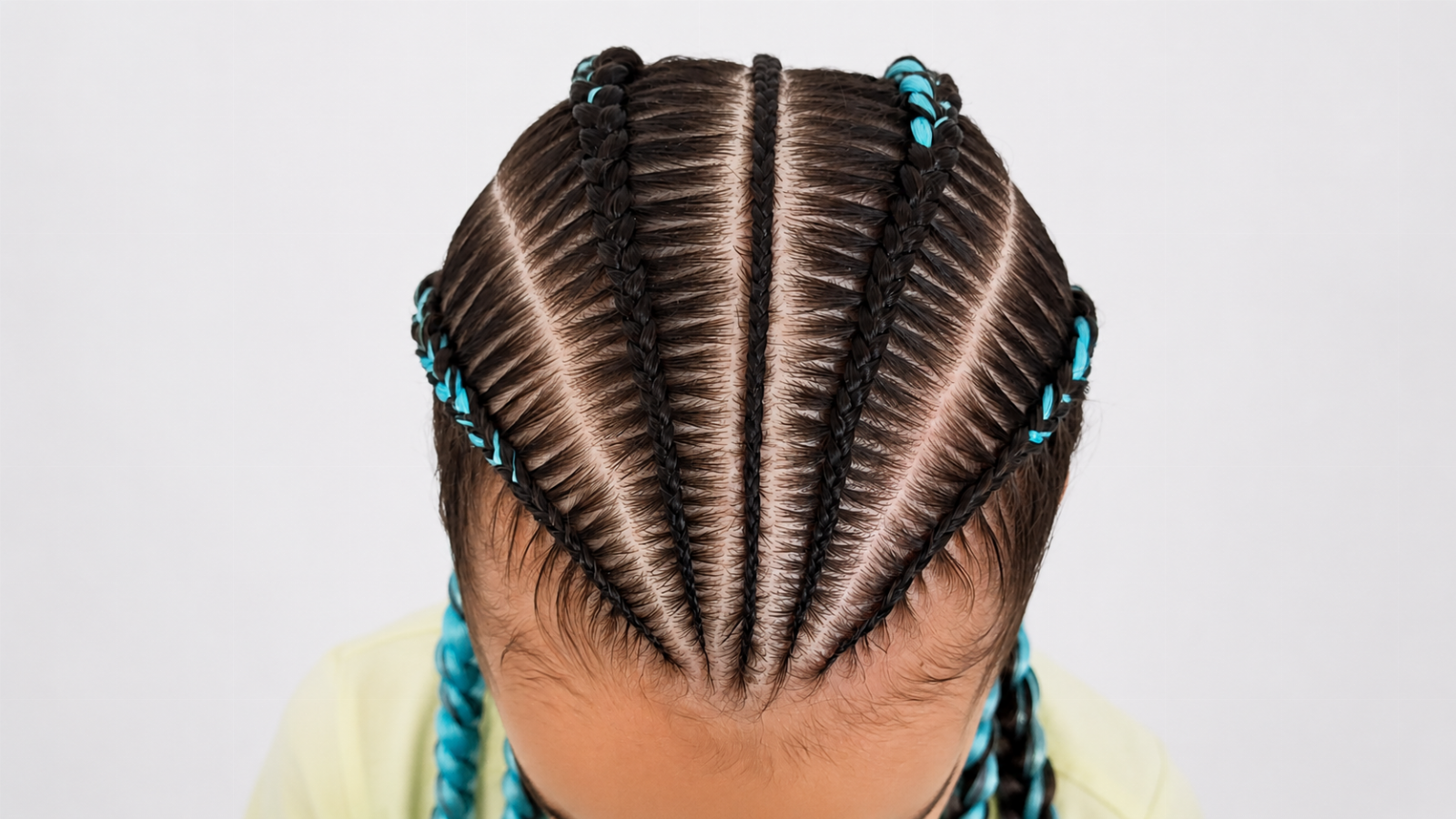
Pre-Stretched Braiding Hair is one of the most useful materials in modern braiding, but it should be chosen with intention. It is popular because it saves preparation time, creates a cleaner tapered finish, and helps the braid narrow more naturally toward the ends. For many styles, this can make the installation smoother and the final result more polished. But pre-stretched hair is not automatically the best option for every client, every texture, or every braid style. A professional braider needs to understand when it helps, when it needs adjustment, and when traditional bulk hair or hand-prepared fiber may give more control.
Use Pre-Stretched Hair for a Cleaner Taper
The main advantage of Pre-Stretched Braiding Hair is the taper. The ends are already pulled and layered, so the braid does not finish with a heavy, blunt edge. This is especially helpful for Box Braids, Knotless Braids, Feed-In Braids, Cornrows with added hair, and long protective styles where the braid needs to look smooth from root to ends. When the taper is clean, the braid usually feels softer at the bottom and is easier to finish. It can also reduce the time spent feathering hair by hand, which matters during full-head services where the braider is working with many sections and needs consistent results.
Pre-stretched hair is especially useful when the goal is speed without losing a professional finish. In a busy salon setting, preparation time affects the whole appointment. If the braider has to manually stretch every bundle before installation, the service becomes longer and the rhythm can slow down. With pre-stretched hair, the braider can focus more on sectioning, tension, placement, tucking, and weight balance. This does not mean the hair should be used straight from the pack without any planning. It still needs to be opened, separated into consistent pieces, checked for tangles, and matched to the braid size. Ready-to-use does not mean ready-to-grab randomly.
Choose It for Knotless, Feed-In, and Box Braids
For Knotless Braids, pre-stretched hair can be a strong choice because the tapered ends help the braid build more naturally. A knotless start should feel soft and gradual, not bulky. If the braider uses pieces that are too blunt or too dense, the braid can suddenly jump in size and lose that clean, lightweight effect. Pre-stretched hair makes it easier to create a smoother transition, especially when the pieces are separated from small to slightly larger before installation. The first pieces should still be light and controlled. Even with pre-stretched hair, the root can become heavy if too much material is added too early.
For Feed-In Braids, pre-stretched hair can also help create a cleaner look because the pieces blend into the braid more easily. The braid should grow gradually, and the added hair should not create visible bumps along the pattern. When the fiber is tapered, each added piece can enter the working strand with less bulk. This is useful for Straight-Back Braids, Cornrows, and curved Feed-In Braids, where the surface of the braid is very visible. The braider still has to control timing and placement. Pre-stretched hair supports the technique, but it does not replace the need for clean feed-in work.
For classic Box Braids, pre-stretched hair helps create a smoother lower length and a more consistent finish. It can reduce the heavy look that sometimes happens when blunt synthetic hair is braided all the way down. The braid can taper more naturally, which often makes the style look cleaner and easier to wear. However, the braider still needs to control the amount of hair at the root. A tapered end does not make the braid lightweight if the top section is overloaded. The base, attachment, and extension weight still have to match the client’s natural hair density and the planned braid size.
Balance Length, Density, and Extension Weight
Pre-stretched hair is also helpful when the client wants long braids with a soft finish. The longer the braid, the more important the shape of the ends becomes. Heavy, blunt ends can make the style look stiff and can add unnecessary weight. A tapered finish allows the braid to move more naturally and can make the overall style feel less bulky. This is one reason pre-stretched hair is commonly used for waist-length or longer braid styles. Still, length adds weight, even when the ends are tapered. The braider should balance length with density and avoid adding too much fiber just because the hair feels easy to work with.
There are times when pre-stretched hair may not be the best choice without adjustment. Some pre-stretched fibers are very silky, which can make tucking natural hair more difficult, especially if the client has short, blunt, textured, or high-contrast natural hair. If the hair is too slippery, the natural ends may pop out of the braid, or the feed-in pieces may not grip as cleanly. In those cases, the braider may need to slow down, use smaller pieces, choose a different texture, or add light product support only where needed. The material should help the technique, not make the braid harder to control.
Plan Color Blending and Hair Preparation Carefully
Another situation where the braider may want more control is custom color blending. Pre-stretched hair can absolutely be mixed, but the taper may shift if the hair is pulled apart too aggressively. When creating Ombre effects, highlights, lowlights, or custom blends, the braider needs to preserve the smooth ends while combining colors evenly. If the blend requires very specific placement, hand-mixing and re-tapering may still be necessary. A professional color blend should look intentional, not striped or random. The convenience of pre-stretched hair should not replace proper color planning.
Pre-stretched hair is not only about the end of the braid. It also affects the preparation system. The braider should separate the hair according to the style before starting: smaller pieces for feed-in starts, balanced pieces for Knotless Braids, consistent bundles for Box Braids, and lighter pieces around the hairline. If every piece is pulled from the same bundle without measuring visually, the finished style can still look uneven. The taper may be ready, but the sectioning of the synthetic hair is still the braider’s responsibility. Consistency comes from preparation, not from the label on the pack.
Match the Hair to the Client and the Wear Cycle
The client’s hair condition should also guide the decision. If the client has fine hair, low density, fragile edges, or a sensitive scalp, the braider should be careful not to use too much fiber just because pre-stretched hair is easy to add. A lightweight style depends on the amount of hair at the base, not only the softness of the ends. Around the hairline, temples, and nape, the braider may need to use less material and softer tension. Pre-stretched hair can support a healthier install, but only when the weight is balanced correctly.
Pre-stretched hair can also make takedown easier when the braid has a clean taper and is not overloaded with product. Heavy blunt ends and uneven lower lengths can make removal slower, especially if the style has been worn for several weeks. A smoother braid shape can help the client take the style down with less frustration. But safe removal still depends on wear time, moisture, patience, and separating shed hair at the roots. No material choice replaces proper takedown technique. The braid should be planned from installation to removal.
Use Pre-Stretched Hair When It Supports the Result
The best time to use Pre-Stretched Braiding Hair is when the style needs clean taper, faster preparation, smoother length, and a more consistent finish. It works especially well for long braids, Feed-In Braids, Knotless Braids, Box Braids, and styles where the ends should look soft rather than blunt. It may need adjustment when the client’s natural hair is hard to tuck, when the fiber is too silky, when a custom color blend is required, or when the style needs a very specific texture. A professional braider does not choose pre-stretched hair only because it is popular. They choose it because it supports the final result.
Used correctly, Pre-Stretched Braiding Hair can make the service cleaner, faster, and more polished. Used without planning, it can still create bulky roots, uneven braid size, poor tucking, or unnecessary weight. The material is a tool, not the whole technique. The braider still has to control sectioning, tension, placement, blending, and finishing. When those elements work together, pre-stretched hair becomes a strong professional choice: it saves time, improves the shape of the braid, and helps create a smoother style that looks intentional from the first stitch to the final end.