
Braider’s Shoulder Is Real: Ergonomic Setup Tips to Protect Your Body
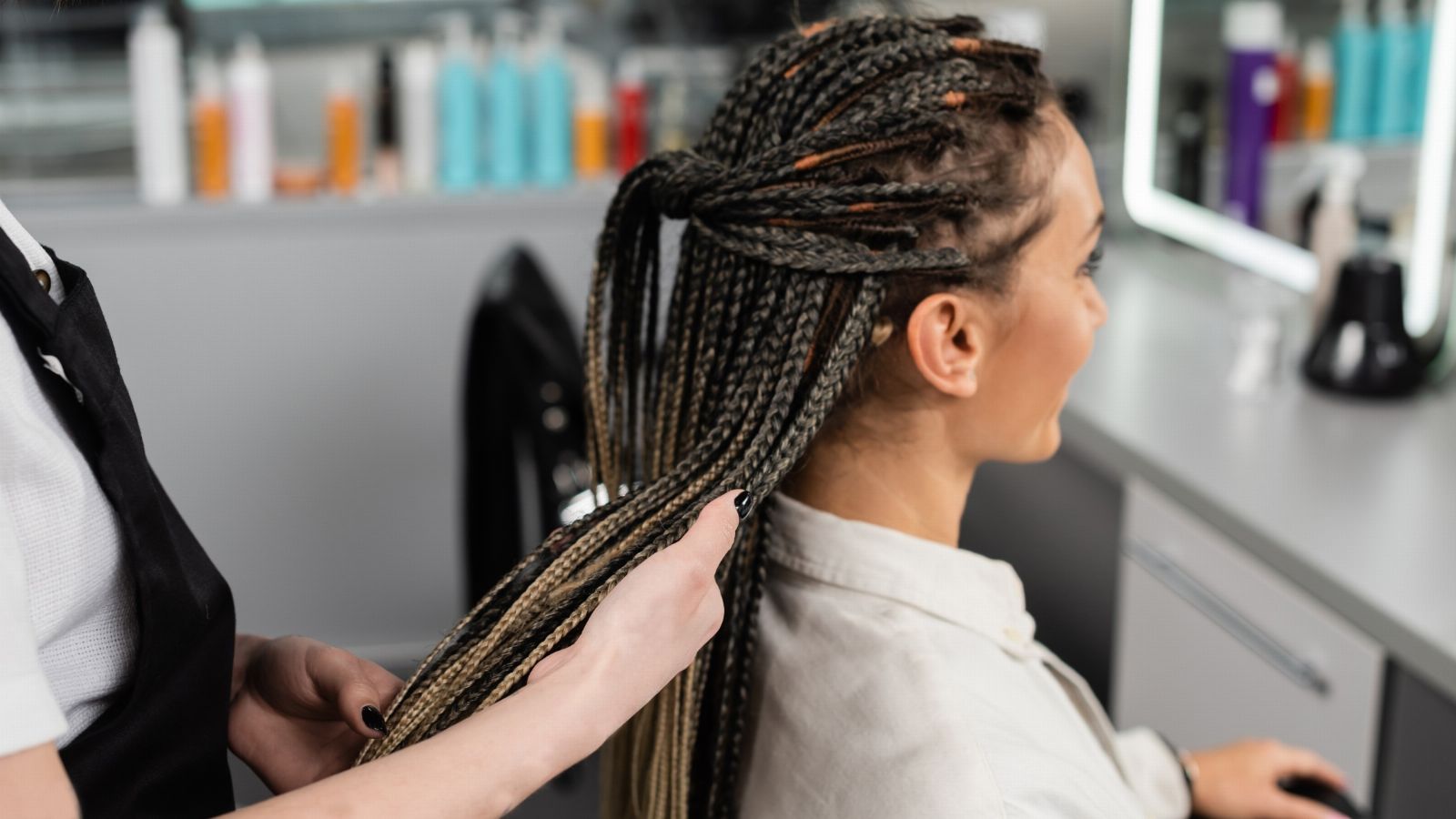
Braider’s shoulder is real, and almost every working braider understands it sooner or later. Braiding looks delicate from the outside, but behind the chair it is repetitive physical work. The arms stay lifted, the hands repeat small movements for hours, the neck leans forward, the shoulders hold tension, and the wrists keep adjusting the same tiny sections again and again. A single appointment may feel manageable, but several long services in a week can build stress in the shoulders, upper back, neck, wrists, fingers, and lower back. This is why ergonomic setup is not a luxury for professional braiders. It is part of protecting the body that makes the work possible.
Recognize Strain Before It Becomes Pain
The first thing to understand is that pain usually does not come from one dramatic movement. It comes from repeated small habits. Reaching too far for the client’s head, holding the elbows too high, bending the neck to see the parting, standing with weight on one hip, or twisting the spine for every section can all feel minor in the moment. Over time, those habits add up. A braider may start the day feeling fine and finish with tight shoulders, a stiff neck, sore wrists, or a burning feeling between the shoulder blades. The solution is not to “push through” every appointment. The solution is to build a setup that reduces strain before the pain starts.
Adjust Chair Height and Working Distance
Chair height is one of the biggest factors. If the client sits too low, the braider has to bend forward and reach down. If the client sits too high, the braider has to lift the shoulders and work with raised arms for too long. Both positions create stress. The ideal height depends on the braider’s body, the client’s height, and the area being braided, but the goal is always the same: the hands should reach the work without the shoulders lifting toward the ears and without the back collapsing forward. A good chair height allows the braider to stay close, keep the elbows relaxed, and work with more control.
Distance from the client matters just as much as height. Many braiders stand too far away, especially when working around the sides, crown, or nape. This forces the arms to reach forward and makes the shoulders carry the weight of the work. A better setup is to move closer and reposition the client when needed. The braider should not twist the whole body to reach one section. Step around the chair, adjust the client’s head position, and keep the work in front of you as much as possible. The closer the hands are to the body, the easier it is to maintain control without overloading the shoulders.
Keep the Body Adjustable During the Service
Good posture does not mean standing stiff and straight for the whole service. It means staying adjustable. A braider needs to shift position throughout the appointment. Some sections are easier standing, some are easier sitting, and some require a small change in the client’s head angle. The problem starts when the braider locks into one position and holds it for too long. Static posture creates fatigue because the same muscles keep working without relief. A professional setup allows movement. Change your stance, reset your shoulders, step to a new angle, and adjust the client instead of forcing your body to adapt to a bad position.
The nape is one of the areas where body strain shows up quickly. To see the lower back of the head, braiders often bend the neck, round the shoulders, and reach forward. This can create tension in the upper back and shoulders after only a few rows. A small head tilt from the client can help, but it should be controlled. If the client drops the head too far, the skin folds and the braid may feel tight when the client lifts the head again. The better option is a slight chin-down position, good lighting, and a closer working stance. The braider should be able to see the section without folding their own body over the client.
Use Lighting and Tool Placement to Reduce Reaching
Lighting is an ergonomic tool, not just a visual tool. Poor lighting forces the braider to lean closer, squint, and overwork small sections. When the parting line is hard to see, the hand may press harder with the comb or the body may move into awkward angles. Good light reduces unnecessary strain because the braider can see the base clearly without bending into the work. This is especially important for detailed sectioning, dark hair, dense hair, intricate Cornrows, Feed-In Braids, Box Braids, Knotless Braids, and any style where the scalp pattern needs precision. A cleaner view usually creates a cleaner posture.
Tool placement also affects the shoulders and back. If the comb, clips, gel, mousse, synthetic hair, and towels are scattered around the station, the braider has to reach, twist, and search repeatedly. Those small movements become tiring during a long appointment. A professional setup keeps the most-used tools within easy reach. The hand should not have to cross the body every time a clip is needed. The braider should not have to turn fully around for product after every section. When the station is organized, the service feels smoother and the body does less unnecessary work.
Pre-Load Hair and Protect the Hands
Pre-loading synthetic hair can protect the body as much as it saves time. When the hair is prepared in advance, separated into consistent pieces, and placed within reach, the braider can keep rhythm without constantly stopping to pull from the pack. This matters in Feed-In Braids, Knotless Braids, Box Braids, Senegalese Twists, and any full-head service with added hair. If the braider has to repeatedly reach to the side, separate hair under pressure, and return to the braid, the shoulders and wrists work harder than necessary. Pre-loading turns the service into a controlled workflow instead of a constant scramble.
Wrist and hand position should not be ignored. Braiding requires small, repeated movements, and the hands often work in tight positions for long periods. If the wrists stay bent at extreme angles or the fingers squeeze too hard, fatigue builds faster. Clean technique should use controlled fingers, not forceful gripping. The braider should notice when the hands are getting stiff, when the thumb is overworking, or when the wrist is holding tension. A relaxed grip usually improves both comfort and braid quality. The hands should guide the hair, not fight it.
Use Microbreaks and Lower-Body Support
Microbreaks are one of the simplest ways to protect the body during long services. A break does not have to be long to be useful. Thirty seconds to roll the shoulders, open the hands, reset the neck, shake out the wrists, or change stance can make a real difference. Many braiders skip breaks because they want to finish faster, but fatigue can slow the work down later. When the shoulders are tired and the hands are stiff, the braid quality can drop, mistakes become more common, and the service can feel longer than it needs to. Short resets help the braider maintain consistency.
Foot position and lower-body support also matter. A braider who stands for hours with locked knees or weight shifted to one side may feel pain in the lower back, hips, or legs. A supportive mat, comfortable shoes, and a balanced stance can reduce strain during long appointments. Sitting can help during some sections, but sitting in a collapsed posture can create its own problems. Whether standing or sitting, the braider should feel grounded and balanced. The body should support the hands instead of forcing the hands to compensate for an unstable position.
Guide the Client’s Posture Clearly
Client communication is part of ergonomics. Many braiders try to work around a client who is leaning, turning, looking down at a phone, or sliding in the chair. That forces the stylist’s body into awkward positions. It is professional to ask the client to sit straight, lower the chin slightly, turn the head, or stay still for a section. Clear communication protects the final style and the braider’s body. The client may not realize that one small movement changes the working angle. A professional braider should guide the client’s posture just as confidently as they guide the hair.
Pain should not be ignored. Occasional tiredness after a long service can happen, but persistent pain, numbness, tingling, weakness, burning, or limited movement is a sign to take seriously. Braiders are artists, but they are also workers using their bodies every day. If discomfort continues, the braider should consider adjusting the setup, reducing overbooked schedules, taking rest seriously, and seeking appropriate professional advice when needed. Waiting until the body forces a stop is not a sustainable business plan. Protecting the body early is part of building a long career.
Build an Ergonomic Setup for Long-Term Braiding
The strongest ergonomic setup is built from small decisions: correct chair height, closer body position, better lighting, organized tools, pre-loaded hair, relaxed hands, regular posture resets, and clear client communication. None of these habits make the service less professional. They make the service more professional because they help the braider work with better control for a longer period of time. Clean braiding requires focus, patience, and physical precision. The body needs a setup that supports that level of work.
Braider’s shoulder is real, but it does not have to be treated as an unavoidable cost of the craft. The same care that a braider gives to sectioning, tension, hairline protection, and finishing should also be applied to the body behind the work. A healthy setup helps the braids look better, the appointment run smoother, and the stylist stay stronger over time. Professional braiding is not only about protecting the client’s hair. It is also about protecting the braider’s shoulders, hands, neck, and back so the work can continue with skill, comfort, and longevity.