
How to Braid Around Sensitive Edges Safely
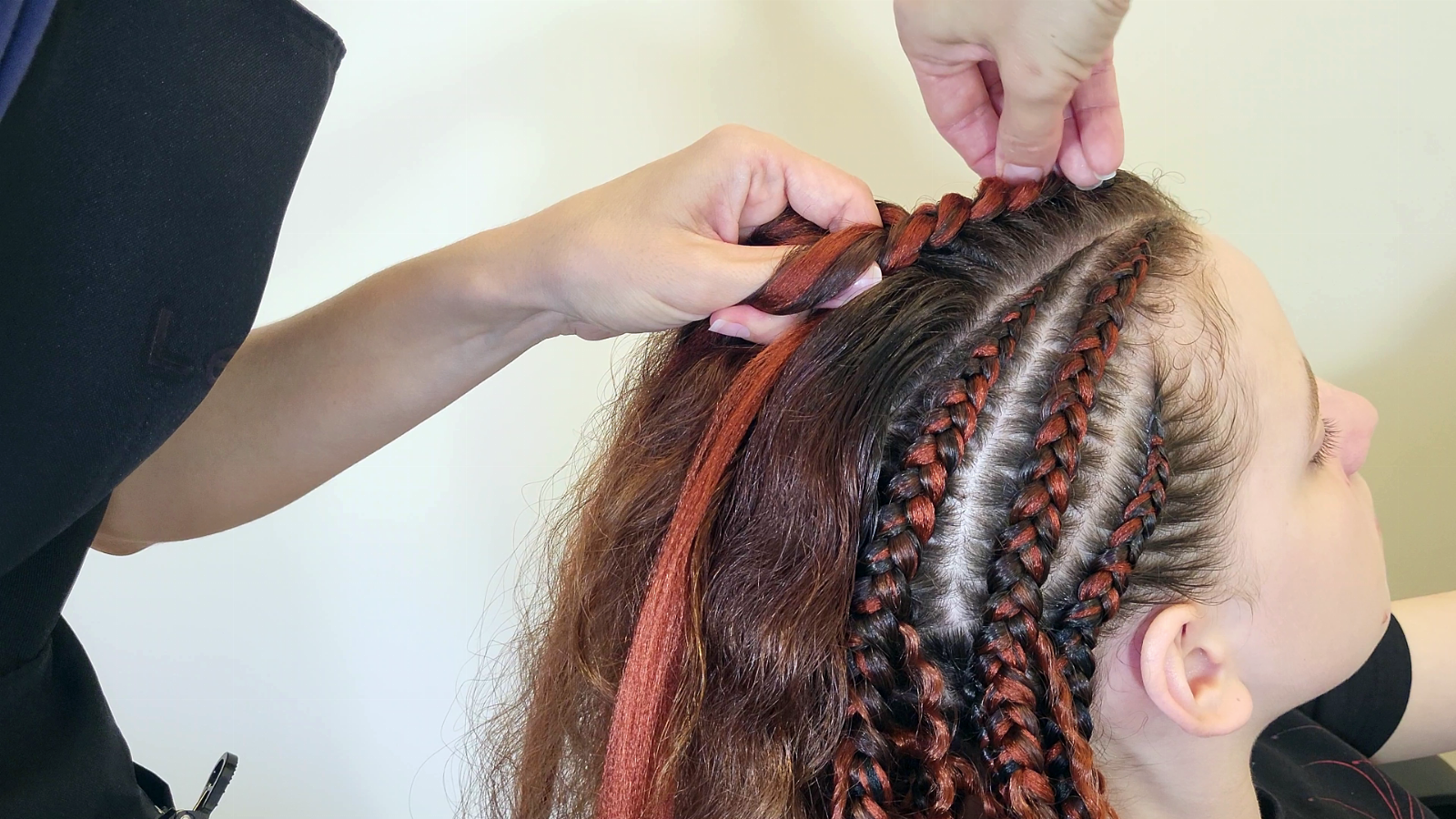
Sensitive edges need a different braiding strategy from the rest of the head. The hair around the front hairline, temples, and nape is often finer, shorter, more fragile, or more reactive to tension than the interior sections. This does not mean the client cannot wear braids. It means the braider has to plan the style with more control, more patience, and better judgment. A clean braid around the edges should never depend on pulling every short hair tightly into place. The goal is to create a polished result while respecting the strength of the natural hair, the direction of growth, and the comfort of the scalp.
Read the Hairline Before Sectioning
The first step is to look closely before sectioning. Sensitive edges can show up in different ways: short broken hairs, thinner density, dry areas, redness, tenderness, previous tension damage, or baby hairs that do not have enough length to support a braid. A professional braider should not ignore these signs just to make the style look fuller in the first photo. The edge area is not the place to force a heavy braid or a tight start. If the hairline is delicate, the style plan should change before installation begins. That may mean lighter pieces, softer tension, a different braid direction, leaving some baby hairs out, or choosing a lower-tension finish.
One of the biggest mistakes is using sensitive edges as anchor points for the style. This often happens in Feed-In Braids, Cornrows, Box Braids, Knotless Braids, and braided ponytails, where the client wants the front to look very clean and sleek. The braider may feel pressure to capture every small hair along the hairline, but those short hairs are not always strong enough to carry extension weight. A braid can look sharp at the root and still be too stressful for the section underneath. Around sensitive edges, the question should not be “Can I get this hair into the braid?” The better question is “Should this hair carry this braid during real wear?”
Control Weight, Direction, and Tension
Weight control is one of the most important parts of safe edge work. Added hair changes the amount of pull on the base, especially when the style is long, dense, or worn for several weeks. Near sensitive edges, the first pieces of synthetic hair should be smaller and lighter. In Feed-In Braids, the added hair should enter gradually, not as a large piece right at the front. In Knotless Braids, the start should remain soft and flexible, with the braid building slowly after the root is stable. In Box Braids, the amount of extension hair should match the strength of the base instead of creating a heavy attachment on a small section. The lighter the start, the more comfortable the edge usually feels.
Braid direction also matters. Hair around the edges does not always grow straight back. It may curve, grow downward, swirl around the temples, or sit flatter against the scalp. If the braid pulls the hair sharply against its natural direction, the client may feel tension even if the braid does not look extremely tight. A professional braider should read the growth pattern and adjust the angle where possible. Sometimes a small shift in direction can make the difference between a braid that feels wearable and a braid that starts hurting within hours. Sensitive edges respond better when the braid works with the hair instead of forcing it into a rigid line.
Tension should be controlled from the first stitch. A braid around sensitive edges should feel secure, not tight. Secure means the braid is organized, close enough to look clean, and stable enough to hold. Tight means the scalp feels pulled, stretched, sore, or restricted. Those are not the same thing. If the client feels sharp pulling when blinking, smiling, turning the head, or relaxing the face, the braid needs to be adjusted. A fresh style should not require the client to “wait for it to loosen” before it becomes wearable. If the edge area is already sensitive, too much tension at the start can make the entire style uncomfortable.
Protect the Base Through Product, Feedback, and Aftercare
Small sections can also create problems around sensitive edges. A tiny part may look neat, but if it carries too much hair, the pressure becomes concentrated on fewer natural strands. This is especially risky when long synthetic hair or heavy extensions are added. The braider may need to create a slightly more supportive base, reduce the amount of added hair, or choose a softer placement. The goal is not to make the smallest possible part. The goal is to create a base that can hold the braid without overloading the root. A clean edge should not be built on a fragile section that cannot support the style.
Product should be used carefully in this area. Edge control, braiding gel, mousse, and oils can help smooth short hairs, but too much product can create buildup, flakes, or irritation. Heavy brushing can also stress sensitive edges, especially when the hair has already been sectioned tightly. A professional finish should not require scraping the hairline flat or layering product until the hair stops moving. Use a small amount only where needed, smooth gently, and avoid repeated brushing over fragile areas. Sometimes a softer, more natural edge finish looks better and wears safer than a forced, overly sleek hairline.
During installation, check comfort early and often. Do not wait until the whole front row is finished. After the first braid or first few stitches, ask the client whether the braid feels secure or tight. This wording helps because many clients are used to thinking pain is normal during braiding. If the client says it feels tight, burning, or sharp, the braid should be loosened, rebuilt, or adjusted immediately. It is much easier to correct one braid than to repair a full hairline that is already sore. A professional braider creates space for feedback instead of expecting the client to silently tolerate discomfort.
Safe edge work also includes aftercare. A braid that feels fine when worn down can become stressful if the client immediately pulls the braids into a high ponytail, tight bun, or heavy updo. Fresh braids already have installation tension. Adding another layer of pulling can make sensitive edges feel worse. Clients should be advised to wear the style loosely at first, avoid tight bands near the perimeter, sleep with a satin scarf or bonnet, and avoid constantly manipulating the hairline. If the style starts to hurt, itch intensely, create bumps, or feel sore around the edges, the client should contact the braider and avoid waiting until the problem becomes worse.
Choose a Style That Respects the Edge
There are also times when the safest professional choice is to change the style. If the edges are very fragile, visibly thinning, irritated, or too short to hold comfortably, the braider may need to recommend a lower-tension option. That could mean fewer tight front braids, softer parting, less added hair, a style that leaves the weakest hairs out, or a design that does not depend on pulling the perimeter. This is not a lack of skill. It is good judgment. A braider who protects the hairline is thinking beyond the appointment photo and considering how the style will feel during wear and how the natural hair will look after takedown.
Braiding around sensitive edges safely comes down to respect for the hair in front of you. Read the hairline first, reduce weight where needed, use softer tension, follow the natural growth direction, keep product light, and check the client’s comfort before continuing. The finished style should look clean, but it should also feel wearable. A beautiful braid is not truly professional if it creates pain or unnecessary stress on delicate hair. When sensitive edges are handled with care, the client gets a style that looks polished, feels better, and supports the long-term health of the natural hair.