
Guía para principiantes en trenzado: un mejor control de las manos
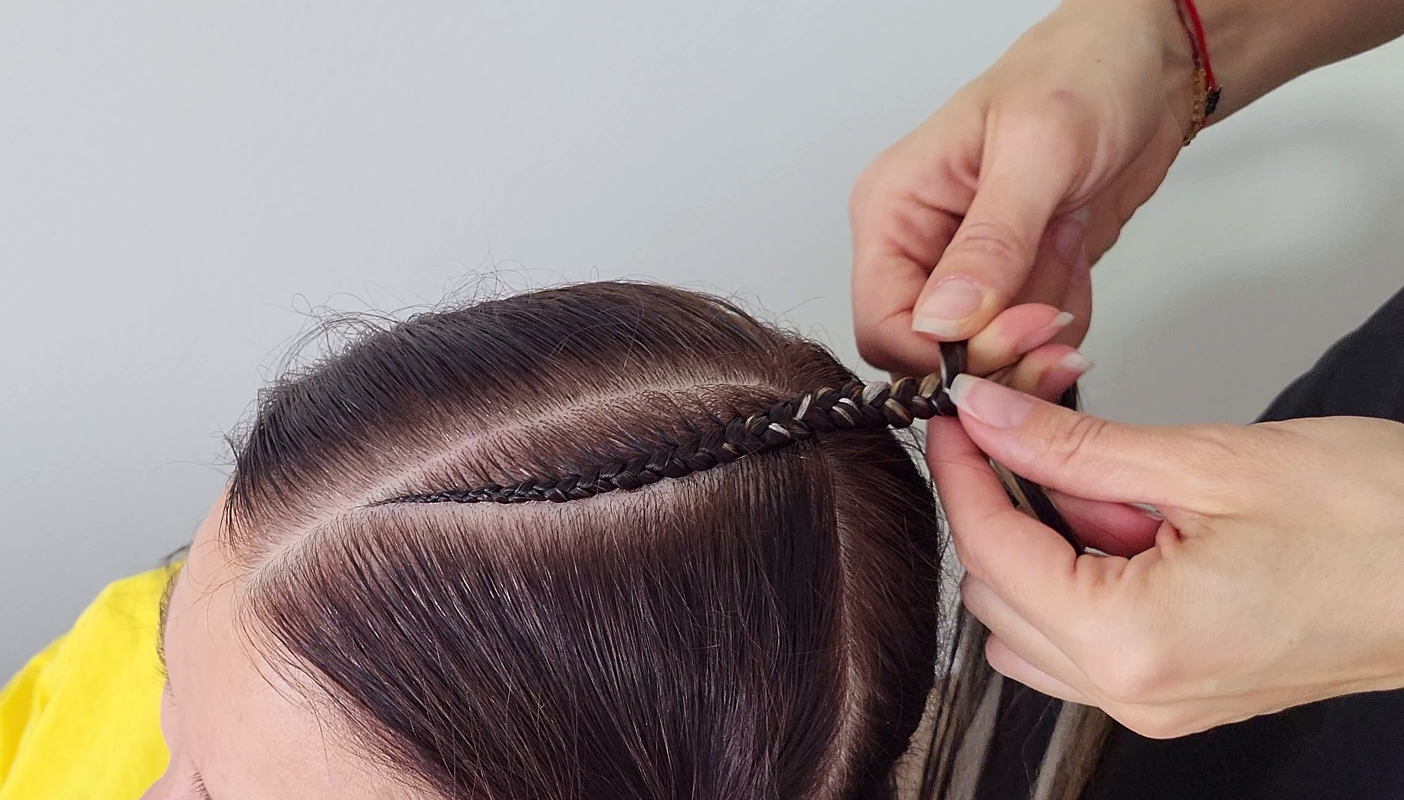
Un buen control de las manos es una de las primeras habilidades que distingue una trenza bien hecha de una que solo parece terminada desde un ángulo. Cuando alguien está aprendiendo a trenzadora , suele centrarse en el patrón en sí: qué mechón se cruza, dónde se recoge el cabello, cómo recordar la dirección. Pero en el trabajo real de trenzado, el patrón es solo una parte del resultado. Las manos deben controlar la tensión, el grosor del mechón, la posición de los dedos, la comodidad del cuero cabelludo y la dirección de la trenza al mismo tiempo. Por eso, un mejor control de las manos no es solo un tema para principiantes. Es la base de las trenzas de tres mechones, las trenzas francesas, las trenzas holandesas, las trenzas con extensiones, los patrones decorativos y cualquier estilo en el que la trenza deba verse impecable desde la raíz hasta las puntas.
Construye control antes que velocidad
Lo primero que hay que entender es que las manos deben guiar el cabello, no luchar contra él. Muchas principiantes en trenzado sujetan los mechones con demasiada fuerza por miedo a perder el control. Al principio parece lógico: a mayor agarre, trenza más limpia. En la práctica, suele ocurrir lo contrario. Cuando los dedos aprietan demasiado, las manos se ponen rígidas, el movimiento se ralentiza y la trenza empieza a verse forzada. El cuero cabelludo también puede sentir una tensión innecesaria. Un enfoque más profesional consiste en mantener los mechones separados con los dedos, pero permitiendo suficiente suavidad para que el cabello se mueva a través del patrón. La trenza debe verse organizada, no atrapada. Ese equilibrio es lo que marca la diferencia entre una trenza que se ve tensa y una que se ve suave, segura y fácil de llevar.
Un buen ejercicio consiste en practicar una trenza sencilla sin intentar hacer un peinado completo. Toma tres secciones iguales y trénzalas lentamente, prestando atención a cómo se siente cada mechón entre los dedos. El objetivo no es la velocidad, sino notar cuándo una sección se vuelve más delgada, cuándo la trenza empieza a girar o cuándo las manos se abren demasiado. Después de unas pocas puntadas, detente y revisa la forma. Si la trenza ya está desigual, el problema comenzó en el movimiento de la mano antes de hacerse visible en la trenza. Este tipo de práctica lenta es más valiosa que repetir el mismo error rápidamente en toda la cabeza. Una vez que el movimiento básico sea más preciso, se puede usar el mismo control con mechones recogidos, cabello añadido y estructuras de trenzas más complejas.
Controla la raíz, las pastillas y la dirección.
Un error común es alejar demasiado las manos del cuero cabelludo. Cuando las manos se mueven demasiado, la trenza pierde dirección y la raíz puede quedar suelta o desigual. Un trenzado más limpio generalmente se logra con movimientos más pequeños y cercanos. Los dedos deben permanecer cerca del área de trabajo y cada mechón debe ser transferido con intención. Esto no significa que la trenza deba estar apretada, sino que el movimiento de las manos debe ser controlado. Hay una diferencia entre una técnica segura y un tirón agresivo. Una trenza segura se construye con secciones limpias, una colocación firme de los mechones y una tensión equilibrada. Una trenza apretada a menudo resulta de intentar corregir un control deficiente usando fuerza. Esa no es una solución profesional, especialmente cuando se trabaja con clientes, niños, cueros cabelludos sensibles o líneas de cabello que requieren cuidado adicional.
Otro detalle importante es cómo la trenzadora sujeta las secciones de trabajo mientras añade mechones. En las trenzas francesas y holandesas, los principiantes suelen perder el control porque se centran únicamente en coger más cabello. El mechón queda demasiado grande, demasiado pequeño o desigual en un lado. Entonces la trenza empieza a verse torcida, incluso si el patrón es técnicamente correcto. Un mejor hábito es hacer una pausa de una fracción de segundo antes de cada mechón y comprobar su tamaño. El cabello nuevo debe sostener la trenza, no desviarla de su dirección. Si un lado de la trenza se está volviendo más pesado, ajústela cuanto antes. Esperar hasta que la trenza esté a la mitad suele significar que habrá que deshacer más trabajo después.
Las trenzadoras profesionales también aprenden a interpretar la trenza mientras la están haciendo. Si la trenza se retuerce, es posible que la muñeca gire demasiado. Si la base se ve abultada, es posible que las manos se estén separando del cuero cabelludo. Si un mechón desaparece constantemente, las secciones no se están equilibrando antes de cada cruce. Si la clienta siente un tirón aunque la trenza no se vea bien, probablemente el agarre se basa en la tensión en lugar de la estructura. Estas señales no son fallos, sino información. Las mejores trenzadoras no las ignoran; las corrigen mientras la trenza aún es fácil de arreglar. Así es como se desarrolla una técnica impecable.
Practique por etapas y proteja la comodidad del cliente.
Para el aprendizaje basado en cursos, el control de las manos debe practicarse en etapas pequeñas y claras. Primero, practique la trenza básica de tres mechones hasta que las secciones queden uniformes. Luego, pase a las trenzas francesas y holandesas, centrándose en el tamaño de la toma y la dirección de la trenza. Después, practique con cabello añadido, donde las manos deben manejar tanto cabello natural como material sintético. Cada etapa debe sentirse más controlada antes de pasar a la siguiente. Si la trenzadora pasa demasiado rápido a estilos avanzados sin una base sólida de manos firmes, seguirán apareciendo los mismos problemas: raíces desordenadas, tensión desigual, mechones sueltos, inicios voluminosos y trenzas que se ven diferentes de una fila a otra.
El valor práctico de un mejor control manual es inmediato. Las trenzas lucen más limpias, las filas se vuelven más uniformes y la trenzadora que las hace dedica menos tiempo a reiniciarlas. También mejora la comodidad de la clienta, ya que no es necesario tirar con fuerza para que la trenza quede bien sujeta. Esto es especialmente importante para los peinados protectores, donde la clienta puede llevar las trenzas durante varias semanas. Una trenza que se siente demasiado apretada en la cita puede resultar incómoda al dormir, hacer ejercicio, usar coletas o en las actividades cotidianas. Un control manual preciso ayuda a la persona que hace las trenzadora a crear un peinado impecable sin someter el cuero cabelludo a una tensión innecesaria.
La mejor manera de mejorar es trenzar una fila limpia lentamente antes de intentar trenzar más rápido. La velocidad debe ganarse con control, no usarse para disimular la inseguridad. Si la trenza se mantiene uniforme a un ritmo lento, aumenta ligeramente la velocidad. Si la forma se deshace, reduce la velocidad de nuevo y comprueba la causa. Observa la base, el grosor del mechón, la recogida, el ángulo de la muñeca y la tensión. Así es como quien trenzadora desarrolla una verdadera memoria muscular. No apresurándose, sino repitiendo el movimiento correcto suficientes veces para que las manos empiecen a comprender cómo se siente una técnica limpia.
Un mejor control de las manos no es un detalle menor para principiantes. Es la habilidad que sustenta cualquier trenza profesional posterior. Cuando las manos saben guiar el cabello, la trenza queda más limpia, ligera, uniforme y fácil de repetir. Esa es la base que hace posible el trabajo avanzado. Ayuda a quien trenzadora a pasar de simplemente seguir pasos a comprender lo que sucede dentro de la trenza. Y una vez que se logra eso, el trabajo se vuelve más seguro, más cómodo para la clienta y mucho más cercano a un resultado profesional de salón.