
Por qué la tensión importa más que la rigidez
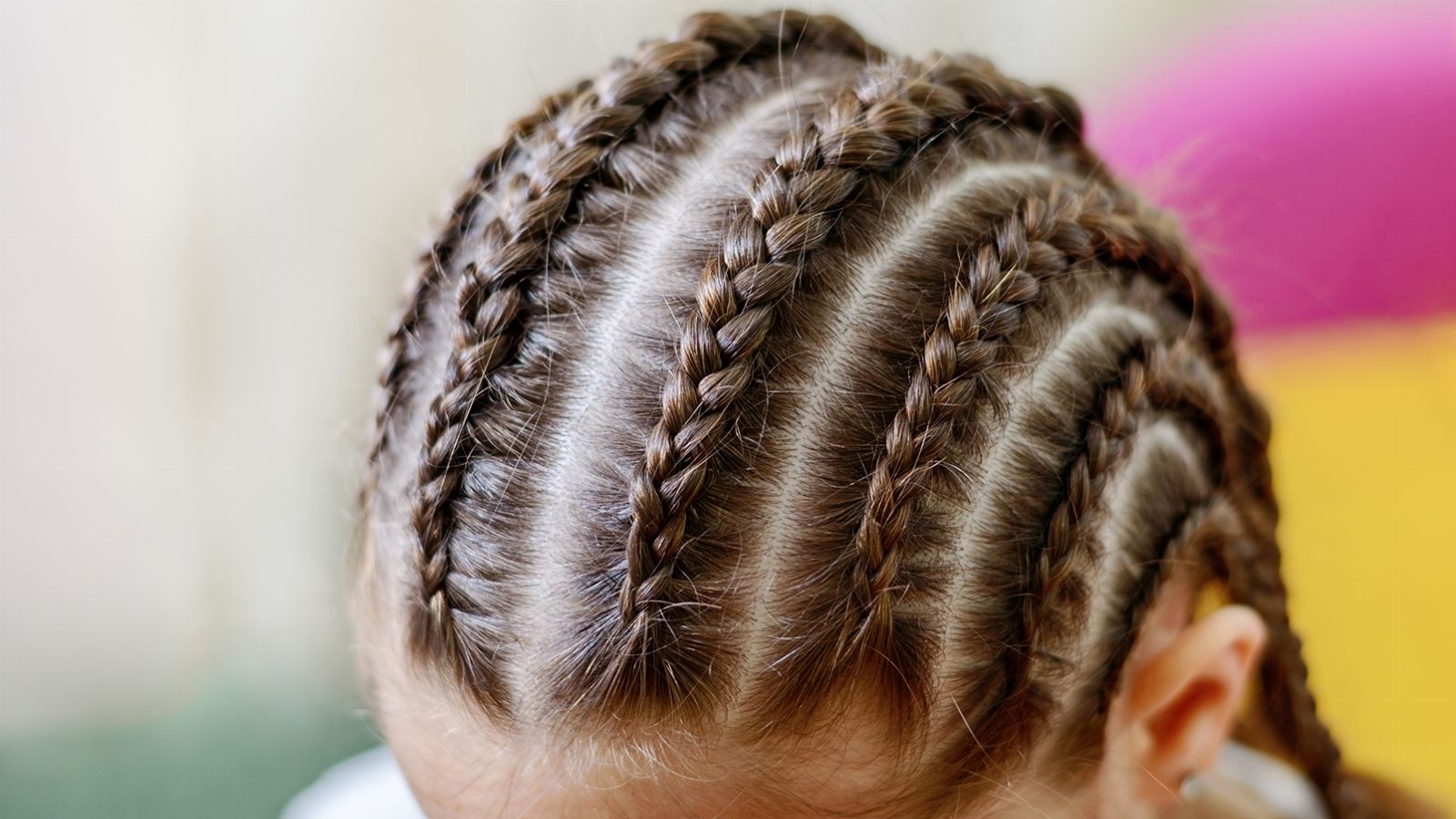
La tensión es uno de los aspectos más incomprendidos del trenzado profesional. Mucha gente aún asocia una trenza limpia con una trenza apretada, como si el peinado tuviera que doler para que dure. En el trabajo real de trenzado, esa idea crea problemas. La tensión es presión. La tensión es control. Una trenza puede ser segura, suave y duradera sin tirar demasiado del cuero cabelludo . Una trenza también puede estar dolorosamente apretada y aun así verse desordenada si la base es incorrecta, las secciones son desiguales o el cabello añadido es demasiado pesado. Por eso la tensión importa más que la tensión. La tensión es una habilidad técnica. La tensión suele ser un atajo que disimula una técnica deficiente por un corto tiempo, pero puede crear incomodidad, bultos, rotura y estrés en la línea del línea del cabello.
Construya seguridad a través de la estructura.
Una buena tensión comienza con la estructura. La sección debe estar limpia, la base debe coincidir con el tamaño de la trenza y el cabello debe guiarse en la dirección correcta antes de comenzar a trenzar. Si la base es débil, quien trenzadora puede sentir la tentación de tirar con más fuerza para que la trenza se vea prolija. Esto puede hacer que la raíz se vea más plana por un momento, pero no soluciona el problema real. La trenza sigue estando sobre una base deficiente. Una trenza profesional debe sentirse segura porque la seccionado, la colocación de los mechones, la posición de la mano y el peso del material trabajan en conjunto. No debe depender de la fuerza. Cuando la estructura es correcta, quien trenzadora puede usar una tensión constante en lugar de tirar con fuerza.
La diferencia entre tensión y rigidez se percibe más fácilmente en el cuero cabelludo. Una tensión equilibrada se siente controlada y uniforme. La trenza se ajusta bien a la cabeza, la raíz luce limpia y la clienta puede moverse con comodidad. La rigidez se siente tensa, estirada o restrictiva. La clienta puede sentir un tirón al parpadear, sonreír, girar la cabeza o intentar dormir. A veces, el cuero cabelludo se ve brillante o enrojecido alrededor de la base. En ocasiones, aparecen pequeños bultos cerca de la línea de la trenza. Estos no son signos de una trenza "fuerte". Son señales de que el cabello y el cuero cabelludo pueden estar soportando demasiada presión. Un trenzadora profesional debe tomar en serio estas observaciones en lugar de asumir que el peinado se aflojará solo.
Una de las razones por las que las trenzas apretadas se han normalizado es que, al estirarlas con fuerza, suelen verse muy pulidas. Las raíces se ven planas, las raya definidas y los cabellos sueltos controlados. Sin embargo, este resultado puede ser engañoso. Si la trenza está demasiado apretada, el peinado puede envejecer mal porque el cuero cabelludo sufre estrés desde el principio. La clienta puede evitar mover las trenzas, dormir cómodamente o peinarse porque siente sensibilidad en todo el cabello. En los peinado protector, el objetivo nunca debe ser solo la foto del primer día. El objetivo es un peinado que se vea limpio, cómodo y que se pueda mantener de forma segura durante todo el tiempo que se lleve puesto.
Ajusta la tensión según el peso y las zonas sensibles.
El peso de las extensiones hace que la tensión sea aún más importante. Cuando se añade cabello sintético , el cabello natural tiene que soportar más que su propio peso. Una trenza que se siente ligeramente apretada sin extensiones puede sentirse mucho más pesada una vez que se añade longitud y densidad. Esto es importante en las trenzas de caja, trenzas sin nudos, trenzas con extensiones, trenzas senegalesas, trenzas de doble punta y otros estilos que utilizan material adicional. La trenzadora debe equilibrar la cantidad de cabello de extensión con el tamaño y la fuerza de la base. Si la base es demasiado pequeña o el cabello añadido es demasiado pesado, incluso una técnica manual limpia puede resultar incómoda. La tensión adecuada no se trata solo de la fuerza con la que se tira con las manos, sino también de cuánto peso se le pide a la sección que soporte.
La línea del cabello, las sienes y la nuca requieren especial cuidado, ya que estas zonas suelen ser más delicadas que el resto de la cabeza. Una trenza que se siente bien en la coronilla puede resultar demasiado para los bordes. Por eso, no se debe aplicar la misma tensión indiscriminadamente en toda la cabeza. El trabajo profesional se adapta a cada zona. Alrededor de la línea del cabello , puede ser necesario usar mechones más finos, aplicar menos presión, cambiar ligeramente la dirección de la trenza o usar una base más protectora. Forzar cada baby hair corto dentro de la trenza puede generar tirones innecesarios. Una opción más limpia es dejar los cabellos frágiles sueltos o peinarlos ligeramente en lugar de usarlos como puntos de anclaje.
La tensión equilibrada también afecta la forma de la trenza. Cuando la tensión es constante, la trenza tiene ritmo. La superficie se ve más lisa, las puntadas más uniformes y la trenzadora se mantiene en la dirección prevista. Cuando la tensión varía de puntada en puntada, la trenza puede verse desigual incluso si está bien apretada. Una parte puede verse comprimida, otra suelta, y la trenza terminada puede torcerse o inclinarse. Por eso, tirar con más fuerza no es una solución fiable. Si la trenza está desordenada porque el grosor de los hilos es desigual o la dirección de recogida es incorrecta, apretarla más solo aumenta la tensión. La verdadera corrección consiste en ir más despacio, reequilibrar las secciones y controlar el movimiento de la mano.
Comprueba la comodidad y el control de la práctica.
Es importante revisar la tensión del peinado al principio, no después de haber terminado todo el cabello. Tras las primeras trenzas, la trenzadora debe observar el cuero cabelludo y preguntar a la clienta cómo se siente. La pregunta debe ser específica: ¿se siente seguro o apretado? Muchas clientas desconocen que pueden expresar su opinión, sobre todo si les han dicho que las trenzas duelen. Una revisión clara cambia la experiencia. Si la clienta siente tirones fuertes, presión o ardor, se debe ajustar la trenza. Es mucho más fácil corregir la tensión al principio que rehacer todo el peinado cuando la clienta ya se siente incómoda.
Una buena tensión también contribuye a la durabilidad. Si bien algunas personas creen que las trenzas más apretadas duran más, las trenzas excesivamente apretadas pueden causar problemas que acortan la vida del peinado. Cuando el cuero cabelludo está irritado, la clienta puede rascarse más. Cuando las raíces están bajo presión, el peinado puede resultar doloroso. Si la trenza está demasiado apretada en la base, el nuevo crecimiento puede aumentar la sensación de presión con el tiempo. Una trenza colocada con una tensión equilibrada puede durar más tiempo, ya que la clienta puede cuidarla adecuadamente, dormir cómodamente y evitar tirones innecesarios al peinarla a diario.
Para principiantes, la mejor manera de practicar el control de la tensión es trenzar lentamente y prestar atención a la consistencia. Aplique la misma presión en las primeras puntadas, en la parte central de la trenza y al final. Si la trenza se ve suelta, no tire con más fuerza de inmediato. Primero revise la sección. Compruebe si las manos se alejan demasiado del cuero cabelludo. Verifique que los mechones estén uniformes. Compruebe que la dirección de la trenza sea clara. La tensión no debe ser la primera solución. La estructura limpia debe ser la primera solución. Una vez que la estructura sea correcta, la tensión se mantendrá constante y cómoda.
En el trabajo con clientes, el control de la tensión es fundamental para el profesionalismo. Demuestra que la persona que trenzadora comprende más que el resultado visual. Muestra respeto por el cuero cabelludo, la línea del cabello, la comodidad y la salud capilar a largo plazo de la clienta. Una clienta no debería tener que elegir entre una trenza bonita y una cómoda. El mejor trabajo ofrece ambas. Las raíces se ven limpias, la trenza se siente segura, las secciones se mantienen ordenadas y la clienta puede levantarse de la silla sin dolor de cabeza ni la sensación de que le están tirando del cuero cabelludo en todas direcciones.
Las mejores trenzadoras no usan la tensión para demostrar su habilidad, sino el control. Saben cómo crear una base sólida, añadir cabello sin abultar, guiar la trenza sin tirar del cuero cabelludo y ajustar la presión en zonas sensibles. Eso es lo que convierte la tensión en una herramienta profesional. La tensión es unidimensional; la tensión es inteligente. Responde a la densidad, textura, tamaño de la base, estilo y comodidad del cabello de la clienta. Cuando una trenzadora comprende esta diferencia, el trabajo se vuelve más limpio, seguro y refinado. Una trenza debe verse impecable por estar bien hecha, no por estar tensa al máximo.