
La dieta del gel: cómo el exceso de gel para trenzar provoca acumulación y descamación.
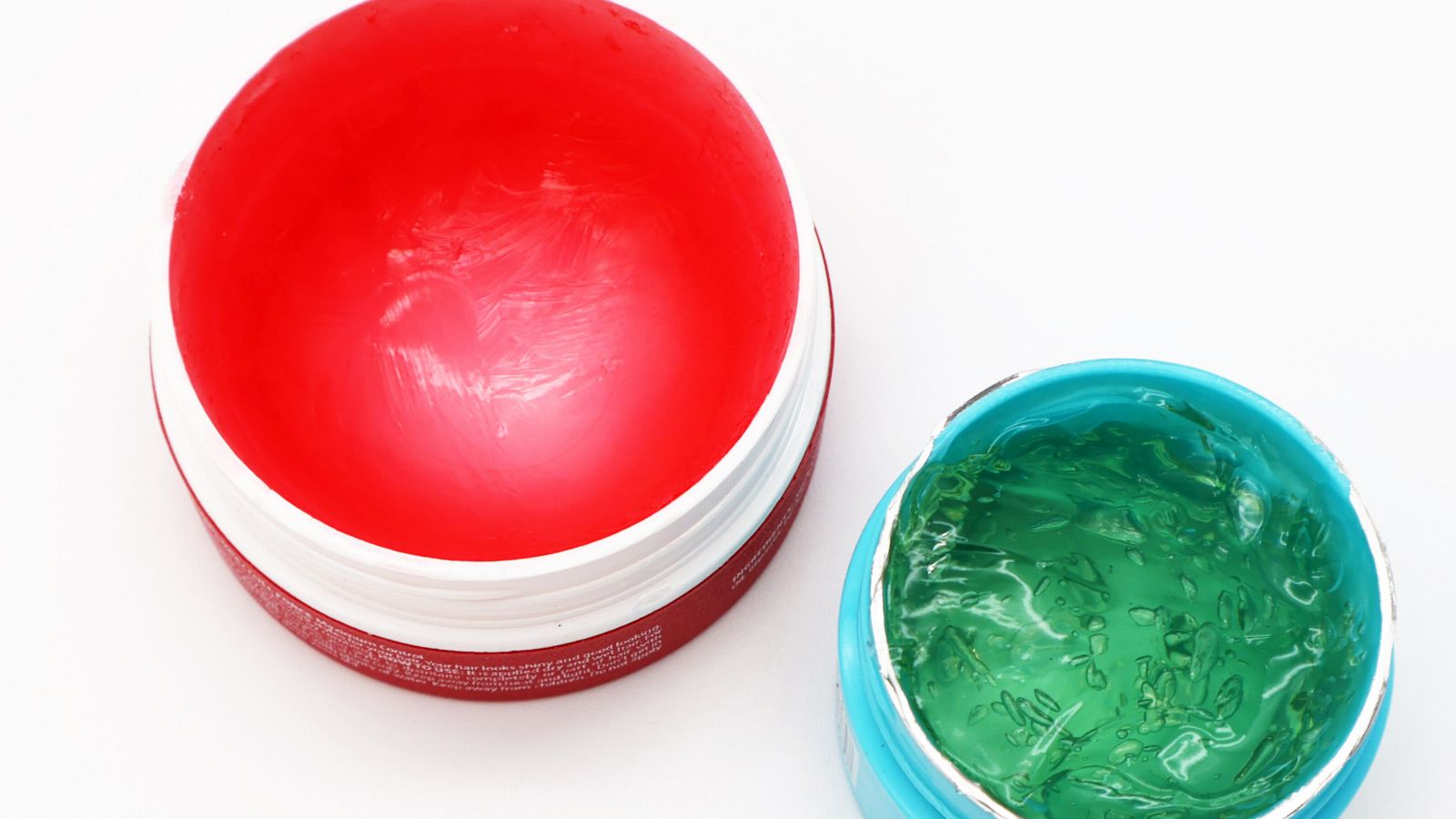
El gel para trenzar puede ser uno de los productos más útiles en el kit de una estilista, pero también puede convertirse en una de las maneras más rápidas de arruinar un peinado bien hecho si se usa en exceso. El problema no es el gel en sí, sino usarlo como sustituto de una correcta separación de secciones, una tensión controlada, un alisado adecuado y una buena colocación de los mechones. Cuando se aplica demasiado producto en el cabello o el cuero cabelludo, la trenza puede verse impecable durante los primeros minutos, pero después puede secarse, quedar blanca, descamarse, sentirse rígida, atraer pelusa o acumularse alrededor de la base. Un acabado profesional debe verse pulido y sentirse como cabello natural, no como si cada sección estuviera sellada bajo una gruesa capa de producto.
Utilice el gel como soporte, no como estructura.
Lo primero que hay que entender es que el gel para trenzar es un producto de soporte, no la estructura principal de la trenza. Puede ayudar a suavizar los cabellos sueltos, definir las secciones, controlar los mechones cortos y proporcionar mayor agarre al trabajar con ciertas texturas. Sin embargo, la trenzadora debe construirse con técnica. Si la seccionado es desigual, el gel no equilibrará la base. Si la tensión es inconsistente, el gel no fijará la forma de la trenza. Si el cabello natural no se coloca correctamente dentro del cabello sintético, el gel puede mantener los cabellos sueltos en su lugar por un momento, pero el problema generalmente reaparecerá al mover el peinado. El producto puede perfeccionar un buen trabajo, pero no puede reemplazarlo.
La acumulación de producto suele comenzar cuando se aplica demasiado en la raíz. La base de una trenza es un área donde se acumulan cabello natural, cabello sintético, grasa del cuero cabelludo , sudor y cabello suelto durante su uso. Cuando se aplica gel espeso en grandes cantidades, puede secarse formando una capa firme alrededor de la sección. Esta capa puede verse limpia al principio, pero con el tiempo puede mezclarse con grasa, polvo, pelusa y otros productos. La raíz puede sentirse cubierta o pegajosa, y el cuero cabelludo puede verse opaco en lugar de fresco. Esto es especialmente común en peinados que se mantienen durante varias semanas, como las trenzas de caja, las trenzas sin nudos, las trenzas africanas, las trenzas con extensiones y los giros senegaleses.
Previene la formación de escamas, residuos y reacciones del producto.
La descamación suele ocurrir cuando el gel se seca sobre el cabello en lugar de penetrar en él. Si el producto se queda visiblemente en la superficie, puede volverse blanco al secarse, especialmente si se aplica en exceso o si se combina con otras fórmulas que no son compatibles. El acondicionador sin enjuague, el control de bordes, el aceite, la espuma y el gel para trenzas pueden reaccionar de forma diferente según la marca y los ingredientes. Un producto puede parecer suave por sí solo, pero volverse opaco al aplicarlo sobre otro. Por eso es importante la compatibilidad de los productos. Quienes trenzadora no deben asumir que cualquier gel se puede mezclar con cualquier control de bordes sin antes hacer una prueba.
Un error común es aplicar gel en toda la sección en lugar de solo donde se necesita control. No todos los mechones necesitan producto. A veces, la raya requiere una pequeña cantidad. A veces, los cabellos cortos cerca de la raíz necesitan un toque ligero. A veces, el cabello natural que se introduce en el cabello sintético necesita la sujeción justa para mantenerse dentro de la trenza. Cuando se aplica demasiado gel en toda la sección, el cabello puede volverse rígido y menos flexible. La trenza puede sentirse dura en lugar de suave, y la clienta puede notar los residuos antes. Un método más limpio consiste en aplicar menos producto, peinarlo o alisarlo correctamente, y añadir más solo si el cabello realmente lo necesita.
La textura y el estado del cabello deben guiar la cantidad de gel a utilizar. El cabello más grueso, denso o con más textura puede requerir mayor control en ciertas áreas, mientras que el cabello fino o sedoso puede engrasarse o apelmazarse rápidamente. El cabello seco absorbe el producto de manera diferente al cabello hidratado. El cabello alisado químicamente o muy liso puede volverse resbaladizo si se aplica demasiado producto. Un trenzadora profesional ajusta la cantidad de producto en lugar de usar la misma cantidad para cada cliente. El objetivo no es que el cabello quede mojado y brillante, sino lograr la suficiente fijación y suavidad para que la trenza se forme correctamente sin dejar residuos de producto.
Proteger la raíz, la línea del cabello y el desprendimiento.
El exceso de gel también puede dificultar el desmontaje . Durante su uso, el cabello suelto se acumula naturalmente cerca de la base de la trenza. Esto es normal. Sin embargo, cuando se utiliza mucho producto, el cabello suelto puede pegarse con más fuerza, especialmente si la clienta también usa aceite, espuma o sprays para el cuero cabelludo . Para cuando el peinado esté listo para deshacerse, las raíces pueden estar cubiertas y ser más difíciles de separar. Si se hace con prisas, la clienta puede sufrir roturas innecesarias. Un estilo protector debería ser fácil de quitar de forma segura cuando llegue el momento. El exceso de producto puede ir en contra de este objetivo, ya que convierte la zona de la raíz en una zona pegajosa y compactada.
La línea del cabello es otro lugar donde el gel debe usarse con cuidado. Muchas clientas desean un frente liso y bien acabado, y un poco de producto puede ayudar a pulir los bordes. Sin embargo, un control de bordes excesivo, el cepillado repetido y el gel espeso alrededor de zonas delicadas pueden generar acumulación de producto y fricción. Si la línea del línea del cabello ya es frágil, corta o sensible, forzar cada baby hair en su lugar con producto puede causar estrés. Un acabado más suave puede ser mejor para la salud del cabello. Una trenzadora profesional debe saber cuándo un borde pulido es apropiado y cuándo un toque más ligero luce más limpio y es más seguro.
Pruebe la compatibilidad del producto antes de la versión completa.
A menudo, se puede prevenir la aparición de residuos blancos antes de comenzar la trenza. Un hábito profesional sencillo es probar los productos juntos antes de usarlos en todo el cabello. Mezcle una pequeña cantidad de gel con el acondicionador sin enjuague o el control de bordes que se utilizará durante el servicio. Si la mezcla se vuelve turbia, forma bolitas, se separa o se seca con un color blanco en la mano, es probable que ocurra lo mismo en el cabello de la clienta. Otro hábito es revisar la trenza bajo una luz intensa antes de continuar. Si el producto es visible mientras aún está húmedo, puede volverse más visible al secarse. Eliminar el exceso a tiempo es más fácil que intentar corregir los residuos después de que el peinado esté terminado.
La “dieta del gel” es una mentalidad útil porque les recuerda a quienes hacen trenzas que deben usar el producto con disciplina. No significa evitar el gel por completo, sino usar la cantidad mínima efectiva. Comienza con secciones limpias, un buen desenredado, la tensión adecuada y movimientos de mano controlados. Luego, agrega gel solo donde sea necesario para la técnica. Si la trenza aún se ve desordenada, verifica la causa antes de agregar más producto. ¿La raya está desigual? ¿Los mechones están desequilibrados? ¿El cabello está demasiado seco? ¿El cabello sintético no está bien colocado? ¿El enredo está fallando? Más gel puede ocultar el problema por un tiempo, pero no lograrás una trenza más limpia.
Enseñe a sus clientes a mantener un mantenimiento sencillo.
Para las clientas, la información sobre los productos también es importante. Si un peinado se hizo con gel y luego la clienta aplica aceite, espuma, control de bordes, spray abrillantador y productos cuero cabelludo a diario, la acumulación de producto puede aparecer rápidamente. Se debe indicar a las clientas que mantengan un mantenimiento ligero. Un peinado con trenzas no necesita aplicarse productos a diario para mantenerse fresco. La protección nocturna, el cuidado suave del cuero cabelludo y los retoques controlados suelen ser más efectivos que la aplicación de muchos productos. La trenzadora debe explicar que el exceso de producto puede hacer que las trenzas se vean opacas, con caspa o más viejas de lo que son. Un cuidado posterior adecuado ayuda a proteger el aspecto del peinado y la salud del cabello natural.
Mantén el acabado limpio sin sobrecargar el cabello.
Un acabado profesional debe ser limpio, suave al tacto y bien definido. El gel debe realzar los detalles, no convertirse en ellos. Si se usa correctamente, ayuda a que la trenza luzca suave, controla los cabellos sueltos y contribuye a un resultado impecable. Si se usa en exceso, puede generar acumulación, descamación, rigidez, residuos y dificultar el desmontaje. La diferencia no radica solo en la marca del producto, sino en el criterio de quien realiza la trenza. Una mejor división, un mejor alisado, un mejor ajuste y una mejor tensión generalmente implican la necesidad de menos producto. Ese es el verdadero objetivo de usar gel: una técnica más limpia primero, menos producto después y una trenza terminada que luzca fresca sin verse recargada.