
Cómo equilibrar el peso de las extensiones para lograr trenzas más saludables
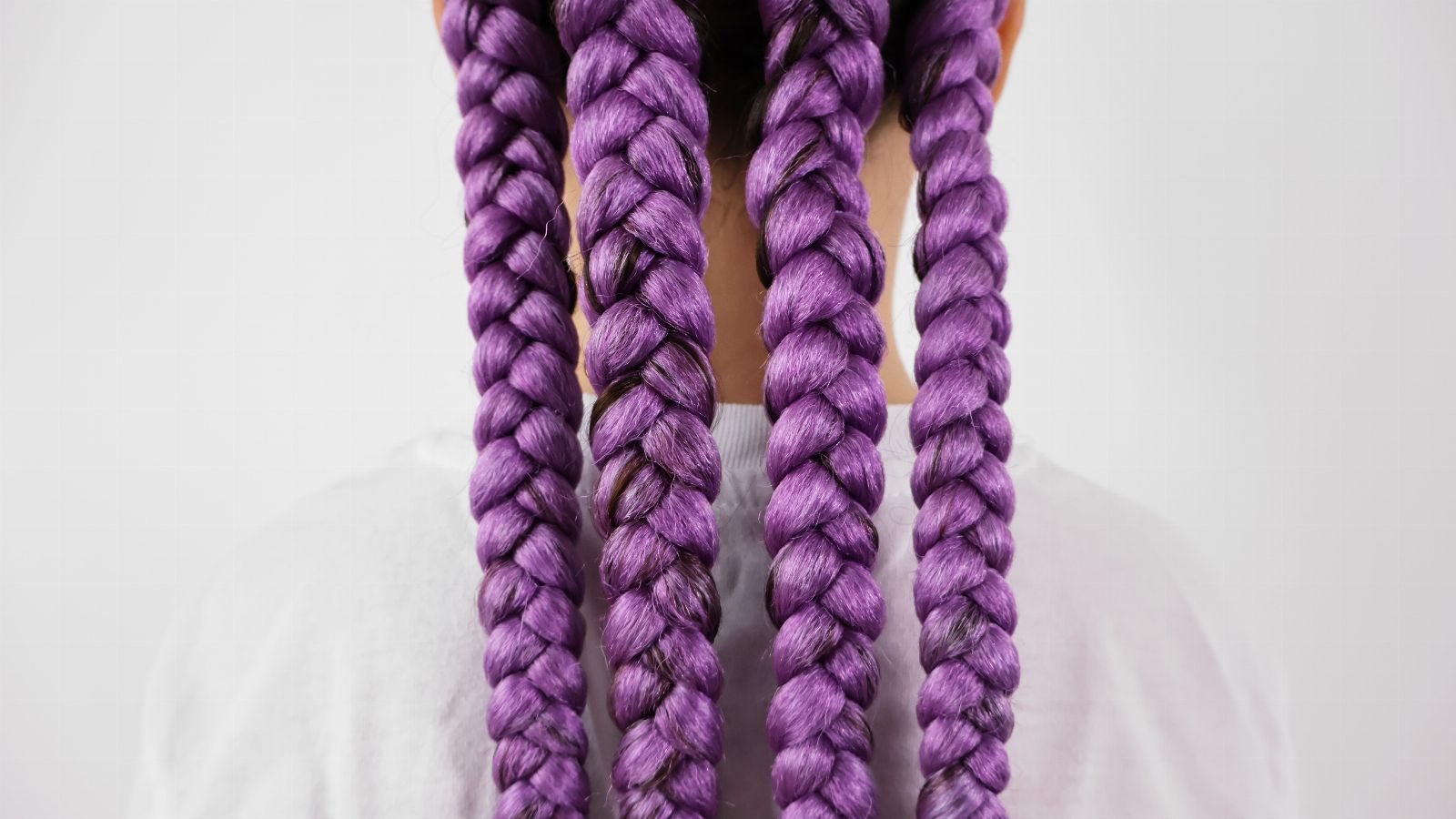
El peso de las extensiones es una de las decisiones técnicas más importantes en el trenzado, y también uno de los detalles que más fácilmente se subestiman. El cabello añadido puede crear longitud, color, volumen y un acabado más impactante, pero cada pieza extra de cabello sintético también añade peso al cabello natural de la clienta. Una trenza puede verse hermosa en la silla y aun así ser demasiado pesada para la base que la sostiene. Por eso, el trenzado profesional no se trata solo de la nitidez de las divisiones o la suavidad del patrón de trenzado. También se trata de la distribución del peso, el tamaño de la base, la densidad del cabello, la comodidad del cuero cabelludo y cómo se sentirá el peinado después de que la clienta se vaya, duerma, se lave el cabello, haga ejercicio y use las trenzas durante varias semanas.
Adapta el peso de las extensiones al de tu cabello natural.
La primera regla es sencilla: el cabello natural debe ser lo suficientemente fuerte para soportar la cantidad de extensiones que se añaden. Si la base es demasiado pequeña y la trenza demasiado pesada, el peso se concentra en menos mechones naturales. Esto puede provocar tirones en la raíz, incomodidad al usarla y tensión innecesaria en la línea del cabello o el cuero cabelludo. Una trenza más grande no es automáticamente un problema, ni una pequeña es automáticamente segura. La clave está en si la sección, la densidad y la colocación pueden soportar la trenza terminada. Un trenzadora profesional debe observar el cabello de la clienta antes de decidir cuántas extensiones debe llevar cada trenza.
La densidad del cabello es importante porque no todas las cabezas pueden soportar la misma cantidad de extensiones. Una clienta con cabello de alta densidad puede llevar más extensiones cómodamente que una clienta con cabello fino o de baja densidad. Pero incluso en la misma cabeza, la densidad varía de una zona a otra. La coronilla puede ser más abundante, mientras que las sienes, la línea del cabello y la nuca pueden ser más delicadas. Esto significa que no siempre se debe usar la misma cantidad de cabello en todas partes. Una trenza colocada en la coronilla suele soportar más peso que una trenza colocada en la línea del cabello frontal. Alrededor de las zonas más delicadas, quien realiza la trenzadora debe reducir la cantidad de cabello sintético, suavizar la tensión y elegir una base que sostenga el peinado sin tirar.
El largo es otro factor importante. Las trenzas largas generan más peso del que muchas clientas imaginan, especialmente cuando el cabello es grueso o cuando la fibra sintética tiene una textura densa. Las trenzas hasta la cintura, las trenzas sin nudos extralargas, las trenzas de caja gruesas, los giros senegaleses largos y las trenzas de doble punta completas pueden ejercer más presión sobre las raíces al usarlas. El peso se vuelve aún más notorio cuando las trenzas están mojadas, recogidas en una coleta o peinadas en un moño. Si la clienta desea un largo espectacular, la trenzadora podría necesitar reducir el grosor de cada trenza. Si la clienta desea un aspecto más voluminoso, un largo ligeramente más corto podría ser más cómodo. El largo y la densidad deben equilibrarse, no decidirse por separado.
Equilibrio entre tamaño de base, tamaño de trenza y tipo de estilo.
El tamaño de la base debe coincidir con el tamaño de la trenza. Una sección pequeña con una gran cantidad de cabello sintético puede generar tensión incluso si la persona que realiza la trenza no tira con fuerza. La clienta puede sentir que la trenza se arrastra desde la raíz debido a la sobrecarga de la sección. Por otro lado, una base grande con poca trenza puede verse suelta, plana o inacabada. El objetivo es encontrar la proporción adecuada entre la base y la trenza. La base debe ser lo suficientemente fuerte para soportar el cabello añadido, y la trenza debe ser lo suficientemente proporcional para lucir limpia sin resultar pesada. Esto es especialmente importante en las trenzas de caja y las trenzas sin nudos, donde la base es visible y el peso de la trenza se mantiene durante mucho tiempo.
Las trenzas sin nudos requieren especial atención, ya que muchas clientas las eligen buscando una sensación más ligera y cómoda. Un inicio sin nudos puede reducir el volumen en la raíz, pero el peinado aún puede volverse pesado si se añade demasiado cabello demasiado rápido o si la trenza terminada es demasiado larga y densa. La trenza debe construirse gradualmente. Los primeros mechones que se añaden deben ser pequeños, la raíz debe permanecer flexible y la trenza debe ganar volumen sin crear un problema de peso oculto. Sin nudos no significa ligero. La comodidad del peinado depende de cómo se introduce el cabello añadido y de la cantidad de material que se le exige al cabello natural.
Las trenzas de caja requieren un control de peso diferente. Dado que la fijación suele comenzar con una base más fuerte, puede resultar tentador añadir más cabello para lograr mayor volumen. Sin embargo, una fijación pesada en una sección pequeña o delicada puede provocar tirones al usarlas. La trenza debe sentirse segura, no anclada con presión. Si la clienta desea trenzas de caja más grandes, la trenzadora debe asegurarse de que la base sea firme y que la cantidad de extensiones no sea excesiva. Si la clienta tiene cabello fino o las bordes son frágiles, una versión más ligera del peinado podría ser más apropiada. Un look voluminoso nunca debe ir en detrimento de la comodidad de la raíz.
Los peinados con trenzas también requieren atención al peso. Las trenzas senegalesas, las trenzas Marley, las trenzas Passion y otros estilos basados en trenzas pueden sentirse diferentes a las trenzas tradicionales porque el material se envuelve y se retuerce en lugar de tejerse de la misma manera. Si se usa demasiado cabello, la trenza puede volverse rígida, pesada o difícil de mover. Si se usa muy poco cabello, la trenza puede verse delgada o perder su forma más rápido. El trenzadora debe elegir la cantidad de cabello según el grosor deseado, la densidad natural de la clienta y el tiempo de uso previsto. Una trenza saludable debe tener suficiente estructura para mantenerse, pero suficiente suavidad para moverse con naturalidad.
Planifica el uso real, el estilismo y el desmontaje.
El peso de las extensiones también afecta el peinado después de la instalación. Una clienta puede llevar las trenzas sueltas durante la cita y luego recogerlas en una coleta alta o un moño. Esto cambia la forma en que el peso se distribuye en el cuero cabelludo. Cuando las trenzas pesadas se recogen hacia arriba, la tensión puede desplazarse hacia la línea del cabello, las sienes o la nuca. Por eso, los estilistas deben explicar que las trenzas muy largas o pesadas deben peinarse con cuidado, especialmente durante los primeros días. Unas trenzas bonitas pueden volverse incómodas si la clienta las lleva constantemente recogidas muy apretadas. Las trenzas sanas necesitan un plan de cuidado y peinado realista.
La línea del cabello siempre debe ser tratada con la mayor delicadeza. Los bordes, los cabellos finos y las sienes no son puntos de anclaje fuertes para extensiones pesadas. Si una sección frontal es delicada, la trenzadora no debe forzar una trenza gruesa solo para que el peinado se vea más voluminoso. Una menor cantidad de cabello añadido, un inicio más suave o un ligero ajuste en la dirección pueden proteger la zona sin sacrificar la pulcritud del peinado. En algunos casos, es mejor dejar sueltos los cabellos finos y terminarlos suavemente en lugar de incorporarlos a una trenza que no puedan soportar. Proteger la línea del cabello es una de las señales más claras de un trabajo de trenzado profesional.
Una buena forma de comprobar el peso de las extensiones es crear las primeras trenzas y observar cómo se mueven. La trenza debe caer de forma natural sin arrastrar el cuero cabelludo. Si la clienta gira la cabeza y la raíz tira bruscamente, la trenza puede ser demasiado pesada o la base demasiado pequeña. Si la trenza se siente rígida antes de terminar toda la cabeza, probablemente se sentirá más pesada después. La trenzadora debe ajustarlas cuanto antes reduciendo la cantidad de cabello, cambiando el tamaño de la trenza o modificando el plan de seccionamiento. Es mucho más fácil corregir el peso después de la primera fila que después de haber colocado todo el peinado.
La acumulación de productos puede hacer que el peso se sienta peor con el tiempo. Los aceites pesados, el exceso de gel, la espuma espesa o la aplicación repetida de productos pueden acumularse cerca de la base y hacer que las raíces se sientan cubiertas o rígidas. Al lavar el peinado, las trenzas mojadas también pueden sentirse más pesadas hasta que se sequen por completo. Se debe enseñar a las clientas a usar productos ligeros, limpiar el cuero cabelludo cuidadosamente y secar las trenzas por completo. Un peinado que comienza con un peso cómodo no debería volverse pesado debido a un cuidado posterior deficiente. El equilibrio de peso profesional incluye la instalación y el mantenimiento.
El desmontaje seguro también depende del peso de las extensiones. Las trenzas pesadas pueden generar más tensión durante la remoción si el cabello natural ha estado estirado durante demasiado tiempo o si el cabello desprendido se ha compactado en la raíz. Si la clienta usa el peinado más allá del tiempo recomendado, las raíces pueden volverse más difíciles de separar. Cuanto más pesada sea la trenza, más importante es retirarla antes de que comience a enredarse. Un estilo protector saludable debe tener un plan de tiempo de uso claro y un proceso de remoción cuidadoso. El objetivo no es solo colocar el peinado de manera hermosa, sino también proteger el cabello natural de la clienta durante todo el ciclo.
Crea trenzas con un peso equilibrado desde la raíz hasta las puntas.
Equilibrar el peso de las extensiones es una habilidad profesional que requiere criterio. La trenzadora debe considerar la densidad del cabello, el tamaño de la base, la fuerza de la línea del cabello , el largo de la trenza, la textura de la fibra sintética, el estilo elegido y el estilo de vida de la clienta. Más cabello no siempre es mejor. A veces, el mejor resultado se obtiene usando menos material con una mejor colocación. Una trenza más ligera puede verse abundante si la división en secciones es inteligente, la mezcla de colores es intencional y el tamaño de la trenza se ajusta al cabello de la clienta. Las trenzas saludables no se definen por la cantidad de cabello que se agrega, sino por cómo el cabello agregado se integra con el cabello natural.
El mejor trabajo de extensiones se ve equilibrado desde la raíz hasta las puntas. La trenza debe lucir impecable, moverse con naturalidad y ser cómoda para el día a día. No debe tirar bruscamente cuando la clienta gira la cabeza. No debe sentirse dolorosamente pesada al peinarla. No debe sobrecargar las zonas delicadas del cabello. Cuando el peso está bien equilibrado, las trenzas se ven mejor, duran más y cuidan la salud del cabello natural. Esa es la diferencia entre simplemente añadir cabello y crear un peinado de trenzas profesional con intención.