
Cómo lograr que las trenzas sin nudos se sientan ligeras y flexibles.
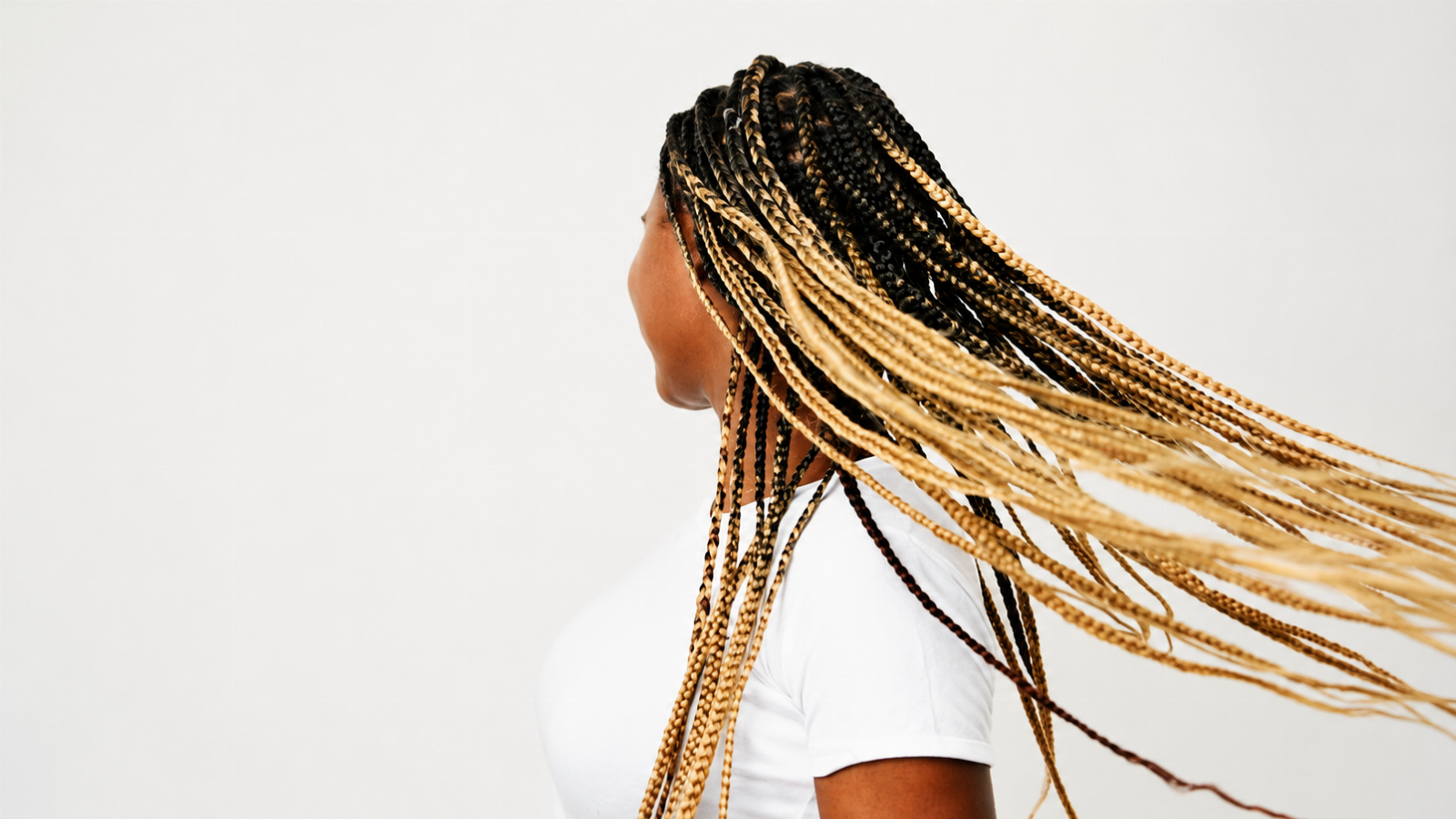
Las trenzas sin nudos suelen describirse como más ligeras, suaves y flexibles que las trenzas tradicionales, pero este resultado no es automático. La técnica permite crear un inicio más plano y cómodo, pero la sensación final depende de la división del trenzadora , el momento de la inserción de las extensiones, el peso de las mismas, el tamaño de la trenza, el control de la tensión y el acabado. Una trenza sin nudos puede sentirse pesada, rígida o apretada si se añade demasiado cabello demasiado pronto o si la base es demasiado pequeña para la cantidad de extensiones utilizadas. La sensación de ligereza se logra construyendo la trenza gradualmente y respetando la capacidad de soporte del cabello natural de la clienta.
Comienza con una base suave sin nudos.
La principal diferencia con las trenzas sin nudos radica en el inicio. En lugar de comenzar con un nudo visible o una fijación pesada en la raíz, la trenza comienza con el cabello natural de la clienta y luego se añade cabello sintético gradualmente. Esto crea un perfil de raíz más suave y permite que la trenza se mueva con mayor naturalidad cuando se realiza correctamente. Las primeras puntadas son importantes porque determinan el nivel de comodidad para toda la trenza. Si la persona que realiza la trenzadora se apresura al inicio o añade un mechón grande de cabello demasiado pronto, la trenza puede perder el efecto suave sin nudos y comenzar a sentirse voluminosa en la base. Un inicio limpio sin nudos debe verse plano, sentirse flexible y permitir que el cuero cabelludo se relaje.
Uno de los mayores errores es intentar crear volumen demasiado rápido. Muchas clientas desean que el peinado final se vea grueso, largo y abundante, pero eso no significa que todo el peso deba concentrarse cerca de la raíz. Las primeras extensiones deben ser pequeñas y controladas. La trenza debe crecer lentamente a lo largo de varias puntadas en lugar de aumentar de tamaño de golpe. Cuando el aumento es gradual, la trenza se siente más ligera porque el cabello añadido se distribuye por toda la estructura en lugar de concentrarse en la base. Esto es lo que le da a las trenzas sin nudos su movimiento suave. La trenza adquiere volumen sin sentirse anclada por una raíz pesada.
Adapta la base al tamaño de la trenza.
El tamaño de la sección debe coincidir con el tamaño de la trenza. Una base pequeña que sostiene una trenza larga o densa puede crear presión incluso cuando se usa el método sin nudos. La trenza puede verse limpia, pero el cabello natural sigue soportando el peso. Un trenzadora profesional debe observar la densidad del cabello de la clienta, la fuerza de la línea del cabello y la sensibilidad del cuero cabelludo antes de decidir el tamaño final. El cabello fino o de baja densidad generalmente necesita trenzas más ligeras y un espaciado cuidadoso. El cabello denso puede soportar más material, pero aún necesita una tensión equilibrada. Las trenzas sin nudos nunca deben planificarse solo a partir de una foto de inspiración. El tamaño de la trenza debe funcionar con la cabeza real frente al trenzadora.
La cantidad de cabello sintético es una de las principales razones por las que las trenzas sin nudos dejan de sentirse ligeras. Demasiado cabello puede hacer que la trenza se vuelva rígida, pesada y difícil de mover, especialmente cuando el estilo es largo. El largo añade peso incluso cuando la trenza parece suave en la raíz. Si la clienta desea trenzas hasta la cintura o extralargas, la trenzadora podría necesitar reducir la densidad para que el peinado final siga siendo cómodo de llevar. Si la clienta desea un aspecto más voluminoso, el largo podría ser más moderado. Una trenza ligera es un equilibrio entre largo y grosor. Añadir ambos con demasiada fuerza puede hacer que el peinado se sienta pesado durante los primeros días.
Prepara las piezas de alimentación para una construcción gradual.
Las extensiones deben prepararse antes de comenzar la trenza. Si la persona que realiza la trenzadora toma extensiones al azar durante el servicio, el tamaño de la trenza puede ser inconsistente. Una extensión puede ser demasiado pequeña, la siguiente demasiado grande, y la raíz puede quedar desigual. Separar previamente el cabello en extensiones pequeñas, medianas y de acabado ayuda a que la trenza se forme de forma natural. Las extensiones más pequeñas deben usarse al principio, donde la trenza necesita mantenerse plana y flexible. Las extensiones un poco más grandes pueden usarse una vez que la base esté estable. Esta preparación mantiene el ritmo y ayuda a prevenir secciones voluminosas dentro de la trenza.
El control de la tensión es tan importante como la colocación de las extensiones. Una trenza sin nudos no debería necesitar una tensión dolorosa para verse segura. Si la raíz está limpia, pero la clienta siente tirones al sonreír, girar la cabeza o dormir, la trenza está demasiado apretada o es demasiado pesada. Una tensión equilibrada significa que la trenza se siente estable sin tirar del cuero cabelludo. Las manos deben permanecer cerca del área de trabajo, y cada mechón de cabello añadido debe guiarse hacia la trenza en lugar de tirar de él con fuerza. Un comienzo suave no significa una trenza suelta. Significa que la estructura está controlada sin presión innecesaria.
Protege la línea del cabello y mantén la longitud flexible.
La línea del cabello, las sienes y la nuca requieren especial atención. Estas áreas suelen tener cabello más fino y pueden sentir la tensión con mayor facilidad que las secciones interiores. Alrededor del perímetro, quien realiza la trenzadora debe usar menos cabello sintético, una tensión más suave y un ritmo de alimentación más cuidadoso. Forzar los cabellos cortos de la frente en una trenza sin nudos puede generar tensión en la raíz y hacer que el peinado resulte incómodo. En algunos casos, dejar los cabellos delicados sueltos y terminarlos suavemente es más profesional que incorporarlos a la trenza. Un peinado ligero sin nudos debe proteger la línea del cabello, no usarla como punto de apoyo para longitud y volumen.
La trenza debe mantenerse flexible a lo largo de toda su extensión, no solo en la raíz. Una trenza puede comenzar suave y volverse rígida si la sección inferior contiene demasiado cabello sintético o si la tensión se comprime demasiado a medida que la trenza desciende. Las manos deben mantener un ritmo uniforme y permitir que la trenza se forme con el movimiento. Si la trenza se siente dura, demasiado apretada o difícil de doblar, la densidad puede ser excesiva o el producto puede ser demasiado pesado. Una trenza flexible debe caer de forma natural, balancearse sin tirar de la raíz y sentirse cómoda al recogerla sin apretar.
Utilice el producto y el retracción para apoyar la técnica.
El uso de productos puede afectar la ligereza de las trenzas. El gel espeso, el exceso de control de bordes, la espuma espesa o la aplicación repetida de productos pueden endurecer la raíz y acumular residuos con el tiempo. El producto debe sostener la trenza, no ser la razón por la que se mantiene unida. Una pequeña cantidad puede ayudar a suavizar el cabello corto natural, controlar el encrespamiento o pulir el acabado, pero la trenza debe construirse mediante la técnica. Si quien realiza la trenzadora necesita mucho producto para mantener el inicio ordenado, es posible que sea necesario corregir la sección, el remate o la colocación de las extensiones. Las trenzas ligeras generalmente se logran con manos limpias y materiales controlados, no con productos en exceso.
La correcta colocación del cabello natural también influye en la comodidad y la flexibilidad. Si el cabello natural de la clienta no se coloca correctamente dentro del cabello sintético, la trenza puede quedar voluminosa en algunas zonas y fina en otras. El cabello natural debe guiarse hacia la trenza desde el principio para que se integre de forma natural y no cree zonas abultadas. Esto es especialmente importante cuando el cabello natural de la clienta es corto, capeado, de corte recto o de un color diferente al de las extensiones. Una colocación limpia ayuda a que la trenza luzca más uniforme y evita que la trenzadora añada cabello extra innecesario solo para cubrir las puntas naturales visibles.
Compruebe la primera fila antes de continuar.
Una prueba sencilla para profesionales consiste en revisar la primera fila antes de continuar. Deja que las trenzas caigan de forma natural y muévelas suavemente. Si se balancean sin tirar del cuero cabelludo, probablemente el peso esté bien equilibrado. Si la clienta ya siente presión, es probable que la cabeza se sienta más pesada una vez que se coloquen más trenzas. Si la raíz se ve abultada, las primeras extensiones pueden ser demasiado grandes. Si la trenza se siente rígida, puede que sea necesario reducir la densidad. Es mejor hacer ajustes después de la primera fila que terminar una cabeza completa de trenzas que la clienta no pueda llevar cómodamente.
El cuidado posterior también influye en la sensación de ligereza de las trenzas sin nudos con el paso del tiempo. Los aceites pesados, la aplicación diaria de productos, las coletas apretadas y el secado incompleto tras el lavado pueden hacer que el peinado se sienta más pesado y menos flexible. Se recomienda a las clientas mantener el cuero cabelludo limpio, proteger las trenzas por la noche, usar productos ligeros y evitar recogidos muy ajustados durante los primeros días después de la instalación. Una trenza colocada suavemente puede resultar incómoda si se estira constantemente hacia peinados altos o se sobrecarga con productos. La rutina de la clienta debe favorecer el resultado ligero logrado en la peluquería.
Crea trenzas ligeras sin nudos mediante decisiones equilibradas.
Las mejores trenzas sin nudos se sienten suaves porque todo el servicio está equilibrado. La base tiene el tamaño adecuado, las extensiones se incorporan gradualmente, la cantidad de cabello sintético está controlada, la tensión es constante y la línea del cabello está protegida. La trenza debe verse pulida sin sentirse pesada, rígida ni dolorosamente apretada. La técnica sin nudos le brinda al trenzadora una hermosa manera de crear movimiento y comodidad, pero solo cuando los detalles se manejan con cuidado. Un resultado ligero y flexible no se crea solo con el nombre del estilo, sino con decisiones profesionales desde la primera sección hasta el final.