
Solución para residuos blancos: Qué hacer cuando el gel para trenzas se seca y queda blanco.
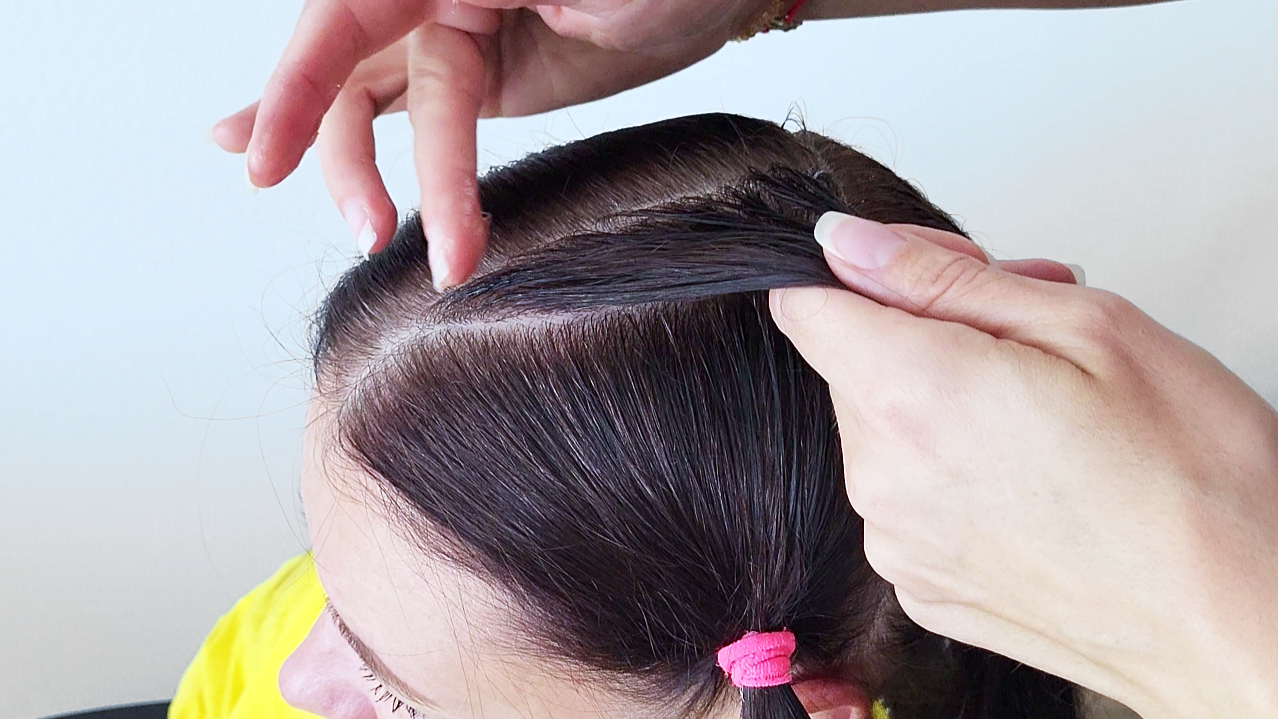
Los residuos blancos del gel para trenzar pueden hacer que un peinado recién hecho parezca viejo incluso antes de que la clienta se levante de la silla. Las secciones pueden estar limpias, el patrón de trenzado puede ser uniforme y el acabado puede verse impecable al principio, pero a medida que el producto se seca, pueden aparecer manchas blancas opacas, escamas o acumulación de residuos alrededor de las raíces, las líneas de separación, los bordes o la superficie de la trenza. Esto es frustrante porque el problema es visible, pero también es prevenible. Los residuos blancos no suelen aparecer al azar. A menudo se deben a usar demasiado producto, combinar fórmulas que no funcionan bien juntas, aplicar gel sobre aceite o acondicionador sin enjuague, o dejar el producto en la superficie en lugar de extenderlo correctamente sobre el cabello.
Encuentra la causa antes de añadir más producto.
El primer paso es comprender qué causó el residuo. Si el gel para trenzar se seca blanco, el problema puede ser un exceso de producto. El gel espeso aplicado en abundancia a lo largo de cada sección y raíz puede verse brillante cuando está húmedo, pero una vez que se seca, puede dejar una película. Esto es especialmente común cuando el producto no se peina o cuando se aplica en grandes cantidades en lugar de capas finas. La trenza puede verse pulida durante los primeros minutos, pero la superficie luego se vuelve opaca o escamosa. Un profesional en trenzadora debe observar dónde aparece el residuo. Si está principalmente a lo largo de las líneas de separación, es posible que se haya usado demasiado producto al seccionar. Si está cerca de los bordes, es posible que el control de bordes y el gel no se estén mezclando bien. Si aparece en el cuerpo de la trenza, es posible que el producto se haya extendido demasiado a través de los mechones.
La compatibilidad de los productos es otra razón importante por la que el gel se seca y se vuelve blanco. El gel para trenzas puede reaccionar mal con acondicionadores sin enjuague, aceites capilares, control de bordes, espumas, cremas para rizos o productos que ya estén en el cabello de la clienta. Incluso si cada producto funciona bien por separado, es posible que no se combinen bien entre sí. Algunas fórmulas forman grumos, se separan o se vuelven turbias al mezclarse. Por eso es importante hacer una prueba. Antes de aplicar los productos en todo el cabello, la persona que realiza las trenzadora puede mezclar una pequeña cantidad de gel con el acondicionador sin enjuague o control de bordes que esté usando y frotarlo entre los dedos. Si se vuelve blanco, se descama o forma pequeñas bolitas, es posible que se seque de la misma manera en el cabello de la clienta. Esta pequeña prueba puede prevenir un problema de residuos en todo el cabello.
Prepara el cabello antes de aplicar el gel.
Otro error común es aplicar gel sobre cabello que no está lo suficientemente limpio. Si la clienta llega con restos de productos, aceite, champú en seco, acondicionador sin enjuague abundante o acumulación de residuos en el cuero cabelludo , el gel nuevo puede quedar en la superficie en lugar de integrarse con el cabello. El resultado puede verse opaco porque el producto nuevo se mezcla con los residuos ya presentes. Para lograr un trenzado impecable, el cabello debe prepararse adecuadamente antes de la instalación. Esto no siempre significa que el cabello deba estar recién lavado en la cita, pero sí debe estar libre de residuos y lo suficientemente manejable para que el producto funcione correctamente. Si el cabello ya se siente cubierto de producto, agregar más gel generalmente empeora el problema.
Cuando aparece un residuo blanco durante el servicio, quien realiza las trenzadora debe corregirlo de inmediato en lugar de cubrirlo con más producto. Agregar aceite, espuma, spray abrillantador o gel adicional puede ocultar el residuo blanco por unos minutos, pero puede generar una acumulación más pesada posteriormente. Si el residuo aún está fresco, use una toalla húmeda, un paño suave o las yemas de los dedos ligeramente humedecidas para retirar el exceso de producto suavemente en la dirección de la trenza. El objetivo es eliminar el residuo visible sin dañar la superficie de la trenza ni alterar la raya. Frotar la trenza puede crear frizz y empeorar el peinado. Una corrección tranquila y controlada es mejor que aplicar más fórmulas de forma apresurada.
Si el residuo ya se ha secado, la corrección debe hacerse con más cuidado. A veces, las escamas secas se pueden ablandar con un poco de agua o un paño húmedo y luego retirarlas suavemente. Para el residuo en la raya del cabello, aplique una ligera presión y evite rascarse el cuero cabelludo. Para el residuo en la trenza, alise hacia abajo en la dirección de la trenza para que la superficie se mantenga limpia. Si la acumulación es abundante, la respuesta honesta de un profesional podría ser que la sección necesita limpieza o que se debe cambiar el producto la próxima vez. No todos los problemas de residuos se pueden solucionar por completo sin afectar el peinado. Por eso, la prevención es mucho más efectiva que la reparación.
Utilice menos producto con una mejor colocación.
La mejor prevención es usar menos producto y aplicarlo mejor. El gel debe aplicarse donde se necesita control, no en todas partes por defecto. Una pequeña cantidad a lo largo de la raya puede ayudar a definir la sección. Un toque ligero en cabello natural corto puede ayudar a fijarlo. Un poco de producto alrededor de la raíz puede facilitar un inicio más limpio. Pero no siempre es necesario cubrir toda la sección. Si la trenza solo se ve lisa porque está llena de gel, es posible que la técnica necesite mejorarse. Una seccionado más definida, un mejor desenredado, un mayor control manual y una correcta colocación de los mechones suelen reducir la cantidad de producto necesaria.
El orden de aplicación de los productos es importante. Aplicar aceite antes de trenzar el cabello puede dejarlo resbaladizo e interferir con el gel. Un acondicionador sin enjuague denso puede suavizar el cabello, pero si no se absorbe bien, el gel puede acumularse en la superficie y secarse dejando una capa blanca. El gel fijador para el contorno del cabello puede ser útil cerca de la línea del cabello, pero algunos no se integran bien con el gel para trenzar. La espuma puede ayudar a fijar el peinado, pero si la raíz ya está saturada de gel, puede hacer que la acumulación se sienta más pesada. Un sistema de productos profesional debe ser sencillo y estar probado. Cuantas más fórmulas se apliquen sin un plan, mayor será la probabilidad de que queden residuos.
La textura del cabello también influye en cómo se seca el producto. El cabello fino puede mostrar residuos rápidamente, ya que el gel espeso se deposita visiblemente en la superficie. El cabello denso o con textura puede requerir mayor control en ciertas áreas, pero el exceso de producto puede acumularse alrededor de la raíz si no se distribuye bien. El cabello muy seco puede dar al producto un aspecto calcáreo, ya que el gel se seca en las hebras ásperas en lugar de alisarlo uniformemente. El cabello sedoso o alisado químicamente puede volverse resbaladizo, lo que lleva a la trenzadora a aplicar más producto del necesario. La cantidad de producto debe ajustarse al cabello de la clienta, no aplicarse de la misma manera en todas las cabezas.
Mantén la línea del cabello limpia sin sobrecargarla.
La línea del cabello requiere especial atención, ya que los residuos blancos son muy visibles en los bordes. Muchos clientes buscan un acabado impecable, pero los bordes pueden verse opacos si se aplica demasiado gel y control de bordes . El cepillado repetido también puede eliminar el producto y generar descamación. Un método más limpio consiste en usar una pequeña cantidad, alisar suavemente y dejar que el producto se fije sin manipularlo en exceso. Si los cabellos de la frente son frágiles o cortos, alisarlos con demasiado producto puede dar un aspecto rígido y ejercer una presión innecesaria sobre la línea del cabello. Un borde suave y definido suele lucir más profesional que uno brillante al principio y con descamación posterior.
Los residuos blancos también están relacionados con el cuidado posterior. Aunque el peinado parezca limpio al salir de la silla, los clientes pueden acumular residuos al añadir más producto a diario. El control de bordes, el aceite cuero cabelludo , el spray abrillantador y la espuma pueden superponerse al gel original y, con el tiempo, volverse opacos o escamosos. Se debe indicar a los clientes que retoquen el peinado con suavidad. Un pañuelo o gorro de satén por la noche, un cuidado suave del cuero cabelludo y un mínimo de producto suelen conservar mejor el peinado que la aplicación constante de capas. Si el cliente observa residuos blancos en casa, debe evitar añadir aceite para disimularlos sin comprender la causa. El aceite puede oscurecer los residuos temporalmente, pero también puede atrapar más acumulación.
Prevenir residuos mediante pruebas y observación.
Para una práctica profesional, lo mejor es probar y observar. Prueben los productos juntos antes del servicio. Observen cómo se comporta el gel mientras está húmedo. Revisen la trenza bajo una luz brillante antes de pasar a la siguiente sección. Si el producto es visible en la raíz antes de secarse, podría ser más visible después. Si el cabello se siente pegajoso, cubierto o rígido, reduzcan la cantidad. Si el cabello de la clienta ya tiene producto, ajusten el plan antes de agregar más. Estas pequeñas comprobaciones ahorran tiempo y protegen el acabado final.
Crea una rutina de uso de productos que prevenga los residuos blancos.
Los residuos blancos no son solo un problema estético. Le indican a quien realiza la trenzadora información sobre la elección y cantidad de producto, la técnica de capas, la preparación del cabello o la forma de aplicarlo. Una trenza bien hecha no debería depender de un gel espeso para mantener su forma. La sección debe estar organizada, la colocación de los mechones controlada, el cabello natural bien recogido y el producto debe usarse como soporte. Cuando la base técnica es sólida, quien realiza la trenzadora puede usar menos gel y obtener un resultado más limpio. Esa es la verdadera solución: no se trata solo de eliminar los residuos blancos una vez que aparecen, sino de establecer una rutina de cuidado del cabello que los prevenga desde el principio.