
Cómo elegir el tamaño de trenza adecuado para cada cliente.
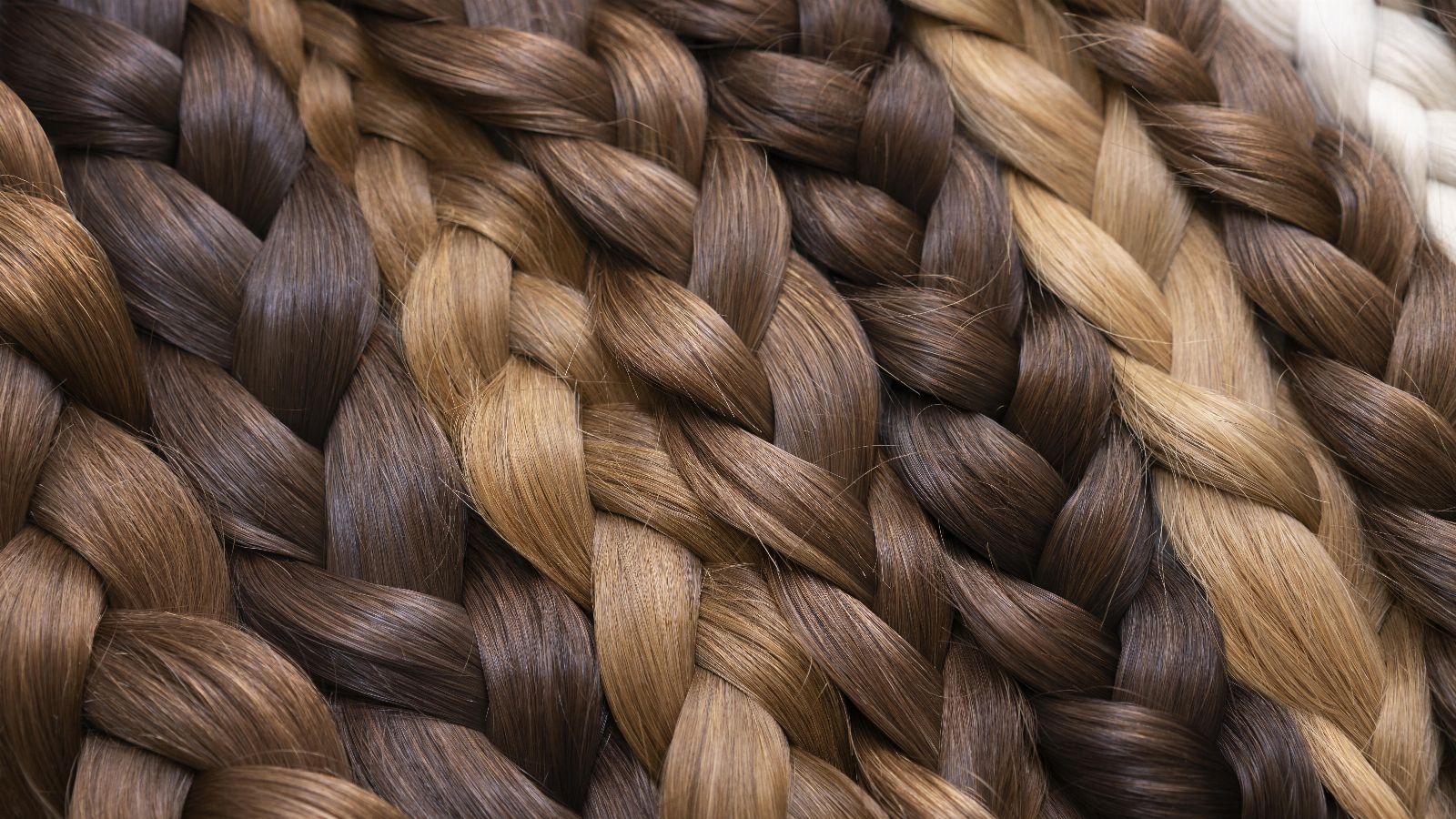
Elegir el tamaño adecuado de las trenzas es una de las decisiones más importantes en un servicio profesional de trenzado. Puede parecer una simple preferencia de estilo, pero en la práctica afecta la comodidad, la tensión, el peso, el tiempo de uso, la visibilidad del cuero cabelludo , el desmontaje y el aspecto general del peinado final. Una clienta puede pedir trenzas pequeñas, trenzas largas sin nudos, trenzas senegalesas medianas o un estilo protector más voluminoso porque vio una foto en internet. El trabajo de la estilista consiste en adaptar esa petición a la densidad capilar real de la clienta, la fuerza de su línea del cabello , su estilo de vida y su rutina de mantenimiento. El tamaño de las trenzas no debe elegirse solo por moda, sino por lo que el cabello puede soportar de forma segura y lo que la clienta puede llevar cómodamente.
Observa el cabello de la clienta antes de elegir el tamaño.
Lo primero que hay que comprobar es la densidad del cabello. La densidad se refiere a la cantidad de cabello que tiene la clienta en el cuero cabelludo, no al grosor de cada hebra individual. Una clienta puede tener cabello fino pero con alta densidad, o hebras individuales gruesas con menor densidad. Esto es importante porque la base debe sostener la trenza. Si la sección es demasiado pequeña y la trenza demasiado pesada, el cabello natural soporta demasiado peso en una zona concentrada. Si la sección es demasiado grande y la trenza demasiado pequeña, la trenza puede verse suelta, plana o sin terminar en la raíz. El tamaño profesional comienza por comprender cuánto cabello natural hay disponible en cada zona y cuánto cabello adicional puede soportar esa sección sin tensión.
La línea del cabello requiere especial atención. El línea del cabello en la frente, las sienes y la nuca suele ser más fino o delicado que en el interior de la cabeza. Estas áreas no deben recibir automáticamente el mismo tamaño de trenza ni la misma cantidad de extensiones que la coronilla o la parte posterior. Una trenza gruesa cerca del borde puede tirar más durante su uso, especialmente cuando la clienta duerme, hace ejercicio o se hace una coleta. Un trenzadora profesional podría necesitar aligerar el perímetro, reducir la cantidad de cabello añadido, ajustar la base o evitar forzar los cabellos cortos de la frente en la trenza. El objetivo no es solo que la línea del línea del cabello se vea rellena el primer día, sino que se mantenga cómoda y protegida durante todo el tiempo que se usen las extensiones.
El estilo de vida de la clienta también influye en el tamaño de las trenzas. Alguien que hace ejercicio con frecuencia, usa coletas altas, nada o necesita un peinado diario que no requiera mucho mantenimiento, puede necesitar un tamaño diferente al de alguien que se las hace para un evento corto o una sesión de fotos. Las trenzas más pequeñas pueden verse más elaboradas y durar más tiempo visualmente, pero requieren más tiempo para colocarlas y quitarlas. Las trenzas más grandes pueden ser más rápidas y llamativas, pero pueden aflojarse antes o dejar más cuero cabelludo al descubierto, dependiendo de la sección. Las trenzas medianas suelen ofrecer un buen equilibrio entre volumen, comodidad y practicidad. No existe un tamaño perfecto. El tamaño adecuado es el que se adapta al cabello de la clienta, a su horario, a su presupuesto y al resultado deseado.
Equilibrio entre tamaño de trenza, cabello añadido y cobertura.
La cantidad de cabello añadido es tan importante como el tamaño de la raya. Dos trenzas pueden tener el mismo tamaño base pero sentirse completamente diferentes si una lleva demasiado cabello sintético. Las trenzas largas, densas y con fibras pesadas pueden generar más tensión con el tiempo. Esto se nota aún más cuando el cabello está mojado o peinado. Para las trenzas sin nudos, la trenza debe crecer gradualmente sin volverse voluminosa en la raíz. Para las trenzas de caja, la unión debe sentirse segura sin crear una base pesada como un nudo. Para las trenzas senegalesas, la cantidad de cabello debe sostener el patrón de trenzado sin que la trenza se vuelva rígida o demasiado pesada. El tamaño de la trenza y el peso de la extensión siempre deben planificarse juntos.
La visibilidad del cuero cabelludo es otro factor importante. Algunas clientas desean una cobertura total con el cuero cabelludo casi al descubierto, mientras que otras prefieren una cuadrícula más definida con secciones visibles. Un trenzadora especializado en trenzas debe explicar que el volumen no se consigue simplemente haciendo secciones diminutas. Un patrón de seccionamiento más inteligente, como la colocación escalonada o una mejor disposición de las filas, puede crear una mayor cobertura sin sobrecargar las raíces. Si la clienta tiene el cabello poco denso, hacer secciones extremadamente pequeñas no siempre es la opción más segura. Puede generar más puntos de tensión y un desmontaje más largo. Una mejor solución podría ser un tamaño de trenza mediano, una planificación cuidadosa de la cuadrícula y una colocación más ligera de las extensiones.
El largo y el corte del cabello también son importantes. El cabello natural corto, las puntas rectas, las capas y los cortes de pelo en crecimiento pueden afectar la sujeción de la trenza y la facilidad con la que se puede ocultar el cabello natural. Si el cabello natural de la clienta es corto o desigual, las trenzas muy grandes pueden no ofrecer suficiente control para ocultar las puntas naturales. Si el cabello tiene capas, las secciones más pequeñas o medianas pueden permitir una mejor sujeción y un acabado más limpio. Por otro lado, las trenzas muy pequeñas en cabello frágil o corto pueden ser difíciles de quitar de forma segura. La trenzadora debe pensar más allá de la colocación y preguntarse cómo se verá la trenza después de unos días de movimiento, sueño y expansión natural del cabello.
Prueba la talla y piensa en todo el ciclo de uso.
La consulta debe ser directa y honesta. Una clienta puede traer una foto de inspiración, pero esta no muestra la densidad del cabello, la sensibilidad del cuero cabelludo ni el peso de las extensiones. En lugar de simplemente copiar la imagen, la trenzadora debe explicar qué se puede recrear y qué necesita ajustes. Por ejemplo, una clienta puede querer trenzas sin nudos pequeñas hasta la cintura, pero si la línea del cabello es frágil o la densidad es baja, un tamaño más ligero o una longitud más corta podrían ser una mejor recomendación. Este tipo de orientación genera confianza. Las clientas suelen agradecer que la trenzadora explique el motivo de una decisión profesional en lugar de simplemente aceptar un estilo que quizás no se mantenga bien.
Un hábito profesional útil es probar el tamaño antes de hacer una trenza completa. Crea una trenza de prueba en una zona menos visible y otra cerca de una zona más sensible, si es necesario. Comprueba la raíz, el peso, el movimiento y la comodidad de la clienta. Pregúntale si se siente segura o apretada. Son dos cosas distintas. Una trenza segura se siente estable. Una trenza apretada se siente como si tirara, presionara o restringiera. Si la trenza de prueba ya se siente pesada, el peinado completo generalmente se sentirá más pesado después de colocar varias filas. Es mejor hacer ajustes a tiempo que terminar toda la cabeza y darse cuenta de que el tamaño o el peso de la trenza eran incorrectos.
El desmontaje también debe influir en el tamaño de las trenzas. Las trenzas muy pequeñas pueden tardar mucho en quitarse, y si el peinado se lleva demasiado tiempo, la caída del cabello y la acumulación de producto pueden dificultar su eliminación. Las trenzas más grandes pueden ser más fáciles de deshacer, pero pueden ejercer más peso sobre cada base si se utiliza demasiado cabello de extensión. Un estilista profesional de trenzadora piensa en todo el ciclo: instalación, uso, mantenimiento, lavado y desmontaje. Un peinado de trenzas no es realmente exitoso si luce bien el primer día pero causa estrés, enredos o rotura al desmontaje.
Elegir el tamaño de las trenzas no se trata de seguir una regla para todas las clientas. Se trata de observar atentamente la cabeza de la clienta. Ten en cuenta la densidad, la fuerza de la línea del cabello , la longitud natural del cabello, la comodidad del cuero cabelludo , el estilo deseado, el peso de las extensiones y su estilo de vida. Luego, elige un tamaño de trenza que le dé a la clienta el look que desea, respetando la capacidad de su cabello. Aquí es donde entra en juego el criterio profesional. El tamaño de trenza ideal crea un resultado visual impecable, una mayor comodidad, un peso equilibrado y un proceso de remoción más sencillo. Cuando estos elementos se combinan, el peinado luce mejor, se siente mejor y refleja una mayor habilidad en el trenzado.
El tamaño adecuado de las trenzas debe hacer que el peinado final luzca intencional, no forzado. Debe sostener la forma sin sobrecargar la raíz. Debe brindar confianza a la clienta sin crear tensión innecesaria. Ya sean trenzas de caja, trenzas sin nudos, trenzas senegalesas, trenzas Zizi u otro estilo protector, el tamaño nunca es solo una elección estética. Es una decisión técnica. Un trenzadora profesional entiende que cada sección tiene un límite, cada cabeza tiene necesidades diferentes y todo peinado hermoso debe ser lo suficientemente cómodo para usarlo en el día a día.