
Cómo ocultar el cabello natural dentro de las extensiones: El truco perfecto
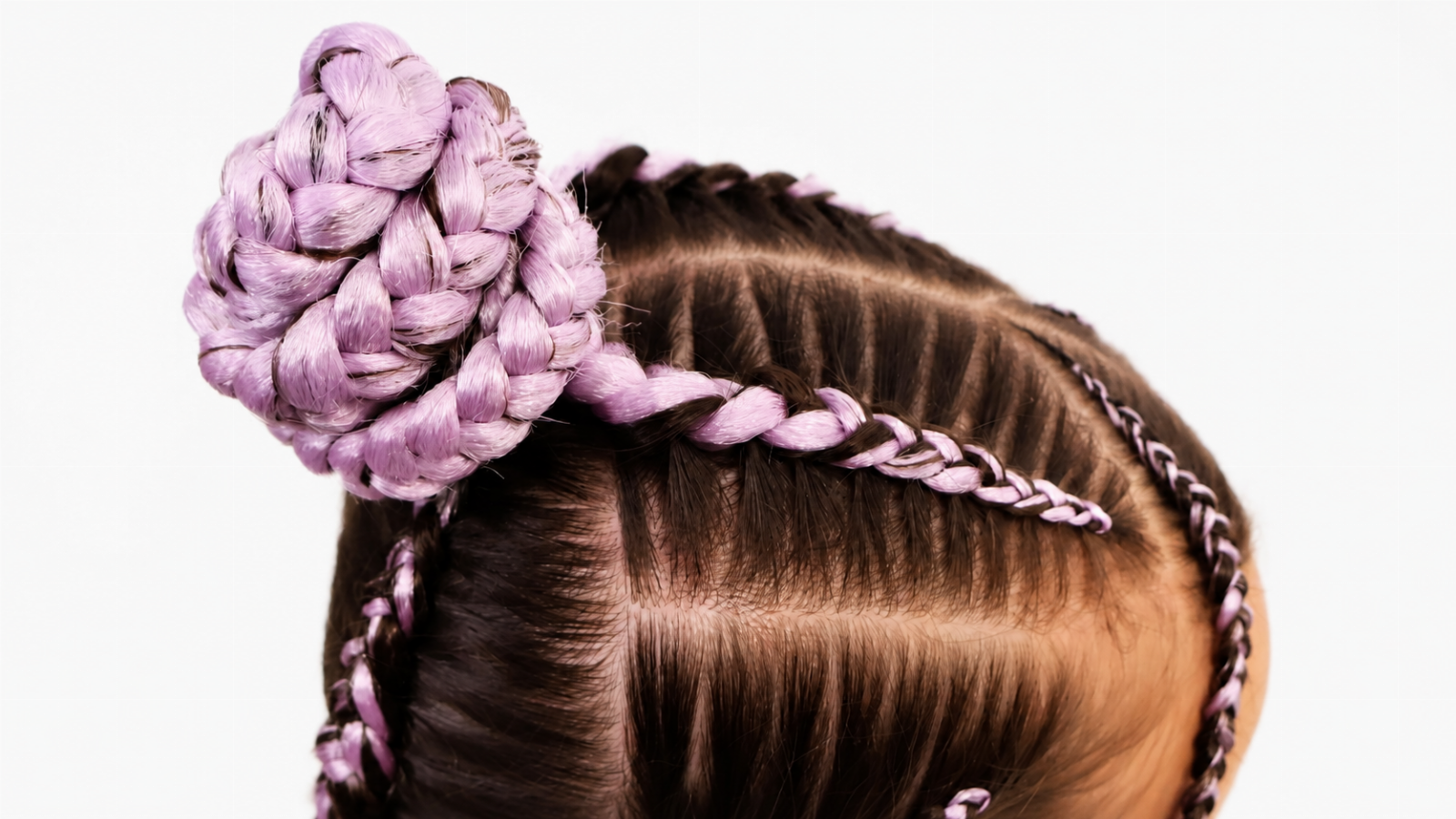
Un buen remate es uno de los detalles que hacen que las trenzas luzcan profesionales en lugar de inacabadas. Cuando el cabello natural se ve fuera de las extensiones, la trenza puede verse desordenada, desigual o mal integrada, especialmente si el cabello natural de la clienta es más oscuro, más corto, más grueso o tiene una textura diferente a la del cabello sintético. El remate es la técnica que mantiene el cabello natural controlado dentro de la trenza o el giro para que el peinado final luzca más liso de la raíz a las puntas. Esto es importante en las trenzas de caja, las trenzas sin nudos, las trenzas con extensiones, los giros senegaleses, las trenzas bohemias y cualquier estilo donde se use cabello adicional para crear longitud, color, volumen o un acabado más limpio.
Comienza a hacer el pliegue antes de que la trenza baje.
Lo más importante es entender que el proceso de ocultación no comienza a la mitad de la trenza, sino desde el principio. Si el cabello natural se coloca por fuera de la sección de trabajo desde las primeras puntadas, tenderá a asomar a medida que la trenza avanza. Una ocultación profesional comienza colocando el cabello natural de la clienta dentro de la estructura de la extensión de inmediato. El cabello sintético debe envolver y sostener el cabello natural, no quedar al lado como una pieza separada. Cuando la colocación es correcta desde el principio, la trenza luce más integrada, la transición de textura es más suave y el cabello natural permanece protegido dentro de la trenza en lugar de sobresalir por la superficie.
Un error común es intentar ocultar el cabello natural apretando más la trenza. Esto puede alisarla temporalmente, pero no crea un verdadero remate. También puede generar tensión innecesaria, especialmente cerca de la raíz. Un remate impecable no se trata de fuerza, sino de la colocación, el ángulo y el control de los mechones. La trenzadora debe guiar el cabello natural hacia el centro de la sección de trabajo y mantener las extensiones a su alrededor. La trenza debe sentirse segura, pero no rígida. Si el cabello natural sigue apareciendo, la solución generalmente no es aumentar la tensión, sino ajustar la posición del cabello natural dentro de la trenza.
Controla la textura, el color y la cobertura de las extensiones.
La diferencia de textura es una de las principales razones por las que resulta difícil ocultar las extensiones. Si la clienta tiene cabello natural con más volumen o rizos, y las extensiones son lisas o sedosas, el cabello natural puede tender a salirse de la trenza. Si la clienta tiene puntas rectas, capas cortas o un corte de pelo en crecimiento, las puntas pueden asomar antes de terminar la trenza. Esto no significa que la trenza no pueda verse bien, sino que trenzadora debe trabajar con movimientos más pequeños y un enrollado más preciso. El cabello natural debe alisarse antes de cada cruce y luego cubrirse con las cabello sintético a medida que avanza la trenza. Cuanto más limpia sea la colocación de las extensiones, mejor quedará oculta.
El contraste de color hace que el remate sea aún más importante. El cabello natural oscuro entre extensiones rubias, rosas, menta, grises o cabello sintético brillantes se notará rápidamente si no se controla. El primer tercio de la trenza suele ser donde el contraste es más visible, ya que el cabello natural aún está presente y la trenza está cerca de la cabeza de la clienta. En esta zona, quien realiza la trenzadora debe ir más despacio y concentrarse en mantener el cabello natural cubierto con las extensiones. Un remate apresurado cerca de la raíz puede hacer que toda la trenza se vea menos pulida, incluso si la parte inferior está lisa. Al trabajar con colores de alto contraste, la precisión importa más que la velocidad.
La cantidad de extensiones también afecta la capacidad de ocultar el cabello natural. Si hay muy pocas cabello sintético, es posible que no cubran completamente el cabello natural. Si hay demasiadas, la trenza puede volverse voluminosa y difícil de controlar. La cantidad adecuada depende de la densidad, textura y longitud del cabello de la clienta, así como del tamaño de trenza deseado. En las trenzas sin nudos, el cabello añadido debe ir aumentando gradualmente para que la raíz se mantenga plana y flexible. En las trenzas de caja, la fijación debe proporcionar suficiente cobertura sin sobrecargar la base. En las trenzas con extensiones, cada pieza añadida debe sostener la trenza suavemente en lugar de crear un bulto. Un ajuste perfecto depende del equilibrio, no solo de la cobertura.
Utilice el producto y el ángulo de la mano con control.
El producto puede ser útil, pero debe usarse con cuidado. Una pequeña cantidad de gel para trenzar, mermelada o un producto de peinado ligero puede ayudar a alisar los mechones cortos y darle al cabello natural la suficiente sujeción para que se mantenga dentro de la trenza. Sin embargo, un exceso de producto puede provocar acumulación, rigidez, descamación o residuos blancos. El producto debe aplicarse ligeramente sobre el cabello natural que necesita control, y luego peinarse o alisarse antes de trenzarlo. No debe aplicarse en exceso sobre la trenza para forzar el cabello a mantenerse en su lugar. Un acabado profesional debe seguir sintiéndose como cabello natural, no como un producto que mantiene toda la estructura unida.
El ángulo de la mano es otro aspecto clave para colocar correctamente las extensiones. Si el cabello natural sigue apareciendo por fuera, es posible que la trenzadora esté girando el mechón de forma que quede expuesto. Un pequeño cambio en la posición de la mano puede marcar la diferencia. Las extensiones deben colocarse de manera que cubran el cabello natural del lado visible de la trenza. A medida que se avanza con la trenza, la trenzadora debe observar hacia dónde se mueve el cabello natural. Si comienza a levantarse hacia la superficie, ajuste el ángulo antes de que la punta se salga. Esto es especialmente importante con cabello natural corto, cortes rectos y cabello en capas, ya que esas puntas pueden salirse fácilmente.
Protege el cabello natural durante su uso.
Un buen recogido también protege el cabello natural de la clienta durante el uso de las extensiones. Cuando el cabello natural queda fuera de la trenza, puede rozar con la ropa, resecarse más rápido, encresparse o quedar expuesto a mayor fricción. Cuando se recoge correctamente, permanece más protegido dentro de las extensiones. Esta es una de las razones por las que el recogido es importante en los peinado protector. El objetivo no es solo que la trenza luzca más lisa el primer día, sino que el peinado se mantenga mejor con el tiempo y reducir la exposición innecesaria del cabello natural. Un recogido limpio favorece tanto la apariencia como la protección.
Para practicar, el mejor método es trabajar con colores contrastantes. Usa cabello natural oscuro o una sección de entrenamiento oscura con cabello sintético claro, o usa dos tonos sintéticos muy diferentes. Esto hace que cualquier error sea visible. Si el cabello natural se ve por fuera, quien hace la trenzadora puede ver inmediatamente dónde falló la colocación. Practica despacio y concéntrate en los primeros centímetros de la trenza. Ahí es donde se establece el enganche. Una vez que el cabello natural está controlado al principio, el resto de la trenza suele ser más fácil de manejar. Si los primeros centímetros están desordenados, la trenza inferior a menudo seguirá mostrando el mismo problema.
También es útil revisar la trenza desde diferentes ángulos mientras se trabaja. Un mechón puede verse bien desde arriba, pero mostrar el cabello natural desde un lado. Puede verse liso en el espejo, pero revelar puntas sueltas bajo una luz brillante. Los profesionales de la trenza aprenden a inspeccionar la trenza a medida que se forma, en lugar de esperar hasta el final. Si se ve el cabello natural, corríjalo mientras aún haya suficiente longitud para ajustarlo. Esperar demasiado puede dificultar la corrección, ya que la punta corta puede estar ya integrada en la superficie de la trenza. La corrección temprana ahorra tiempo y proporciona un resultado más limpio.
El remate nunca debe hacer que la trenza resulte incómoda. Si quien realiza la trenzadora tira con fuerza para ocultar el cabello natural, es necesario ajustar la técnica. La trenza no debe sentirse apretada, rígida ni dolorosa solo porque se esté cubriendo el cabello natural. Un remate profesional es suave y controlado, no agresivo. El cabello natural debe guiarse dentro de la estructura de la extensión con movimientos firmes de la mano y el soporte adecuado del producto. Si la clienta siente tirones o la trenza se siente pesada en la raíz, reduzca la tensión, verifique la cantidad de cabello añadido y reconstruya la sección si es necesario.
Crea un tuck que parezca hecho sin esfuerzo
La técnica de trenzado más efectiva es la sutil. La clienta no debe notar dónde termina el cabello natural y dónde empiezan las extensiones. La trenza debe verse intencional, equilibrada y pulcra, sin parecer forzada. Este es el tipo de detalle que las clientas quizás no sepan cómo describir, pero que perciben de inmediato en el resultado final. Una trenza bien hecha luce más suave, se ve mejor en las fotos y tiene un acabado más pulido. Además, demuestra que la trenzadora domina la textura, el color, la colocación de los mechones y los peinado protector a nivel profesional.
Un peinado impecable requiere preparación, no pánico. Alisa tu cabello natural, colócalo dentro de la estructura de la extensión desde el principio, controla el ángulo de la mano, aplica el producto con moderación y corrige la posición antes de que las puntas naturales se salgan. Cuando estos detalles se combinan, la trenza luce más limpia de raíz a puntas y el cabello natural se mantiene mejor protegido durante su uso. Ocultar el cabello natural dentro de las extensiones no se trata de disimular un error, sino de construir la trenza con el control suficiente para que la integración parezca natural, incluso cuando la técnica subyacente es muy precisa.