
Ciencia de la cuadrícula: Laminador vs. separación de panal para una mejor cobertura
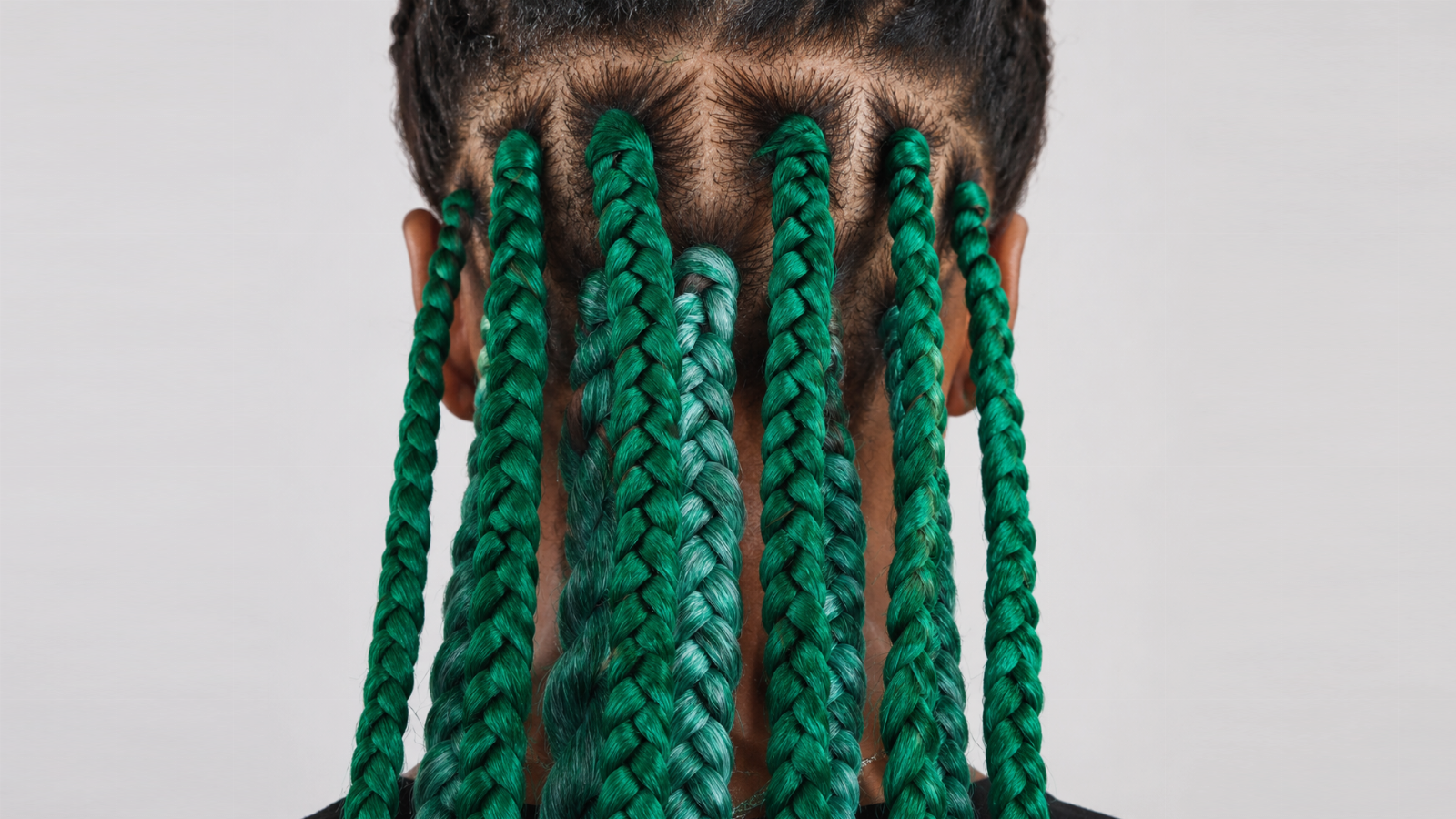
La cobertura en el trenzado no se trata solo de cuántas trenzas se colocan, sino de cómo se distribuyen las bases en la cabeza. Dos clientas pueden tener la misma cantidad de trenzas de caja, trenzas sin nudos, trenzas Zizi o trenzas de doble punta, pero el resultado final puede verse completamente diferente según la cuadrícula de seccionamiento. Un estilo puede verse abundante y equilibrado desde cualquier ángulo, mientras que otro muestra huecos en cuanto la clienta se mueve. Esa diferencia suele deberse al plan de seccionado . Una trenzadora profesional no solo crea secciones limpias, sino que crea un mapa que controla la cobertura, la distribución del peso, el movimiento de las trenzas y cómo cae el peinado después de que la clienta se levanta de la silla.
Planifique la red eléctrica para una mejor cobertura.
La seccionado en zigzag es una de las técnicas más útiles para lograr una mejor cobertura visual. La idea es similar a la forma en que se apilan los ladrillos en una pared: cada fila está ligeramente desplazada con respecto a la anterior. En lugar de colocar cada base directamente encima de la siguiente, la trenzadora las trenzas las escalona para que queden entre sí. Esto ayuda a reducir los huecos visibles en el cuero cabelludo y le da al peinado final una apariencia más voluminosa sin añadir cabello extra innecesario. En la práctica, esto puede marcar una gran diferencia, especialmente en clientas con cabello de densidad media o baja, cabello fino o en peinados donde las trenzas necesitan moverse con naturalidad.
La razón por la que la seccionado al estilo ladrillo funciona tan bien es que resuelve un problema visual antes de que se haga evidente. Cuando las bases se apilan en columnas verticales rectas, la vista puede seguir fácilmente las líneas vacías entre ellas. Esto puede hacer que el peinado parezca menos abundante, incluso si las trenzas en sí están bien hechas. Con una disposición escalonada, las trenzas se superponen a los espacios entre filas. El cuero cabelludo sigue estando bien dividido, pero el resultado final se ve más suave y cubierto. Esto no significa que la trenzadora las trenzas esté ocultando un mal trabajo. Significa que está utilizando la trenzadora para realzar el acabado visual en lugar de recurrir a extensiones más pesadas o a una tensión mayor para crear volumen.
La seccionado en panal tiene un propósito diferente. En lugar de pensar en filas rectas y rectángulos desplazados, la planificación en estilo panal crea una distribución más orgánica de las bases. Las secciones pueden verse más suaves, más redondeadas o conectadas de forma más natural en toda la cabeza. Este tipo de planificación puede ser útil cuando el trenzadora desea que el peinado final tenga movimiento desde múltiples ángulos en lugar de un aspecto estrictamente fila por fila. También puede ser útil cuando la densidad del cabello de la clienta varía en la coronilla, los lados o la nuca. Un enfoque en panal permite al trenzadora pensar menos como una regla y más como un escultor, dando forma a la cobertura alrededor de la cabeza.
Elija el mapa adecuado para el cliente.
La elección entre la raya tipo ladrillo y la seccionado panal no debe basarse únicamente en tendencias o preferencias personales. Debe basarse en la densidad del cabello de la clienta, la forma de su cabeza, el tamaño de las trenzas, el volumen deseado y cómo se lucirá el peinado. La seccionado tipo ladrillo es ideal cuando el objetivo es una cobertura organizada con un diseño limpio y predecible. Es especialmente útil para trenzas de caja, trenzas sin nudos y trenzas Zizi cuando trenzadora busca que el peinado luzca voluminoso sin crear demasiadas secciones pequeñas. La raya tipo panal puede ser mejor cuando la forma de la cabeza o la densidad del cabello requieren un diseño más suave, o cuando el peinado final debe tener un aspecto más natural y menos rígido.
Un error común es usar secciones muy pequeñas para crear la apariencia de volumen. Las secciones pequeñas pueden verse detalladas, pero no siempre son más seguras ni mejores. Si una base pequeña tiene que soportar demasiado cabello sintético, el peso se concentra en menos hebras naturales. Esto puede causar incomodidad, tensión y posible rotura, especialmente alrededor de la línea del cabello, las sienes y la nuca. Una cuadrícula más inteligente a menudo puede crear una mejor cobertura sin reducir el tamaño de cada base. Aquí es donde la ciencia de la seccionado se vuelve práctica. El objetivo no es solo hacer que el patrón del cuero cabelludo se vea impresionante antes de la instalación. El objetivo es crear un diseño que sostenga la trenza durante su uso.
Otro error común es usar la misma cuadrícula en toda la cabeza sin ajustarla a la densidad. El cabello rara vez es igual en todas partes. La coronilla puede ser más densa, las sienes más finas, la nuca más corta y la línea del cabello frontal más suave. Un trenzadora profesional analiza estas zonas antes de decidir el patrón de secciones. La seccionado en zigzag puede funcionar de maravilla en el interior, mientras que la línea del cabello requiere bases más claras y personalizadas. El espaciado en panal puede crear un resultado visual más suave en la coronilla, mientras que una fila más estructurada puede ser útil en la parte posterior para mayor control. La mejor cuadrícula no suele ser un solo patrón para toda la cabeza, sino una combinación planificada que respeta la forma de la cabeza.
La cobertura también depende del tamaño de la trenza. Una trenza grande sobre una base pequeña puede parecer abundante al principio, pero puede sentirse pesada y tirar al usarla. Una trenza pequeña sobre una base grande puede verse suelta o poco densa. La cuadrícula debe coincidir con el tamaño de la trenza y la cantidad de cabello añadido. Para las trenzas sin nudos, la base debe soportar la inserción gradual sin volverse voluminosa. Para las trenzas de caja, la base debe sujetar la fijación limpiamente sin tirar de las esquinas. Para las trenzas Zizi o las trenzas de doble extremo, la sección debe tener en cuenta el método de instalación y la forma en que caerán las piezas prefabricadas. Un buen mapa no es geometría plana; es planificación de servicios.
Verifique el diseño antes de la instalación completa.
Antes de comenzar con una cabeza completa, es útil delimitar una zona y luego dejar que algunas trenzas caigan naturalmente. Esta es una de las comprobaciones profesionales más sencillas. Si las trenzas se separan inmediatamente y dejan grandes huecos, puede que sea necesario ajustar la cuadrícula. Si las bases se ven limpias pero el peinado se siente demasiado pesado, puede que sea necesario cambiar el tamaño de las trenzas o la cantidad de material. Si las filas se ven organizadas solo cuando la clienta está completamente quieta, el diseño puede no funcionar en la práctica. Las trenzas se mueven. Las clientas giran la cabeza, se recogen el pelo, duermen, hacen ejercicio y viven con el peinado. La cuadrícula debe tener sentido más allá de la silla.
La seccionado ladrillo suele ser una buena opción cuando la clienta busca una cobertura completa sin que se vea demasiado el cuero cabelludo. También puede ayudar a crear un look equilibrado cuando las trenzas son de tamaño mediano y la densidad no es excesivamente alta. La seccionado panal puede ser útil cuando la clienta busca suavidad, movimiento natural o un diseño que no se vea demasiado rígido. Ambos métodos pueden ser profesionales. Sin embargo, también pueden hacerse mal si la trenzadora ignora el tamaño de la base, la densidad del cabello o el peso de las extensiones. El método en sí no es mágico. La habilidad reside en elegir el diseño adecuado para la cabeza que tienes delante.
El producto no debe usarse para compensar una cuadrícula débil. El gel puede definir las líneas de separación y controlar los cabellos sueltos, pero no puede corregir una mala planificación de la cobertura. Si las secciones están demasiado separadas, el peinado mostrará huecos. Si las bases son demasiado pequeñas, las trenzas pueden tirar. Si las filas se desvían, la forma final puede verse desigual. La solución es corregir el mapa antes de la instalación. Un plan de seccionamiento claro ahorra tiempo, reduce la frustración y le da al trenzadora más control sobre el resultado final. También facilita la explicación del peinado al cliente, ya que el trenzadora puede describir claramente por qué un determinado tamaño, patrón o cantidad de cabello es apropiado.
Para practicar, quienes se dedican a trenzar deben estudiar la cabeza desde arriba, no solo desde el espejo. La vista superior permite comprobar si las filas están equilibradas, si la coronilla se está trazando correctamente y si las bases soportan el tamaño de trenza previsto. También es útil fotografiar el seccionamiento antes de la instalación. Una foto revela líneas desviadas, bases de tamaño desigual y zonas sin cubrir que podrían pasar desapercibidas durante el trabajo. Con el tiempo, esto desarrolla un criterio más preciso. Quien trenzadora empieza a comprender qué diseños crean volumen, cuáles crean movimiento y cuáles generan demasiada tensión para la cantidad de cabello que se está instalando.
El objetivo profesional no es demostrar que una cuadrícula es mejor que otra. El objetivo es usar la cuadrícula como una herramienta. La seccionado en ladrillo proporciona estructura y cobertura. La planificación en panal proporciona suavidad y una distribución natural. Un trenzadora experto sabe cuándo usar cada una, cuándo combinarlas y cuándo ajustar el mapa porque el cabello de la clienta necesita algo diferente. Una mejor cobertura no siempre significa más trenzas, más cabello o mayor tensión. A menudo, significa una colocación más inteligente. Cuando el mapa de secciones está bien planificado, el estilo final se ve más voluminoso, se siente más equilibrado y se lleva con mayor comodidad desde el primer día hasta que desmontaje.